As an Amazon Associate, I earn from qualifying purchases. Some links in this article are affiliate links, if you buy through them I may earn a small commission at no extra cost to you.
Quick Summary
- True Dwarf Genetics: Always choose micro-bush or patio cultivars under 12–15 inches tall so foliage never burns against countertop LED hoods.
- Pollination Requirements: Indoor fruiting crops require daily mechanical vibration (shaking stems or brushing blossoms) to set fruit without pollinators.
- Nutrient Matching: Group leafy herbs together at moderate EC (1.2–1.6 mS/cm) and fruiting dwarfs together at higher EC (2.0–2.8 mS/cm) during fruit set.
- Root Zone Discipline: Countertop reservoirs are compact; prune root mats monthly to prevent pump clogs and oxygen depletion.
- Pruning & Canopy Flow: Keep lower foliage trimmed to maintain airflow and prevent humidity buildup under low kitchen cabinets.
Growing food directly on your kitchen counter, right where you prep dinner, is one of the most rewarding ways to use hydroponics. (If you are new to small-space gardening, start with our Ultimate Guide to Apartment Hydroponics). But many first-time indoor gardeners run into the same frustration: within six weeks, their plants turn into an overgrown tangle, burn their upper leaves against the LED hood and drink the reservoir dry every 24 hours. Often, this can be traced to a few common hydroponic mistakes beginners make when setting up their first systems.
The problem usually isn’t the hydroponic hardware, it’s genetics. Standard garden vegetables are bred for outdoor beds where roots and vines can spread several feet. When constrained inside a 6-pod or 12-pod countertop basin, indeterminate tomatoes and vining cucumbers will quickly fight for space and exhaust your nutrient solution.
Enter Countertop Foodscaping: the deliberate selection of true dwarf, micro-bush and patio cultivars bred specifically to stay under 15 inches tall while producing dense, continuous yields.
Quick Comparison: 7 Compact Crops at a Glance
| Crop Name | Top Dwarf Cultivars | Max Height | Days to Harvest | Optimal pH | Optimal EC (mS/cm) |
|---|---|---|---|---|---|
| 1. Micro-Tomato | ‘Orange Hat’, ‘Micro Tom’ | 8–10 in. | 55–65 days | 5.8–6.3 | 2.0–2.8 |
| 2. Tabletop Chili Pepper | ‘Kitchen Minis’, ‘Thai Hot’ | 10–12 in. | 65–75 days | 5.8–6.2 | 2.0–2.5 |
| 3. Compact Bush Cucumber | ‘Spacemaster 80’, ‘Bush Champion’ | 12–18 in. | 50–60 days | 5.5–6.0 | 1.8–2.4 |
| 4. Dwarf Genovese Basil | ‘Spicy Globe’, ‘Greek Bush’ | 8–10 in. | 25–30 days | 5.5–6.5 | 1.2–1.6 |
| 5. Compact Eggplant | ‘Patio Baby’, ‘Fairytale’ | 12–16 in. | 60–70 days | 5.8–6.2 | 2.0–2.6 |
| 6. Dwarf Curly Kale | ‘Dwarf Blue Curled Scotch’ | 10–14 in. | 35–45 days | 5.8–6.3 | 1.4–1.8 |
| 7. Bush Cilantro | ‘Santo’, ‘Calypso’ | 8–12 in. | 25–35 days | 5.5–6.2 | 1.2–1.6 |
1. Micro-Tomatoes (‘Orange Hat’ or ‘Micro Tom’)
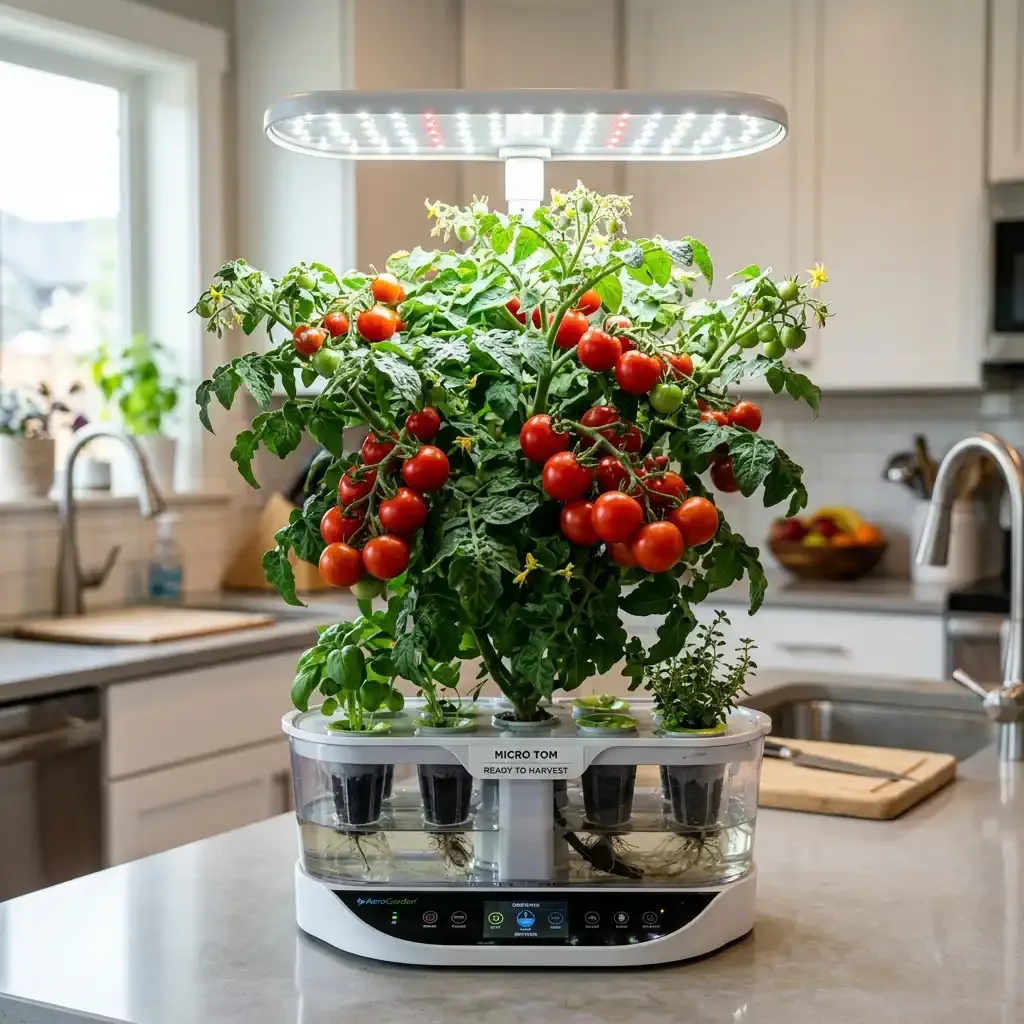
Micro-dwarf tomatoes are the undisputed champions of countertop hydroponics. Unlike indeterminate garden vines that require cages and stakes, varieties like ‘Orange Hat’ and ‘Micro Tom’ (or the classic Tiny Tim Dwarf Tomato SeedsView on Amazon) top out at just 8 to 10 inches tall. They form compact, sturdy canopy domes smothered in sweet cherry tomatoes.
Key Hydroponic Care Tips
- Nutrient Target: Start seedlings at 1.2–1.5 EC, then increase to 2.0–2.8 EC once yellow blossoms appear. Maintaining these optimal pH and EC values for hydroponic plants ensures healthy fruit development.
- Indoor Pollination: Kitchens lack wind and bees. Once flowers open, gently tap or shake the main stem for 5 seconds every morning or touch the back of a vibrating electric toothbrush to the flower truss to release pollen.
- Lighting Distance: Keep your LED grow hood 2 to 3 inches above the top leaves to maintain short internodal spacing.
In my own countertop setup, the ‘Orange Hat’ variety starts setting fruit so densely that the stems can lean under the weight, I’ve found that placing a small plastic support ring early on keeps them upright and prevents lower branches from dipping into the reservoir deck.
2. Tabletop Chili Peppers (‘Kitchen Minis’ or ‘Thai Hot Ornamental’)
Compact chili peppers double as edible houseplants. Varieties bred for containers, such as Compact Thai Chili Pepper SeedsView on Amazon, produce dozens of vibrant red orange or yellow peppers against dark green foliage without exceeding 12 inches in height.
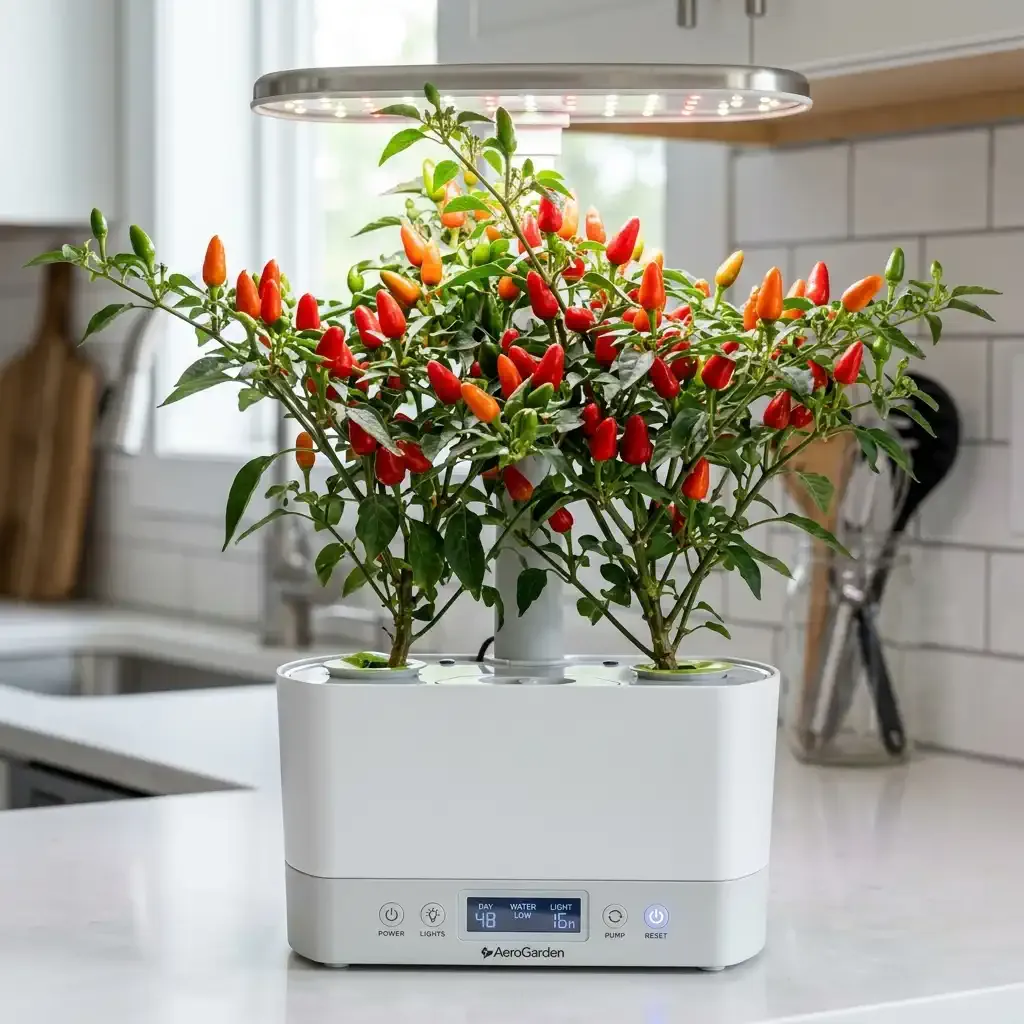
Tabletop chili peppers require a balanced 2.0–2.5 EC and tight pH control between 5.8 and 6.2. The most common pitfall with indoor peppers is blossom drop, which often happens if the reservoir temperature swings too high. Keeping your reservoir water cool, ideally between 65°F and 72°F, keeps the roots happy and prevents flowers from falling off.
In my first indoor run with ‘Kitchen Minis’, I noticed significant blossom drop because the system sat too close to a refrigerator exhaust vent. Relocating the unit to a cooler island solved the issue instantly and I eventually harvested over two dozen peppers from a single pod. Make sure to pick ripe peppers regularly to trigger the plant to set new flower buds, extending your harvest window for months.
3. Compact Bush Cucumber (‘Spacemaster 80’ or ‘Bush Champion’)
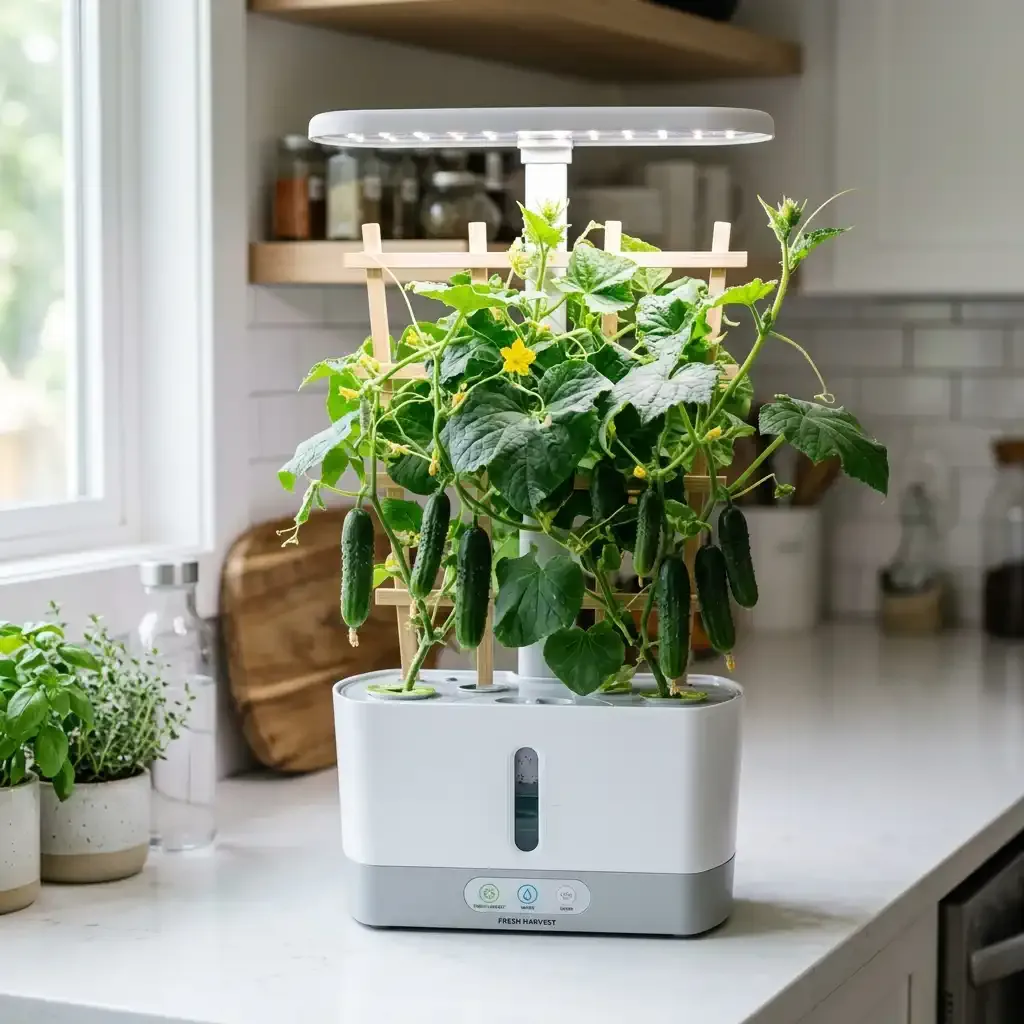
Standard cucumbers send out 6-foot vines that will quickly strangle neighboring herbs. True bush varieties like ‘Spacemaster 80’ (available as Spacemaster Compact Cucumber SeedsView on Amazon) produce full-sized slicing or pickling cucumbers on short 12 to 18-inch vines that can be easily supported with a small countertop trellis arm.
Key Hydroponic Care Tips
- Thirst Management: Cucumbers are heavy drinkers. Check your water level every 2 to 3 days when fruit begins swelling so roots are never left dry.
- Air Circulation: Dense cucumber foliage can trap moisture. Prune the lowest leaves to ensure good air exchange around the crown.
- EC Requirements: Maintain 1.8–2.4 EC using a quality bloom nutrient rich in potassium.
4. Dwarf Genovese Basil (‘Spicy Globe’ or ‘Greek Bush Basil’)
Standard Genovese basil grows tall and woody if left unpruned. Dwarf bush varieties like Dwarf Greek Basil SeedsView on Amazon form dense, spherical mounds composed of tiny, highly flavorful leaves that never crowd out your grow light.
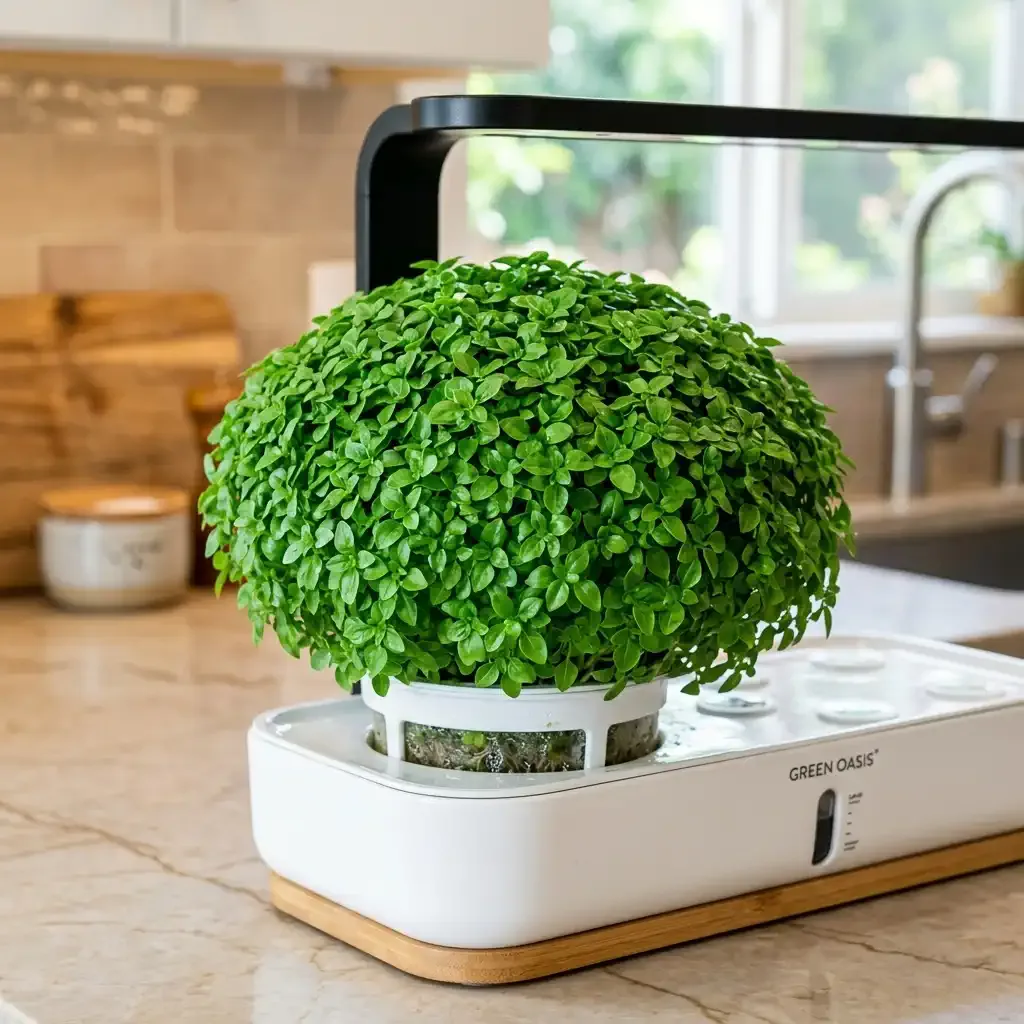
Greek bush basil thrives best under moderate nutrient strength, targeting a 1.2–1.6 EC range. Over-feeding with nitrogen can lead to leaf margin burn and cause the leaves to develop a bitter taste. Because basil is highly compatible with other leafy greens and cilantro, they make excellent reservoir companions, unlike heavier-feeding fruiting crops.
To harvest, pinch off the top growing tips weekly rather than pulling individual leaves. This regular pinching encourages lateral branching, helping the plant maintain its signature compact sphere shape for months.
5. Compact Eggplant (‘Patio Baby’ or ‘Fairytale’)
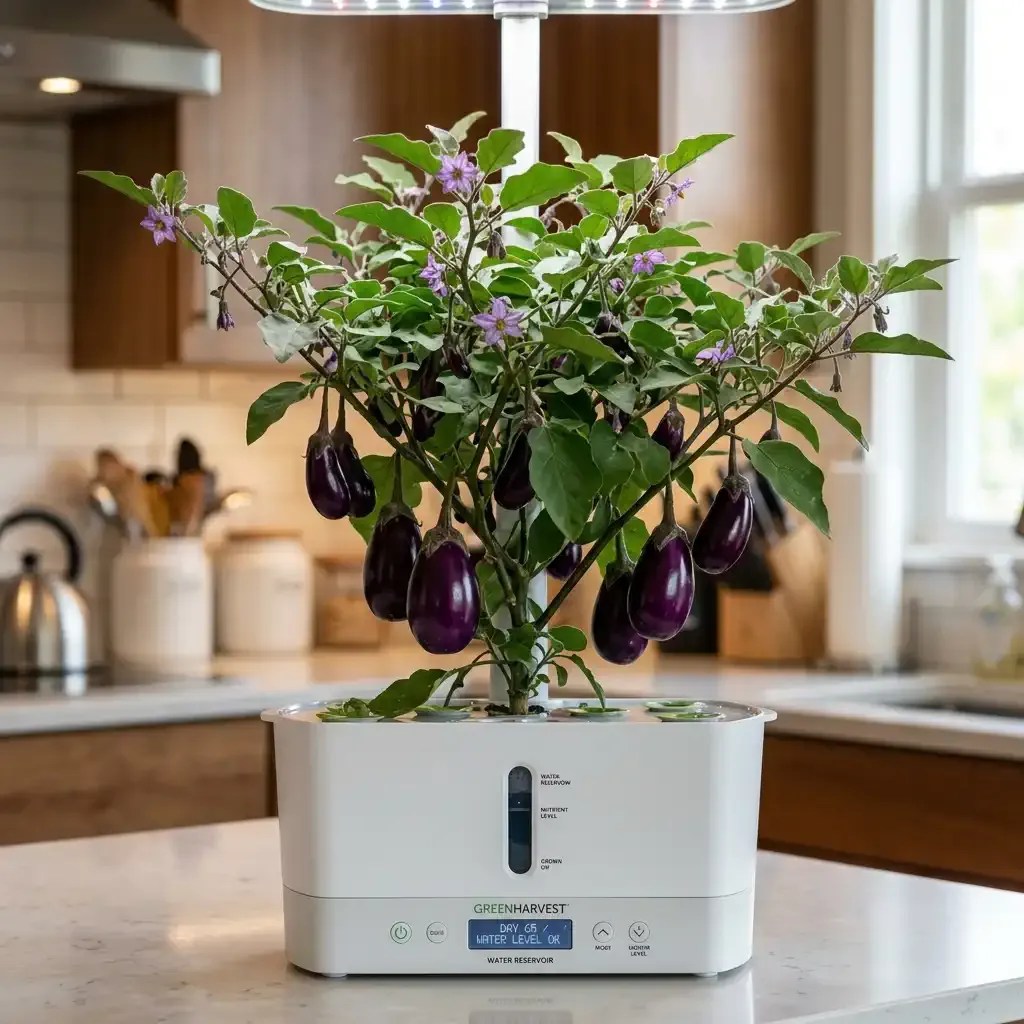
Miniature eggplants like Patio Baby Eggplant SeedsView on Amazon produce bite-sized, tender purple fruits on dwarf bushes under 16 inches tall. Beyond their culinary utility, their violet blossoms make them standout ornamental centerpieces on a kitchen island.
Key Hydroponic Care Tips
- Support: While compact, clusters of developing eggplants can become heavy. Clip a wooden skewer to the main stem for extra balance.
- Nutrient & Light: Provide 15 to 16 hours of daily LED exposure and maintain 2.0–2.6 EC during fruiting.
- Pollination: Like tomatoes and peppers, give flower clusters a daily tap to ensure high fruit set.
With ‘Patio Baby’, hand-pollination is non-negotiable. I got zero eggplants on my first attempt until I started vibrating the flower stems daily with a clean electric toothbrush, the puff of pollen released is clearly visible and almost every flower set fruit after that.
6. Dwarf Curly Kale (‘Dwarf Blue Curled Scotch’)
For a continuous supply of nutrient-dense greens for smoothies and salads, dwarf curly kale outperforms standard field varieties. Growing Blue Scotch Curled Kale SeedsView on Amazon produces tight, crinkled rosettes that stay compact and low to the grow deck.
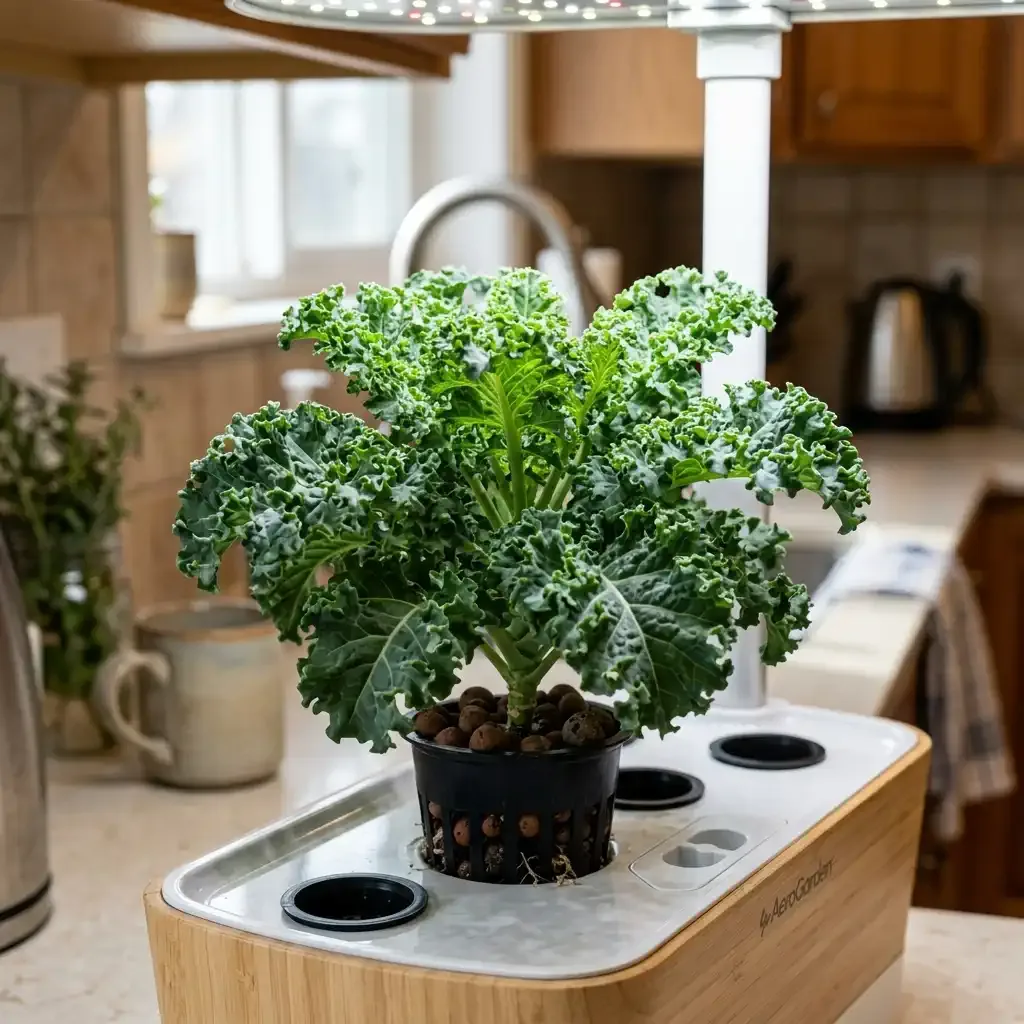
Dwarf curly kale grows best with a target of 1.4–1.8 EC and a stable 5.8–6.3 pH. Because kale prefers cooler ambient temperatures (60°F–70°F), it does best on countertops placed away from stoves or direct appliance heat.
To get the most out of your plant, use a ‘cut-and-come-again’ harvest strategy: pluck the outer, lowest leaves first, leaving the central bud intact. This allows the plant to continuously push out new foliage, giving you weekly harvest windows from the same pod.
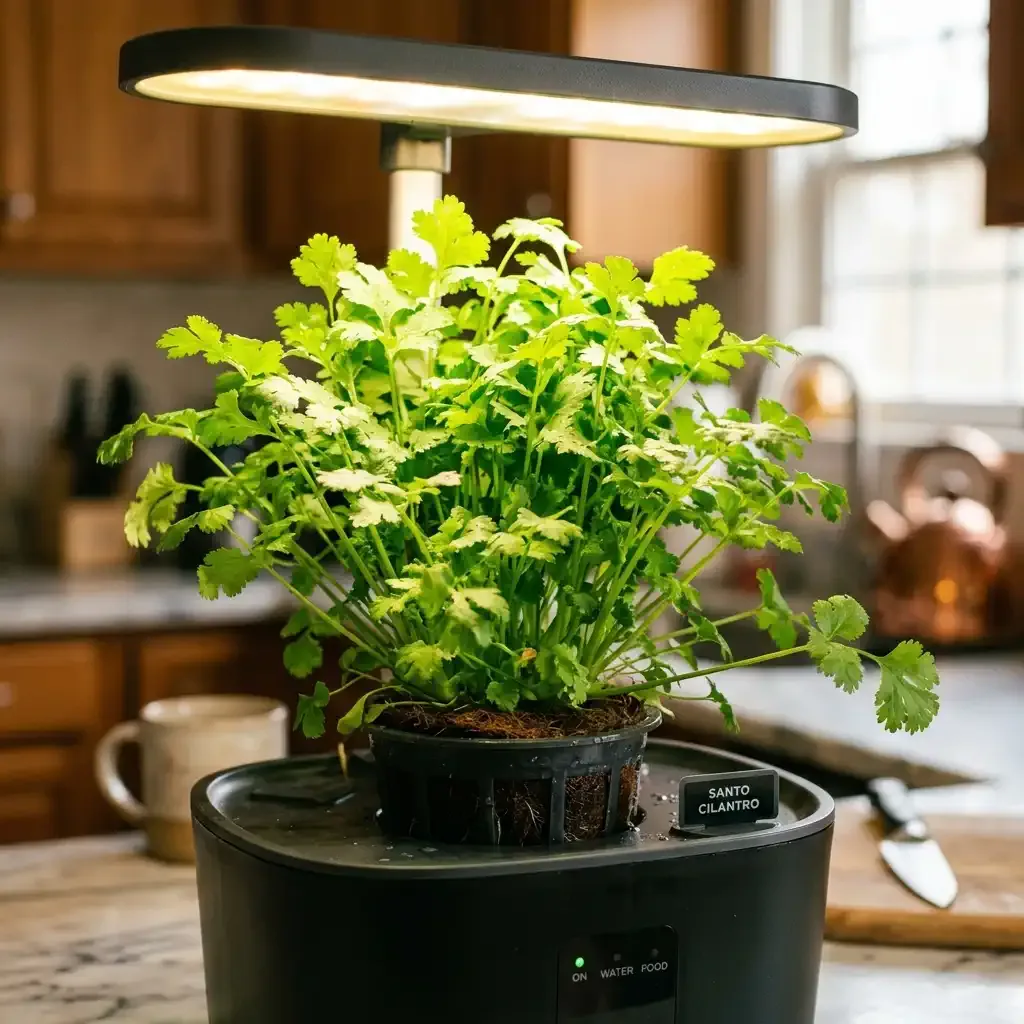
7. Bush Cilantro (‘Santo’ or ‘Calypso’)
Cilantro is notoriously prone to bolting (going to seed prematurely) in warm indoor environments. Slow-bolt bush varieties like ‘Santo’ (which you can grow from Santo Cilantro SeedsView on Amazon) hold their warm-season, leafy vegetative foliage longer under 14-hour LED cycles.
Key Hydroponic Care Tips
- Succession Planting: Sow 2 or 3 new seed pods every month so you always have fresh cilantro ready as older pods mature.
- Root Hygiene: Cilantro roots appreciate high dissolved oxygen. Ensure your countertop pump or bubbler runs cleanly.
- EC/pH: Keep EC low to moderate (1.2–1.6 EC) and monitor pH weekly with a reliable digital combo EC/pH penView on Amazon. Understanding how to troubleshoot and manage hydroponic pH levels keeps nutrients fully available to the roots.
Cilantro roots appreciate high dissolved oxygen and cool water. Since countertop reservoirs warm up quickly in summer, I’ve had to add ice cubes to the water on hot afternoons to keep the root zone cool and prevent the plant from flowering prematurely.
How to Avoid the 3 Biggest Countertop Hydroponic Mistakes
1. Mixing Incompatible EC Needs in One Reservoir
If you plant high-EC micro-tomatoes alongside low-EC lettuce or basil in the same shared basin, one crop will suffer. Either the herbs will suffer nutrient burn or the tomatoes will drop their blossoms from under-fertilization. Group your crops by feeding intensity:
- Grow System A (Leafy/Herb Basin): Basil, Cilantro, Kale, Lettuce (1.2–1.6 EC).
- Grow System B (Fruiting Basin): Micro-Tomatoes, Peppers, Eggplant (2.0–2.6 EC).
2. Letting Roots Clog the Submersible Pump
Small countertop units have compact water basins. By week six, healthy root systems can interlock into a solid mat and obstruct the pump intake. Once every 30 days, lift the grow deck, inspect the root mass and use clean rubbing alcoholView on Amazon-sterilized pruning shears to trim away any dark or overly long roots near the pump grill.
3. Ignoring Light Distance as Plants Mature
Most countertop systems feature height-adjustable LED arms. Keep the diodes 2 to 3 inches above the canopy. If the light is too high above seedlings, stems will stretch and weaken; if left touching mature leaves, the LED heat will scorch leaf tips.
Recommended Countertop Setup & Essentials
To get the most out of dwarf varieties, combine a reliable countertop hydroponic garden with clean, sediment-free hydroponic nutrients and root protection:
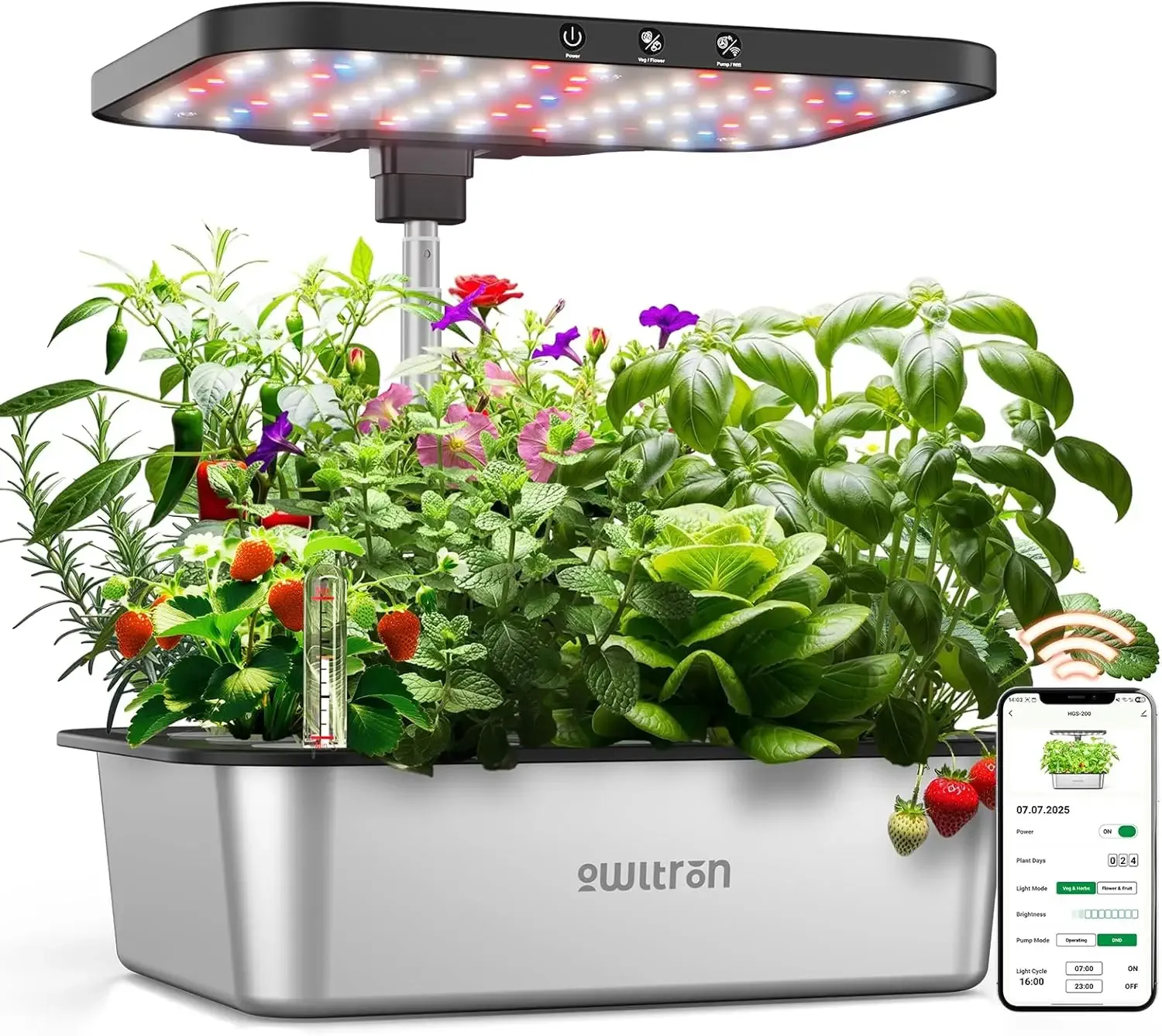
Owltron 15-Pods Smart Hydroponics Growing System
A spacious 15-pod countertop system featuring an adjustable light arm that extends up to 30 inches tall, preventing leaf burn on taller dwarf crops like peppers and eggplants. While the high light clearance is a major advantage, some users report that the smart app companion setup can be occasionally buggy.
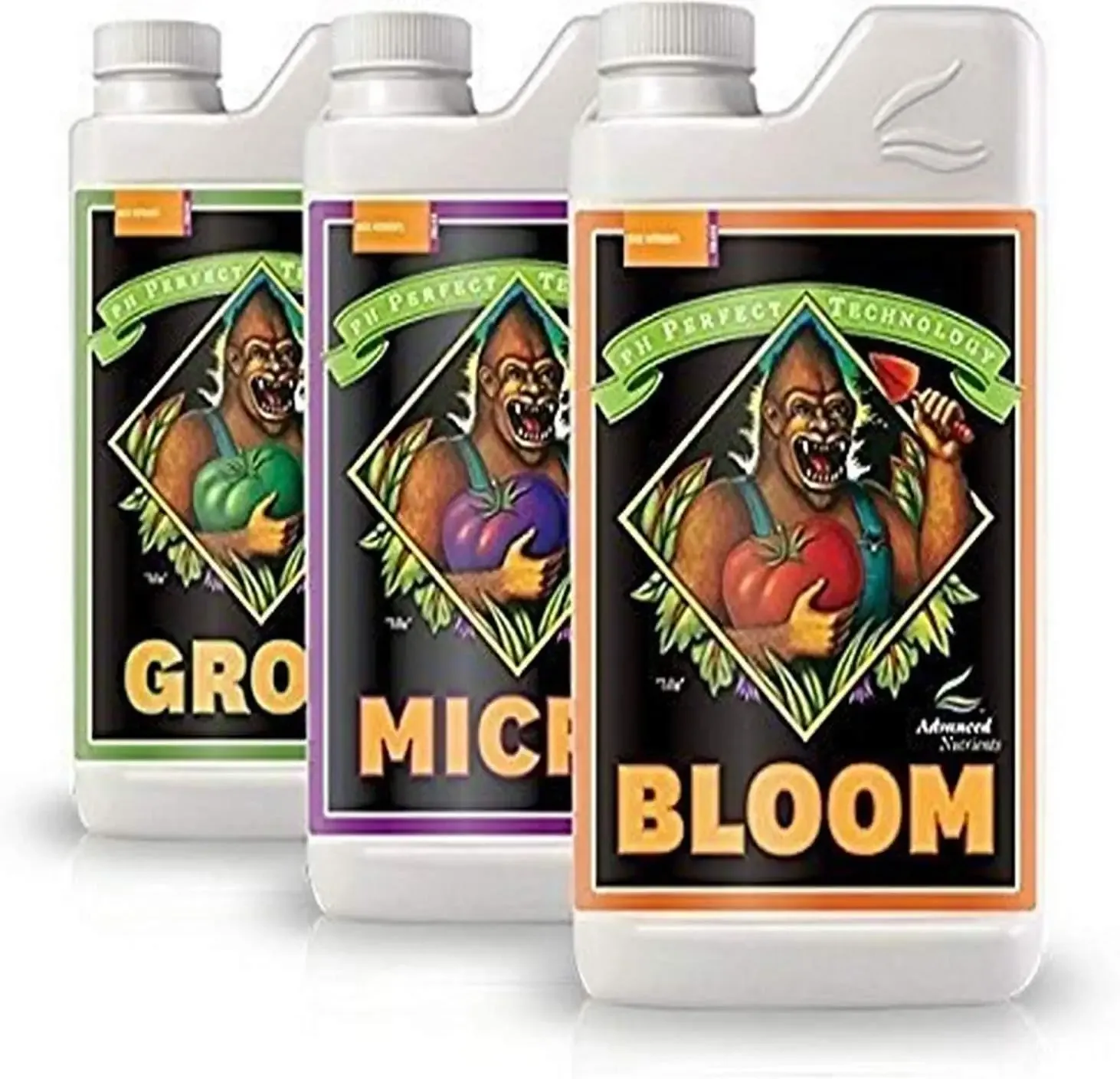
General Hydroponics Flora Series (3-Part Nutrient System)
The industry-standard 3-part liquid fertilizer that allows you to precisely dial in vegetative nitrogen or fruiting phosphorus. The main trade-off is that measuring three separate liquids with pipettes can become tedious compared to simple one-part powders.
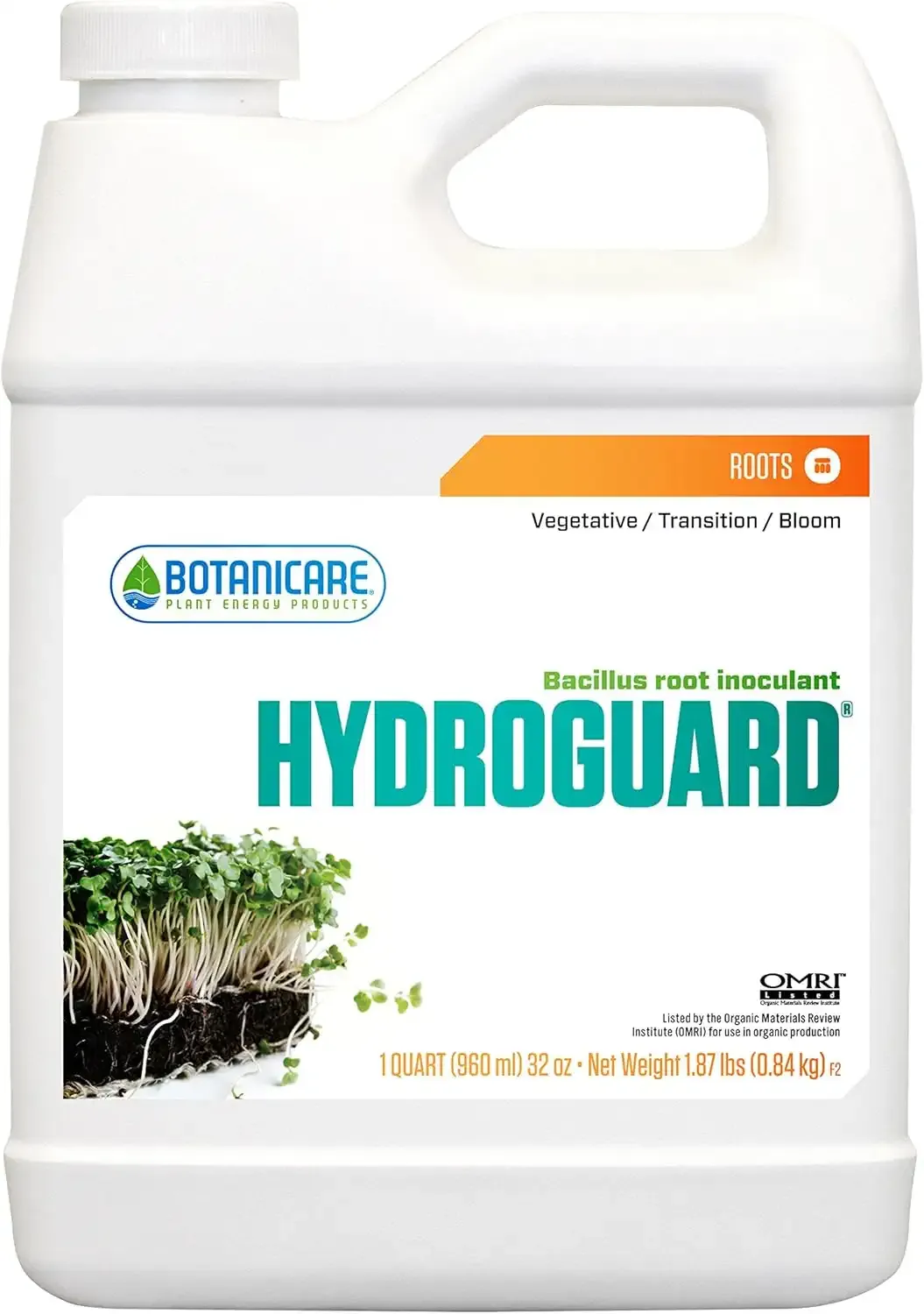
Botanicare Hydroguard Root Inoculant
Beneficial Bacillus microbes that protect small countertop reservoirs from root rot and slime, keeping roots bright white even in warm kitchens. Note that it is relatively expensive per ounce and has a strict one-year shelf life after opening.
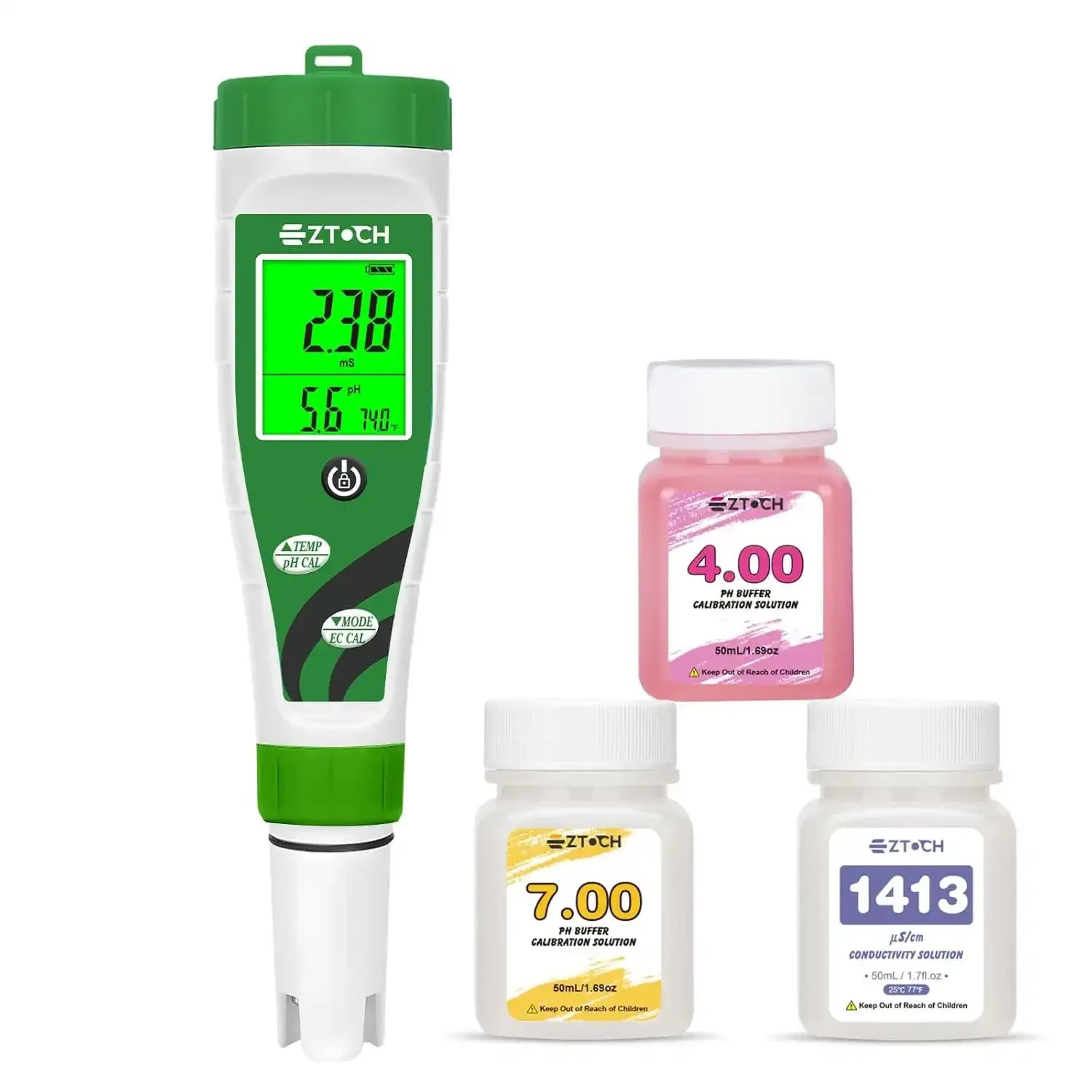
Digital pH and EC Combo Meter Pen
A handy 2-in-1 digital meter that reads both pH levels and electrical conductivity (EC/PPM) in seconds. While it makes nutrient management incredibly simple and accurate, remember to calibrate it monthly with standard reference solutions to keep it from drifting.
Final Thoughts
Countertop foodscaping proves that you don’t need a dedicated greenhouse or a sprawling backyard to grow fresh, flavorful produce. By selecting true dwarf varieties and matching crops with similar nutrient needs, your kitchen counter can deliver fresh micro-tomatoes, peppers and herbs 365 days a year.
Looking for more indoor gardening guides? Check out our complete breakdowns on the Best Hydroponic Systems for Apartments and How to Germinate Seeds for Hydroponics Without Rockwool.
Frequently Asked Questions
Can I grow standard outdoor vegetable seeds in a countertop hydroponic system?
No. Standard indeterminate tomatoes, peppers and cucumbers grow several feet tall and will quickly collide with your countertop grow lights or overwhelm the water reservoir. Always select 'dwarf', 'patio' or 'micro-bush' varieties bred specifically for compact spaces.
How much light do dwarf fruiting vegetables need on a kitchen counter?
Dwarf fruiting vegetables like micro-tomatoes and tabletop peppers require 14 to 16 hours of bright LED light daily. Most all-in-one countertop hydroponic systems have built-in timers that automate this cycle.
Do I need to hand-pollinate indoor dwarf vegetables?
Yes. Because kitchen counters lack wind and natural pollinators like bees, you will need to gently shake the flower clusters daily or use an electric toothbrush or soft brush against the blossom stems to transfer pollen and set fruit.
Can I grow leafy herbs and fruiting vegetables in the same hydroponic reservoir?
It is possible during early vegetative growth, but challenging once fruiting begins. Fruiting crops (tomatoes, peppers) require higher potassium and phosphorus (bloom nutrients) and higher EC levels than leafy greens like basil or lettuce. Pairing crops with similar nutrient demands yields better results.
Our Amazon Storefront
Browse all our recommended tools & supplies
Everything we personally use and trust, hand-picked for gardeners like you.

I've been running DWC and Kratky systems for several years and write about what actually works, not textbook theory. Follow along for honest product reviews, practical guides and real grow results.