As an Amazon Associate, I earn from qualifying purchases. Some links in this article are affiliate links, if you buy through them I may earn a small commission at no extra cost to you.
Quick Summary
- Heat Stress: Drowning roots during extreme heat does not help; plants shut down transpiration in extreme temperatures.
- Cool the Environment: Focus on reducing temperature using aluminized shade cloths and light misting.
- Frequent Sips: Give plants small, frequent waterings early in the morning and late in the evening.
- Reduce Fertilizer: Dilute nutrient solution strength during heat domes to avoid leaf burn from rapid evaporation.
- Root Protection: Insulate containers and ground beds to shield root zones from high heat.
Standard irrigation calculations work well under moderate conditions: calculate weekly water needs, check rainfall, and deliver the remainder through drip lines (as detailed in our guide on planning a small vegetable garden from scratch). In typical 75°F–85°F weather, soil holds moisture and crops transpire predictably.
During prolonged heat waves above 95°F (35°C), this linear calculation fails. The limiting factor is rarely soil moisture volume; rather, it is whether plants can physiologically absorb and transpire water under severe atmospheric stress.
Why Excessive Water Fails Under Extreme Heat
Plants regulate canopy temperature via transpiration. Water vapor exits through open stomata on leaf undersides, cooling leaf tissue. This process requires a functional soil-to-leaf water column. When ambient air becomes excessively hot and dry (high Vapor Pressure Deficit, or VPD), transpiration exceeds root intake capacity. (For low-maintenance strategies during peak summer, review our 7 simple gardening tips for busy people).
We spent three brutal summers trying to out-water heat waves before realizing we were suffocating root zones. The bottleneck was not irrigation volume; it was the plants closing stomata to survive atmospheric stress.
To prevent desiccation, plants close stomata to conserve internal moisture. Transpiration halts, leaf temperature spikes, and root water uptake slows dramatically. Flooding dry-looking soil around stomata-closed plants creates an anaerobic zone around hot roots, suffocating root hairs and inviting pythium root rot.
At 100°F (38°C), saturating soil around heat-dormant roots accelerates root death.
Modifying the Canopy Microclimate
When plants enter survival mode, forcing water into the soil will not restore turgor. Instead, reduce thermal load on the foliage so leaves can reopen stomata safely:
1. Aluminized Shade Cloth
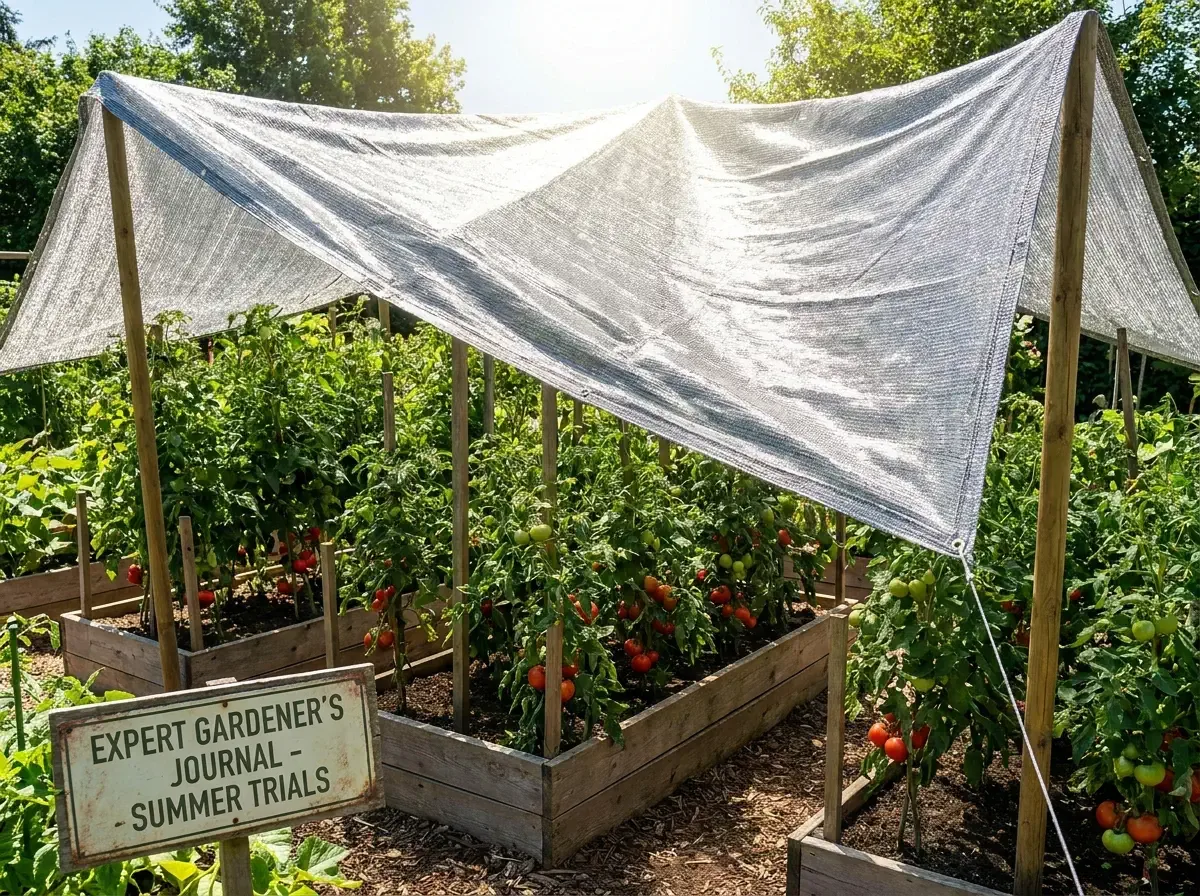
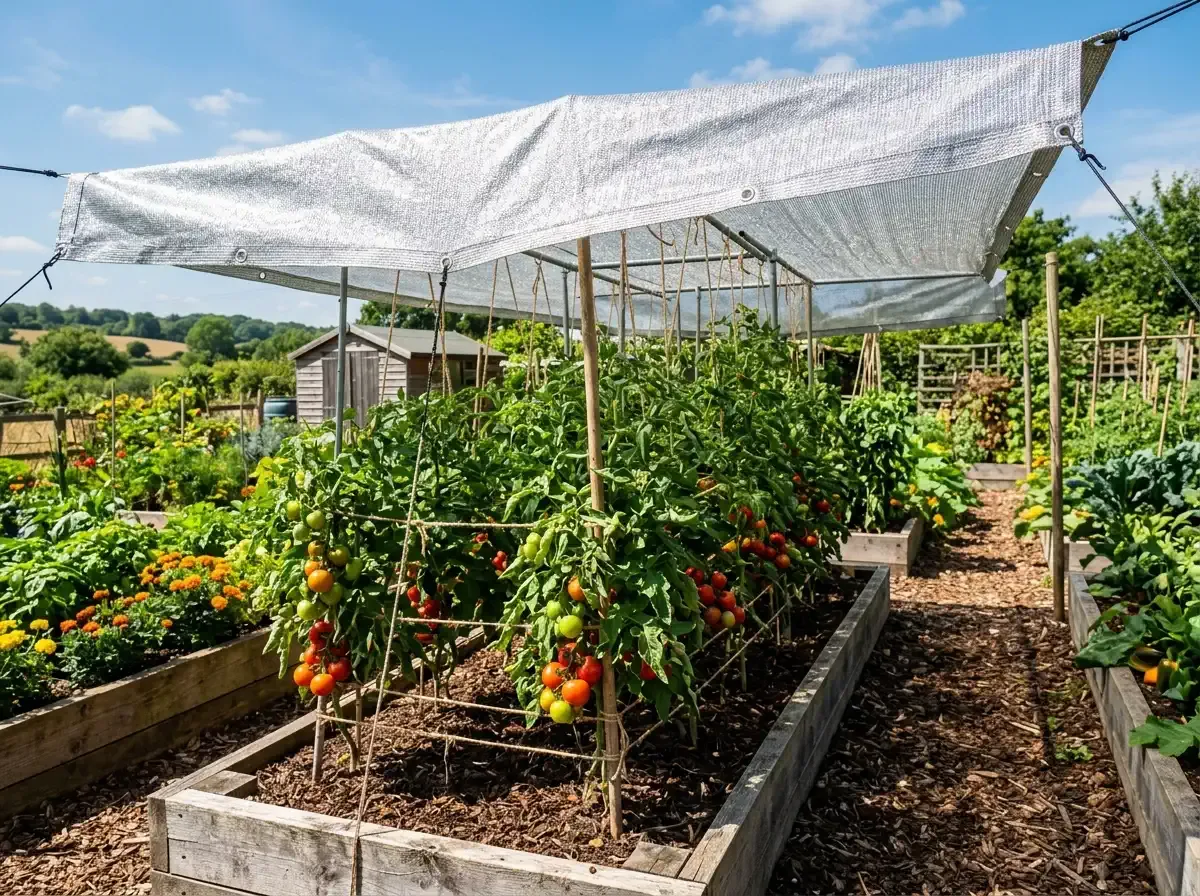
Standard black shade fabric absorbs radiant heat and radiates warmth downward onto foliage. Aluminized knitted fabrics (30%–40% block rate) reflect solar radiation upward, lowering canopy temperatures by up to 10°F without blocking the photosynthetically active radiation plants need. This approach functions like using row covers and frost cloths to stabilize winter microclimates.
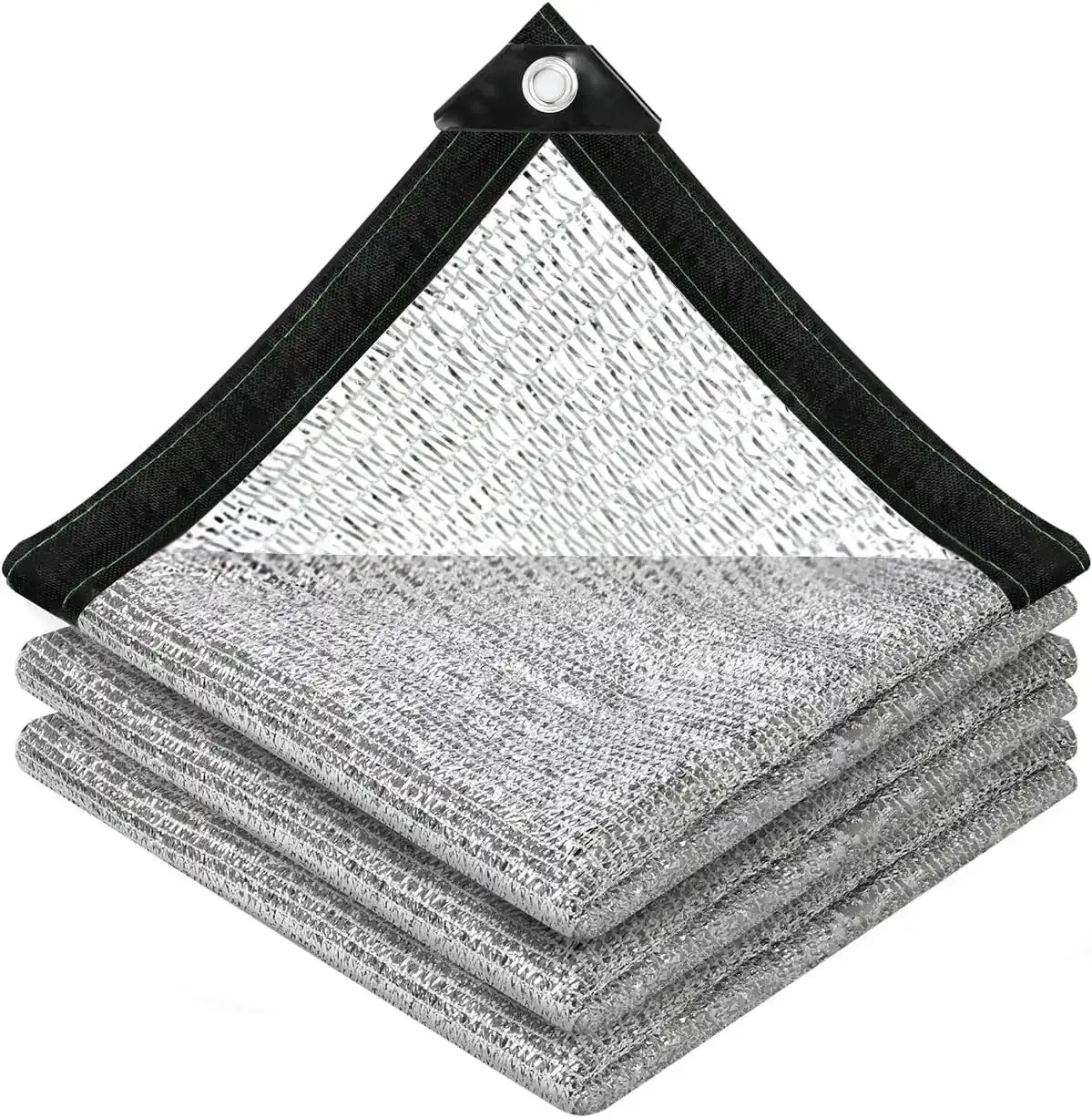
Aluminized 40% Shade Cloth
The gold standard for heat wave survival. Reflects radiant heat away from your plants while maintaining airflow and healthy light levels. Essential for tomatoes and peppers in high-VPD environments.
2. Evaporative Canopy Misting
Install overhead micro-misters operating on short 15-to-30-second bursts every 15 minutes during peak afternoon heat. The fine mist evaporates before reaching the soil, absorbing latent heat and humidifying the canopy boundary layer.
3. Pulsed, Short Irrigation Cycles
Replace long, single-soak waterings with brief pulses. Applying water for 2–3 minutes every few hours maintains capillary moisture in topsoil layers without submerging root zones or pooling hot water.
VPD Stress Thresholds
How heat and dry air force plants to stop drinking. Vapor Pressure Deficit (VPD) is the true measure of plant thirst and stress.
| Temperature | Humidity | VPD (kPa) | Plant Status |
|---|---|---|---|
77°F | 60% | 1.26 kPa | Happy & drinking normally |
86°F | 50% | 2.12 kPa | Starting to stress, slowing down |
95°F | 35% | 3.65 kPa | Emergency shut down |
100°F+ | 30% | 4.64 kPa | Completely locked (wilting) |
Source: Data based on standard Vapor Pressure Deficit (VPD) charts for C3 plants. Individual plant species may have slightly different stress thresholds depending on their native climate and health.
Reducing Fertilizer Concentration During Heat Stress
If you fertigate or inject liquid nutrients into drip lines, dilute concentrations during heat waves. (Consult our guide on how to choose the best hydroponic nutrients for baseline ratios). Fast-growing plants drink large volumes of dilute solution during temperate periods. Under intense heat, water evaporates quickly from media and soil, causing fertilizer salts to concentrate rapidly.
High mineral salt concentrations in dry root zones draw moisture out of roots via reverse osmosis, causing severe tip burn. Reduce feed concentration by 20%–30% during heat domes. Providing dilute, easily absorbed water keeps roots hydrated without risking osmotic shock.
Editor’s Note: Parts of this guide were structured and optimized with the assistance of AI, then thoroughly reviewed, edited and expanded with first-hand growing experience by our author Raymond to ensure practical, real-world accuracy.
Frequently Asked Questions
Why shouldn't I water my plants more during a heat wave?
Overwatering during extreme heat can drown roots. Stressed plants shut down their pores (stomata) and stop absorbing water, leading to root rot if the soil remains soggy.
Does shade cloth really help plants in a heat wave?
Yes, aluminized or knitted shade cloth blocks 30% to 50% of direct sun intensity, significantly lowering the ambient leaf temperature and soil temperature.
Our Amazon Storefront
Browse all our recommended tools & supplies
Everything we personally use and trust, hand-picked for gardeners like you.
I've been running DWC and Kratky systems for several years and write about what actually works, not textbook theory. Follow along for honest product reviews, practical guides and real grow results.