As an Amazon Associate, I earn from qualifying purchases. Some links in this article are affiliate links, if you buy through them I may earn a small commission at no extra cost to you.
Quick Summary
- Advanced Systems: Explore Aeroponics, NFT, Vertical, DFT and Hybrid setups for commercial-grade yields.
- Aeroponics: Suspend roots in mid-air and mist them at timed intervals for maximum oxygen exposure.
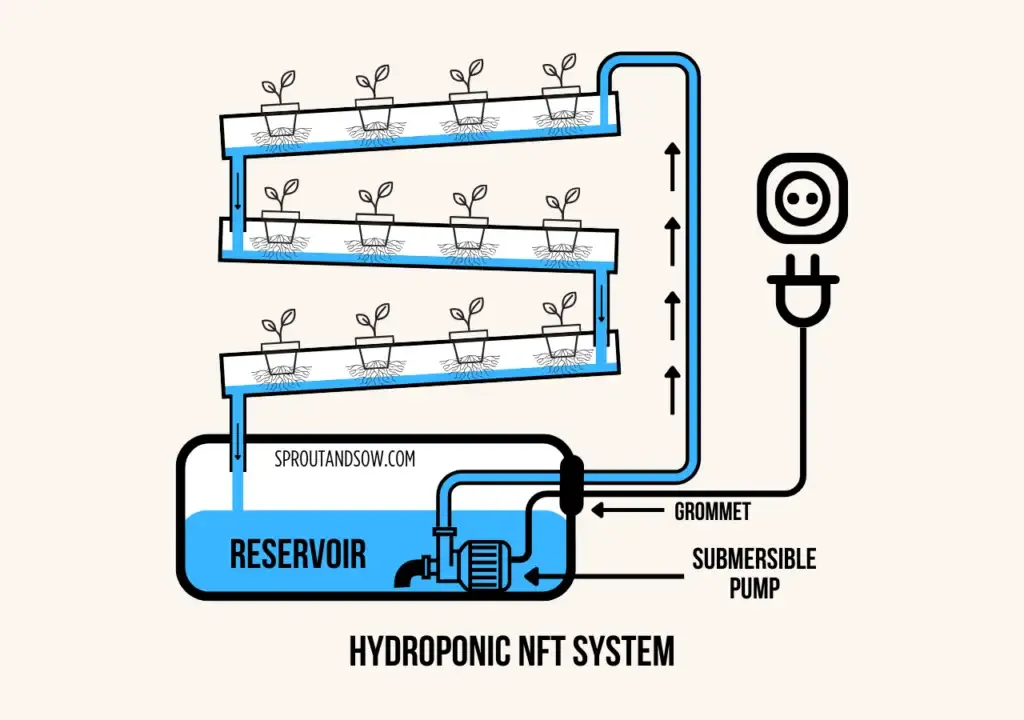
- NFT System: Run a continuous shallow stream of nutrient-rich water over plant roots to prevent waterlogging.
- DFT Method: Keep roots submerged in a deeper, highly oxygenated channel of nutrient solution.
- Environmental Control: Dial in specific pH, EC, temperature and humidity levels for each plant growth stage.
Once you understand basic passive Kratky and Deep Water Culture (DWC) buckets, stepping up to advanced commercial methods requires precise operational parameters. Systems such as Aeroponics, Nutrient Film Technique (NFT), and Deep Flow Technique (DFT) rely on calibrated pump timers, specific gully slopes, and controlled flow rates to balance root hydration with oxygenation.
What Makes a System “Advanced”?
Advanced hydroponics balances tighter control against lower margins for error. Increased control boosts biomass production and cuts crop turnaround times, but introduces mechanical dependencies. While a pump failure in a DWC reservoir buys hours of buffer time, an uncorrected stoppage in an NFT gully can wilt a lettuce crop within four hours. These systems demand dependable power, backup pumps, and daily monitoring.
The Five Techniques
Advanced Systems at a Glance
| System | Key Mechanism | Best For | Main Drawback |
|---|---|---|---|
| Aeroponics | Misted roots in enclosed chamber | Rapid vegetative growth | Clogged spray nozzles |
| NFT | Shallow flowing nutrient film | Fast-turnover leafy greens | Zero water buffer during pump loss |
| Vertical | Stacked towers or tiered channels | Maximizing floor footprint | Uneven canopy illumination |
| DFT | Deep flowing nutrient channel | Built-in water safety reserve | Susceptible to algae in warm rooms |
| Hybrid | Multi-system integration | Commercial scale operations | Complex plumbing troubleshooting |
Aeroponics
In aeroponic systems, bare roots hang inside sealed chambers where pressurized misters coat them on short, intermittent timer cycles. Direct exposure to atmospheric oxygen paired with atomized mineral salts accelerates nutrient absorption. Research sponsored by NASA demonstrated that aeroponics can accelerate plant growth rates by up to 45% compared to conventional hydroponic methods.
Key operational specs:
- Misting interval: 30 seconds on / 5 minutes off (adjusted for root mass and air humidity)
- Nutrient solution EC: 1.2 to 2.0 mS/cm for salad greens; 2.0 to 2.8 mS/cm for fruiting crops
- Solution pH: 5.5 to 6.0
- Droplet spectrum: 50 to 100 microns for optimal root absorption
Preventing mineral clogs in small spray orifices is the main maintenance task. Flush lines with clean water weekly and inspect spray patterns every 10 to 14 days.
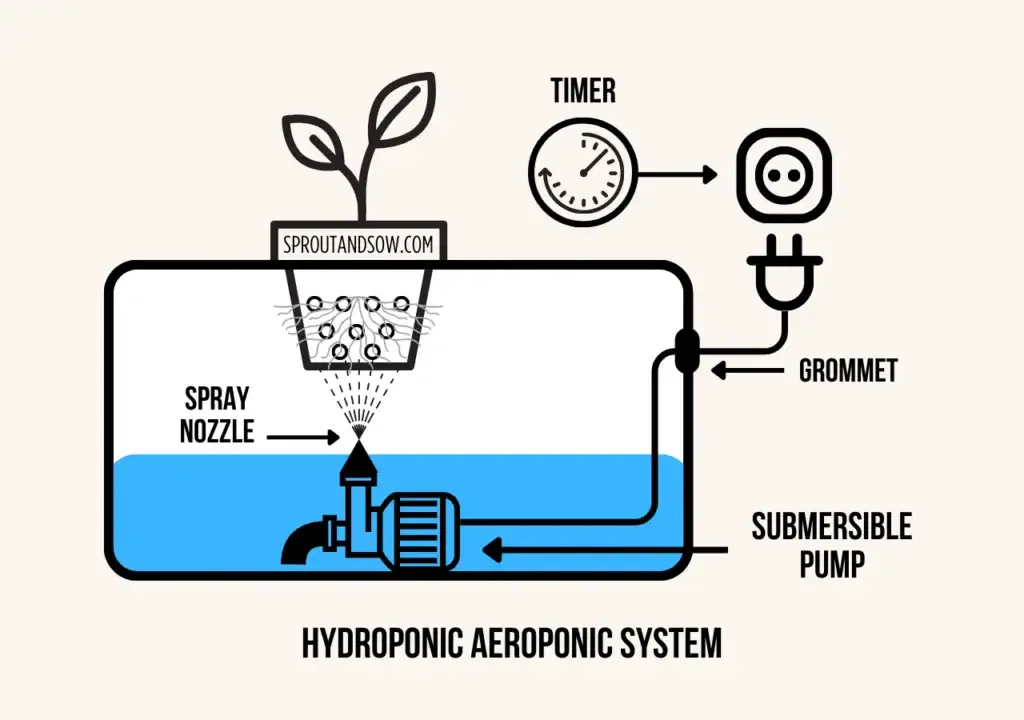
Deep Dive: Compare water efficiency and root oxygenation between high-performance setups in our breakdown of Aeroponics vs. Nutrient Film Technique (NFT).
Nutrient Film Technique (NFT)
NFT channels deliver a continuous, shallow stream (2 to 3 mm depth) of fertilizer solution down sloped, rigid PVC gullies. Roots spread across the gully base; lower roots absorb water and ions from the passing stream, while upper root hairs pull oxygen from the chamber air.
Key operational specs:
- Channel slope: 1:30 to 1:40 (roughly 1 inch of drop per 3 to 3.5 feet of channel)
- Flow rate: 0.5 to 1.0 liters per minute per channel
- EC for leafy greens: 1.6 to 2.2 mS/cm
- Solution pH: 6.0 to 6.5
Gully slope dictates film depth. Too shallow an angle creates standing puddles that suffocate roots; too steep an angle speeds water transit before plants can absorb minerals. Maintaining a 1:33 gradient (about 2 inches of drop across a 6-foot run) ensures steady film depth without pooling.
Because NFT gullies hold minimal standing water, backup pumps and power protection are critical safeguards against midday electrical trips.
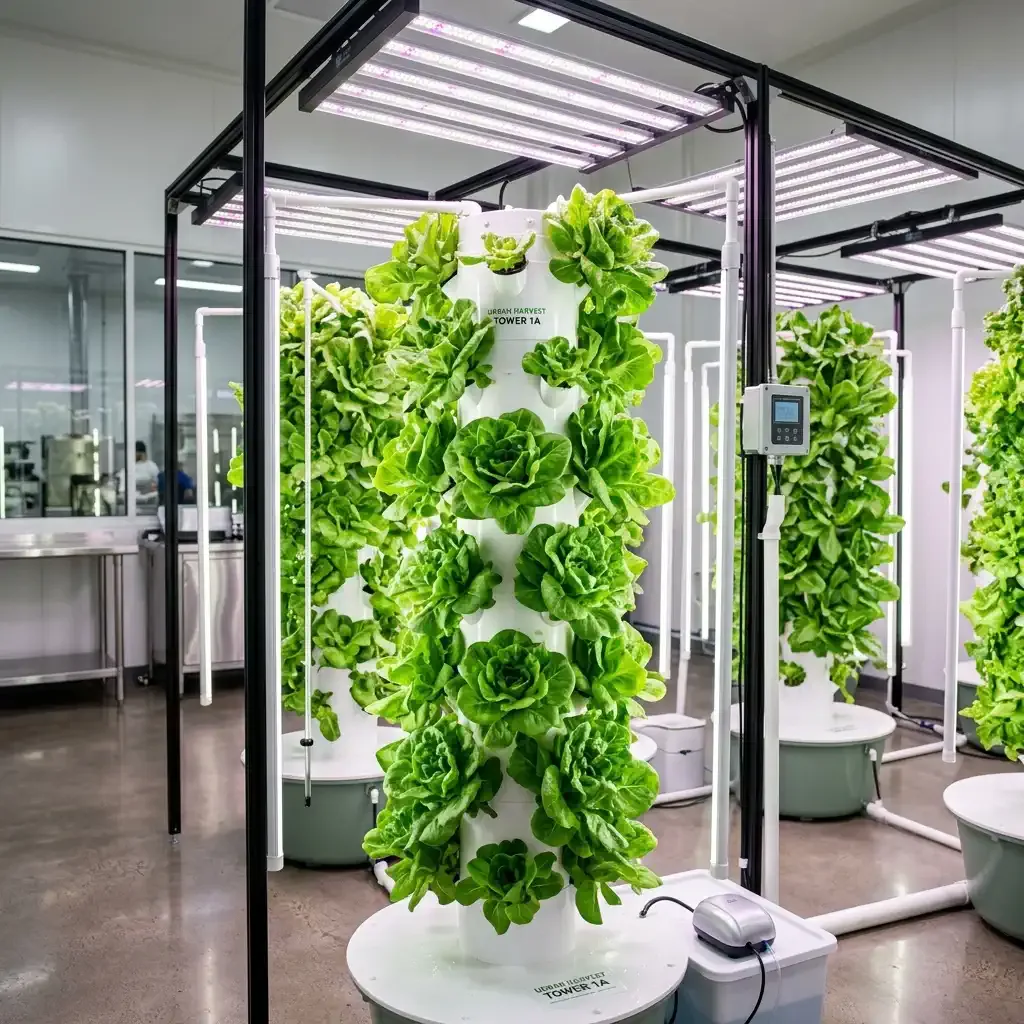
Vertical Hydroponics
Vertical towers and stacked A-frame racks multiply crop density per square foot of floor space. A four-foot column can accommodate 20 to 32 planting ports within the footprint of a single five-gallon container.
Key operational specs:
- Pump flow: Sized to turn over the full reservoir volume once per hour
- PPFD at canopy: 200 to 400 µmol/m²/s for herbs and greens
- EC for lettuce and culinary herbs: 1.4 to 2.0 mS/cm
- Solution pH: 5.8 to 6.3
Balancing light across vertical tiers requires planning. Lower tiers receive less indirect light than top ports. Use rotating tower bases or install vertical LED bar arrays to ensure uniform photosynthetic photon flux density across all tiers.
Deep Flow Technique (DFT)
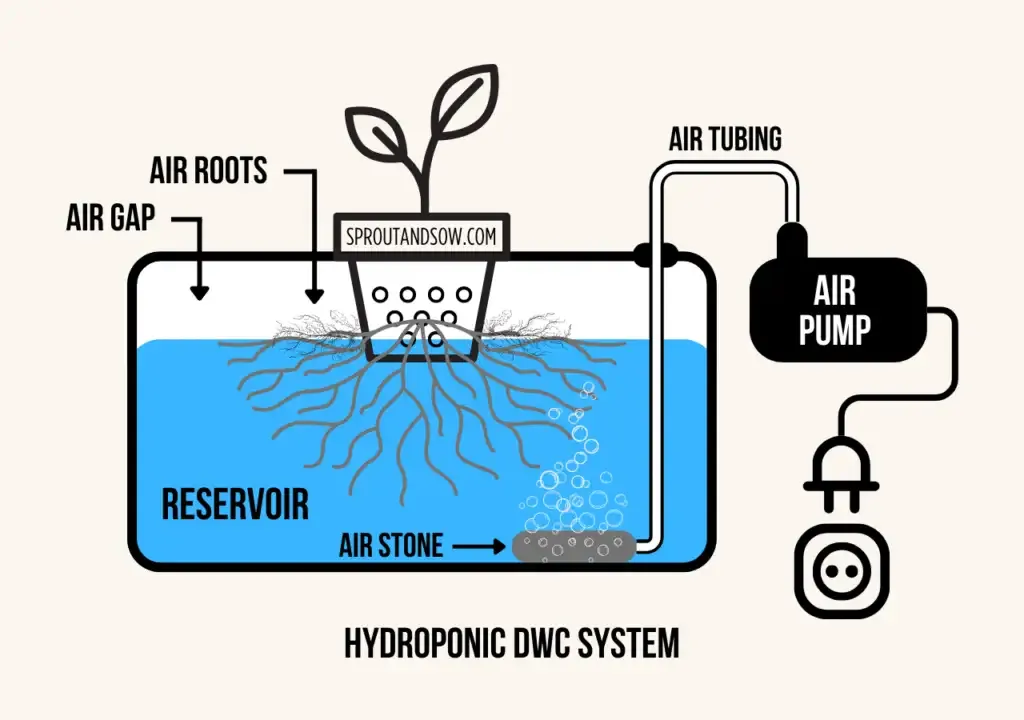
DFT bridges the gap between NFT channels and DWC reservoirs. Crops float on rafts or sit in net pots within troughs holding 1 to 3 inches of continuously circulating nutrient water. This shallow pool provides hours of safety buffer if a pump stops.
Key operational specs:
- Solution depth: 1 to 3 inches
- Flow rate: 1.0 to 2.0 liters per minute
- EC for leafy greens: 1.6 to 2.4 mS/cm
- Solution pH: 5.8 to 6.5
Because DFT troughs present broad water surface areas under grow lamps, they are prone to algae blooms if light penetrates gaps. Use opaque covers and run reservoir flushes every two weeks during warm seasons.
Algae Control: Learn how to light-proof channels and sanitize reservoirs in our guide to preventing algae growth in hydroponics.
Hybrid Hydroponic Systems
Hybrid systems combine features from multiple methods. Common configurations include vertical towers running NFT gravity flow or DFT troughs integrated with aeroponic misting manifolds.
Key operational specs: Calibrate settings to the most sensitive subsystem. When combining vertical columns with NFT flow, maintain the 0.5–1.0 L/min flow rate per line and install secondary manifolds to equalize pressure across tiers.
Before deploying hybrid setups, master each individual subsystem independently to simplify troubleshooting.
Pump Selection: Sizing hardware prevents pressure drops across complex manifolds. Read our guide on how to choose the right submersible pump for hydroponics for flow and head height calculations.
Equipment Selection
Advanced systems require reliable instrumentation and stable fertilizers:
pH and EC Monitoring
The Bluelab Combo MeterView on Amazon measures pH, conductivity, and solution temperature from a single console. In low-volume recirculating systems where values drift quickly, laboratory-grade sensors prevent testing discrepancies.
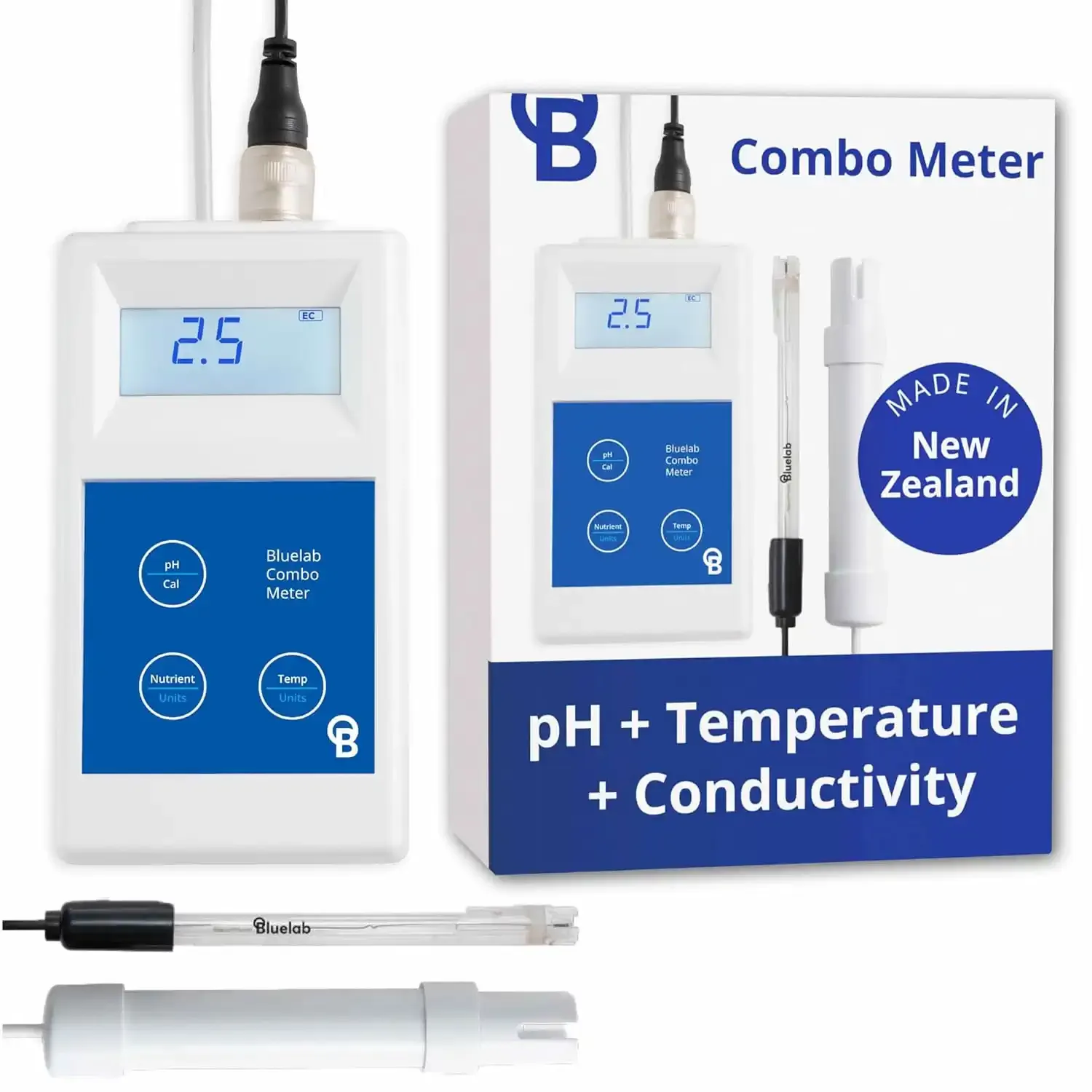
Bluelab Combo Meter
Measures pH, conductivity (EC) and temperature simultaneously. Waterproof probes, simple calibration and built to last through daily use in a commercial or serious home setup.
Nutrient Formulations
Multi-part concentrates allow growers to fine-tune nitrogen, phosphorus, and potassium ratios across growth phases. The General Hydroponics Flora SeriesView on Amazon provides predictable mineral solubility that prevents salt crusting inside narrow nozzles.
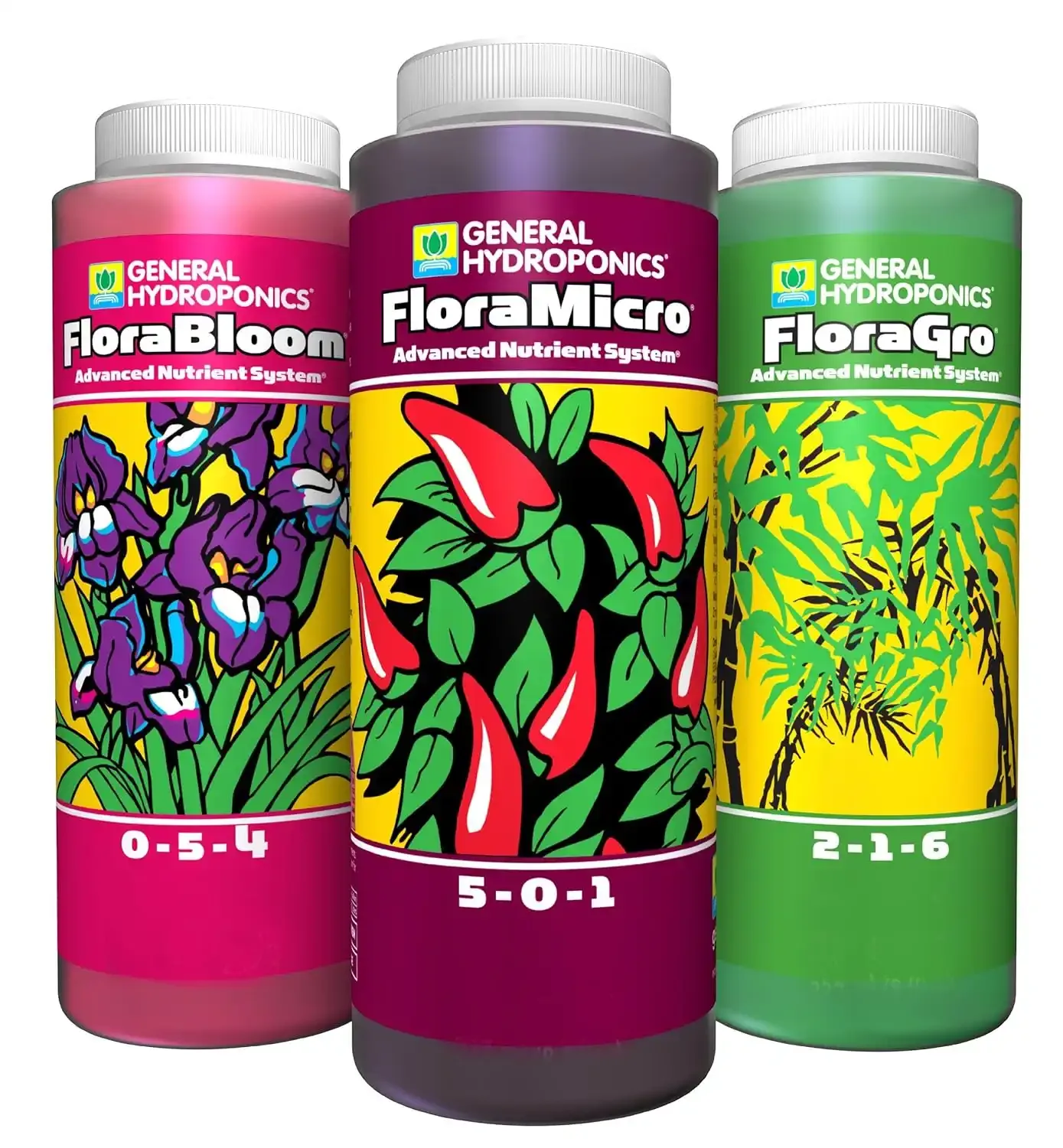
General Hydroponics Flora Series
Three-part nutrient system (FloraGro, FloraBloom, FloraMicro) for complete control across vegetative and flowering stages. Widely used and well-documented for most hydroponic techniques.
Commercial Aeroponic Towers
For an out-of-the-box vertical setup, the GX aeroponic towerView on Amazon provides integrated lighting, internal misting manifolds, and pre-drilled ports.
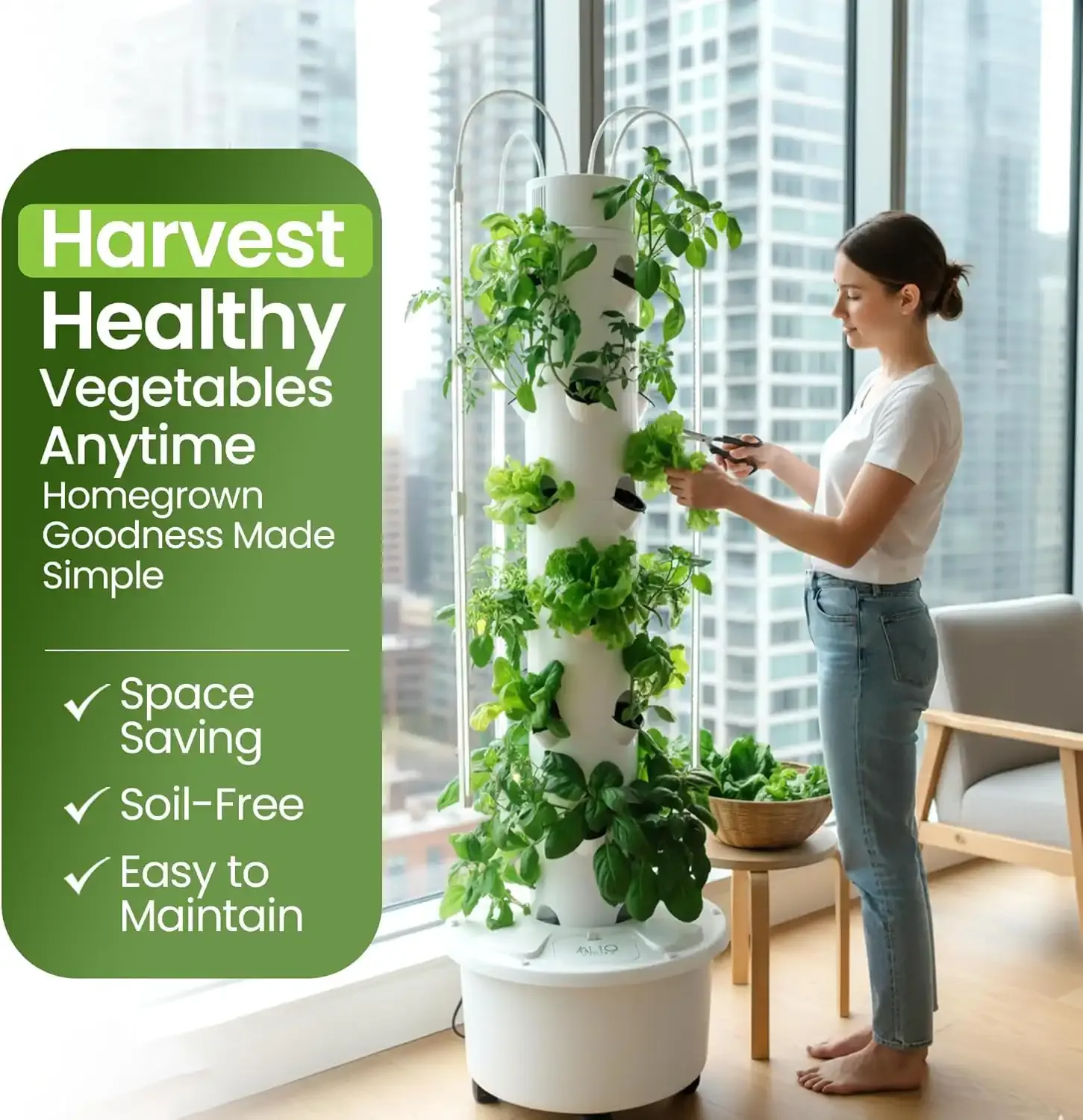
GX Hydroponic Tower
A fully contained 24-plant vertical system featuring built-in LED grow lights, an integrated water pump and solid leak-free construction. Includes everything needed to start growing with no monthly subscription required.
Lighting Calibration: Maximize growth rates by consulting our guide on maximizing yields with advanced hydroponic lighting solutions.
System Maintenance Protocols
- Reservoir Sizing: Maintain at least one hour of pump output in your reservoir buffer. A pump moving 100 gallons per hour needs at least a 20-to-30-gallon reservoir to maintain thermal and chemical stability.
- Redundancy: Keep a replacement pump and extra fittings on hand for emergency swaps.
- Testing Frequency: Measure pH and EC every 24 to 48 hours. A shift of 0.5 pH produces immediate nutrient lockout in small NFT channels.
- Cleaning Intervals: Clean lines and flush nozzles between crop cycles to remove root debris and mineral scale.
Supplemental CO₂ can accelerate growth once light intensity and nutrient delivery are balanced. Elevating CO₂ from atmospheric levels (~400 ppm) to 800–1,200 ppm in enclosed grow areas can boost photosynthesis by 20 to 30%, according to controlled environment agriculture research from Cornell University. Ensure lighting reaches at least 400 µmol/m²/s before supplementing CO₂.
Troubleshooting: For recovery protocols regarding pump drops, algae, and salt burns, see our guide on troubleshooting advanced hydroponic systems.
Frequently Asked Questions
Which advanced technique should I try first? Choose DFT for built-in buffer safety, or NFT for water and nutrient efficiency in compact spaces. DFT’s shallow pool preserves crops during power interruptions. Build high-pressure aeroponics only after mastering nutrient balancing in simpler systems.
How much does an aeroponics setup cost to build? A DIY low-pressure aeroponic system (reservoir, submersible pump, misting nozzles, cycle timer, and frame) costs roughly $80 to $150. Commercial vertical towers range from $200 to $500. Replacement misting tips cost $15 to $30 annually depending on water hardness.
Can I run CO₂ enrichment in an open room? Supplemental CO₂ requires a sealed or semi-enclosed grow tent with controlled exhaust dampers. In unsealed rooms, heavy CO₂ gas disperses before canopies can assimilate it.
What EC should I target when switching from vegetative to flowering stage? For fruiting crops, raise EC by 0.3 to 0.5 mS/cm during the transition to flowering. Tomatoes typically run 2.0 to 2.5 mS/cm during vegetative development and 2.5 to 3.5 mS/cm during heavy fruit set. Leafy greens remain between 1.4 and 2.2 mS/cm throughout.
Summary
Choose DFT for built-in root safety, or NFT for maximum packing density and rapid crop cycles. Before switching hardware, calibrate lighting and stabilize nutrient monitoring to achieve peak productivity from your current installation.
Editor’s Note: Parts of this guide were structured and optimized with the assistance of AI, then thoroughly reviewed, edited and expanded with first-hand growing experience by our author Raymond to ensure practical, real-world accuracy.
Frequently Asked Questions
What is the main advantage of aeroponics?
Aeroponics maximizes root oxygenation by suspending root systems in humid chambers and spraying them with atomized nutrient mist, accelerating metabolic rates beyond submerged hydroponic methods.
How does NFT prevent root suffocation?
Nutrient Film Technique (NFT) passes a shallow film of water across channel floors, bathing lower root tips while leaving upper root masses in air to absorb atmospheric oxygen.
What is the difference between DFT and DWC?
Deep Flow Technique (DFT) circulates nutrient water continuously through shallow troughs (1 to 3 inches deep), whereas Deep Water Culture (DWC) keeps roots immersed in static, bubbler-aerated buckets or tanks.
Do advanced hydroponic systems require more maintenance?
Advanced systems like aeroponics and NFT require tighter monitoring of solution electrical conductivity and pH. Because they maintain smaller buffer volumes, equipment failures or clogged emitters can stress crops quickly.
Our Amazon Storefront
Browse all our recommended tools & supplies
Everything we personally use and trust, hand-picked for gardeners like you.

I've been running DWC and Kratky systems for several years and write about what actually works, not textbook theory. Follow along for honest product reviews, practical guides and real grow results.