As an Amazon Associate, I earn from qualifying purchases. Some links in this article are affiliate links, if you buy through them I may earn a small commission at no extra cost to you.
Quick Summary
- Nutrient Imbalances: Test EC/PPM with a TDS meter and adjust N-P-K ratios by growth stage to fix yellowing, purple stems or browning edges.
- pH Fluctuations: Test daily with a reliable pH meter and correct with pH Up or Down; most crops need a stable 5.5–6.5 range.
- Root Rot: Keep reservoir temps at 65–68°F, run constant aeration and add beneficial microbes like Trichoderma to outcompete pathogens.
- Water Quality: Use RO water to strip excess minerals and change your reservoir every 1–2 weeks to avoid salt buildup and pathogen load.
- Temperature & Humidity: Hold air temps at 65–75°F and humidity between 50–70%; insulate or chill the reservoir if water temp exceeds 70°F.
- Light Burn & Inadequate Lighting: Set LED panels 12–18 inches away, rotate plants for even coverage and use timers for the correct light cycle.
- Pest Control: Hang sticky traps at canopy level, check leaf undersides daily and deploy insecticidal soap at the first sign of infestation.
- Pump & Flow Rate Issues: Inspect pumps weekly for clogs, match flow rate to your system type and keep a backup pump on the shelf.
A undetected pH swing can stall vegetative growth for weeks. In low-volume systems like aeroponics and NFT, a pump failure on a warm afternoon can desiccate crops within hours. Here are diagnostic steps and corrective actions for the eight most common failure points in advanced hydroponics.
1. Nutrient Imbalances
Because recirculating systems lack soil buffers, plants rapidly reveal imbalances through foliage changes:
- Visual Symptoms: Pale yellowing on older leaves indicates nitrogen deficiency. Purple petioles and stems suggest phosphorus starvation. Brown, scorched leaf margins point to potassium deficiency or salt toxicity.
- Corrective Steps:
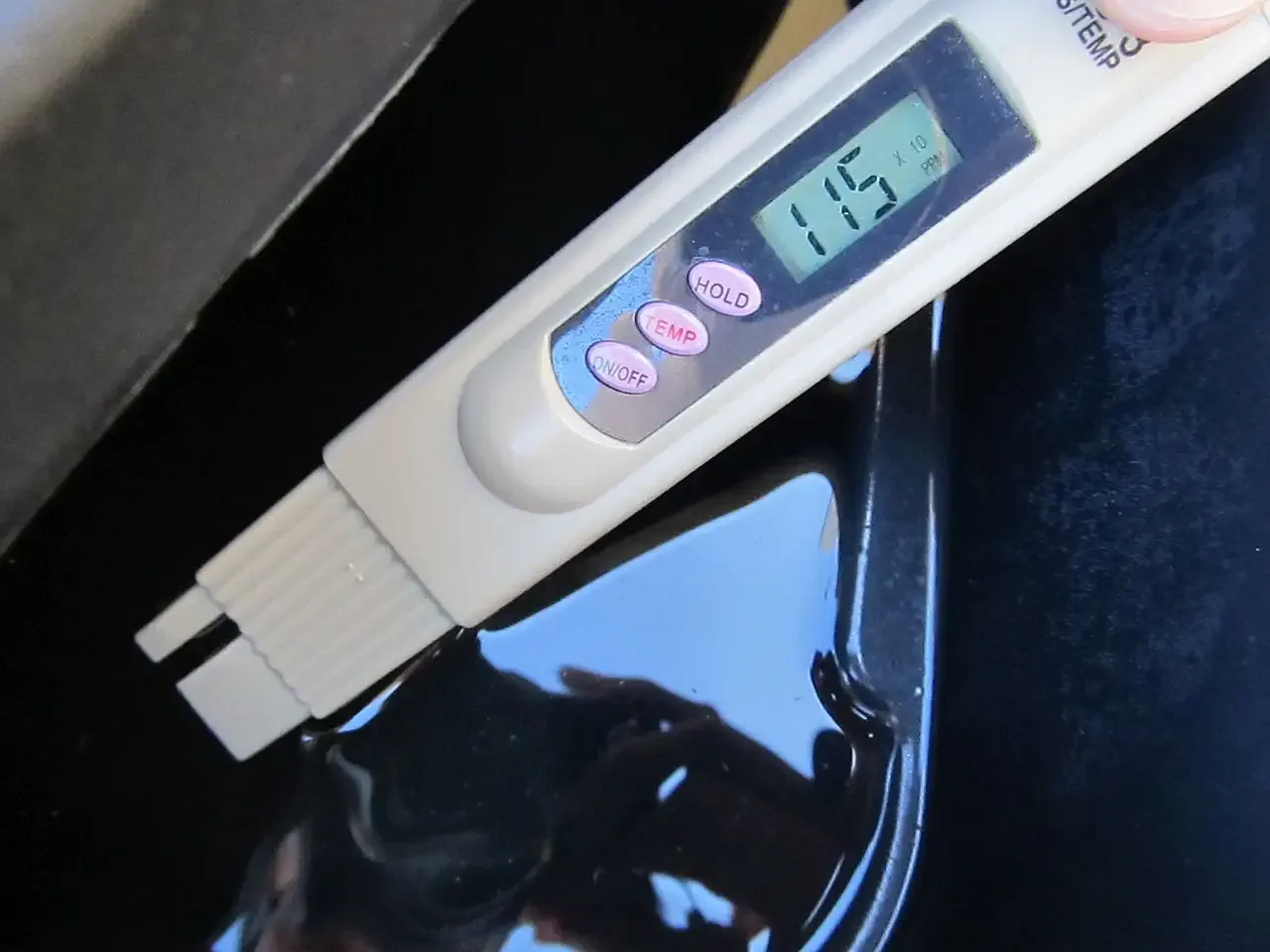
- Measure Solution Strength: Check the reservoir with a TDS meterView on Amazon to confirm electrical conductivity (EC) aligns with the plant’s current development stage.
- Adjust Elemental Ratios: Shift macro-nutrient balances when crops transition from vegetative foliage production to flowering and fruit set. Our guide on choosing the right hydroponic nutrients outlines N-P-K ratios across plant cycles.
- System Flushes: If salt crusts accumulate on root crowns, flush the plumbing with pH-balanced water for two hours before replenishing fresh nutrients.
2. pH Instability
Solution pH governs whether plant root cells can assimilate dissolved minerals.
- Visual Symptoms: Interveinal chlorosis, mottled leaf tissue, and stalled shoot expansion despite adequate fertilizer levels.
- Corrective Steps:
- Daily Measurement: Test reservoir solution daily using a digital pH meterView on Amazon. Maintain readings between 5.5 and 6.5. See our reference on managing hydroponic pH and EC for species tolerances.
- Gradual Corrections: Dilute pH Up (potassium hydroxide) or pH Down (phosphoric acid) in a cup of water before adding it to the reservoir to prevent localized chemical shock.
- Stabilize Water Temperatures: Warmer reservoir water drives out carbon dioxide, altering carbonate equilibrium and drifting pH upward.
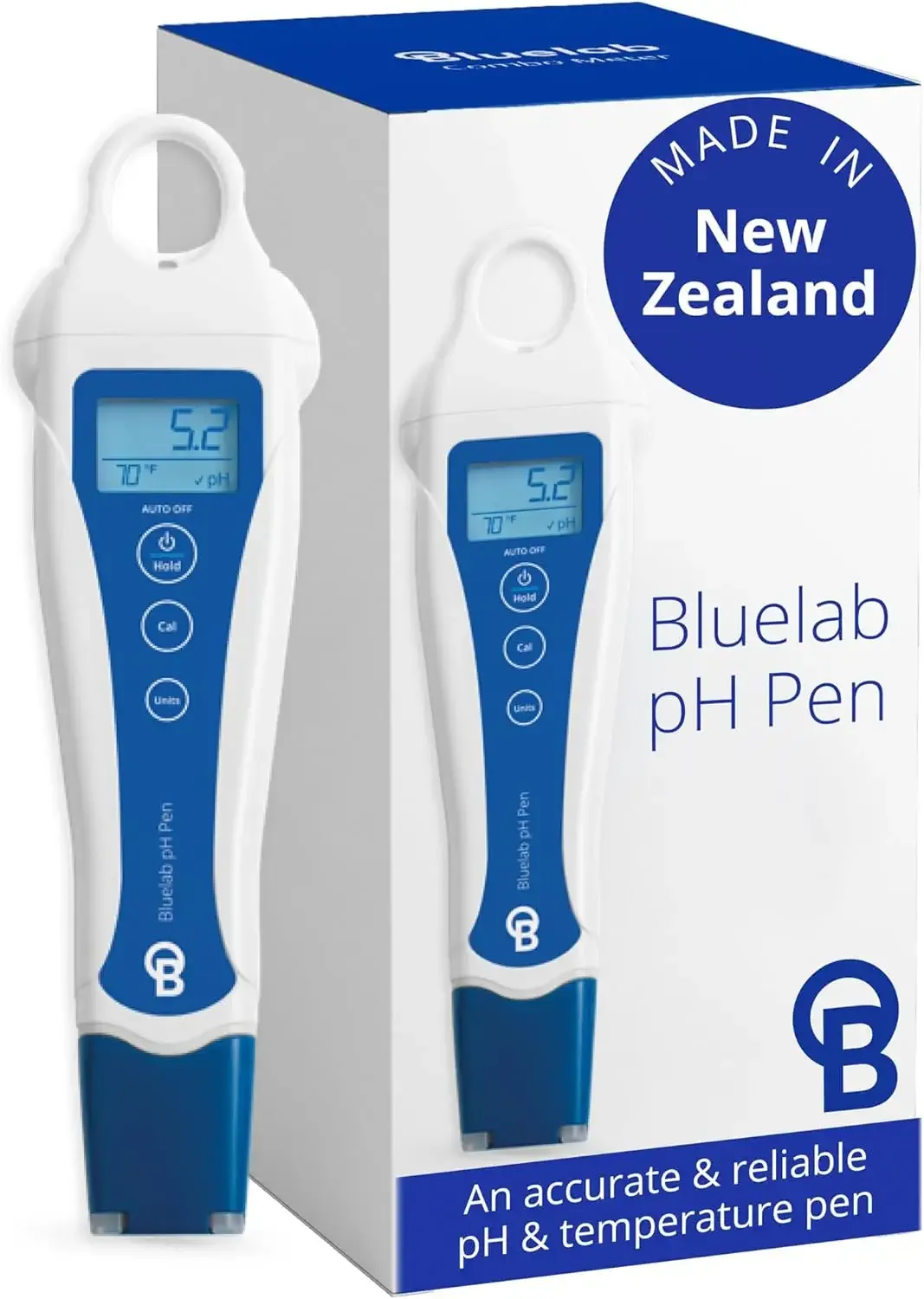
Bluelab pH Pen
This digital pH pen features automatic temperature compensation, double-junction probe design and a fully waterproof build. It is highly reliable for daily reservoir checks in advanced setups, preventing nutrient lockout before it can damage your crop.
3. Root Rot and Pathogens
Pythium and related water-borne oomycetes colonize oxygen-depleted root zones.
- Visual Symptoms: Roots turn dull brown, shed cortical tissue when touched, and release a sulfurous odor.
- Corrective Steps:
- Boost Dissolved Oxygen: Increase airflow using high-output air diffusers or a VIVOSUN air pump kitView on Amazon. Cold, aerated water suppresses anaerobic fungus. Learn sizing calculations in our guide on the importance of air pumping in hydroponics.
- System Sanitization: Wash contaminated reservoirs, manifolds, and net pots with 3% food-grade hydrogen peroxide between crop cycles.
- Biological Inoculants: Inoculate clean systems with beneficial fungi such as Trichoderma harzianum or Bacillus amyloliquefaciens to colonize root surfaces before pathogens establish.
4. Source Water Contamination
Municipal tap water often carries high background mineral loads (calcium, carbonates, and chlorine) that interfere with hydroponic recipes.
- Visual Symptoms: Persistent precipitation in the reservoir tank, unstable pH, and leaf tip necrosis.
- Corrective Steps:
- Reverse Osmosis (RO) Filtration: Install an RO membrane to strip starting water down to 0–20 PPM. Rebuild mineral profiles with calibrated calcium-magnesium supplements.
- Dechlorination: Off-gas municipal tap water for 24 hours or run it through activated carbon blocks to remove chloramines.
- Scheduled Reservoir Drains: Drain and refill reservoirs every 10 to 14 days rather than topping off indefinitely.
5. Thermal and Humidity Control
Extreme root-zone and canopy temperatures disrupt transpiration.
- Visual Symptoms: Leaf curling, downward cupping, tip burn, and slow nutrient transport.
- Corrective Steps:
- Ambient Target Ranges: Maintain grow room air temperatures between 65°F and 75°F (18°C to 24°C) with relative humidity between 55% and 65%.
- Reservoir Cooling: Keep nutrient water between 65°F and 68°F (18°C to 20°C). If ambient lights heat the tank above 70°F (21°C), insulate the tub or install a submersible water chillerView on Amazon.
6. Lighting Intensity and Canopy Coverage
High-intensity discharge lamps and commercial LED bars can scorch upper foliage if mounted too close.
- Visual Symptoms: Bleached yellow or white leaf crowns directly beneath light arrays, contrasted with leggy lower branches.
- Corrective Steps:
- Fixture Clearance: Mount high-output LEDs 12 to 18 inches above top leaf clusters.
- Even Canopy Rotation: Rotate individual pots or trays in vertical towers weekly to ensure balanced light exposure.
- Photoperiod Control: Use digital timers to ensure reliable 16-to-18-hour vegetative photoperiods. For light intensity targets, consult our guide on advanced hydroponic lighting solutions.
7. Integrated Pest Management
Enclosed indoor gardens offer hospitable environments for soft-bodied pests once introduced.
- Visual Symptoms: Stippled leaf surfaces from spider mites, sticky honeydew from aphids, or flying gnats near substrates.
- Corrective Steps:
- Physical Monitoring: Place yellow sticky trapsView on Amazon directly above the canopy to detect early insect arrivals.
- Targeted Treatments: Spray lower leaf undersides with potassium salts of fatty acids (insecticidal soapView on Amazon) at dusk or light-off periods to avoid burning wet leaves.
- Biological Controls: Release predatory mites (Phytoseiulus persimilis) or parasitic wasps (Encarsia formosa) in sealed grow areas.
8. Pump Failures and Flow Variations
Flow variations starve roots of moisture in NFT and aeroponic installations.
- Visual Symptoms: Sudden daytime canopy wilt while reservoir levels remain full.
- Corrective Steps:
- Impeller Maintenance: Disassemble submersible pump housing monthly to clear hair roots and mineral flakes from the magnetic rotor.
- Pressure Calibration: Balance manifold valves so each drip stake or misting tip receives uniform pressure. For equipment comparisons, review our analysis of advanced hydroponic techniques.
- Hardware Redundancy: Keep a spare submersible water pumpView on Amazon on site for rapid replacement during failures.
Summary
When troubleshooting advanced hydroponic issues, test reservoir pH and EC first. If both measurements align with species targets, verify water temperature and dissolved aeration. Systematically isolating water chemistry from mechanical hardware resolves cultivation bottlenecks reliably.
Editor’s Note: Parts of this guide were structured and optimized with the assistance of AI, then thoroughly reviewed, edited and expanded with first-hand growing experience by our author Raymond to ensure practical, real-world accuracy.
Frequently Asked Questions
How do I fix a clogged drip line in a hydroponic system?
Clear clogged drip lines by soaking emitters in a warm 50/50 white vinegar solution to dissolve calcium carbonate and phosphate crystals. Flush the main feed line with clean water before reattaching stakes.
What water temperature prevents hydroponic root diseases?
Maintain reservoir water temperatures between 65°F and 68°F (18°C to 20°C). Water exceeding 70°F (21°C) holds significantly less dissolved oxygen, creating anaerobic conditions where Pythium root rot thrives.
Our Amazon Storefront
Browse all our recommended tools & supplies
Everything we personally use and trust, hand-picked for gardeners like you.

I've been running DWC and Kratky systems for several years and write about what actually works, not textbook theory. Follow along for honest product reviews, practical guides and real grow results.