As an Amazon Associate, I earn from qualifying purchases. Some links in this article are affiliate links, if you buy through them I may earn a small commission at no extra cost to you.
Quick Summary
- Automate Watering: Use self-watering planters and hose timers with drip irrigation to remove the daily chore.
- Plant Smart: Choose low-maintenance, high-yield plants like herbs (rosemary, thyme) and cherry tomatoes.
- Weed Prevention: Apply 2–3 inches of organic mulch to block weeds and retain moisture.
- Save Time: Keep tools organized outside in a caddy and use slow-release granular fertilizer once a season.
- Quick Routine: Follow a focused 10-minute weekly checklist for checking water, pulling stray weeds and harvesting.
Growing fresh herbs and vegetables does not require spending an hour outdoors every afternoon. The key to maintaining a productive garden alongside a demanding work schedule is eliminating repetitive chores: automate your irrigation, mulch heavily against weeds, and select forgiving plant varieties.
If you are working with limited square footage or indoor window sills, start with our guide to the best low-light indoor plants for apartments.
1. Use Self-Watering Planters
Inconsistent watering is the primary reason container plants decline. Missing two hot summer days can permanently scorch shallow root systems. Self-watering planters include a sub-irrigation reservoir beneath the root zone. A capillary wicking chamber lets the potting mix draw moisture upward as needed, giving you days of leeway between refills.
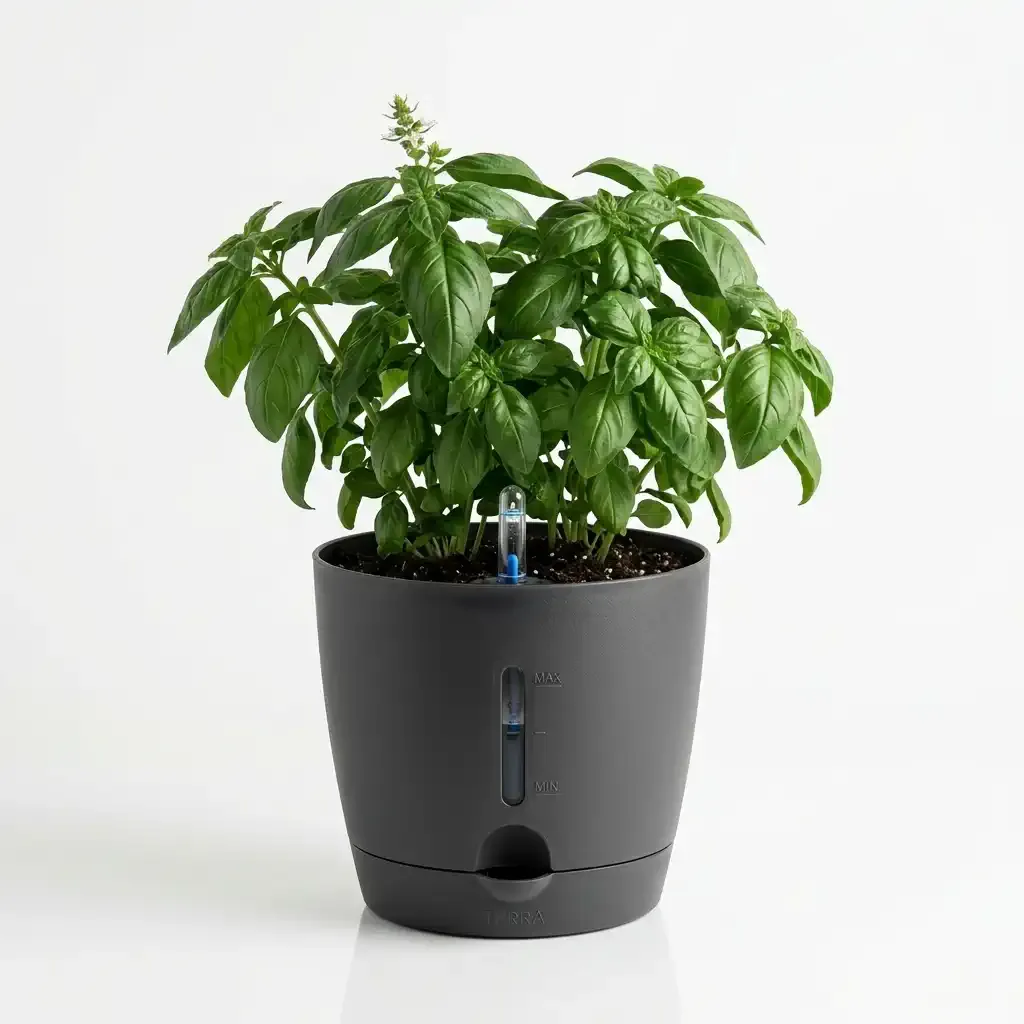
Self-Watering Planters with Water Level Indicator
Modern decorative planters with a deep reservoir and water level indicator. Perfect for busy plant lovers who want thriving herbs and flowers with minimal effort.
2. Automate Watering With a Hose Timer
For raised garden beds or in-ground rows, a faucet timer eliminates daily hose hauling. Thread the timer onto your outdoor spigot, connect a 1/2-inch mainline drip hose with emitters, and schedule 20-minute morning watering sessions. Drip irrigation delivers water directly to the soil surface, cutting evaporation losses and keeping foliage dry to deter fungal leaf spots.
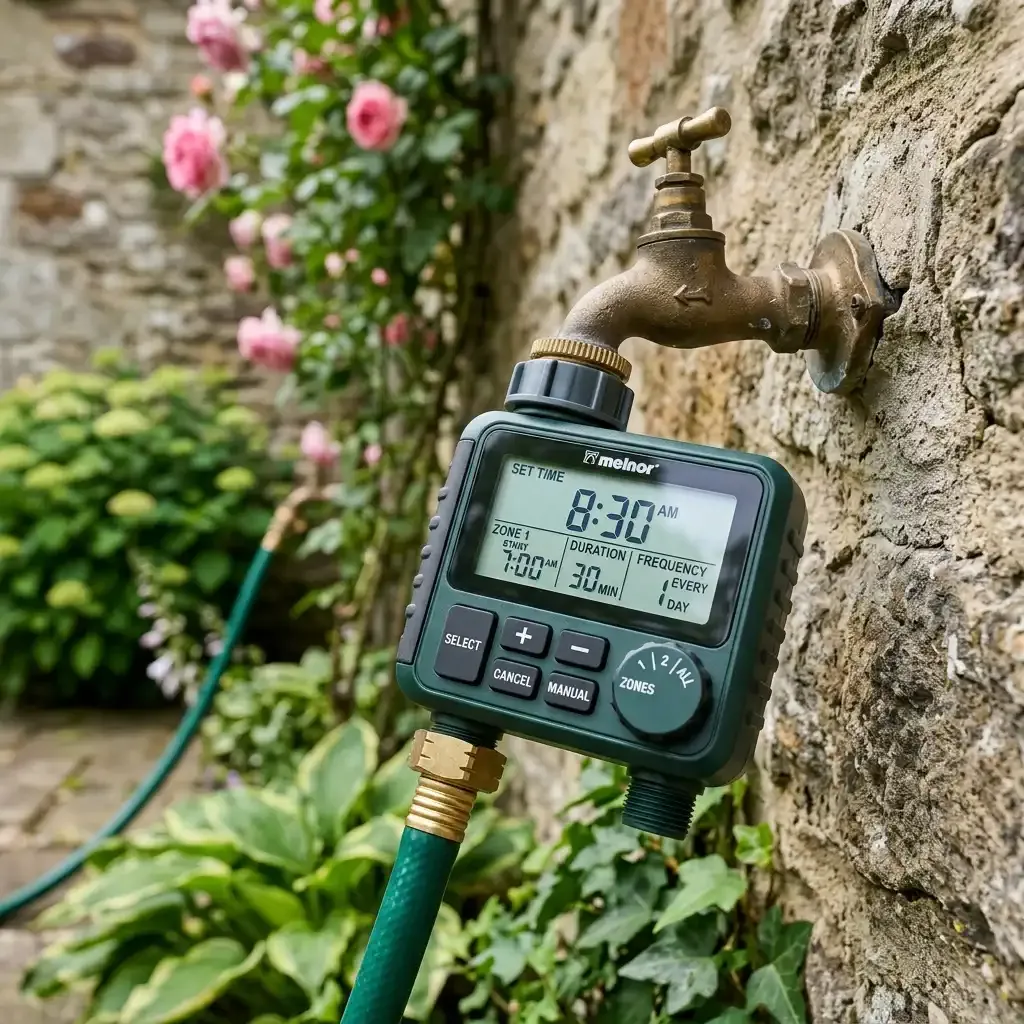
Digital Hose Faucet Timer
Easy-to-program digital timer that automates your watering schedule. Features rain delay and manual override for total control without the daily chore.
3. Choose Low-Maintenance, High-Yield Varieties
Some crops demand constant sucker pruning, trellising adjustments, and delicate pest monitoring. If time is short, select plants that tolerate neglect and keep producing:
- Herbs: Rosemary, thyme, and oregano thrive in lean soil and tolerate drying out between waterings.
- Vegetables: Determinate cherry tomatoes, radishes, and bush green beans produce heavy yields without complex pruning.
- Flowers: Zinnias and French marigolds establish quickly from seed and bloom continuously until frost.
| Plant Type | Low Maintenance (Plant and Harvest) | High Maintenance (Requires Active Training) |
|---|---|---|
| Herbs | Rosemary, Thyme, Oregano, Chives | Sweet Basil (needs frequent topping to prevent flowering) |
| Vegetables | Bush Cherry Tomatoes, Radishes, Green Beans | Indeterminate Beefsteak Tomatoes, Winter Squash |
| Flowers | Zinnias, Marigolds, Sunflowers | Hybrid Tea Roses, Delphiniums |
For indoor soil-free options, compare the best hydroponic plants for beginners and 10 easy herbs to grow indoors.
4. Suppress Weeds and Retain Moisture With Mulch
Spread 2–3 inches of clean straw, wood chips, or shredded leaves over every square foot of exposed soil. Mulch blocks sunlight from reaching dormant weed seeds in the topsoil and shields moisture from wind evaporation. For cold-season bed preservation, explore our winter gardening tips for beginners.
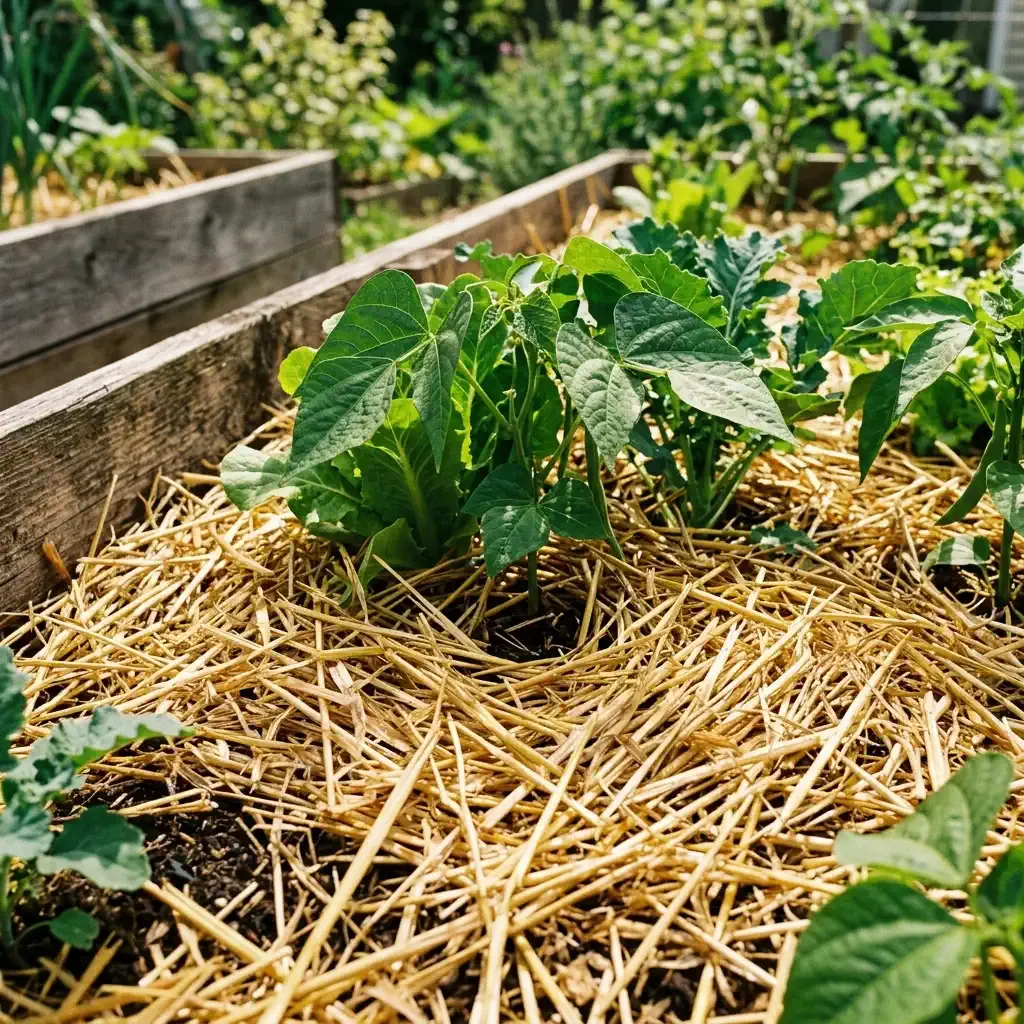
Organic Weed-Blocking Straw Mulch
Premium, clean straw mulch that suppresses weeds and retains soil moisture. 100% biodegradable and perfect for vegetable gardens and raised beds.
5. Store Tools Where You Use Them
Hunting for misplaced bypass pruners or trowels burns valuable gardening time. Keep your core hand tools in a sealed, weatherproof deck box or caddy positioned directly beside the garden beds.
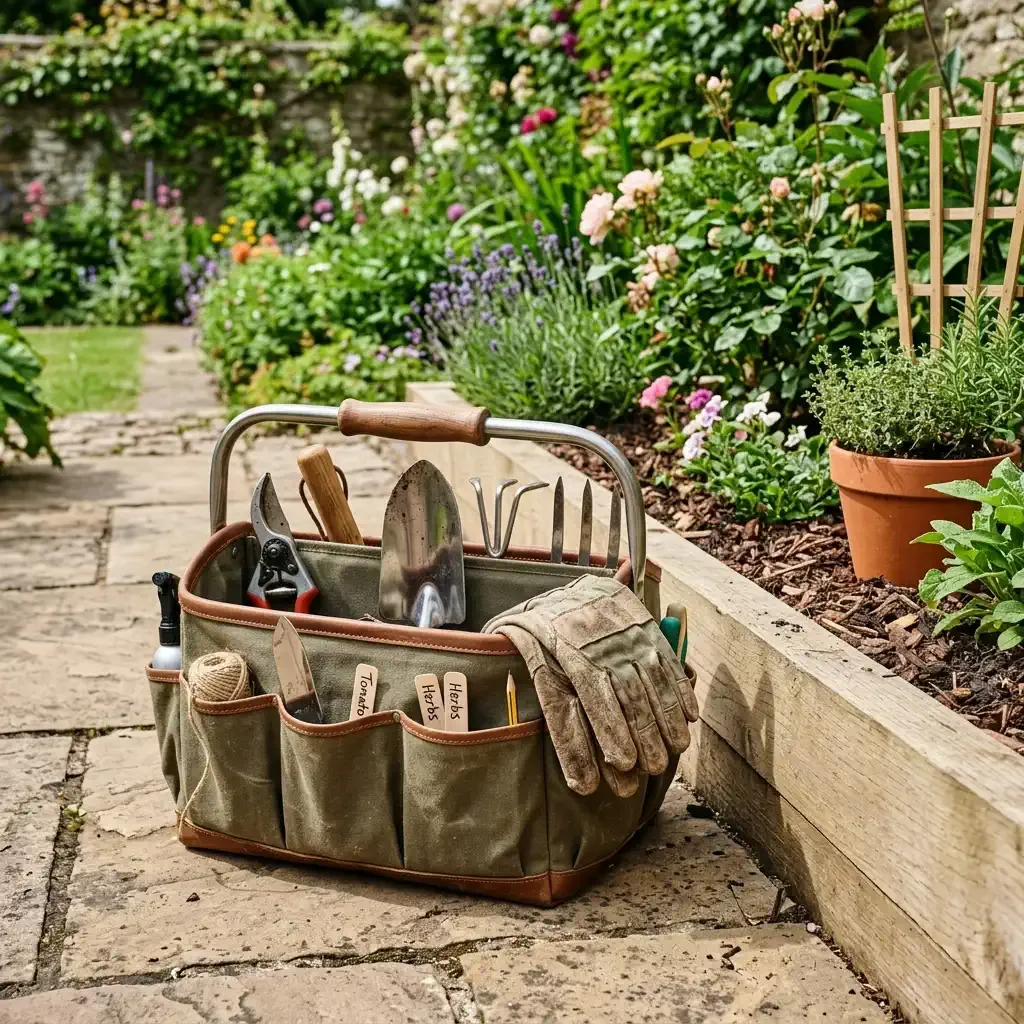
Weatherproof Outdoor Tool Caddy
Heavy-duty organizer for your most-used gardening tools. Keep your pruners, trowels and gloves right where the action is.
6. Feed Once With Slow-Release Organic Fertilizer
Liquid fertilizers require weekly mixing and measuring. Instead, incorporate an organic slow-release granular fertilizer into the top 2 inches of soil when planting in spring. Soil microbes and moisture break the pellets down gradually, supplying continuous nutrition for 8 to 12 weeks.
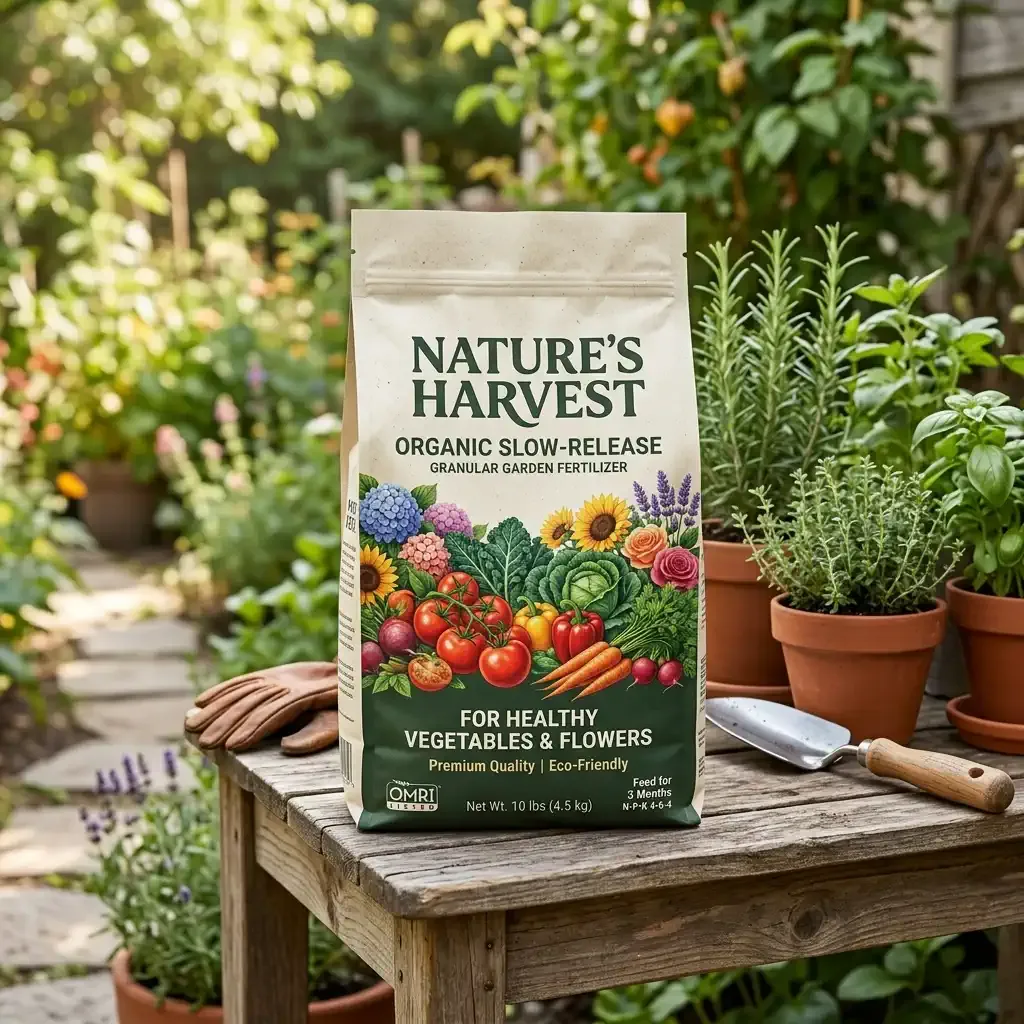
Organic Slow-Release Fertilizer
Complete plant food that releases nutrients slowly over 3 months. One application provides everything your plants need for a full season of growth.
7. Buy Nursery Starts Over Seeds for Warm Crops
While cool-season crops like radishes and peas sprout reliably from direct sowing, slow heat-lovers like peppers and eggplants take 8 weeks of indoor lighting before they can go outside. Buying sturdy 4-inch nursery starts saves nursery bench space and skips the delicate seedling phase.
The 10-Minute Weekly Maintenance Routine
Set a repeating calendar notification for your weekly garden pass:
- Minutes 1–3 (Moisture Check): Verify reservoir levels on sub-irrigated containers; inspect drip emitters for clogs.
- Minutes 4–7 (Weed and Prune): Pull any seedling weeds breaking through the mulch while their roots are shallow.
- Minutes 8–10 (Harvest): Snip culinary herbs and gather ripe cherry tomatoes to stimulate further flowering.
Automating the mechanical parts of gardening lets you enjoy homegrown produce without turning maintenance into an overwhelming chore.
Frequently Asked Questions
What are the best low-maintenance plants for busy people?
Resilient woody herbs like rosemary and thyme, self-fertile bush vegetables like cherry tomatoes and radishes, and hardy pollinator flowers like zinnias require minimal daily intervention.
How can I automate my garden watering?
Use sub-irrigated self-watering planters for potted setups, or connect a battery-operated faucet timer to a dedicated drip line or soaker hose for raised beds and in-ground plots.
Does mulch help save time in the garden?
Yes. Applying 2–3 inches of organic straw, bark, or leaf mulch blocks sunlight from reaching dormant weed seeds, slashing weeding chores and slowing soil evaporation.
Can I grow a garden if I only have 10 minutes a week?
Yes. By automating your irrigation, applying mulch, and selecting drought-tolerant plants, 10 minutes a week is enough to check soil moisture, pull stray seedlings, and harvest produce.
Our Amazon Storefront
Browse all our recommended tools & supplies
Everything we personally use and trust, hand-picked for gardeners like you.
I've been running DWC and Kratky systems for several years and write about what actually works, not textbook theory. Follow along for honest product reviews, practical guides and real grow results.