As an Amazon Associate, I earn from qualifying purchases. Some links in this article are affiliate links, if you buy through them I may earn a small commission at no extra cost to you.
Quick Summary
- Site Selection: Pick a location receiving at least 6–8 hours of direct daily sunlight.
- Soil vs Containers: Use raised beds for poor soil or containers and vertical pots for small patios.
- Crop Selection: Start with easy vegetables like cherry tomatoes, radishes, lettuce and bush beans.
- Layout Planning: Position taller plants on the north side of the garden to prevent shading shorter crops.
- Seasonal Schedule: Learn your local spring and fall frost dates to schedule seed sowing.
Starting a vegetable garden does not require acres of open land. Starting small is the most effective way to learn seasonal timing, soil fertility, and water management without becoming overwhelmed by maintenance.
If you are balancing garden care with a tight schedule, explore our 7 simple gardening tips for busy people. This guide outlines the essential sequence for planning a productive small-space vegetable garden from scratch.
Choosing Your Location
Sunlight and water access determine garden success more than soil amendments. Vegetables are resilient, but their light and drainage needs are non-negotiable.
Sunlight Requirements
Fruiting crops (tomatoes, peppers, cucumbers, and squash) require full sun: a minimum of 6 to 8 hours of direct, unfiltered sunlight daily.
If your space receives partial shade from trees or fences, focus on cool-season leafy greens like spinach, butterhead lettuce, and kale, which thrive under 3 to 5 hours of morning sun. For low-light indoor options, see our guide on the best low-light indoor plants for apartments.
Beds vs. Containers
If your yard has loamy, well-draining native topsoil, direct in-ground planting is economical. However, for most home gardeners, raised beds or containers offer superior drainage and weed control:
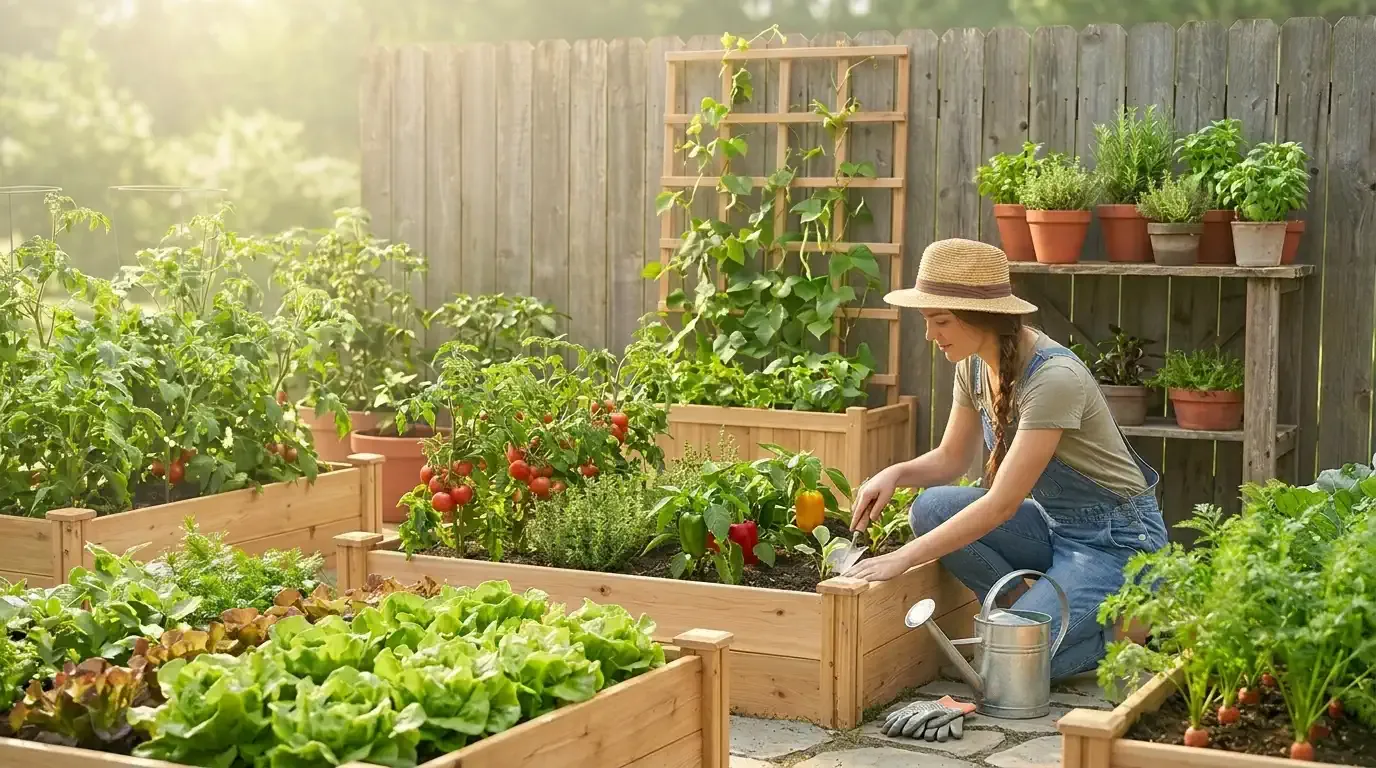
- Raised Beds: Allow you to customize your soil mix from day one, improve spring warming, and eliminate stooping. For building and filling instructions, read our complete guide to raised bed gardening.
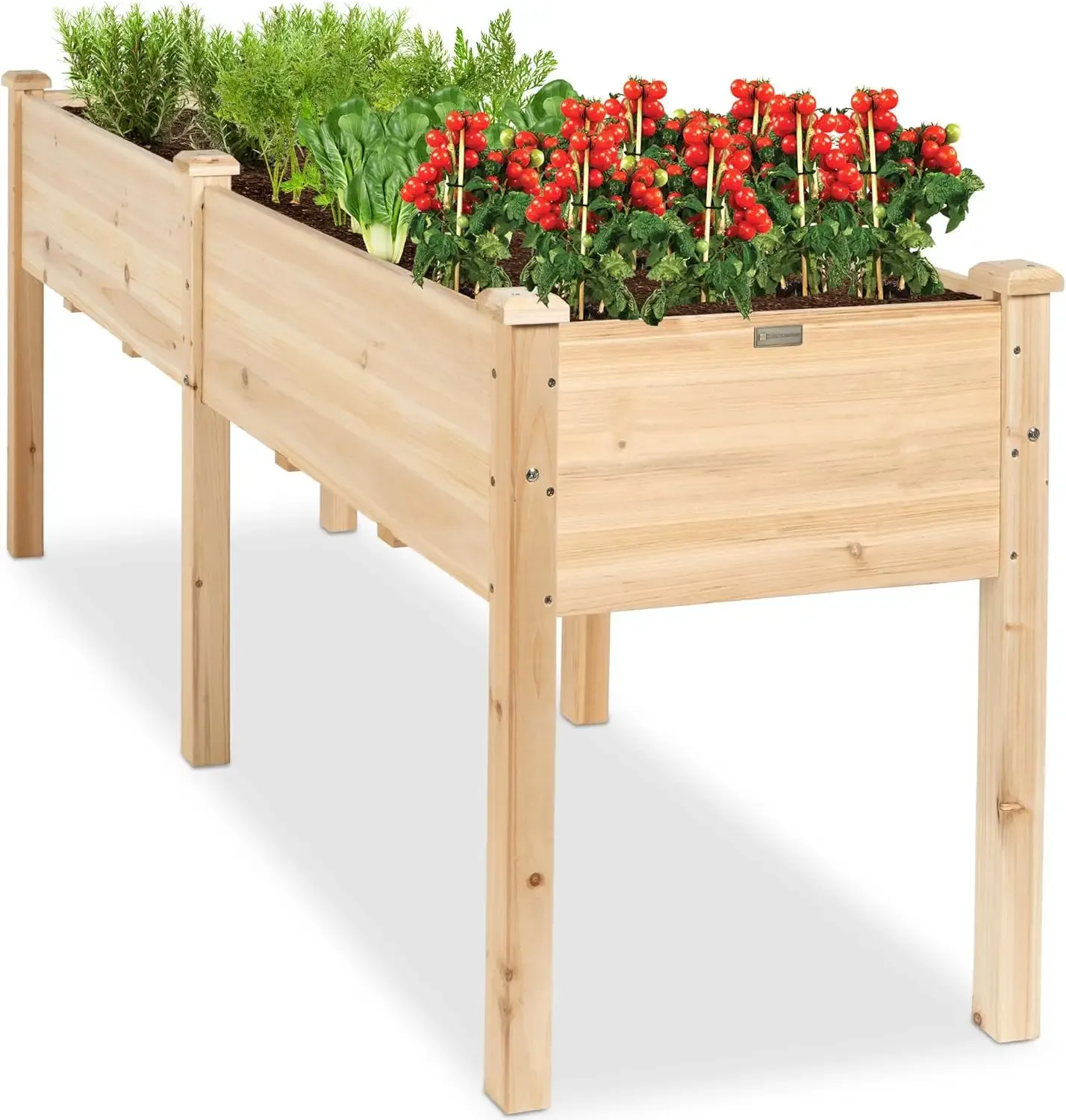
Raised Garden Bed, Elevated Wood Planter Box
- Large Planting Space: 8.4 cubic feet of space can support your choice of flowers, succulents, vegetables and more.
- Proper Drainage: Six drainage holes help the roots aerate and allow excess water to escape, encouraging long-term growth.
- Ergonomic Height: The 30-inch tall design removes the need for bending or kneeling, preserving your back and knees.
- Fabric Containers: Fabric grow bags (5 to 10 gallons) and glazed pots work well for patios and rental balconies, allowing you to reposition plants as sun angles shift across the season.
Choosing Reliable Starter Crops
The most common beginner pitfall is planting too many demanding varieties simultaneously. Focus your first season on forgiving, high-yielding crops:
- Bush Cherry Tomatoes: Prolific producers that stay compact without requiring 8-foot stakes.
- Bush Green Beans: Fix their own nitrogen, mature in 50 days, and require no trellising.
- Radishes: Sprout in 3 to 4 days and reach harvest size in 25 days, making them ideal for quick succession.
- Leaf Lettuce: Provides continuous cut-and-come-again harvests for weeks.
Interplanting Quick Greens
Interplant fast-growing greens like arugula and baby spinach between slower nightshades. Quick salad greens harvest in 30 days, clearing root space just as tomato and pepper canopies expand. For indoor alternatives, check the best hydroponic plants for beginners.
Garden Layout & Spacing Rules
In small plots, airflow and sunlight distribution must be managed carefully:
- Avoid Overcrowding: Crowded plants compete for root moisture and restrict airflow, fostering fungal diseases like powdery mildew. Follow seed packet spacing guidelines.
- Square Foot Gardening: Divide raised beds into 12-inch squares to maximize space efficiency without crowding root collars.
- North-to-South Alignment: Position tall plants (pole beans, indeterminate tomatoes, sweet corn) on the northern edge of the bed so they do not cast shadows over shorter greens to the south.
Seasonal Planting Windows
A productive garden relies on distinct seasonal cycles. Understanding the difference between cool season and warm season crops is essential:
- Cool-Season Crops: Peas, brassicas, radishes, and carrots tolerate light frost and bolt in midsummer heat. Plant them in early spring and again in late summer for fall harvests.
- Warm-Season Crops: Tomatoes, peppers, squash, and basil perish if exposed to freezing temperatures.
Always calculate planting dates using your regional last frost date. For season-extension strategies, review our winter gardening tips for beginners.
Crop Rotation
Avoid planting the same botanical family (such as Solanaceae: tomatoes, peppers, potatoes, eggplants) in the exact same bed year after year. Rotating plant families starves soil-borne pathogens and balances nutrient extraction.
Small-Space Hydroponic Options
If outdoor space or direct sunlight is unavailable, indoor water-based cultivation provides high yields in compact footprints:
- Countertop Systems: Automated LED gardens allow year-round harvesting of herbs, micro-greens, and dwarf tomatoes. Review our foundational Hydroponics 101 guide to understand system choices.
- Vertical Towers: Aeroponic and hydroponic towers stack plant sites vertically, producing dozens of heads of lettuce in a two-square-foot floor area.
Starting with a modest layout, prioritizing reliable varieties, and aligning plantings with your local frost dates creates a sustainable foundation for seasons of steady harvests.
Frequently Asked Questions
How much sunlight does a vegetable garden need?
Most fruiting vegetables (like tomatoes and peppers) need a minimum of 6 to 8 hours of direct sunlight daily, while leafy greens can tolerate partial shade.
What are the easiest vegetables for beginners to grow?
Radishes, leaf lettuce, bush beans and cherry tomatoes are highly resilient and yield quickly, making them perfect for beginners.
Our Amazon Storefront
Browse all our recommended tools & supplies
Everything we personally use and trust, hand-picked for gardeners like you.
I've been running DWC and Kratky systems for several years and write about what actually works, not textbook theory. Follow along for honest product reviews, practical guides and real grow results.