As an Amazon Associate, I earn from qualifying purchases. Some links in this article are affiliate links, if you buy through them I may earn a small commission at no extra cost to you.
Quick Summary
- Beginner Favorites: Start with fast, low-maintenance leafy greens (lettuce, spinach, kale) and herbs (basil, mint).
- Avoid Root Crops Early: Omit carrots, potatoes, and taproot crops until you master system basics.
- Fruiting Crops: Advance to strawberries, dwarf peppers, and cucumbers once comfortable with nutrient management.
- Growth Speed: Harvest looseleaf lettuce in 30 days from seedling transplant.
- System Compatibility: Match beginner plants to simple Wick, Kratky, or DWC configurations.
Crop selection dictates reservoir sizing, lighting wattage, and maintenance intervals. Selecting tolerant, fast-maturing crops provides reliable early harvests while you learn nutrient chemistry.
Below are seven crops suited for novice growers, detailing reservoir volumes, photoperiod requirements, and physical support needs.
1. Leafy Greens (Low Light Demand)
Leafy greens adapt readily to hydroponic culture. Their shallow root systems thrive in compact volumes without clogging plumbing.
- Lettuce: Matures in 30 days and supports cut-and-come-again harvesting. For container layout and spacing, consult our complete hydroponic lettuce growing guide. Source a variety pack of lettuce seedsView on Amazon to stagger planting.
- Spinach: Thrives in cool solution temperatures (15–20°C / 59–68°F). Keep electrical conductivity moderate (1.0–1.4 mS/cm) to prevent tip burn.
- Kale: Hardy brassica that tolerates wider nutrient concentration swings. Dwarf curly varieties fit standard 3-inch net pots.
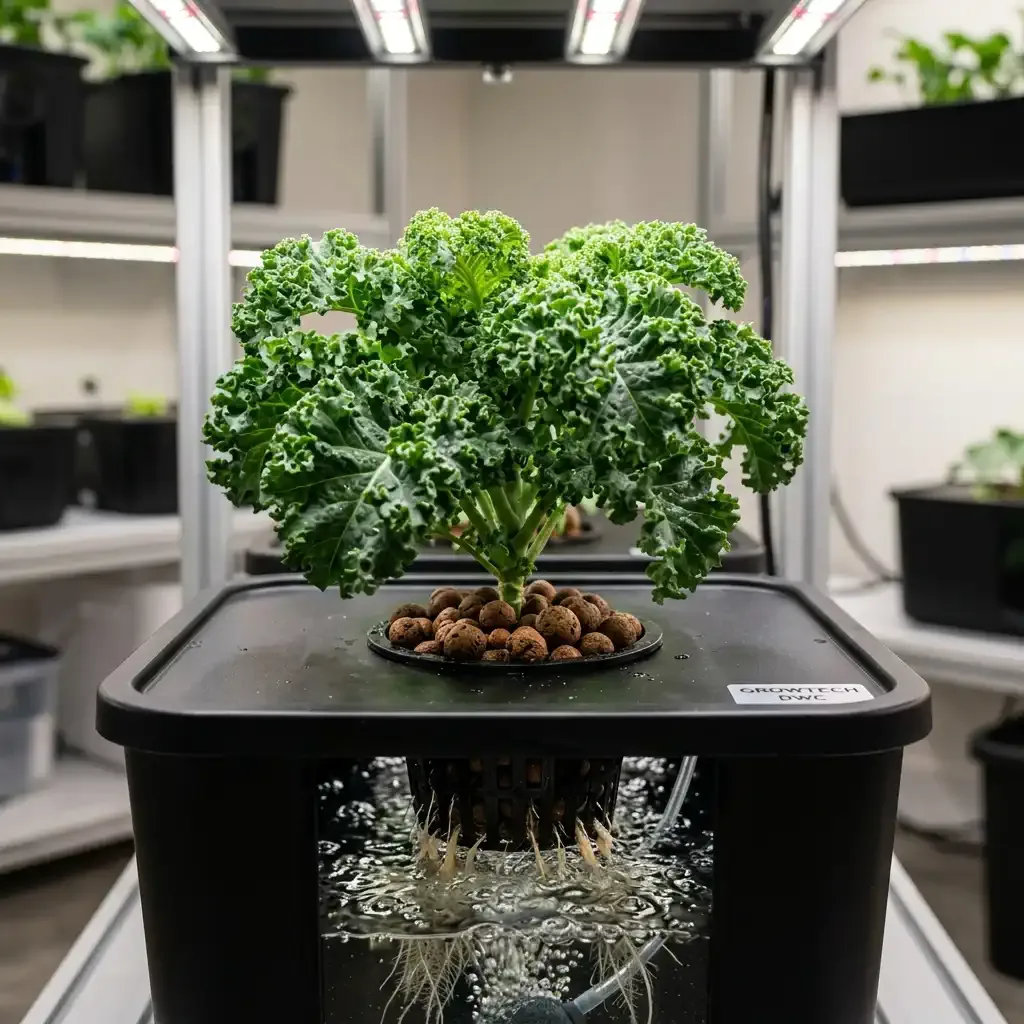
Lighting rule: Supply 12 to 14 hours of daily light at moderate intensity (150–250 µmol/m²/s).
2. Culinary Herbs (Low to Moderate Light Demand)
Herbs occupy small footprints and yield continuous cuttings:
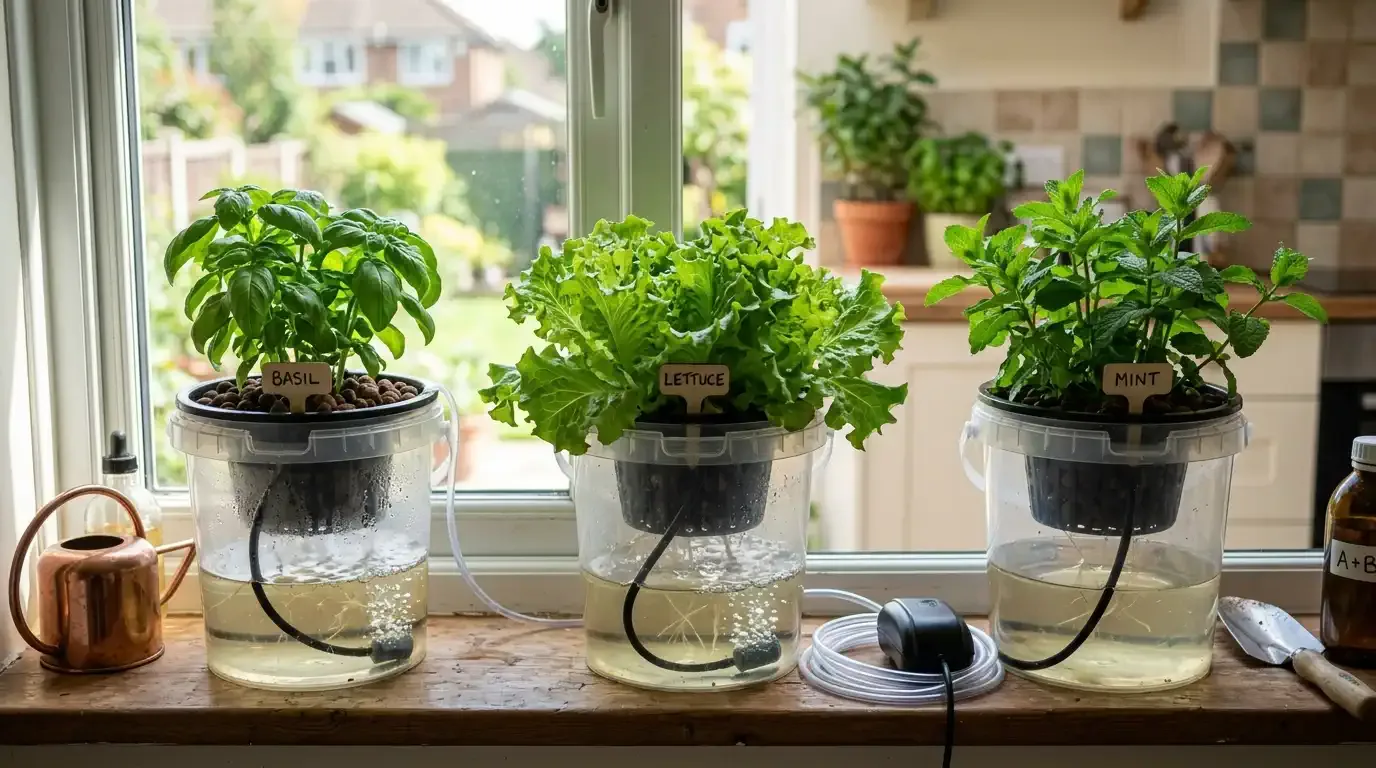
- Basil: Expands aggressively in warm reservoirs (20–25°C / 68–77°F). Prune terminal tips weekly to suppress flower spikes and encourage branching.
- Mint: Extremely robust in water culture. Its aggressive stolons fill reservoirs quickly; grow mint in isolated containers to prevent root choking of companion crops.
- Cilantro: Sensitive to warm root temperatures. Maintain water below 22°C (72°F) to prevent premature bolting.
- Parsley: Slow germination (up to 3 weeks) followed by steady, multi-month petiole production.
- Thyme: Woody subshrub requiring aerated media and moderate moisture. Avoid waterlogging root crowns.
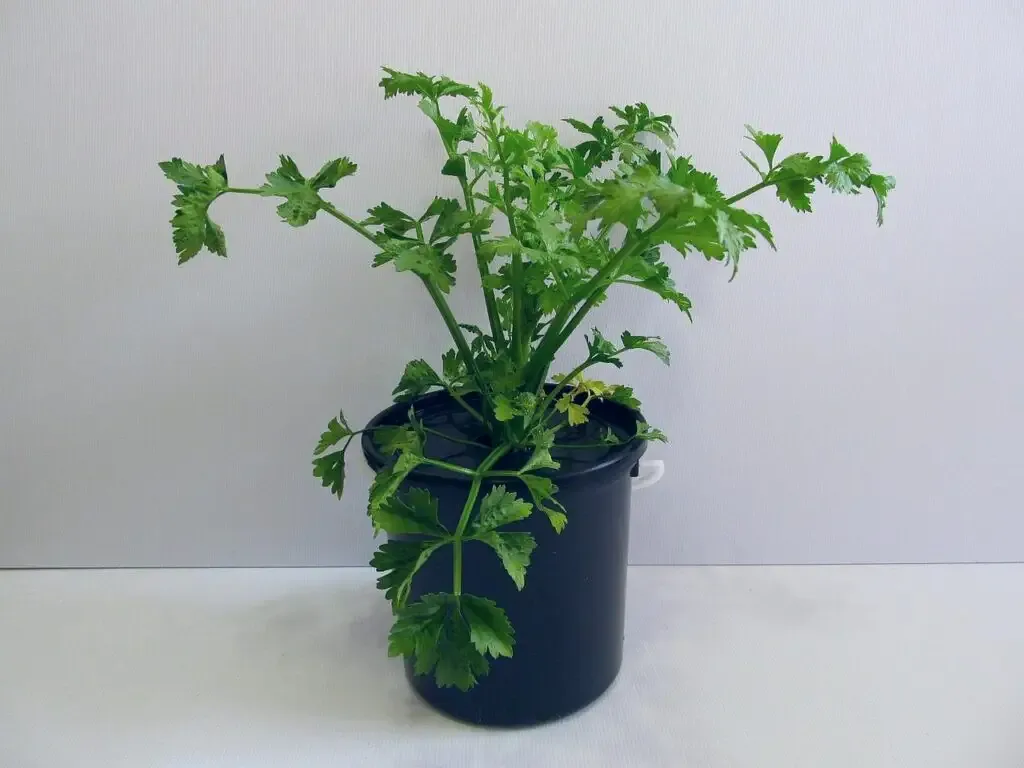
- Celery: In container trials, celery produces thick stalks in a 5-liter (1.3-gallon) bucket with a 2-inch net cup.
Nutrient management: Herbs consume fewer dissolved salts than fruiting plants; maintain EC between 1.0 and 1.6 mS/cm to preserve essential oil concentration. Review our guide on Understanding Hydroponic pH Levels and How to Manage Them to keep solutions balanced.
3. Strawberries (Moderate to High Light Demand)
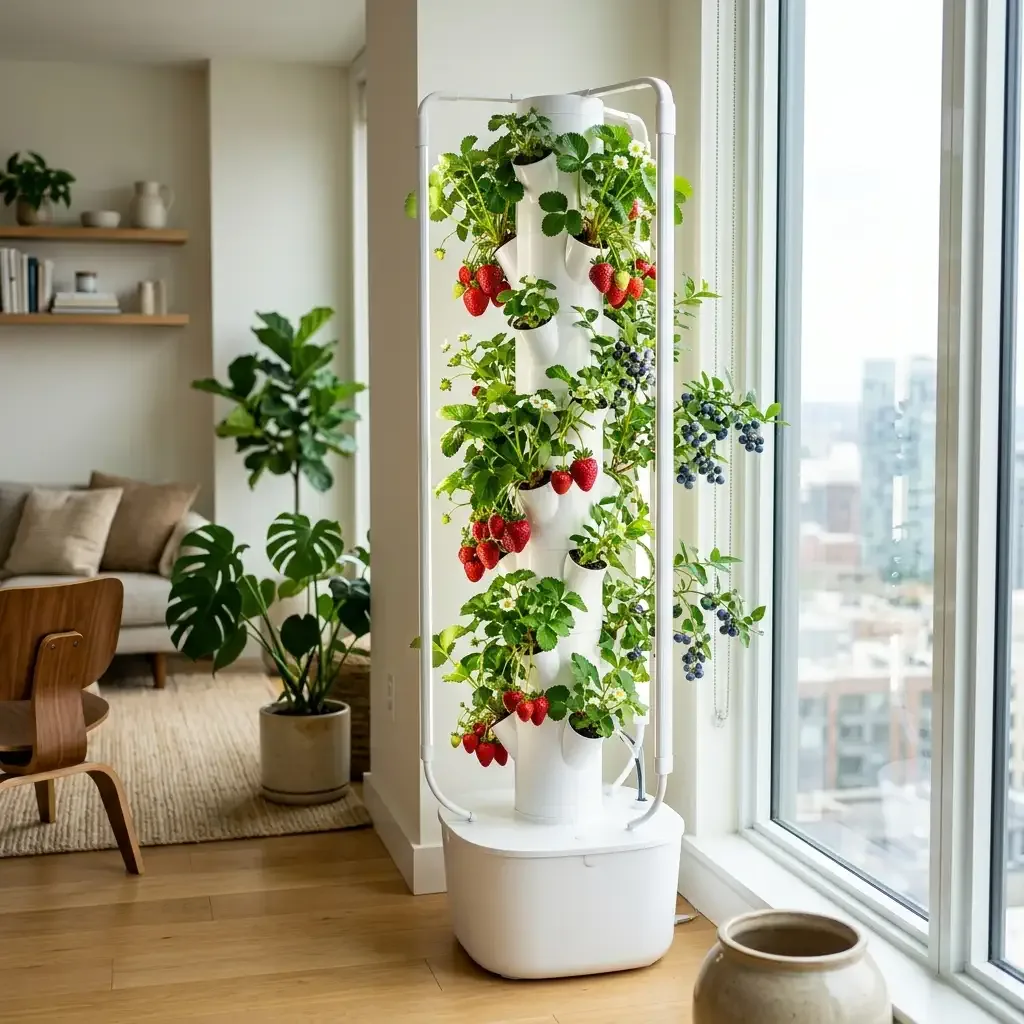
Day-neutral strawberry cultivars produce fruit continuously in hydroponic systems.
Cultivation parameters: Strawberries require active aeration and precise electrical conductivity (1.2–1.4 mS/cm). High EC causes leaf tip necrosis. Vertical NFT towers and vertical stacking planters maximize plant density.
To begin with a simple passive approach before investing in vertical towers, read our guide on the easiest and cheapest hydroponic system you can start today.
4. Peppers (High Light Demand)
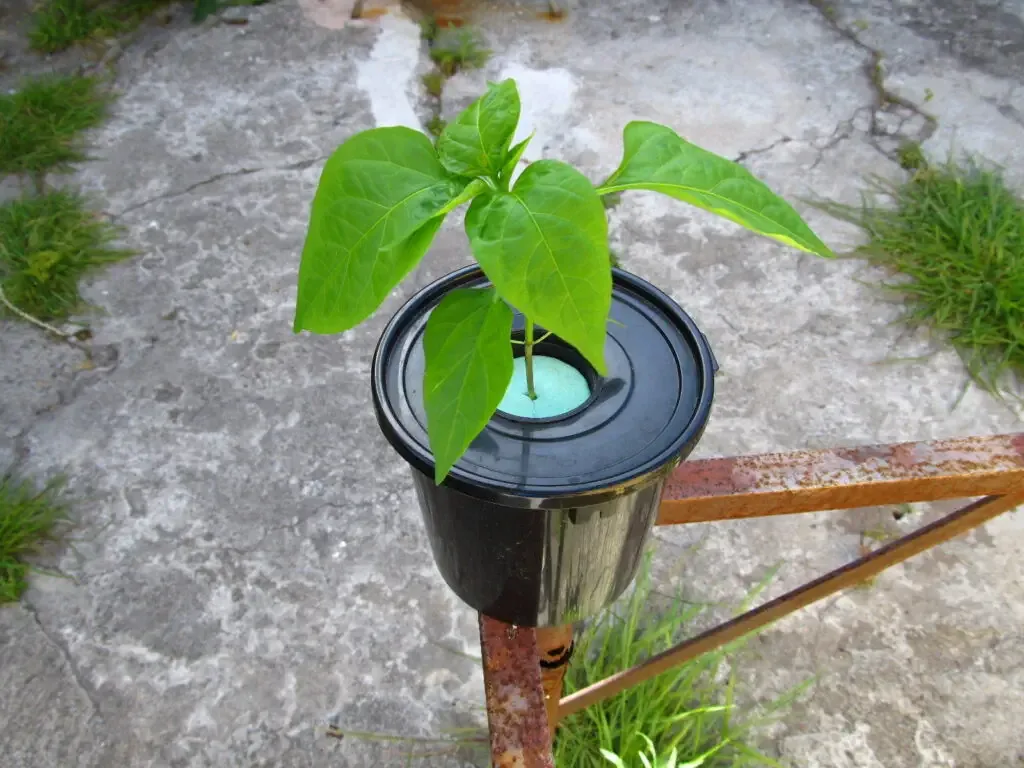
Peppers transition growers from vegetative greens to fruiting crops.
Cultivation parameters: Compact cultivars like jalapeños or dwarf bell peppers thrive in 1-liter to 5-liter DWC containers. Peppers require 14 to 16 hours of high-intensity light and warm root temperatures (21–26°C / 70–79°F).
Nutrient management: Ensure consistent calcium availability to prevent blossom end rot in developing pods.
5. Tomatoes (High Light, Heavy Feeders)
Tomatoes produce high yields indoors when matched with adequate reservoir volumes and structural support.
Cultivation parameters: Choose determinate dwarf varieties like Micro-Tom or Tiny Tim for compact indoor shelves. Dwarf tomatoes require at least a 20-liter (5-gallon) to 45-liter (12-gallon) container to buffer water consumption. Run fixtures 14 to 16 hours daily during vegetative growth.
Nutrient management: Tomatoes demand high electrical conductivity (2.0–3.0 mS/cm) during fruit set. Calcium deficiencies cause blossom end rot in hydroponic tomatoes.
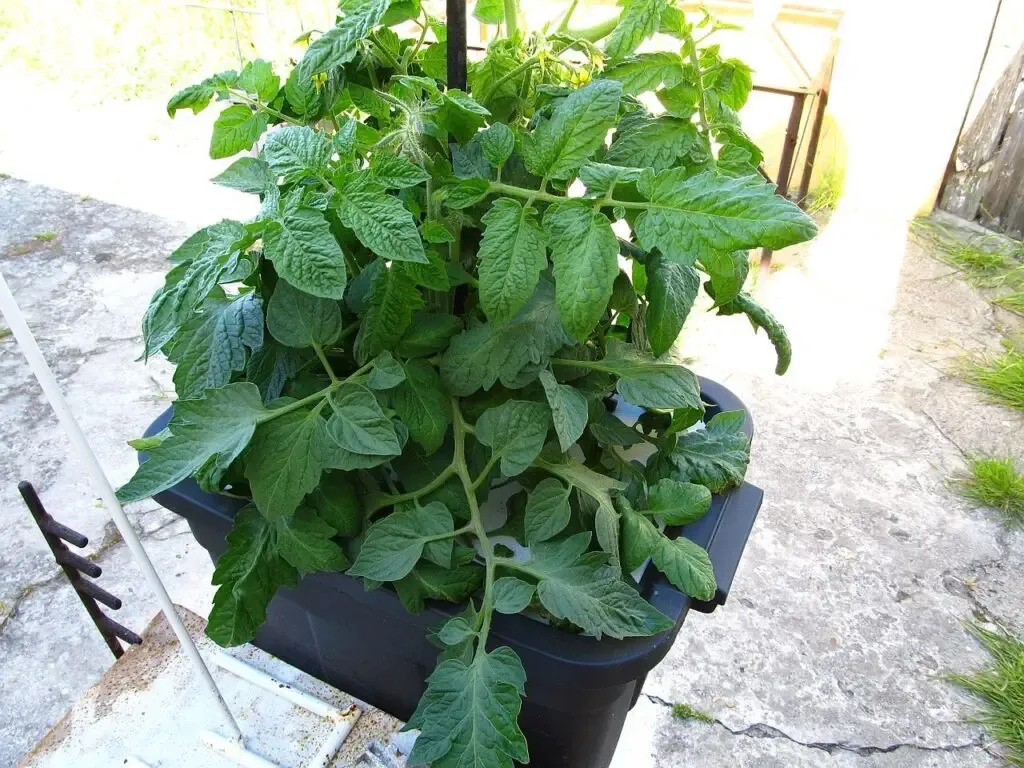
An opaque container, like an 18 Gal Roughneck ToteView on Amazon, provides root volume for heavy-bearing dwarf tomatoes.
6. Cucumbers (Moderate to High Light Demand)
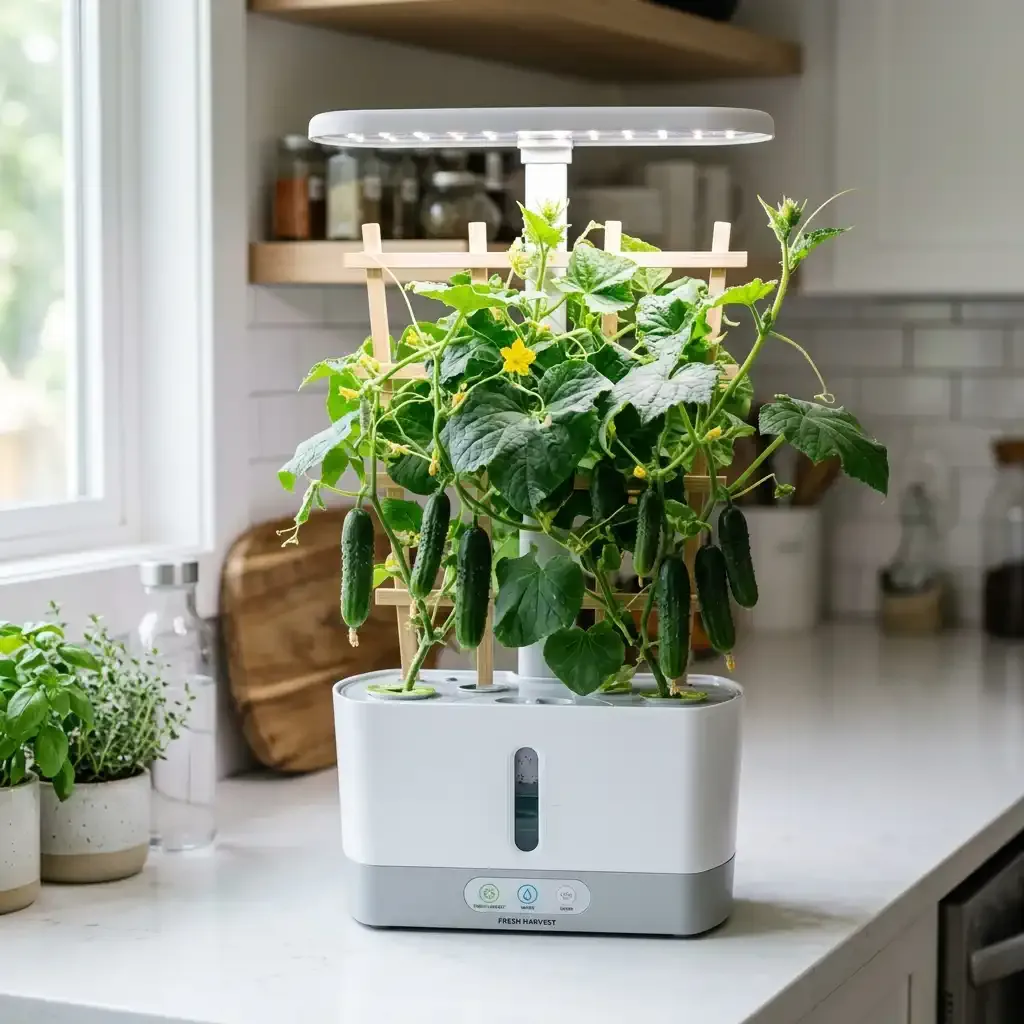
Cucumbers transpire high volumes of water, making them well-suited to active hydroponic systems.
Cultivation parameters: Select compact bush varieties. Grow individual plants in a 20-liter (5-gallon) reservoir to prevent rapid desiccation during fruiting. Provide a vertical trellis or string support to suspend developing fruit.
Ventilation: Maintain air movement across the canopy to prevent powdery mildew spores from germinating on broad leaves.
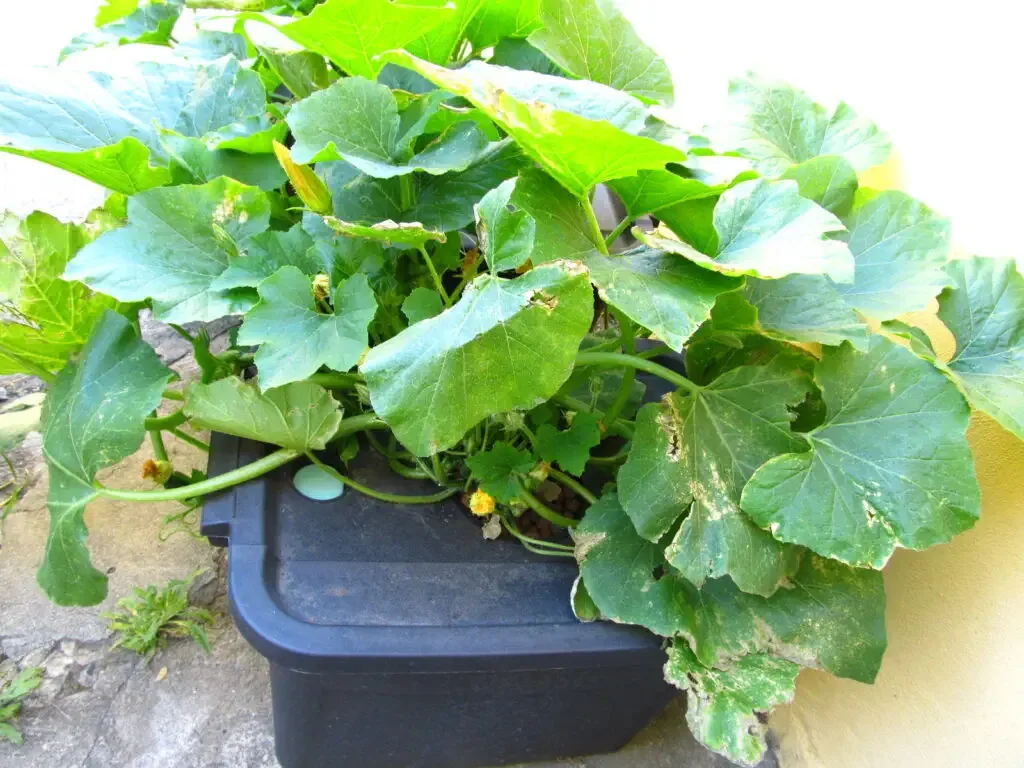
7. Summer Squash and Zucchini (High Light Demand)
Zucchini and yellow squash expand aggressively in hydroponic containers.
Cultivation parameters: Because of large leaf surface areas and high transpiration rates, squash plants require at least a 45-liter (12-gallon) reservoir. Anchor main stems to vertical stakes to support the weight of maturing squash.
Review our guide on Common Hydroponic Mistakes to Avoid to prevent salt toxicity and light leaks.
Conclusion
Start with crops matched to your hardware. Fast-maturing leafy greens (lettuce, spinach) and culinary herbs (basil, mint) require minimal reservoir volumes and forgiving nutrient schedules. Once your pH monitoring and lighting routines are established, advance to high-demand fruiting crops like dwarf peppers, tomatoes, and cucumbers.
Review our breakdown of the easiest and cheapest hydroponic systems to assemble your first reservoir.
Editor’s Note: Parts of this guide were structured and optimized with the assistance of AI, then thoroughly reviewed, edited and expanded with first-hand growing experience by our author Raymond to ensure practical, real-world accuracy.
Frequently Asked Questions
What are the fastest-growing hydroponic plants?
Looseleaf lettuce, spinach, sweet basil, and arugula mature quickest, with initial harvests ready 3 to 4 weeks from seedling transplant.
What is the easiest crop to grow hydroponically for a beginner?
Leaf lettuce is the easiest crop to cultivate. It tolerates minor pH drifts, requires low nutrient concentrations, and thrives in passive Kratky containers.
How long does lettuce take to grow in hydroponics?
Hydroponic leaf lettuce matures in 3 to 4 weeks from transplant under 14 to 16 hours of daily lighting.
How fast do tomatoes grow hydroponically?
Determinate dwarf tomatoes reach first fruit harvest in 8 to 12 weeks under high-intensity grow lights.
What does not grow well hydroponically?
Root vegetables like carrots, potatoes, and garlic develop poorly in liquid reservoirs. They require deep granular substrates to prevent taproot deformation.
Can I grow tomatoes hydroponically as a beginner?
Yes, using dwarf determinate cultivars like Micro-Tom or Tiny Tim. Indeterminate vine varieties require high light levels, heavy trellising, and intensive calcium management.
Our Amazon Storefront
Browse all our recommended tools & supplies
Everything we personally use and trust, hand-picked for gardeners like you.

I've been running DWC and Kratky systems for several years and write about what actually works, not textbook theory. Follow along for honest product reviews, practical guides and real grow results.