As an Amazon Associate, I earn from qualifying purchases. Some links in this article are affiliate links, if you buy through them I may earn a small commission at no extra cost to you.
Quick Summary
- Kratky Method: Start a completely passive system with no pumps, electricity, or moving parts.
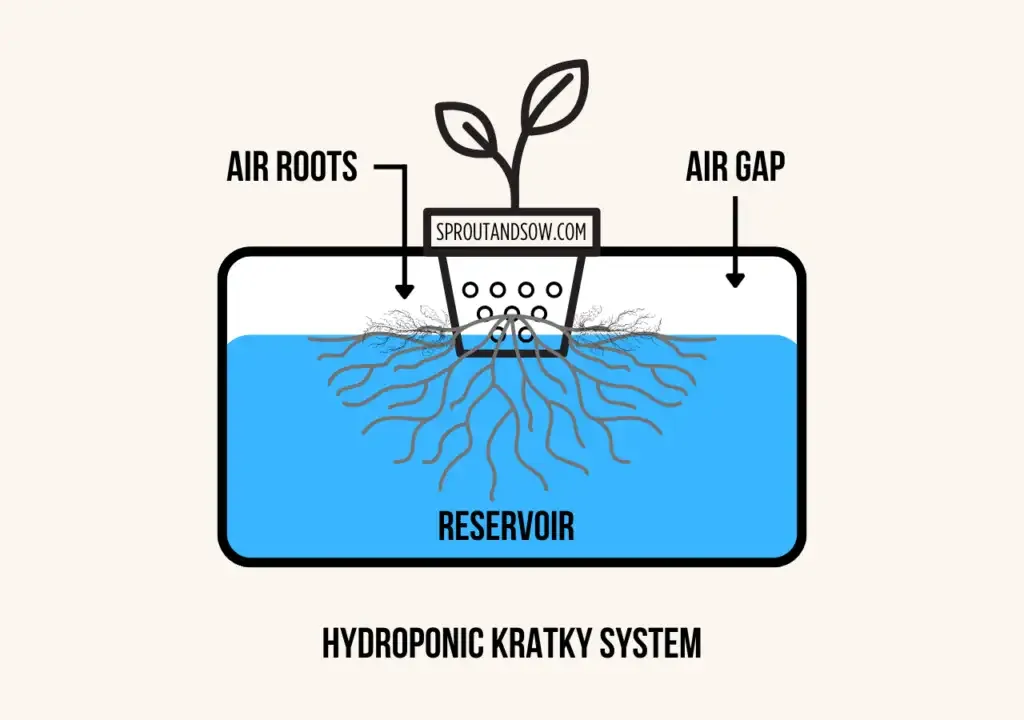
- Air Gap Science: Leave an air gap between the water and the net pot so the roots can breathe oxygen.
- Budget-Friendly: Build a system using simple mason jars, plastic buckets, or storage totes.
- Best Crops: Grow leafy greens like lettuce, spinach and kale with high rates of success.
- Simple Steps: Fill a reservoir with nutrient solution, insert the seedling in a net pot and let it grow.
Getting started with hydroponics doesn’t have to be expensive or complicated. One of the best things about hydroponic gardening is its versatility, making it possible to start small and scale up as you go. If you’re ready to grow plants without soil but want a system that’s easy to set up and budget-friendly, look no further! We’ll walk through a simple hydroponic setup you can assemble today, perfect for beginners eager to dive in with minimal investment.
The Kratky Method: Simple, Affordable and Effective
1. What is the Kratky Method?
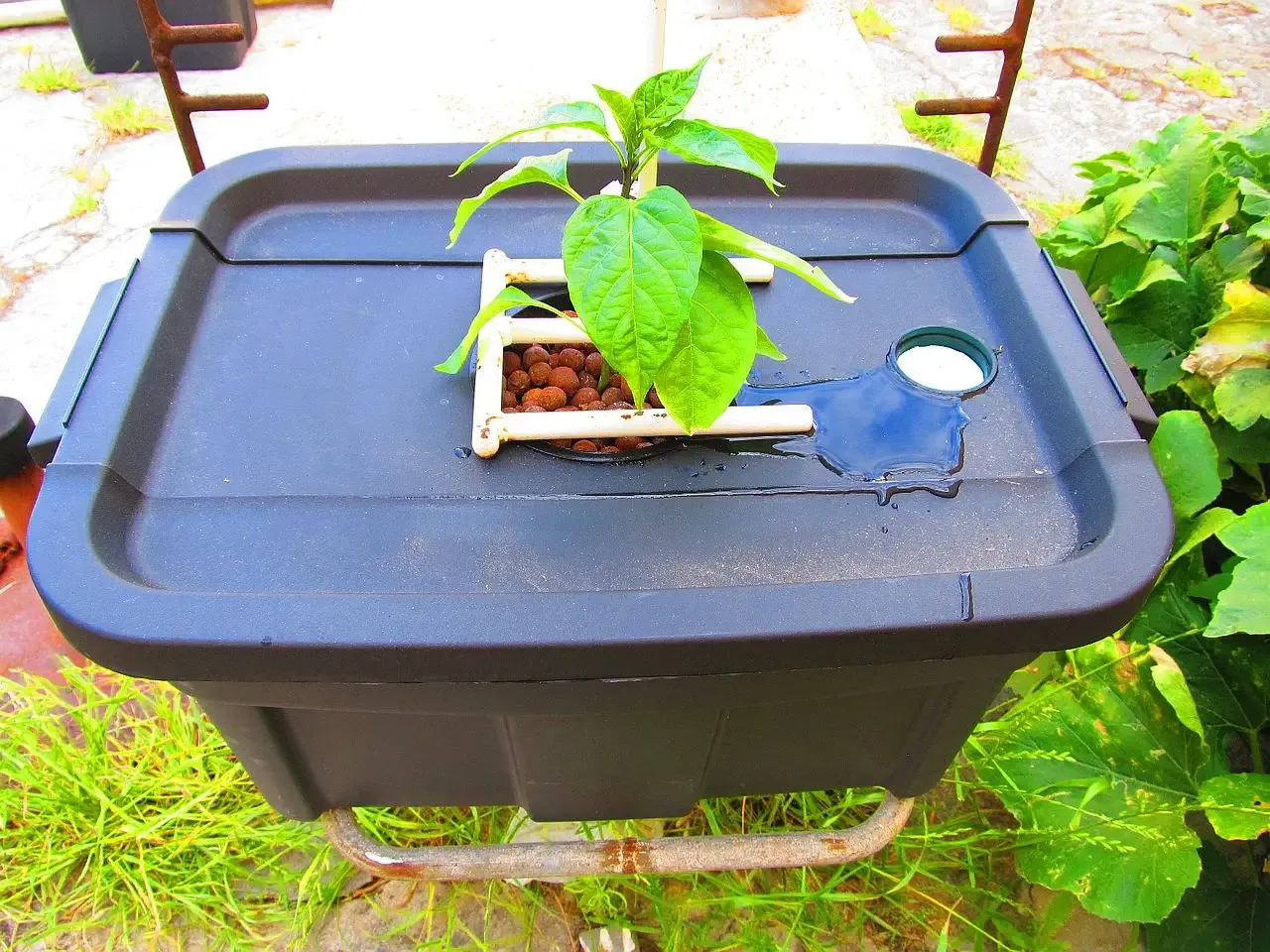
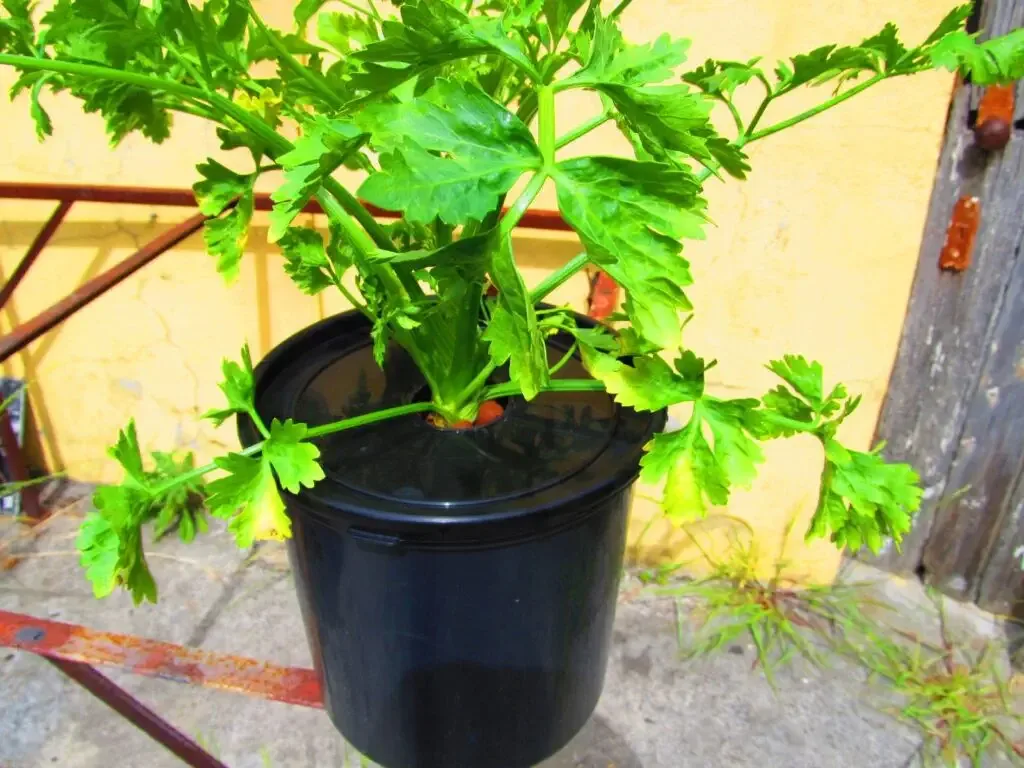
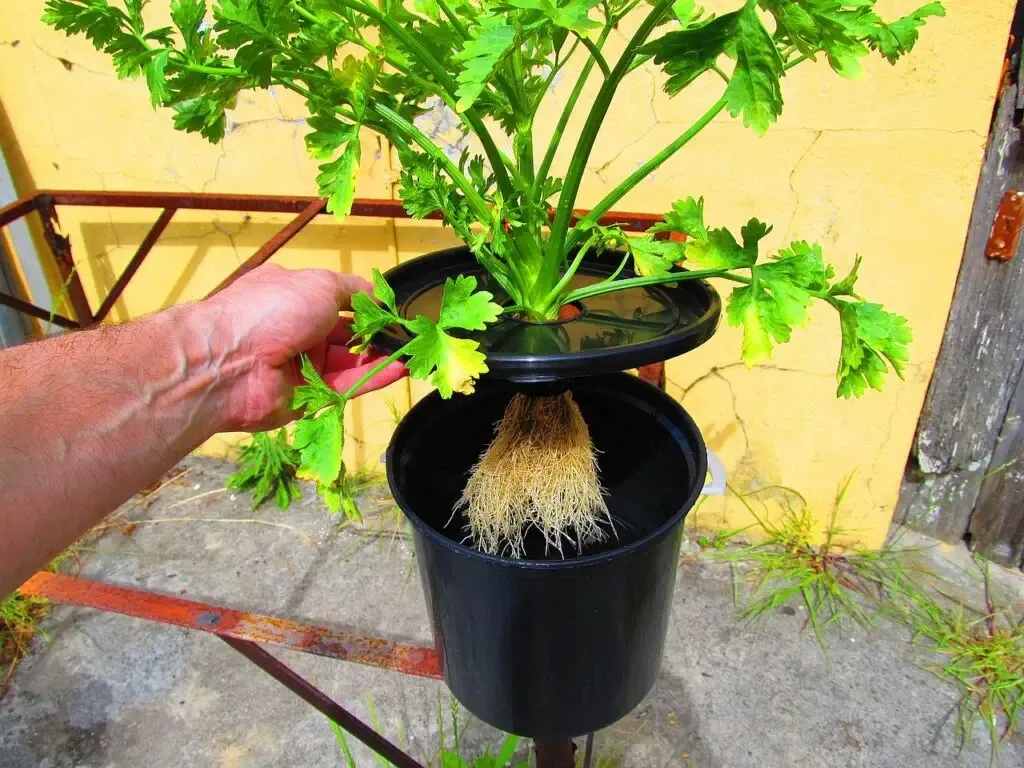
The Kratky method is a passive hydroponic system that’s about as simple as it gets, no pumps, no electricity and very little maintenance. Named after Professor B.A. Kratky, this method involves placing plants in a container with a nutrient solution. As the plants grow, the water level gradually drops, exposing the roots to both water and air, which is essential for healthy root development.
2. Why the Kratky Method is Perfect for Beginners
- Low Cost: Requires minimal materials, like a container, net pots and a nutrient solution, making it one of the most affordable hydroponic systems.
- No Pumps or Timers: With no moving parts, the Kratky system doesn’t require air or water pumps, saving you both money and effort.
- Set and Forget: Once you set up the system, there’s very little ongoing maintenance required, as plants naturally absorb water and nutrients.
Setting Up Your First Kratky System
just a few EASY STEPS
Here Some Things You Might Need
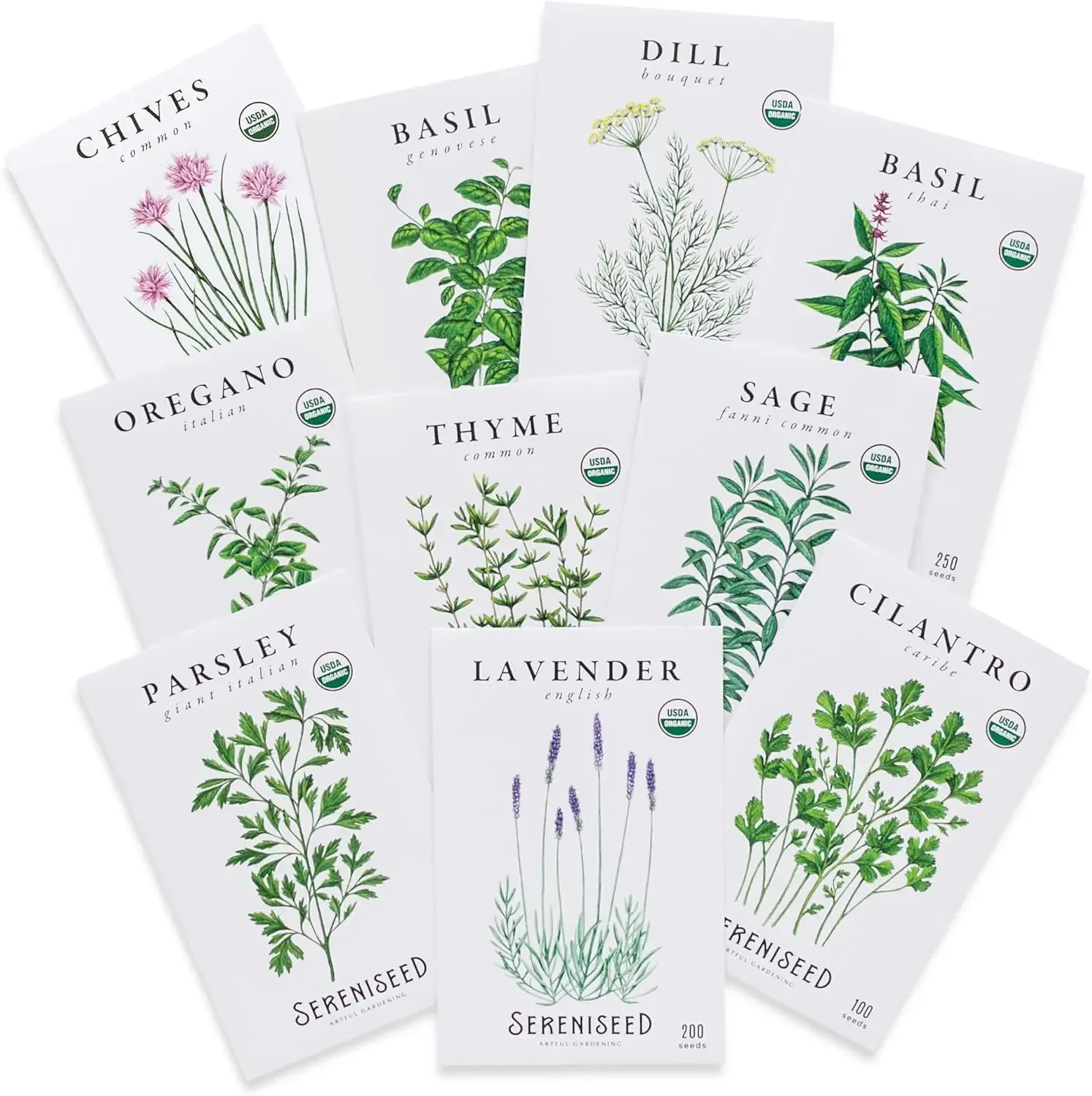
10-Pack Certified Organic Herb Seeds
Basil, Cilantro, Oregano, Thyme, Parsley, Lavender, Chives, Sage, Dill Seeds for Indoor & Outdoor Planting.
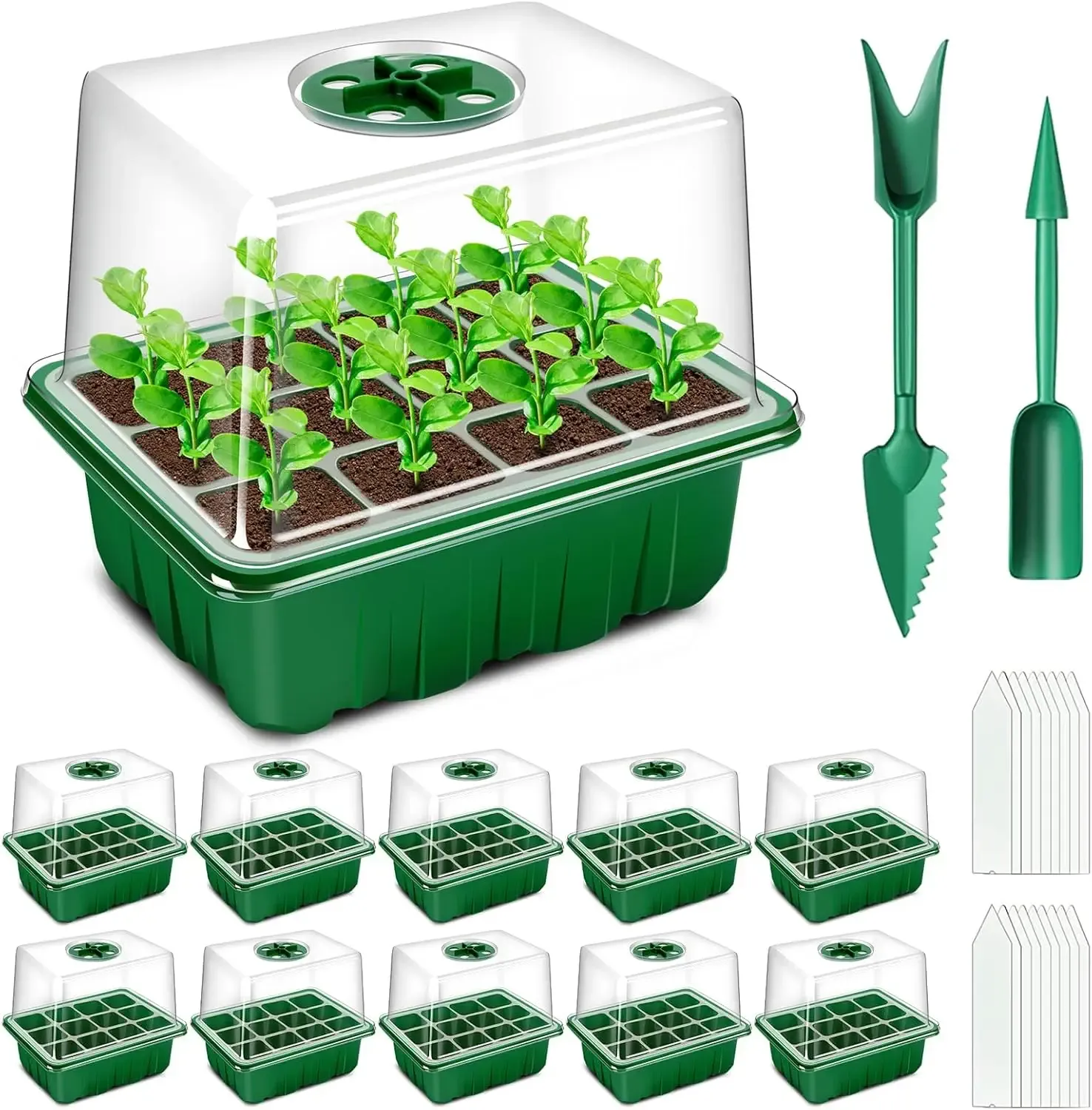
Seed Starter Trays
10 Pack, 120 Cells, Seed Starter Kit with Humidity Dome Lids and Seedling Starter Trays for Indoor Gardening Plants.
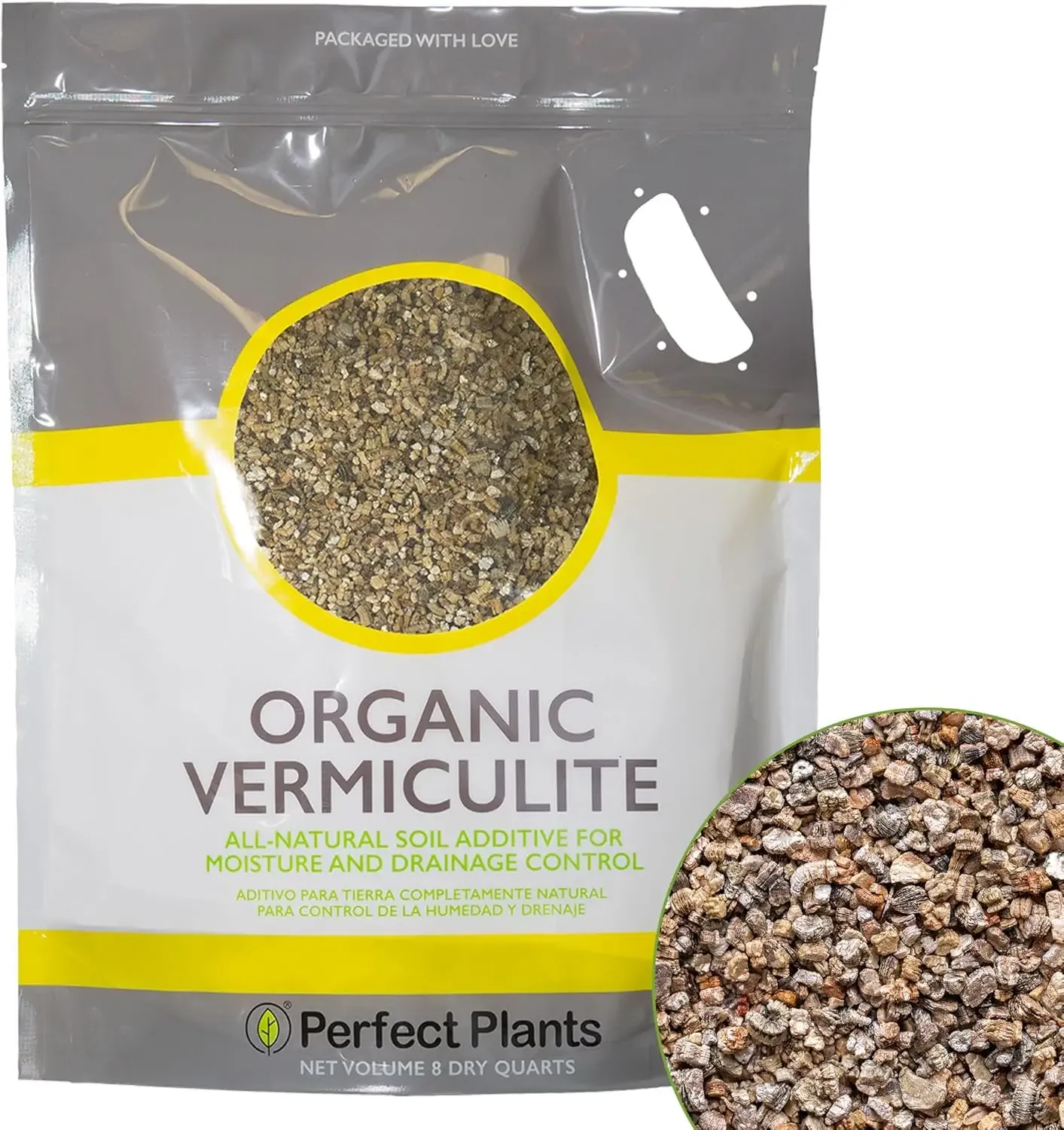
Organic Vermiculite
Certified Organic Vermiculite Soil Amendment, Ideal for Hydroponics and Seed Starting.
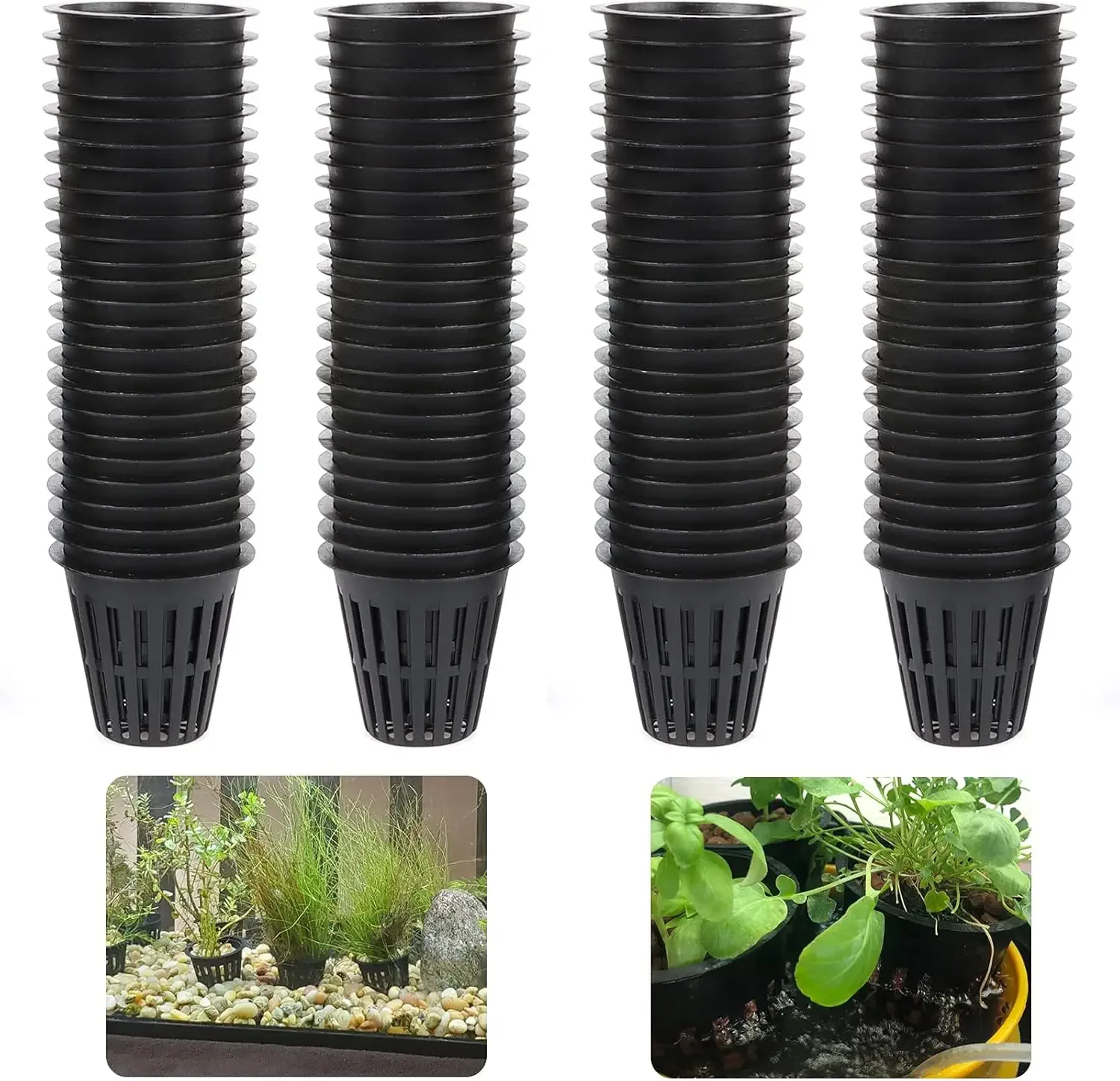
2 Inch Garden Slotted Mesh Net Cups
Durable 2-inch net pots made from reusable UV-resistant plastic, designed for hydroponics and soil-free growing. The slotted mesh design promotes healthy root growth and drainage, compatible with clay pebbles, rockwool, lava rocks and more.
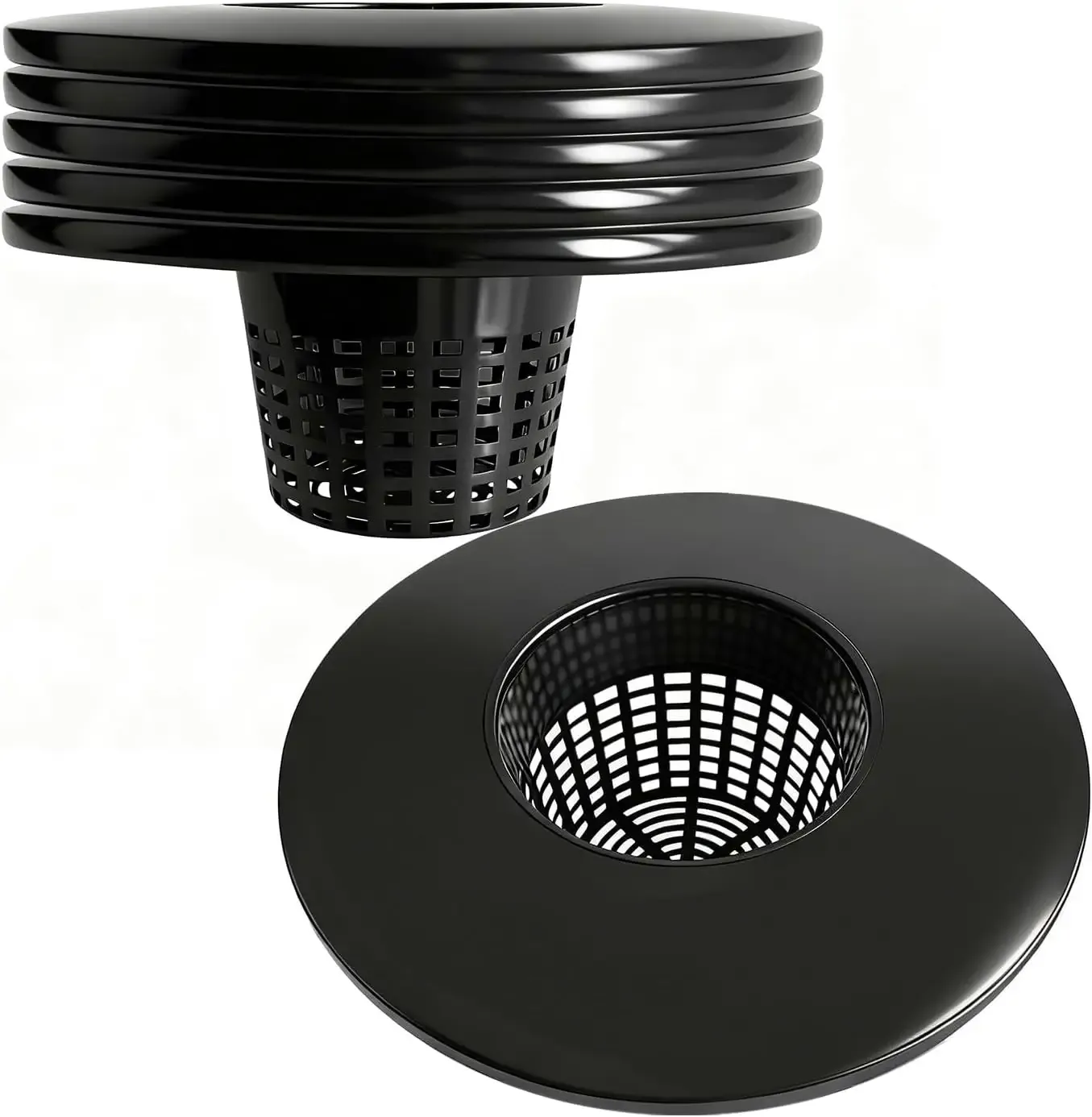
6 Inch Net Pots with Wide Lids
5-Pack, 6 Inch Net Pots with Wide Lids for 3.5 and 5 Gallon Buckets.
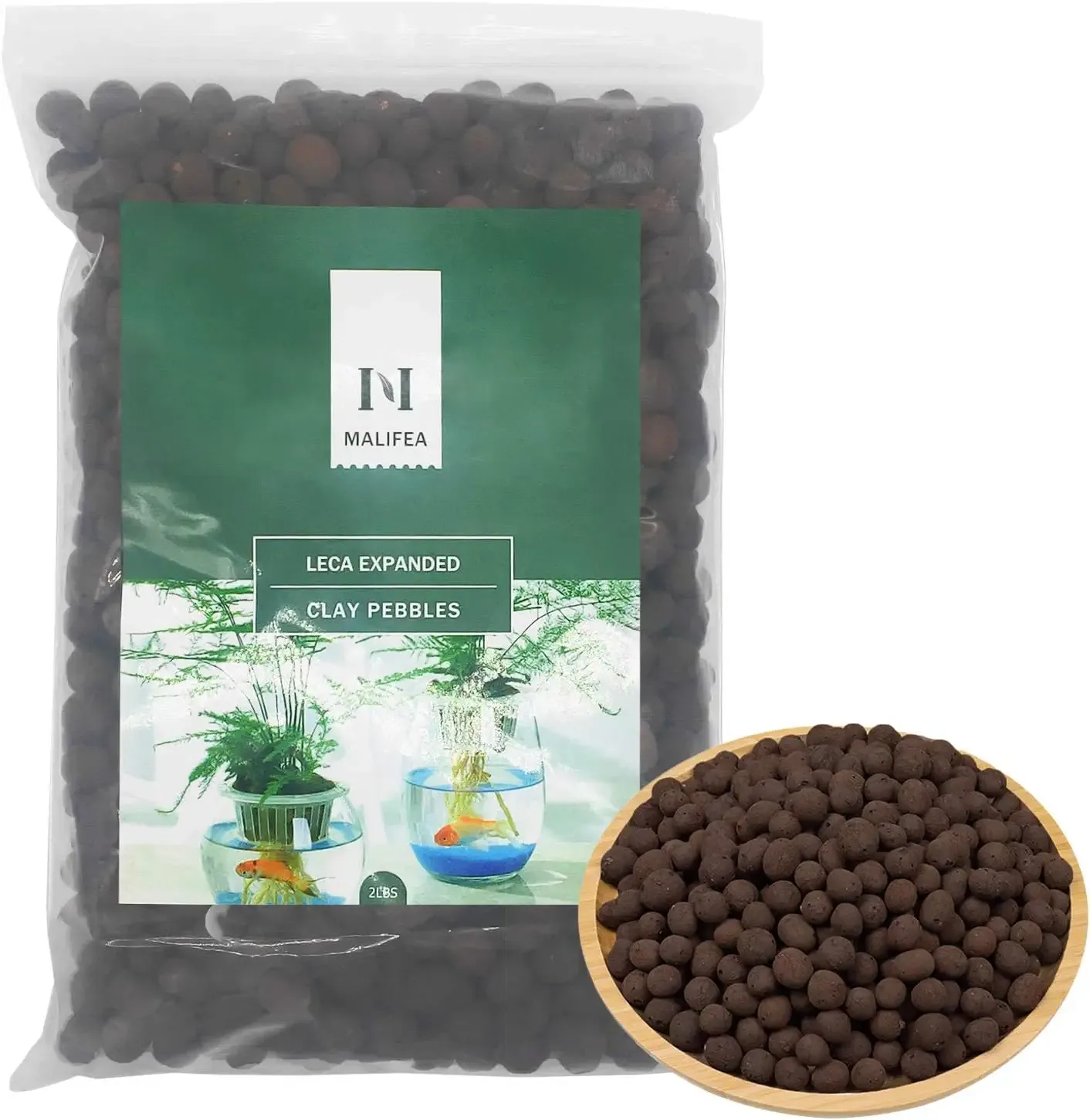
Leca Clay Pellets
Leca Expanded Clay Pebbles.
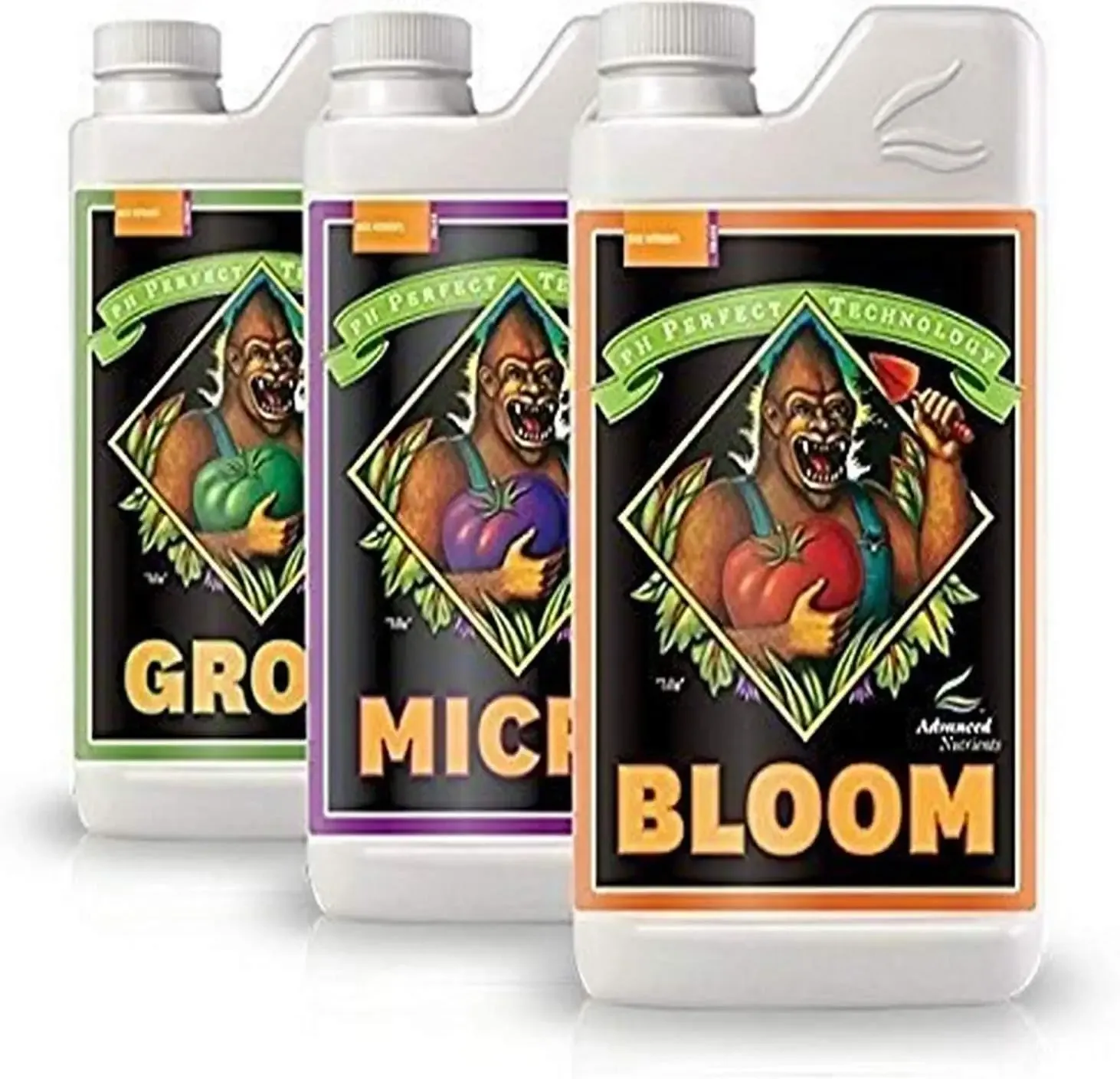
Advanced Nutrients
Bloom, Micro, Grow Fertilizer Bundle, 500ml Each.
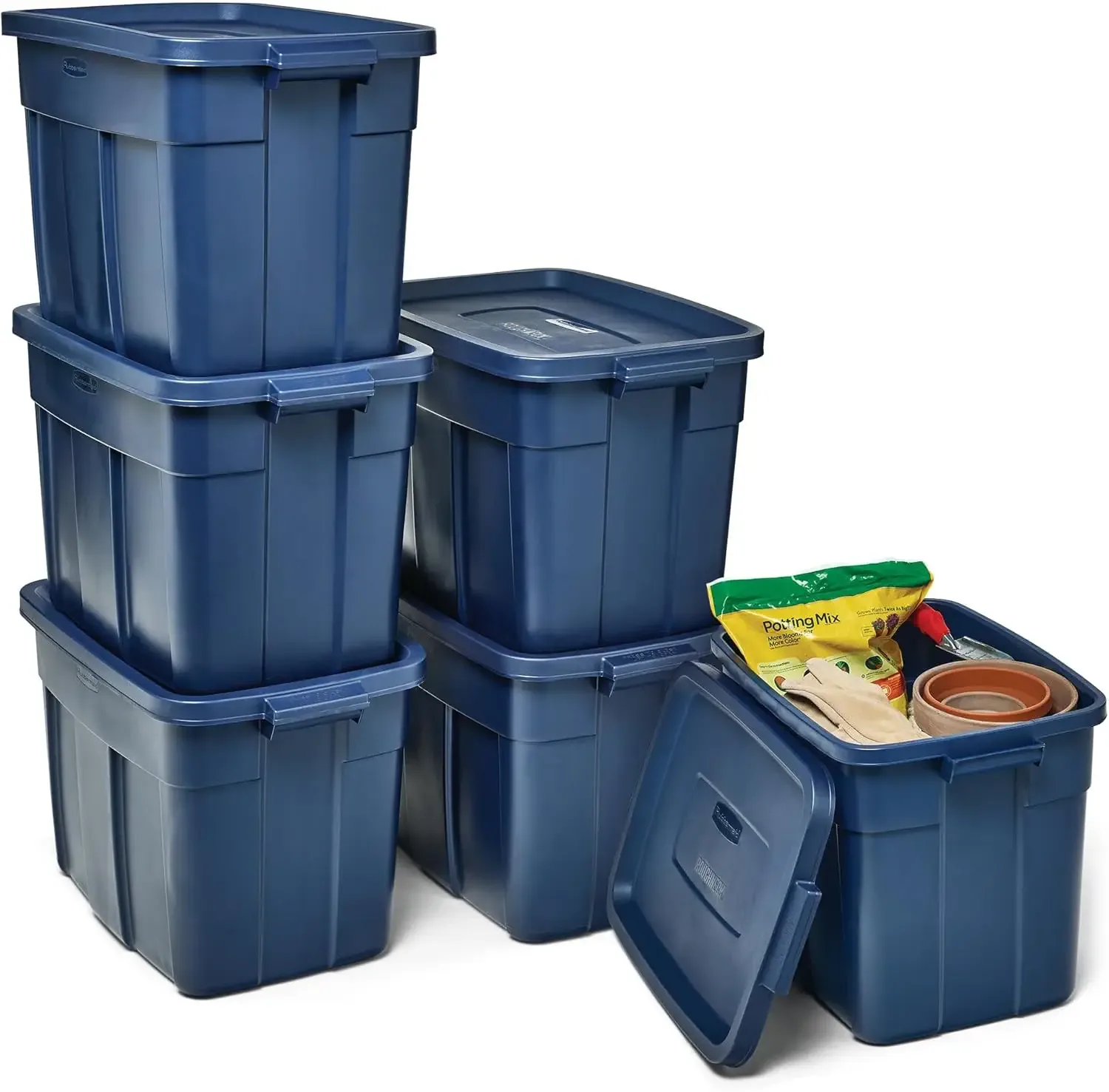
18 Gal Roughneck Tote
Rubbermaid Roughneck Tote 18 Gal, 6 Pack, Made in USA.
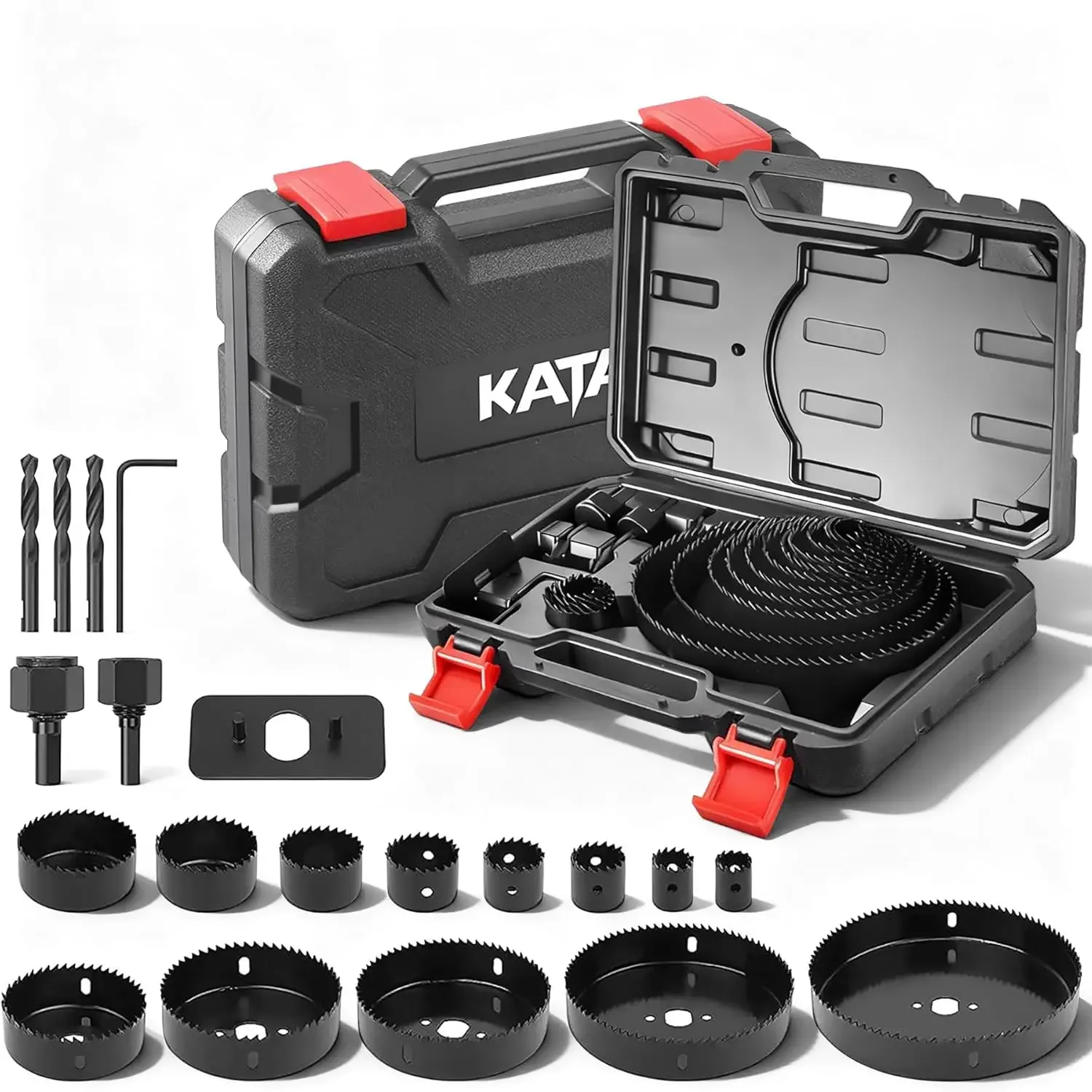
Hole Saw kit
20PCS Hole Saw Set with Multi-Size Saw Blades, Mandrels & Solid Storage Case
Indoor Hydroponic Grow KitView on Amazon: Not feeling DIY? Want to jump right in? Contains everything you need to get up and running quickly. Will still need some seeds, seed starter tray and some vermiculite to germinate the seeds.
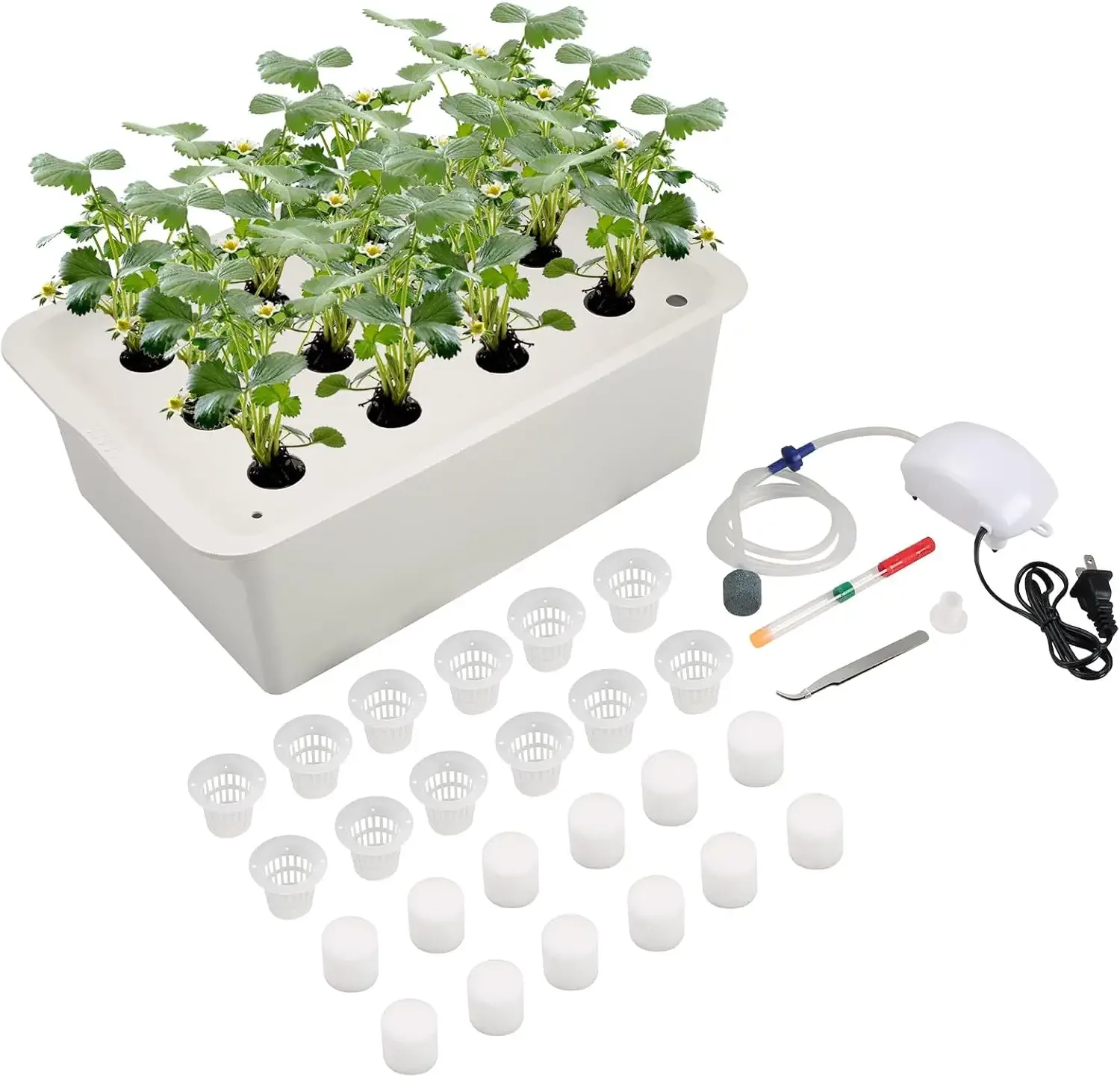
Indoor Herb Garden Kit
Hydroponic System Growing Kit with Air Pump, 12 Holes, Soilless Cultivation Grow Box Garden Cabinet Box for Herbs, Lettuce, Vegetables
Step-by-Step Setup
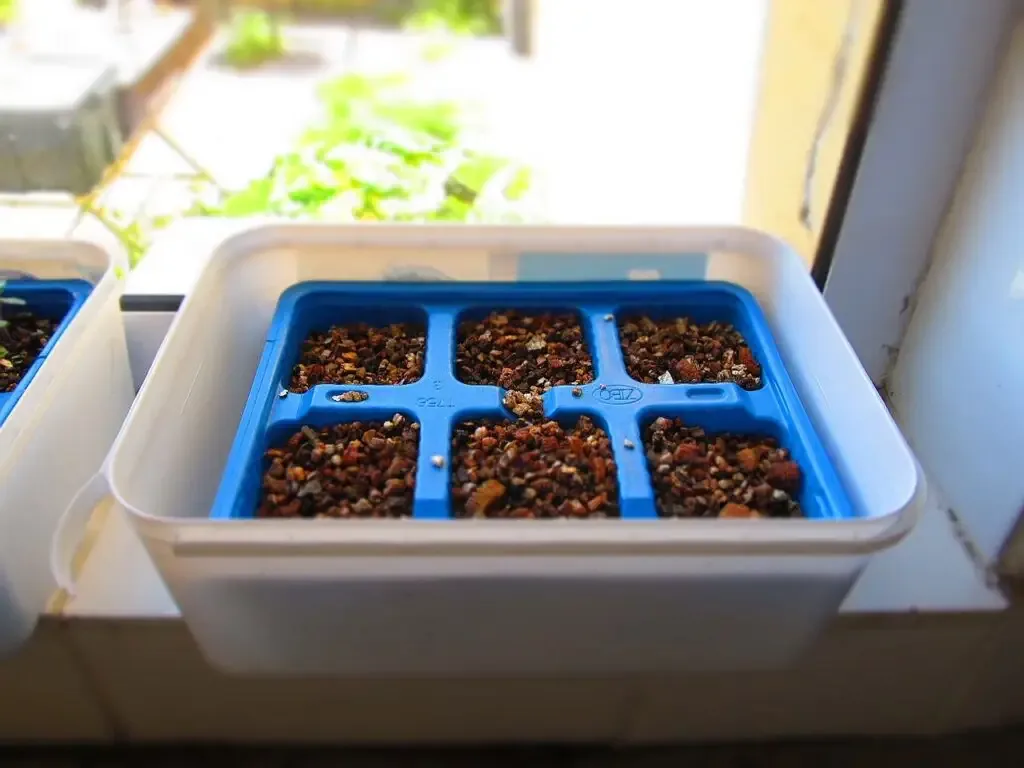
1. Prepare the Seed Starter Tray
- Fill each cell in the seed tray with vermiculite, leaving about an inch of space at the top. Vermiculite is recommended because it retains moisture well without becoming overly saturated, creating an ideal environment for germination.
- Sprinkle two or three seeds per cell and cover them with a thin layer of vermiculite. Planting multiple seeds per cell increases the chances of successful germination and you can thin them out later if needed.
- Water the seeds lightly using a spray bottle to avoid disturbing the vermiculite. Gentle watering ensures the seeds remain in place and the vermiculite stays evenly moist.
- Use only tap water at this stage, as seedlings don’t need nutrients yet. Introducing nutrients too early can hinder germination and potentially harm delicate seedlings.
2. Place in a Bright Area
- Set the seed starter tray container in a well-lit area, like near a sunny window or under a grow light.
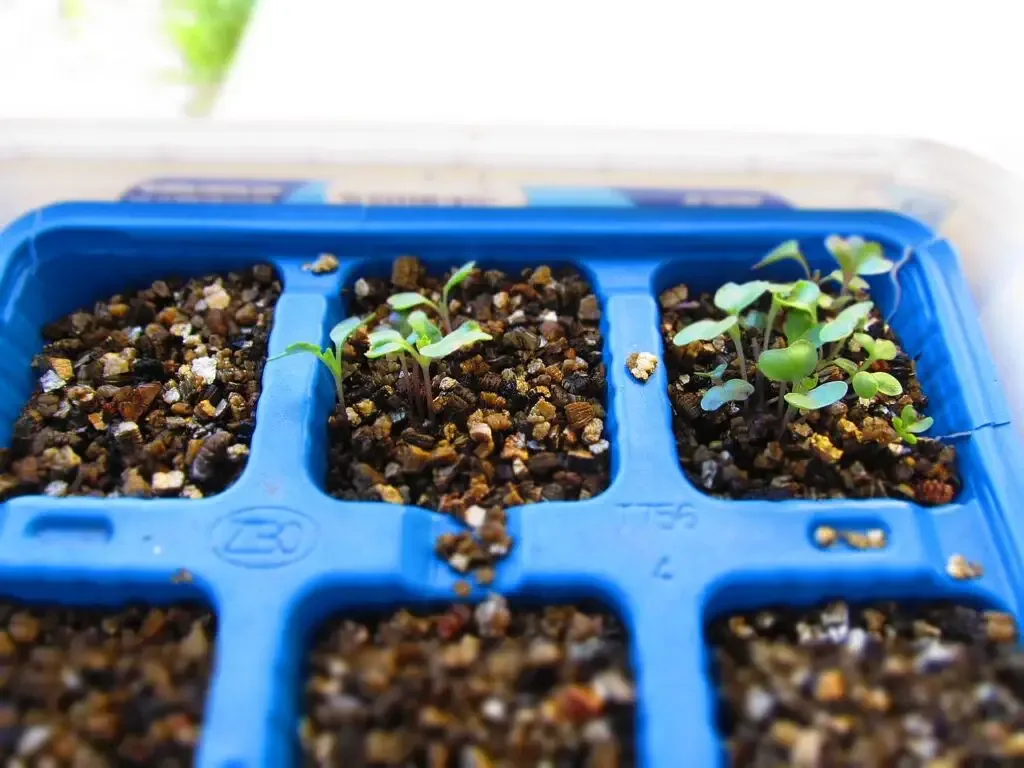
- Most seeds take about 10 to 16 days to germinate, but this can vary depending on the plant species. You can normally find the specific germination time for your chosen plants on the seed packet.
3. Monitor Water Levels
- Ensure the vermiculite remains moist while waiting for germination. Consistent moisture is essential for the seeds to sprout and develop roots.
- Fill the seed tray’s base with about half an inch to an inch of water, allowing it to wick up into the vermiculite. This method provides a steady supply of water without overwatering the seeds.
- Check the water level periodically and add more as needed. The frequency of watering depends on factors like the surrounding temperature and humidity.
4. Seedlings
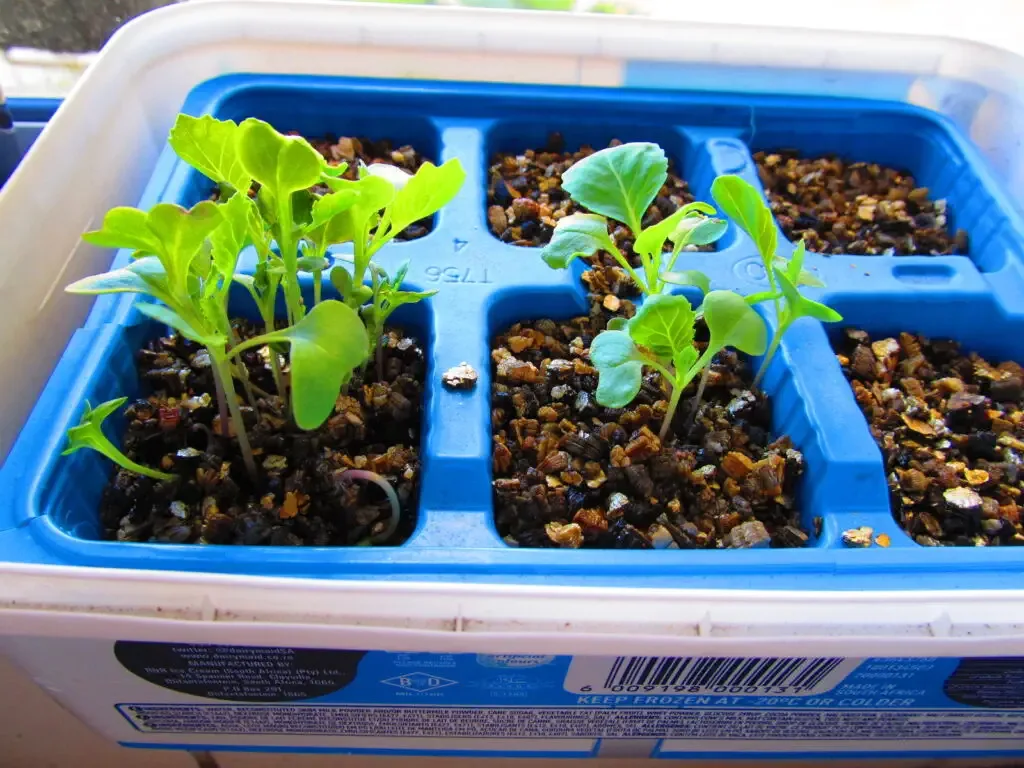
- Once the seedlings reach about 2-3 inches tall, transplant them into net cups filled with Leca clay pebbles. The clay pebbles provide support for the delicate stems and help to aerate the roots.
- Fill the container with a nutrient solution, ensuring the roots are submerged. The nutrient solution provides the essential minerals and elements that plants need for growth.
5. Adult Growing Phase
- The seedlings will adapt to their new environment and start growing rapidly. The Kratky method allows for excellent root development because of the constant access to both water and air.
- As the plants grow, they’ll consume the nutrient solution and the water level will naturally decrease. This gradual lowering of the water level exposes more of the roots to air, promoting healthy root growth.
- You’ll eventually need to refill the container with nutrient solution. The frequency of refilling depends on the plant’s size and growth rate
Related: Common Hydroponic Mistakes Beginners Make and How to Avoid Them
Tips for Success
- Start with Fast-Growing Plants: Leafy greens and herbs are usually faster to grow and more forgiving for beginners.
- Check pH Levels: Hydroponic plants thrive in a pH range of 5.5 to 6.5. If possible, test and adjust pH to keep your plants in their ideal range.
- Don’t use too much Nutrients: Less is more especially when dealing with seedlings, start low and as the plants get bigger you will slowly increase to the full amount of nutrients that’s needed.
Check out our Hydroponic EC and pH Database for recommended nutrient strength and pH values for over 100 different plants!
Conclusion
Starting hydroponics doesn’t have to be costly or complex. With the Kratky method, you can create a low-maintenance, budget-friendly hydroponic system in no time. This method is a great way to dip your toes into hydroponic gardening, with minimal setup and easy maintenance. So why wait? Grab a container, some seeds and start growing fresh, soil-free produce today! Happy Gardening!
Frequently Asked Questions
Do I need an air pump for the Kratky method?
No, the Kratky method is a passive system. As the plants consume water, an air gap is created in the reservoir, allowing the upper roots to absorb oxygen directly from the air.
What crops grow best in a Kratky system?
Fast-growing, shallow-rooted crops like leaf lettuce, spinach, bok choy and herbs like basil thrive best in Kratky setups.
How long does a Kratky system last before harvest?
For fast-growing greens like lettuce, a Kratky system can last the entire life cycle from seedling to harvest (about 4-6 weeks) without ever needing a refill.
Can I top off a Kratky reservoir?
Yes, but you must be careful not to drown the air roots. If the water level drops too low, refill it only partially to maintain the air gap necessary for the roots to breathe.
Does the Kratky method work for anything besides lettuce?
Yes! While lettuce and leafy greens are the most popular, you can also grow herbs like basil and cilantro. Fruiting plants like tomatoes or peppers are possible but require larger reservoirs and more careful nutrient management.
Our Amazon Storefront
Browse all our recommended tools & supplies
Everything we personally use and trust, hand-picked for gardeners like you.
I've been running DWC and Kratky systems for several years and write about what actually works, not textbook theory. Follow along for honest product reviews, practical guides and real grow results.