
As an Amazon Associate, I earn from qualifying purchases. Some links in this article are affiliate links, if you buy through them I may earn a small commission at no extra cost to you.
Quick Summary
- Hydroponic Chamomile: Grow Roman or German chamomile from seed to harvest in 60 to 90 days.
- System Choice: Use Deep Water Culture (DWC) or Ebb and Flow systems for maximum root health.
- Water Chemistry: Keep pH between 5.8 and 6.2. EC varies by growth stage: 0.8–1.0 for seedlings, 1.0–1.4 during vegetative growth, up to 1.6 at flowering, which is lower than most hydroponic herbs.
- Light Cycle: Provide 14–16 hours of daily full-spectrum light to encourage heavy flower production.
- Harvesting Tips: Pick flowers when the white petals lie flat or begin to reflex backwards.
Chamomile is a beloved herb known for its calming properties, delicate flowers and versatility in teas, skincare and aromatherapy. Growing chamomile hydroponically involves cultivating the herb in a soil-free, water-based nutrient system, resulting in faster growth and cleaner flowers for tea. Doing it successfully requires matching the exact nutrient and lighting needs of the plant rather than treating it like heavy-feeding culinary greens.
Quick Grow Stats
| Statistic | Requirement |
|---|---|
| Germination Time | 7–14 Days |
| EC Range | 1.0–1.6 |
| pH Range | 5.5–6.5 |
| Ideal Temperature | 65°F–75°F (18°C–24°C) |
| Time to Harvest | 60–90 Days |
What I Learned From My First Chamomile Grow
When I first tried growing German chamomile in a DWC bucket, I treated it like sweet basil and loaded the nutrient solution to an EC of 2.0. The result was a massive, bushy green plant that smelled like lawn clippings and produced zero flowers.
For my second attempt, I dialed the EC back to 1.2 and kept the water temperature near 70°F. The seeds sprouted in 9 days in rockwool plugs under a dome. By day 65, the net pot was overflowing with clean white roots and a dense canopy of daisy-like blossoms. Roman chamomile grows too low and creeps outward like a carpet, making it awkward for net pots. Stick to German Chamomile (Matricaria recutita) for your deep water culture setups or NFT channels.
Step 1: Choose the Right Chamomile Variety and Hydroponic System
Before planting, select the correct variety. German chamomile (Matricaria recutita) is an upright annual prized for abundant, aromatic blooms, making it well-suited for hydroponic systems. Roman chamomile (Chamaemelum nobile) is a low-growing perennial ground cover that spreads laterally, which creates issues in standard net pots.
For your hydroponic system, you have three primary options:
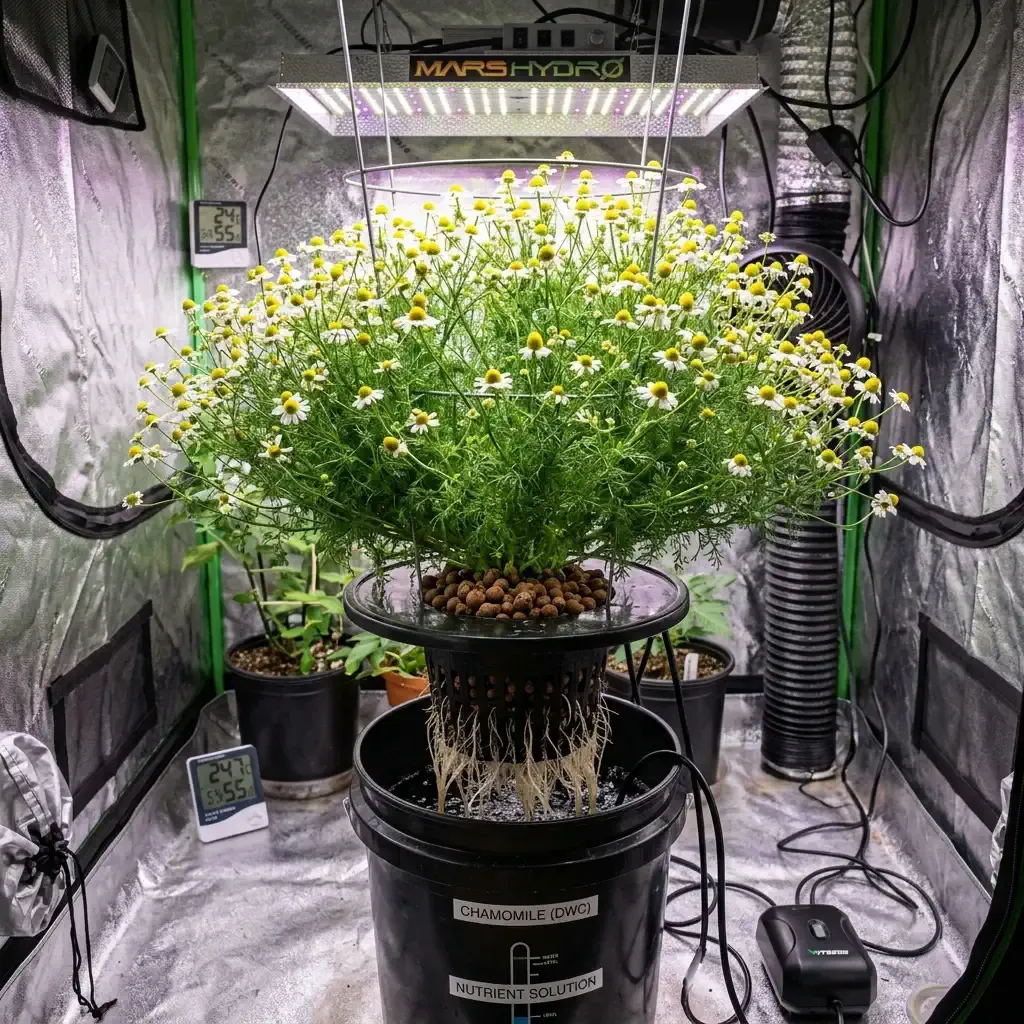
- Deep Water Culture (DWC): Keeps roots submerged in nutrient-rich, aerated water. This is an excellent choice for single plants or small indoor herb gardens because it remains stable and easy to maintain.
- Nutrient Film Technique (NFT): Circulates a thin stream of nutrients over the root tips. NFT works well for horizontal or slightly inclined channels where you grow multiple herbs together.
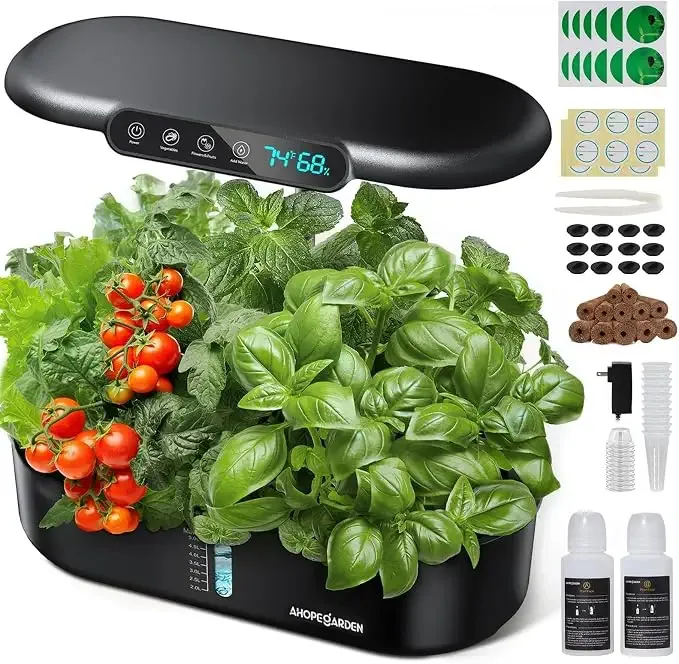
- Countertop DWC Systems: Compact smart gardens that combine a small reservoir with built-in LED grow lights. These units fit comfortably on kitchen counters.
Indoor Garden Hydroponics Growing System
If you'd rather skip the DIY and get growing immediately, this kit includes everything you need: pods, nutrient solution, a grow light and a pump. I'd recommend it for anyone who wants to test hydroponics before committing to a larger build. The pod count is generous for the price and setup takes under 30 minutes. Just add seeds.

German Chamomile Seeds
I've tried three brands and this seed pack from Sow Right Seeds germinates the most consistently. It features non-GMO heirloom seeds that sprout quickly, making them ideal for indoor grow setups where space and predictability matter.
Step 2: Germinating Chamomile Seeds
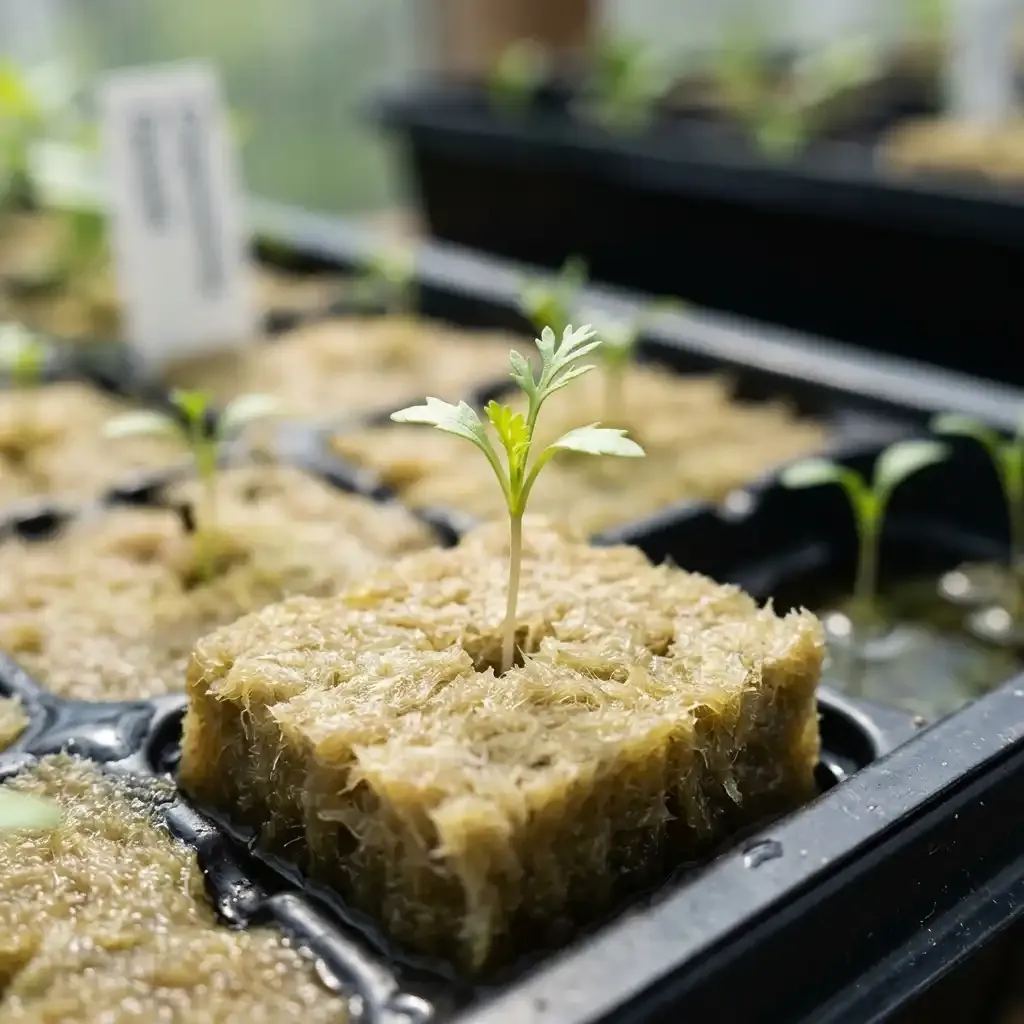
Chamomile seeds are tiny and require light to trigger germination. If you bury them beneath substrate, they fail to sprout. Following proper seed germination guidelines for hydroponics ensures an even sprout rate:
- Pre-Moisten Rockwool Plugs: Soak your rockwool plugs in water adjusted to a pH of 5.5.
- Surface Sow: Drop 3–5 chamomile seeds directly onto the top surface of each plug. Do not cover them with clay pebbles or vermiculite.
- Humidity and Warmth: Place the plugs in a germination tray under a humidity dome. Keep the temperature between 65–75°F (18–24°C).
- Light Exposure: Provide low-intensity light immediately. The seeds sprout within 7 to 14 days.
Step 3: Transplanting and System Setup
Once your seedlings stand about 1 to 2 inches tall and you see white root tips pushing through the sides of the plugs, move them into the main system.
- Place in Net Pots: Position the rockwool plug in the center of a 2-inch or 3-inch net pot.
- Secure with LECA: Fill the remaining space around the plug with expanded clay pebbles (LECA) to support the crown upright.
- Establish the Water Level: Initially, fill your reservoir so the nutrient solution just touches the bottom of the net pot. This allows the pebbles to wick moisture up to the plug.
- Create the Air Gap: Once roots drop through the bottom of the net pot into the reservoir, lower the solution by 1 to 2 inches. This creates an oxygen-rich air gap that shields against crown rot and root disease.
Step 4: EC and pH for Hydroponic Chamomile
Chamomile is a light feeder compared to greens like kale or brassicas. For precise targets across species, review our optimal pH and EC chart.
| Growth Stage | EC (mS/cm) | PPM |
|---|---|---|
| Seedling (weeks 1–3) | 0.8–1.0 | 400–500 |
| Vegetative (weeks 4–8) | 1.0–1.4 | 500–700 |
| Pre-flower / Flowering | 1.2–1.6 | 600–800 |
Keep pH between 5.8 and 6.2 throughout the lifecycle. Chamomile tolerates a wider band of 5.5–6.5, but staying near 6.0 keeps iron and calcium available at the same time, which safeguards flower quality. Learn how to steady your reservoir with our guide on hydroponic pH management.
What happens when EC drifts out of range
- Too low (under 0.8): Growth slows, leaves turn pale green, and flower heads stay small with diluted essential oils. The plant is underfed across the board.
- Too high (over 1.8): Leaf tips brown and curl upward, and lower leaves shed prematurely. Chamomile responds quickly to salt stress because its roots are fine and shallow. Flush the reservoir with plain pH-adjusted water and drop the EC back to 1.0 before stepping it up gradually.
Nutrients and NPK ratio
During flowering, a potassium boost supports volatile oil synthesis. Look for a formula with a higher potassium ratio, such as a 2:1:3 NPK, or supply a bloom additive at half strength. Keep the total EC at or below 1.6 rather than raising concentration to add potassium.
Monitoring EC between reservoir changes
Check EC every two days during active vegetative and flowering periods. Water evaporates and transpires faster than plants take up mineral salts, driving EC upward over time. Top up with plain water between changes, and complete a full reservoir drain and refill every two weeks to prevent nutrient imbalances.
Light Duration
Provide 12 to 16 hours of full-spectrum light daily using LED fixtures. Windowsill light rarely delivers the intensity required for profuse flowering, leading to leggy, weak stems that topple easily.
Step 5: Pruning, Caring and Pest Control
Chamomile is generally low-maintenance, but active canopy management increases your flower yields.
- Pinching Back: When the plants reach 6 inches tall, pinch off the top growing tips. This prompts lateral branching and produces a fuller canopy with more flower buds.
- Air Circulation: Run a gentle circulating fan over the canopy. Steady airflow deters powdery mildew and reduces pest pressure.
- Pest Control: Aphids and thrips occasionally appear on tender shoots. Treat them early with organic insecticidal soap or neem oil spray. Never spray open blossoms that you plan to harvest for tea.
- Root Health: Lift the net pot weekly to inspect root growth. Healthy roots appear clean and white. Brown, slimy roots indicate root rot, typically caused by reservoir temperatures climbing above 75°F (24°C). If rot begins, sanitize the tank, add fresh water, and increase dissolved oxygen with an air pump.
Step 6: Harvesting and Drying Chamomile
Your chamomile flowers are ready to pick when the white ray petals lie flat or begin reflexing backward, with plump yellow cone centers.
- Timing: Harvest in the morning after the lights come on, when essential oil concentrations peak.
- Method: Pluck the flower head at the base of the receptacle using your fingers or small pruning snips.
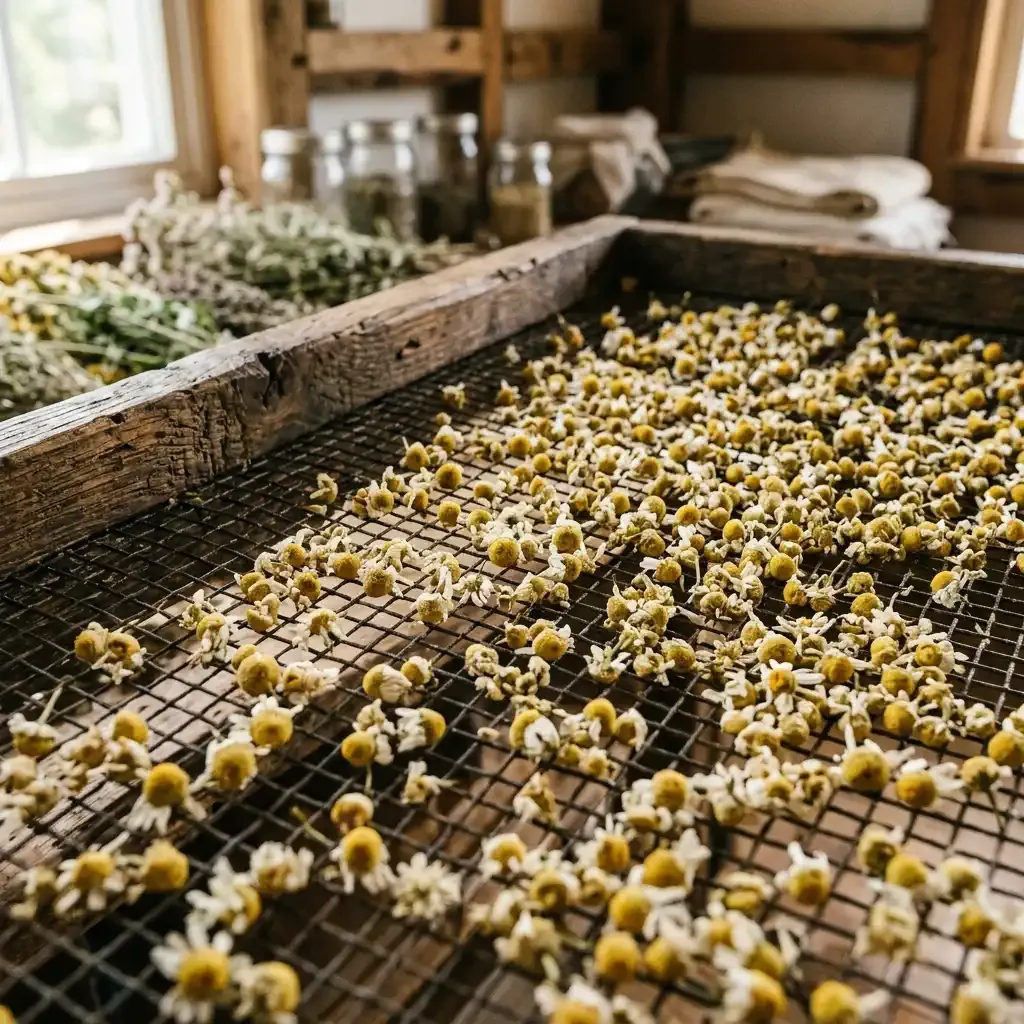
- Drying: Spread the fresh blooms in a single layer over a mesh drying screen in a dark, well-ventilated space.
- Storage: Once the blossoms crumble into dry, papery flakes (usually 7 to 10 days), store them in an airtight glass jar away from direct heat and light.
Benefits of Hydroponic Chamomile
Growing chamomile in a controlled, soil-free environment provides several practical advantages:
- Water Efficiency: Hydroponic recirculating reservoirs consume far less water than field gardening.
- Clean Harvests: Without dirt or soil grit, harvested flower heads require minimal cleaning before drying for tea.
- Consistent Oil Concentrations: Stable nutrient delivery and reliable lighting encourage rich concentrations of aromatic oils like chamazulene and bisabolol.
Troubleshooting Common Issues
- Yellowing Leaves (Chlorosis): Typically caused by iron lockout when pH rises above 6.5. Recalibrate your meter and reset the solution between 5.8 and 6.2.
- Spindly, Leggy Stems: The plant needs more light. Lower your LED fixtures to 12–18 inches above the canopy or extend photoperiod to 16 hours.
- Damping-Off on Seedlings: Caused by high humidity and stagnant air. Remove domes as soon as seeds sprout and improve ventilation.
Recommended Gear for Growing Hydroponic Chamomile
To get the most out of your chamomile grow, here are the tools and accessories I recommend:
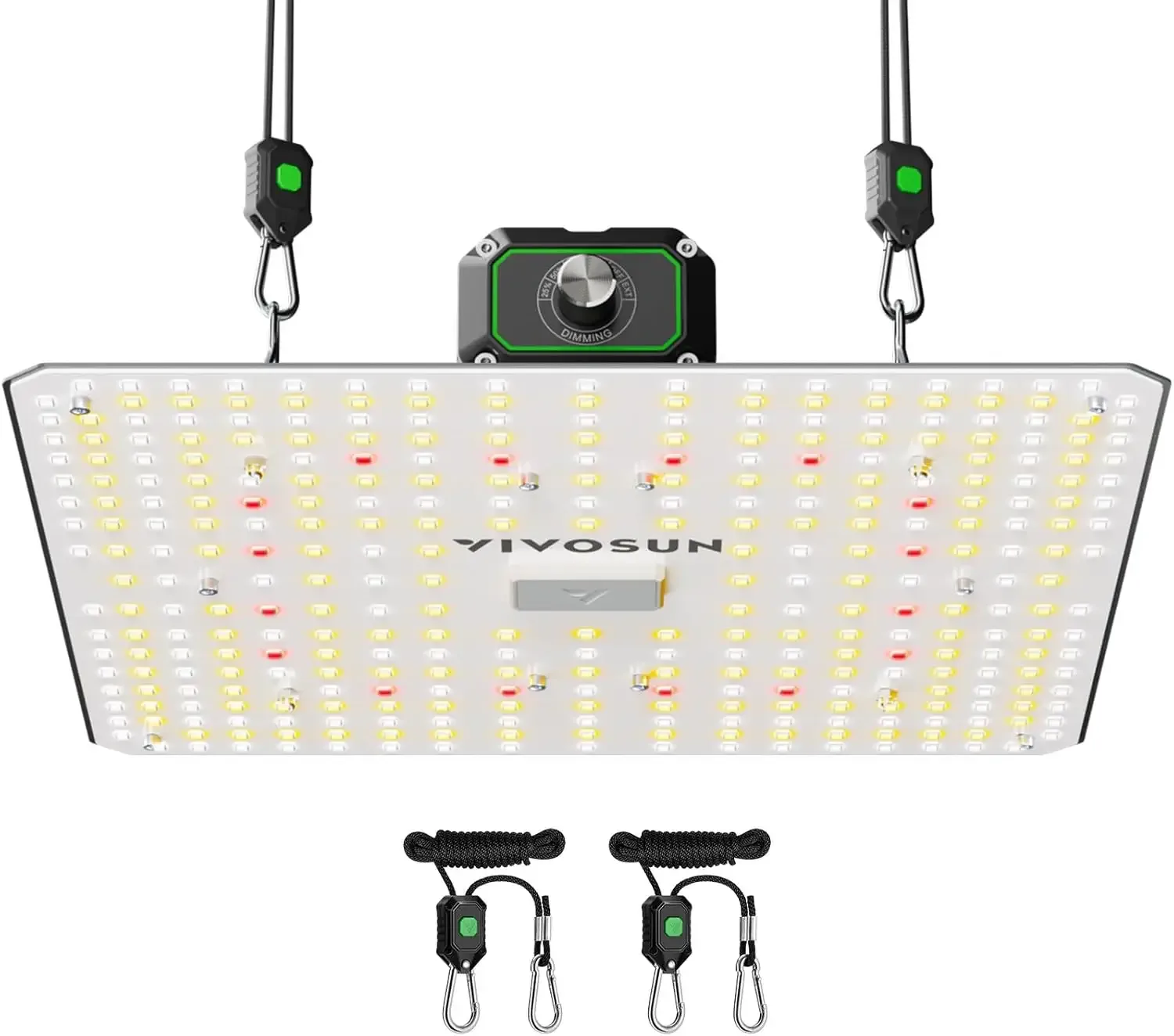
VIVOSUN LumaLight 100W LED Grow Light
If you are building your own DWC bucket or NFT system, you need a high-quality light source. This 100W LED light delivers full-spectrum light that mimics natural sunlight, ensuring your chamomile gets the intensity required to produce heavy blooms.
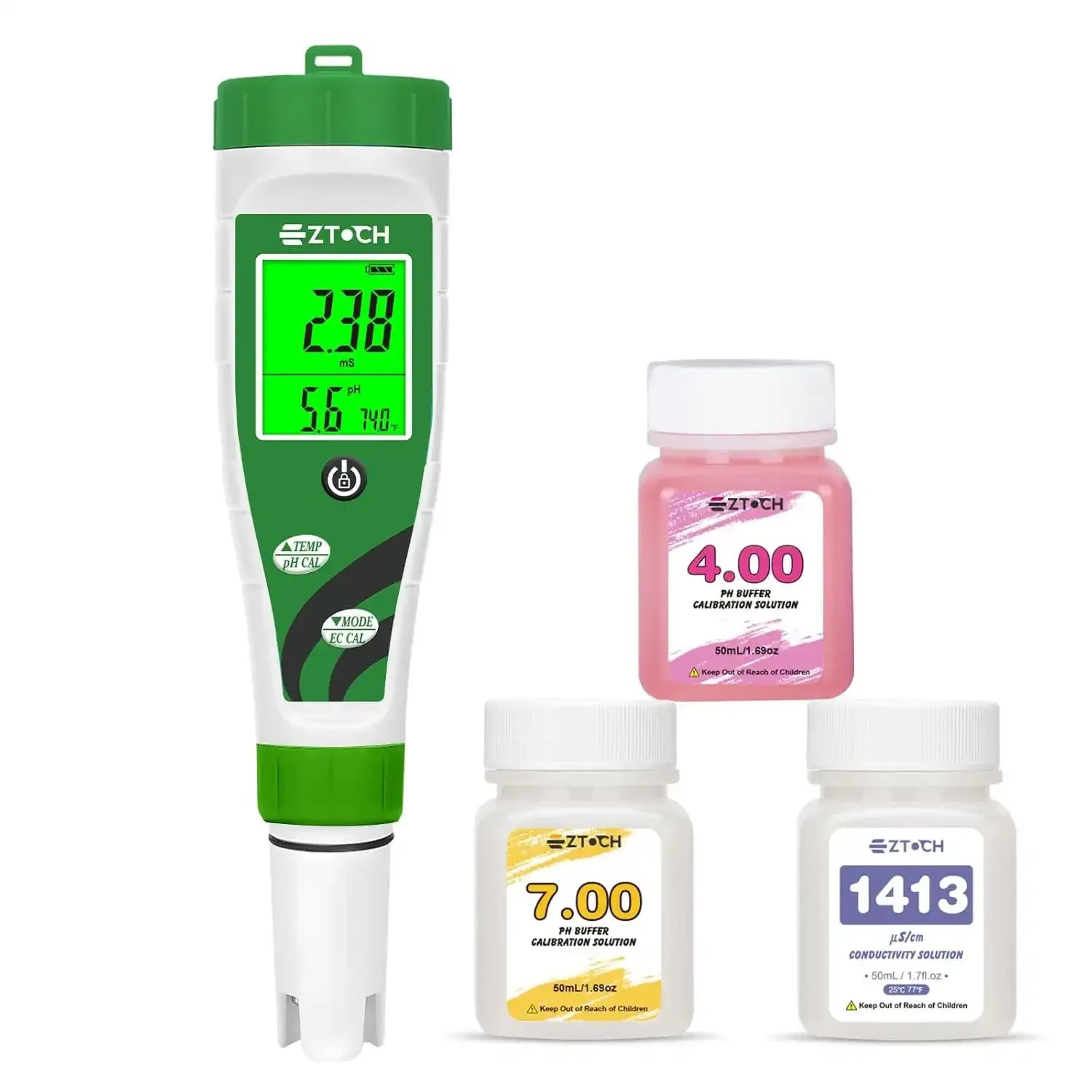
pH and EC Combo Meter Pen
You can't grow healthy hydroponics blind. This digital combo pen measures both pH and EC in seconds, helping you keep your chamomile in the sweet spot of 5.5-6.5 pH and 1.0-1.6 EC.
Conclusion
Growing chamomile hydroponically is a straightforward way to produce high-grade tea herbs year-round. By selecting German chamomile, providing surface light during germination, maintaining moderate EC levels, and pinching back early stems, you can harvest abundant blooms continuously. Keep your reservoir clean, monitor nutrient concentration, and enjoy fresh, homegrown herbal infusions.
Frequently Asked Questions
How long does it take to grow chamomile hydroponically?
Chamomile grows rapidly in hydroponics, typically reaching first flower harvest in 60 to 90 days from germination.
What is the best pH and EC range for hydroponic chamomile?
Keep pH between 5.8 and 6.2 throughout. EC targets change by growth stage: 0.8–1.0 mS/cm for seedlings (weeks 1–3), 1.0–1.4 mS/cm during vegetative growth (weeks 4–8) and 1.2–1.6 mS/cm at pre-flower and flowering. Do not push EC above 1.8; chamomile's fine, shallow roots respond to salt stress faster than most herbs.
Can you grow Roman chamomile hydroponically?
It is not recommended for most setups. Roman chamomile is a low-growing creeping perennial that doesn't adapt well to net pots. German chamomile is much better suited for hydroponics due to its upright growth and abundant flowers.
Why are my hydroponic chamomile leaves turning yellow?
Yellowing is typically chlorosis caused by iron lockout. This usually happens when the pH drifts outside the optimal 5.5–6.5 range. Check your pH pen calibration and ensure your reservoir is properly adjusted.
Our Amazon Storefront
Browse all our recommended tools & supplies
Everything we personally use and trust, hand-picked for gardeners like you.

I've been running DWC and Kratky systems for several years and write about what actually works, not textbook theory. Follow along for honest product reviews, practical guides and real grow results.