As an Amazon Associate, I earn from qualifying purchases. Some links in this article are affiliate links, if you buy through them I may earn a small commission at no extra cost to you.
Quick Summary
- Flood and Drain: Automatically flood the plant root zone with nutrients and drain it back to the reservoir.
- Root Oxygenation: The draining cycle pulls fresh oxygen deep into the growing medium to prevent rot.
- Versatility: Grow a wide variety of plants, from leafy greens to root vegetables, in a single tray.
- Timer Cycles: Set the submersible pump to flood the tray for 15 minutes, 3 to 6 times per day.
- Equipment Needs: Require a tray, a reservoir, a submersible pump, a timer and overflow fittings.
What is an Ebb and Flow Hydroponic System
The ebb and flow system (also known as flood and drain) is a popular type of hydroponic setup that periodically floods plant roots with nutrient-rich water and then drains it away. This cycle provides plants with optimal access to nutrients, water and oxygen, making it a versatile system for growing various plants.
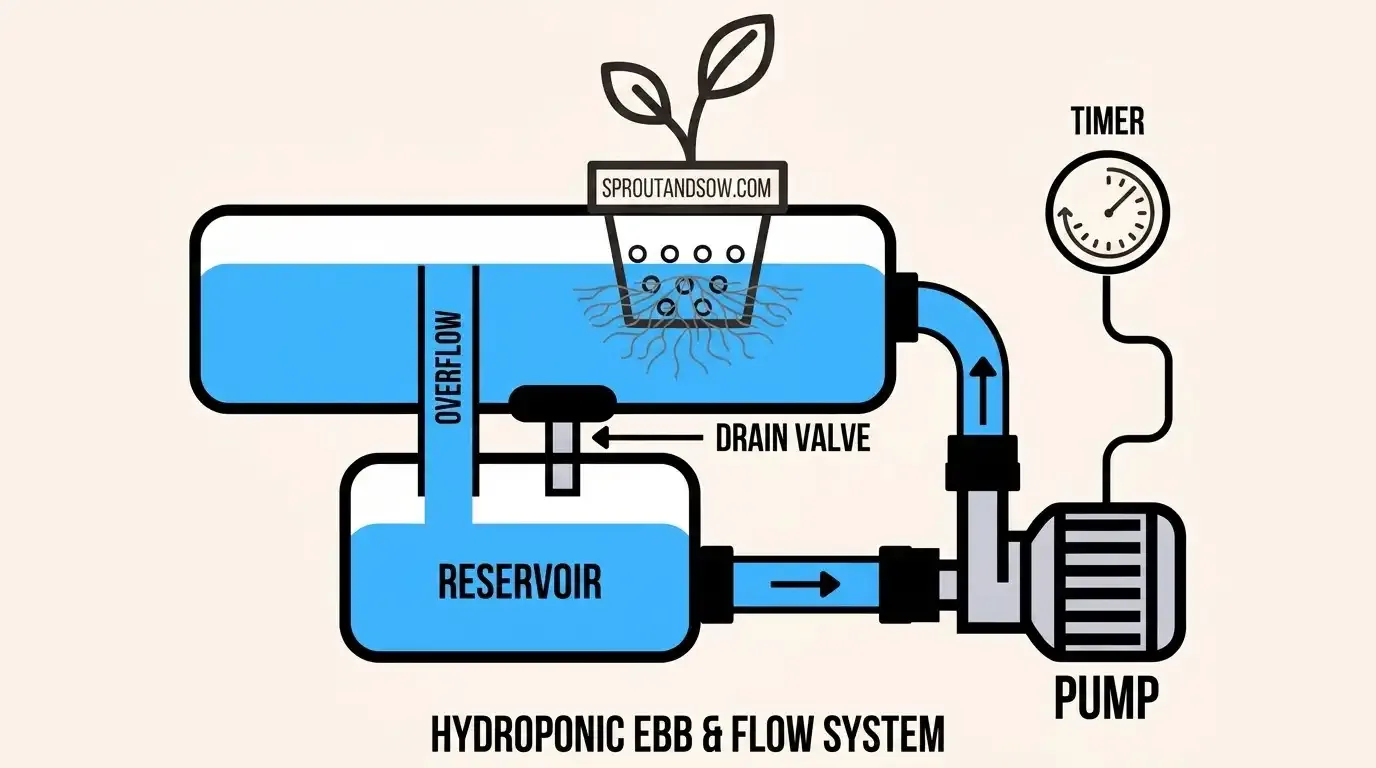
How the Ebb and Flow System Works
- Flooding Stage: A pump moves nutrient solution from a reservoir to flood the plant tray, immersing the roots in water and nutrients. This usually lasts a few minutes and happens multiple times a day, depending on the plant type, growth stage and environmental conditions.
- Draining Stage: After the flooding, the pump turns off and the nutrient solution flows back into the reservoir. As the water drains, fresh oxygen is drawn to the roots, which is essential for healthy plant growth.
- Rest Period: Between cycles, roots remain exposed to oxygen while still retaining moisture. This cycle helps prevent issues like root rot, as roots aren’t constantly submerged.
Benefits of the Ebb and Flow System
Ebb and flow stands out from always-wet systems because it alternates wet and dry phases rather than keeping roots continuously submerged. That contrast is what drives most of its advantages.
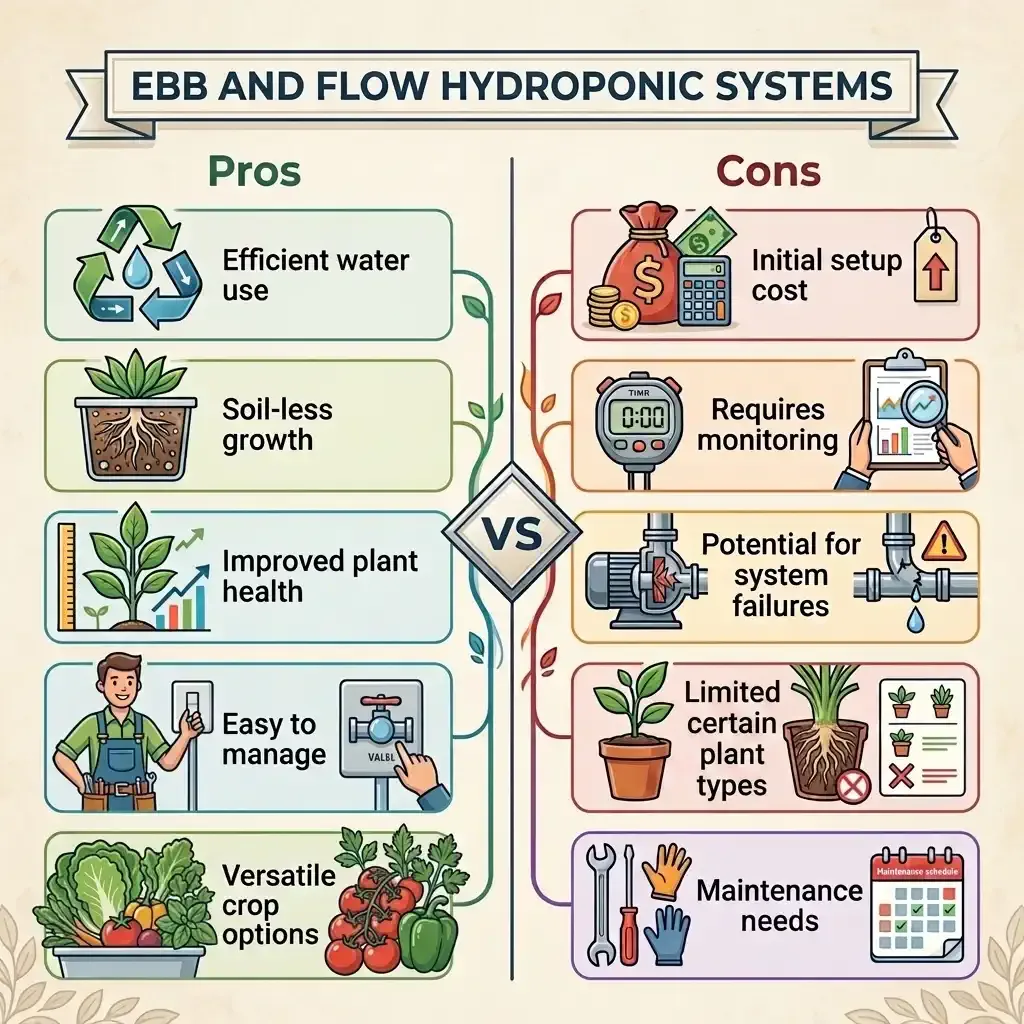
The regular drainage means roots receive strong oxygen exposure between cycles, which directly supports faster growth and helps suppress root diseases, root-zone oxygen is one of the most underestimated variables in controlled-environment growing. Because the nutrient solution is recirculated rather than discarded after each flood, the system is also efficient with water and nutrients, a meaningful benefit if you’re running it long-term indoors.
The biggest practical advantage for beginners is flexibility. By adjusting the pump timer, you can tune the flood frequency to suit almost any crop, from moisture-loving lettuces to drier-preferring herbs, no hardware changes required.
Drawbacks to Consider
- Pump Dependence: The system relies entirely on a working pump and timer, so power outages or equipment failures can leave roots high and dry within hours. A power outage mid-flood is the scenario that catches most new growers off guard, our guide to troubleshooting common hydroponic problems covers what to do when the pump stops unexpectedly.
- Potential for Overwatering: Flooding too frequently can oversaturate the roots, especially for plants that prefer drier conditions. Lighter media like clay pebbles need more cycles; denser media like rockwool need fewer. Monitoring is essential, particularly in the first few weeks.
Equipment You Need to Get Started
A basic ebb and flow setup requires five things:
- Flood tray, A 2×4 ft tray is a practical starting size. It holds enough plants to be worthwhile but is small enough to manage water weight safely on a bench.
- Reservoir, Size it at roughly 50% of the tray volume. A 2×4 tray floods to about 5–6 gallons, so a 10–15 gallon reservoir gives you room to top off between nutrient changes.
- Submersible pump, For a standard 2×4 tray, a pump rated at 160–250 GPH is plenty. Our guide to choosing the right submersible pump walks through flow rate and lift height in more detail.
- Digital timer, A mechanical outlet timer works, but a digital one with multiple on/off settings per day is easier to dial in for 3–6 daily flood cycles.
- Overflow fittings, These set the maximum flood depth (usually 1–2 inches) and drain the tray automatically when it reaches that level.
Choosing a Growing Medium
The growing medium sits between the pump and the plant, so it shapes how many flood cycles you actually need. Two options cover the vast majority of ebb and flow setups:
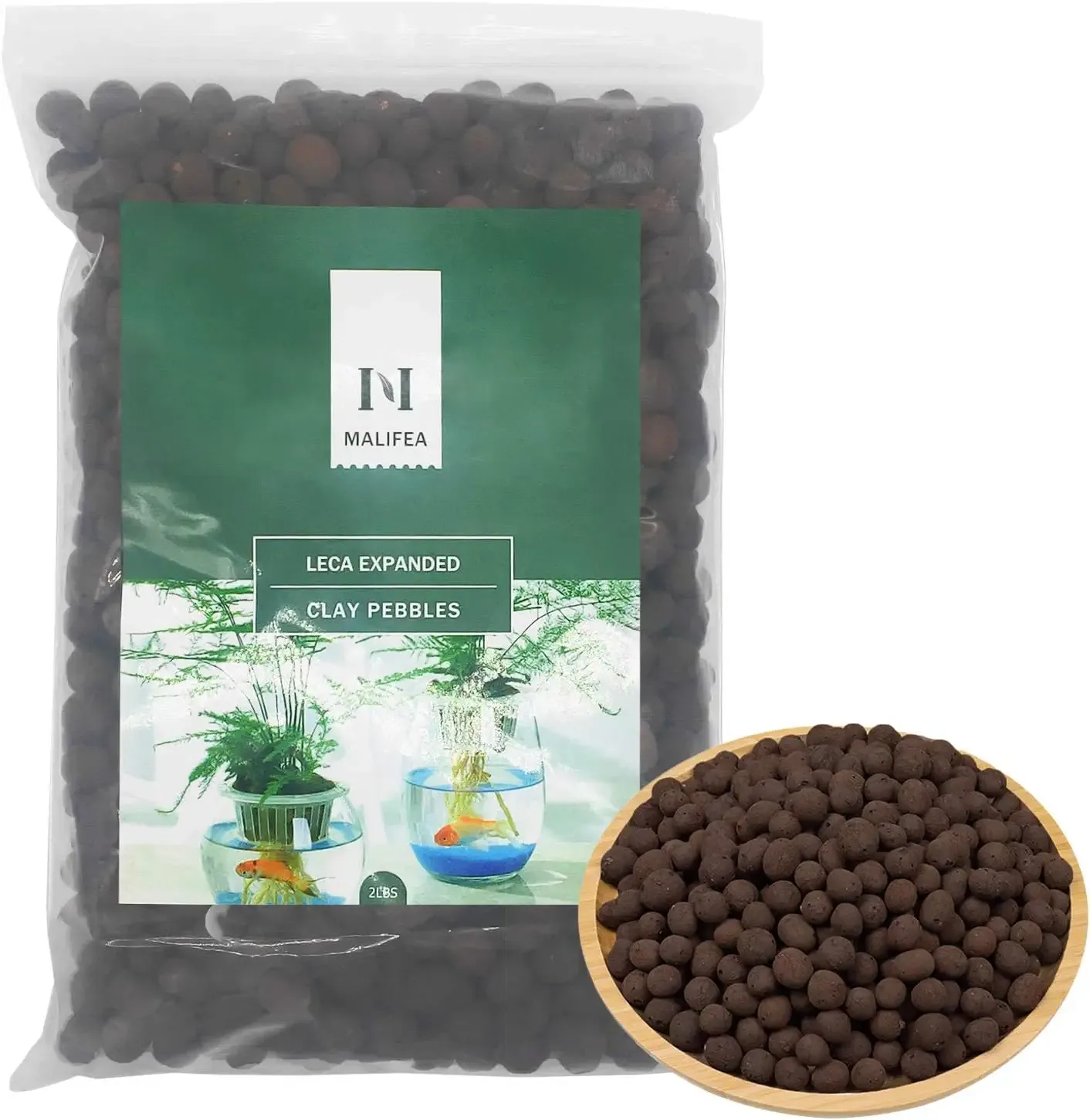
LECA clay pebbles drain almost instantly and hold their shape indefinitely. They’re the default choice for a reason: they don’t compact, don’t decompose and give roots plenty of air pockets between cycles. Start with 4–6 flood cycles per day.
Leca Clay Pellets
Perfect for flood and drain setups, these expanded clay pebbles are porous, lightweight, and hold their shape indefinitely. They provide excellent aeration and drainage for roots between watering cycles.
Rockwool holds more moisture, which suits seedlings and is helpful in warmer rooms where pebbles might dry out too fast. Because it stays wetter longer, you can often drop to 3–4 daily floods. The trade-off is that rockwool eventually breaks down and needs replacement and it requires pre-soaking and pH adjustment before first use (soak at pH 5.5–6.0 for several hours).
Avoid potting soil or coco coir in a flood tray, both can flush particles into your reservoir and clog the pump intake.
Starting pH and EC
Getting the chemistry right from day one prevents most of the nutrient problems beginners encounter. For the nutrient solution in your reservoir:
- pH: Target 5.8–6.2 for leafy greens and herbs. Slightly higher (up to 6.5) is fine for fruiting plants like peppers and tomatoes.
- EC (electrical conductivity): Start at 1.2–1.6 mS/cm for seedlings and young plants, then increase to 1.8–2.2 mS/cm as plants mature. Fruiting crops in flower can handle up to 2.5 mS/cm.
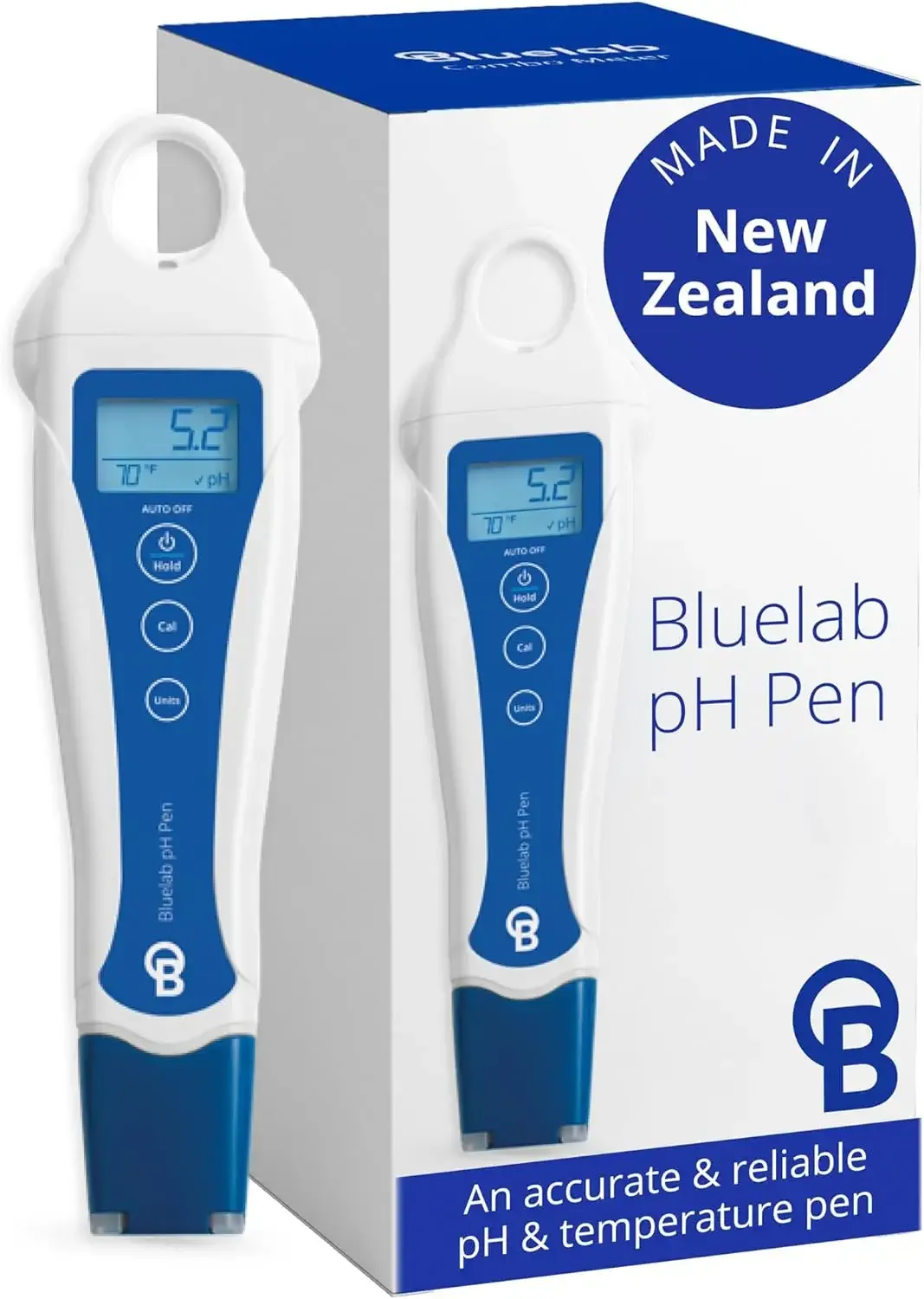
Bluelab pH Pen
A highly accurate, laboratory-grade digital pH tester designed specifically for hydroponic reservoirs. Waterproof, auto-calibrating, and featuring automatic temperature compensation to ensure precise readings every time.
Check both readings every two to three days. When EC rises faster than expected, it usually means plants are drinking water but not nutrients, dilute slightly. When it drops faster, they’re feeding hard, top off with fresh nutrient solution. For a full crop-by-crop breakdown, see our optimal pH and EC values for hydroponic herbs and plants.
Common Plants for Ebb and Flow Systems
Leafy greens, herbs, peppers and flowering plants all adapt well to ebb and flow, benefiting from the oxygen and nutrient boost of the regular flood and drain cycle. If you’re starting with leafy greens and want to compare ebb and flow against other beginner-friendly options, our Nutrient Film Technique vs. Deep Water Culture breakdown shows how the systems differ in practice. For a full list of crops suited to first-time growers, see the best hydroponic plants for beginners.
Next Steps
If the flood-and-drain cycle appeals to you, the fastest path to your first working system is to sort the pump and timer before anything else, those two components determine whether everything else functions. Once you’ve chosen them, growing medium selection and reservoir sizing follow naturally from what you’re planting.
If you’re still weighing ebb and flow against other systems, our complete beginner’s guide to hydroponics covers every major setup side by side so you can choose with confidence before you buy anything.
Frequently Asked Questions
How often should an ebb and flow system flood?
Generally, ebb and flow systems flood 3 to 6 times a day for about 15 minutes, depending on the growing medium's water retention and room temperature. Lightweight media like LECA clay pebbles drain fast and may need 4 to 6 cycles; moisture-retentive media like rockwool can often get away with 3.
What is the biggest risk of an ebb and flow system?
The main risk is pump failure or power outage; because the roots do not sit in water constantly, they can dry out quickly if the cycle is missed. A battery backup timer or a simple float valve in the tray can buy you several hours if the power goes out.
What growing medium works best in an ebb and flow system?
LECA clay pebbles (expanded clay) are the most common choice because they drain freely, hold their shape and don't break down over time. Rockwool cubes also work well for seedlings and established plants, but they retain more moisture, so you may need to reduce flood frequency slightly.
What pH and EC should I target in an ebb and flow system?
For most leafy greens and herbs, target a pH of 5.8 to 6.2 and an EC of 1.2 to 2.0 mS/cm. Fruiting plants like peppers can handle up to 2.5 mS/cm. Check your reservoir every two to three days and top off with plain water (not nutrient solution) to maintain EC as plants drink.
Our Amazon Storefront
Browse all our recommended tools & supplies
Everything we personally use and trust, hand-picked for gardeners like you.

I've been running DWC and Kratky systems for several years and write about what actually works, not textbook theory. Follow along for honest product reviews, practical guides and real grow results.