As an Amazon Associate, I earn from qualifying purchases. Some links in this article are affiliate links, if you buy through them I may earn a small commission at no extra cost to you.
Quick Summary
- Green Ammonia: Produce fertilizer using renewable energy and water, eliminating carbon emissions.
- Haber-Bosch Limit: Replace fossil-fuel-reliant traditional ammonia synthesis with clean electrolysis.
- Supply Chain Impact: Understand how green ammonia could reduce the environmental footprint of farm nutrients.
- Cost Barrier: Acknowledge that green ammonia currently costs significantly more than conventional fertilizer.
- Hydroponic Future: Prepare for the transition to zero-carbon nitrogen sources in commercial liquid nutrients.
Green ammonia is frequently discussed as a zero-carbon maritime fuel, but its direct impact on controlled environment agriculture centers on fertilizer supply chains.
Nearly every commercial hydroponic fertilizer formula relies on ammonia-derived nitrogen, including calcium nitrate, ammonium phosphate, and potassium nitrate. The transition from fossil-derived ammonia to renewable synthesis will alter wholesale nutrient manufacturing and carbon accounting standards.
What Is Green Ammonia?
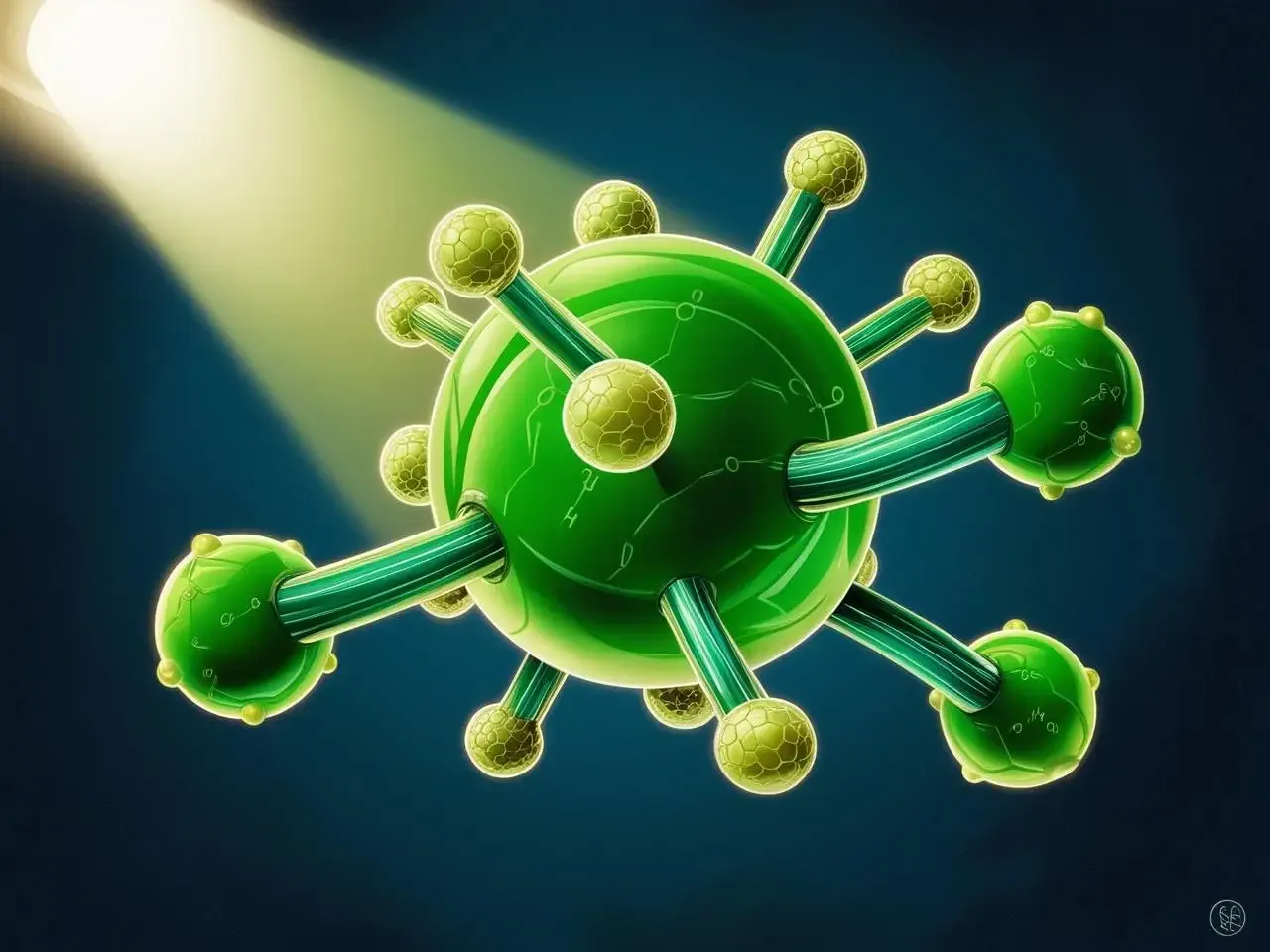
Ammonia (NH₃) consists of one nitrogen atom and three hydrogen atoms. Conventional “grey” ammonia produces hydrogen by stripping methane from fossil natural gas using steam methane reforming. Reacting that hydrogen with atmospheric nitrogen via the Haber-Bosch process accounts for roughly 1% to 2% of annual global carbon dioxide emissions, according to the Royal Society.
Green ammonia retains the catalytic Haber-Bosch synthesis step, but sources its hydrogen through water electrolysis powered by wind, solar, or hydroelectric generators:
- Electrolysis: Renewable electricity splits purified water (H₂O) into gaseous hydrogen (H₂) and oxygen (O₂).
- Air Separation: An air separation unit (ASU) cryogenically isolates pure nitrogen (N₂) from the atmosphere.
- Synthesis: Hydrogen and nitrogen react under high pressure (100–250 bar) and temperature (400–500°C) over an iron catalyst to synthesize pure NH₃.
The synthesized product is molecularly identical to conventional ammonia, requiring no modifications to downstream agricultural blending equipment.
Ammonia Production Classifications
| Ammonia Classification | Primary Hydrogen Source | Carbon Capture Applied | Carbon Footprint | Relative Production Cost |
|---|---|---|---|---|
| Grey Ammonia | Natural gas (steam methane reforming) | None | 1.8–2.5 t CO₂ / t NH₃ | Baseline low cost |
| Blue Ammonia | Natural gas (steam methane reforming) | Carbon capture and storage (CCS) | Moderate (0.5–1.0 t CO₂ / t NH₃) | Moderate (+20% to +40%) |
| Green Ammonia | Water electrolysis via renewables | N/A (Zero process emissions) | Near zero | High (2× to 3× baseline) |
Fertilizer Supply Chain Dynamics
Approximately 80% of global ammonia production goes directly into nitrogen fertilizers. The International Energy Agency’s Ammonia Technology Roadmap estimates that decarbonizing ammonia synthesis could remove over 450 million tonnes of industrial emissions annually.
For commercial hydroponic cultivators, this supply chain shift introduces two commercial factors:
- Scope 3 Carbon Accounting: Institutional produce distributors and grocery chains increasingly audit supplier supply chains. Nutrients synthesized with green ammonia lower the embodied carbon intensity per pound of harvested greens.
- Cost Trajectory and Tariffs: Green ammonia currently trades at $600 to $1,200 per metric ton compared to $200 to $400 for conventional grey ammonia. However, regulatory frameworks such as the European Union’s Carbon Border Adjustment Mechanism (CBAM) impose tariffs on high-emission fertilizers, narrowing the retail price difference.
To evaluate crop nitrogen requirements, read our guide on choosing the best hydroponic nutrients and consult target ranges in optimal pH and EC values for hydroponic herbs and plants.
Commercial Infrastructure Deployment
Several utility-scale facilities are commissioning renewable ammonia output:
- NEOM Green Hydrogen Complex (Saudi Arabia): A multi-gigawatt wind and solar project engineered to synthesize 600 metric tons of green ammonia daily for international export.
- Yara International (Porsgrunn, Norway): The multinational fertilizer producer is integrating grid-scale electrolyzers into its existing manufacturing plants to deliver commercial-grade low-carbon nitrates.
- Maritime Transport Demand: Dual-fuel maritime container engines developed by MAN Energy Solutions and Wärtsilä create high-volume demand that scales regional electrolysis infrastructure.
Production Bottlenecks
- Electrolyzer Capital Expenses: Proton exchange membrane (PEM) and alkaline electrolyzers require rare metals and heavy capital investment, limiting near-term production volumes.
- Pressurized Handling and Safety: Ammonia is an anhydrous toxic alkaline gas requiring refrigerated low-temperature storage tanks or high-pressure steel containers.
- Renewable Grid Capacity: Electrolyzers must run on verified renewable power; operating on fossil-heavy regional grids negates emissions savings.
Implications for Hydroponic Growers
While retail shelf products remain primarily conventional formulations today, operators should prepare for two developments:
- Low-Carbon Brand Certifications: Over the next three to five years, agricultural suppliers will introduce certified low-carbon liquid fertilizers aimed at indoor vertical farms.
- Resource Efficiency Advantages: Closed-loop hydroponic systems utilize nitrogen inputs up to 90% more efficiently than field soil applications, eliminating fertilizer leaching and agricultural runoff into ground water. For an analysis of resource consumption, see our breakdown of hydroponics vs. traditional gardening.
Editor’s Note: Parts of this guide were structured and optimized with the assistance of AI, then thoroughly reviewed, edited and expanded with first-hand growing experience by our author Raymond to ensure practical, real-world accuracy.
Frequently Asked Questions
What is green ammonia?
Green ammonia is chemically identical to conventional ammonia (NH₃), but synthesized using renewable electricity rather than fossil fuels. Hydrogen is produced via water electrolysis rather than steam methane reforming, eliminating carbon emissions during production.
How is green ammonia made?
Renewable energy (solar, wind, or hydroelectric) powers an electrolyzer that splits water into hydrogen and oxygen. The hydrogen is combined with atmospheric nitrogen in a Haber-Bosch reactor to produce zero-carbon ammonia.
How does green ammonia differ from blue or grey ammonia?
Grey ammonia uses natural gas without emissions capture. Blue ammonia uses natural gas paired with carbon capture and storage (CCS). Green ammonia uses 100% renewable electricity and produces no process carbon dioxide.
When will green ammonia affect fertiliser prices?
The International Energy Agency projects cost parity with grey ammonia in regions with abundant renewable electricity by the early 2030s. Cross-border carbon adjustments (such as the EU CBAM) are introducing carbon premiums to retail fertilizers earlier.
Does green ammonia matter for home hydroponic growers?
For residential hobbyists, supply chains are unchanged today. For commercial growers, low-carbon certified mineral nutrients will offer verified supply-chain decarbonization and marketing differentiation for wholesale buyers.
Our Amazon Storefront
Browse all our recommended tools & supplies
Everything we personally use and trust, hand-picked for gardeners like you.

I've been running DWC and Kratky systems for several years and write about what actually works, not textbook theory. Follow along for honest product reviews, practical guides and real grow results.