As an Amazon Associate, I earn from qualifying purchases. Some links in this article are affiliate links, if you buy through them I may earn a small commission at no extra cost to you.
Quick Summary
- Cold Season Crops: Focus on hardy vegetables like spinach, kale, carrots, and winter herbs such as thyme and rosemary.
- Frost Protection: Use cold frames, low tunnels, and medium-weight frost cloth to insulate active crops.
- Indoor Starting: Start seeds indoors under grow lights to prepare transplants for early spring beds.
- Microclimate Management: Position winter garden beds in south-facing locations to capture maximum low-angle winter sunlight.
- Watering Routine: Cut watering frequency significantly, as cold soil holds moisture far longer than warm soil.
Winter does not have to mark the end of your gardening year. Shifting your strategy from keeping summer crops alive to working with cold-tolerant species allows you to harvest fresh greens and roots throughout the winter.
Understanding plant hardiness, moisture dynamics, and protective coverings transforms the cold months into a steady growing season. For seasonal overviews and planning hubs, explore our Winter Season Gardening hub.
Understanding Winter Gardening Basics
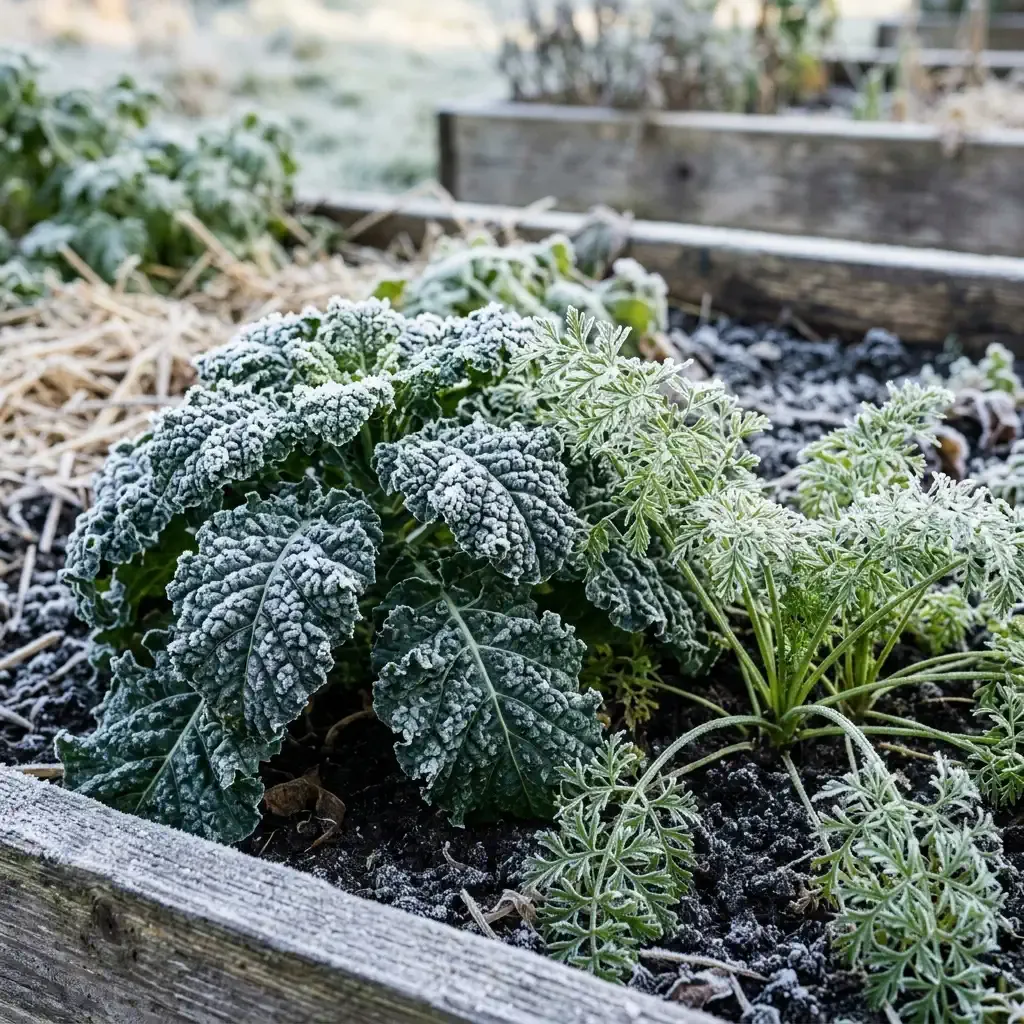
Winter gardening centers on understanding plant physiology. Many cold-hardy vegetables taste sweeter and maintain firmer texture when exposed to cold temperatures.
Kale converts stored starches into sugars after light freezes, using the higher sugar concentration as natural cellular antifreeze. Carrots, parsnips, and Brussels sprouts similarly sweeten as temperatures drop. Understanding cool-season vs warm-season crops helps you choose varieties genetically equipped to handle sub-freezing weather.
The primary challenges during winter include:
- Shielding crops from drying sub-zero winds
- Selecting cold-hardy varieties adapted to your hardiness zone
- Managing short daylight hours and low sun angles
- Preventing soggy, oxygen-depleted soil in low-evaporation conditions
Essential Winter Garden Planning
Planning begins with your local climate data. Your USDA Hardiness Zone dictates minimum winter temperatures and determines whether crops can overwinter outdoors or require protected structures. If you are uncertain about your rating, consult our guide to USDA planting zones.
For balanced winter yields, structure your space across three methods:
- Indoor growing: Microgreens, culinary herbs, and early spring seedlings under lights
- Sheltered cultivation: Cold frames, unheated hoop houses, and low tunnels
- Outdoor overwintering: Root crops and hardy brassicas insulated under deep mulch
Review our full rundown of frost-tolerant plants to match specific varieties like Bloomsdale spinach or Danvers carrots to your winter targets.
Winter Planting Calendar by Hardiness Zone
| Zones | Winter Planting Strategy | Best Crops to Start | Key Tasks |
|---|---|---|---|
| Zones 3–4 | Full Indoor Focus / Heavy Outdoor Cover | Indoor microgreens, indoor herbs | Insulate empty beds with deep mulch, set up indoor grow lights |
| Zones 5–6 | Low Tunnels & Cold Frames | Spinach, kale, claytonia, winter radishes | Direct sow under cold frames early winter, monitor soil moisture |
| Zones 7–8 | Outdoor Hardy Crops with Light Cover | Carrots, beets, parsnips, hardy brassicas | Direct sow cold-hardy greens, apply medium frost cloth during snaps |
| Zones 9+ | Active Outdoor Cool-Season Growing | Broccoli, cauliflower, lettuce, peas, cilantro | Plant cool-season crops without covers, maintain standard watering |
Protecting Plants from Cold Damage
Freezing air desiccates leaves, while freezing soil can heave roots out of the ground. Proper insulation buffers crops against both threats.
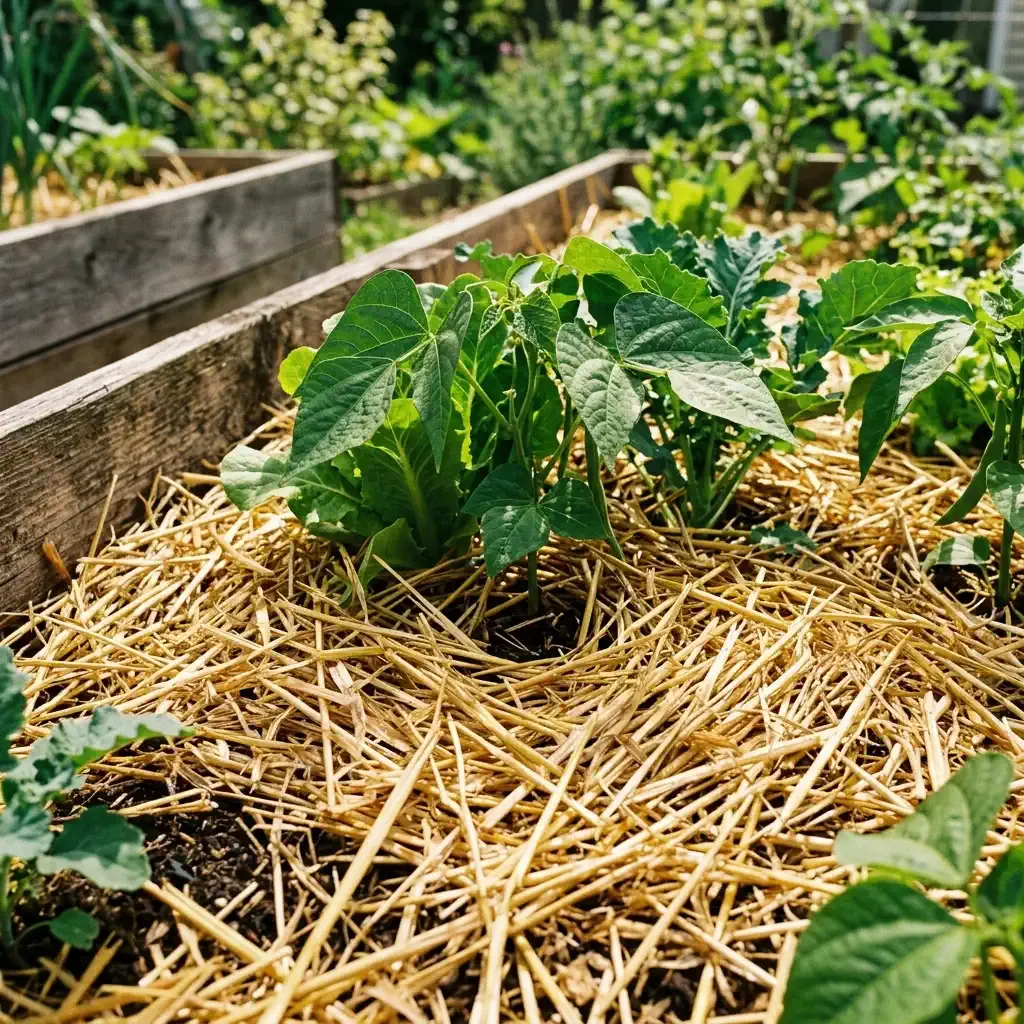
Mulching acts as your first line of defense. A thick blanket of straw, shredded leaves, or clean wood chips stabilizes ground temperatures, preventing the rapid freeze-thaw cycles that damage root crowns. Applying clean, seed-free mulch such as Organic Weed-Blocking Straw MulchView on Amazon protects dormant perennials and overwintering roots alike.
Organic Weed-Blocking Straw Mulch
- Clean & Seed-Free: Filtered non-GMO wheat straw that won’t introduce weed seeds into garden beds.
- Conserves Water: Retains soil moisture to protect roots, cutting evaporation and cold-season watering demands.
- Stays Put: Specially cut straw fibers interlock when watered, resisting wind displacement. A single 3 cu ft compressed bale covers 100 sq ft at 2–3 inches deep.
Cold-protection tools include:
- Floating row covers and spunbonded frost cloths
- Low hoop tunnels and unheated cold frames
- Deep organic mulch over root zones
- Thermal mass placement (south-facing brick or stone walls that absorb day heat and radiate it at night)
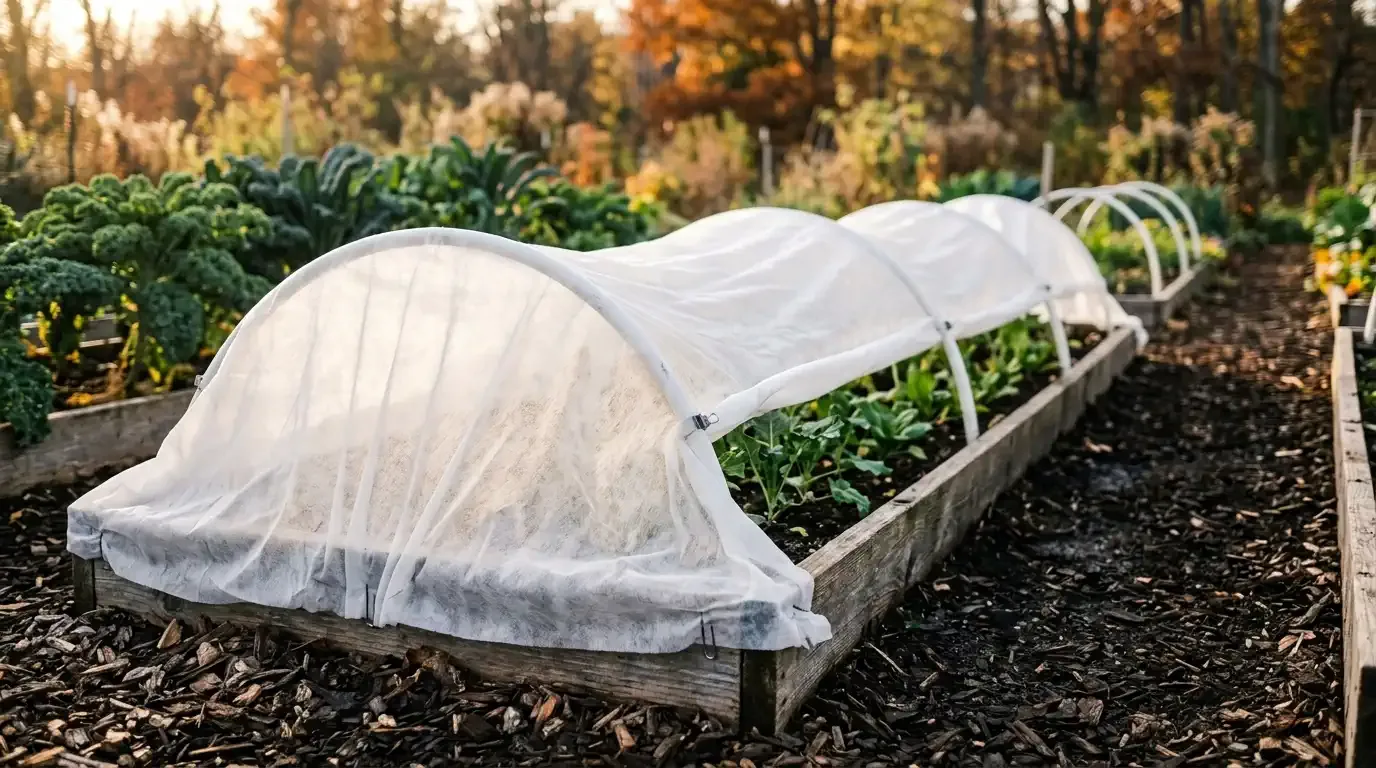
Selecting the Right Frost Cloth Weight
Using the proper fabric weight ensures adequate insulation without starving plants of sunlight:
- Light-Weight (0.5 oz/sq yd): Delivers 2°F–3°F of freeze protection and transmits 85% of ambient light. Best for autumn harvest extensions or early spring seedling protection.
- Medium-Weight (1.0–1.5 oz/sq yd): Provides 4°F–6°F of freeze protection with 60–70% light transmission. The standard choice for general winter crop insulation.
- Heavy-Weight (2.0+ oz/sq yd): Offers 8°F+ of freeze protection but reduces light transmission to 30–50%. Reserve this for extreme freezes and remove once temperatures rise.
For general bed protection, Plant Covers for Frost ProtectionView on Amazon offers durable, breathable coverage.
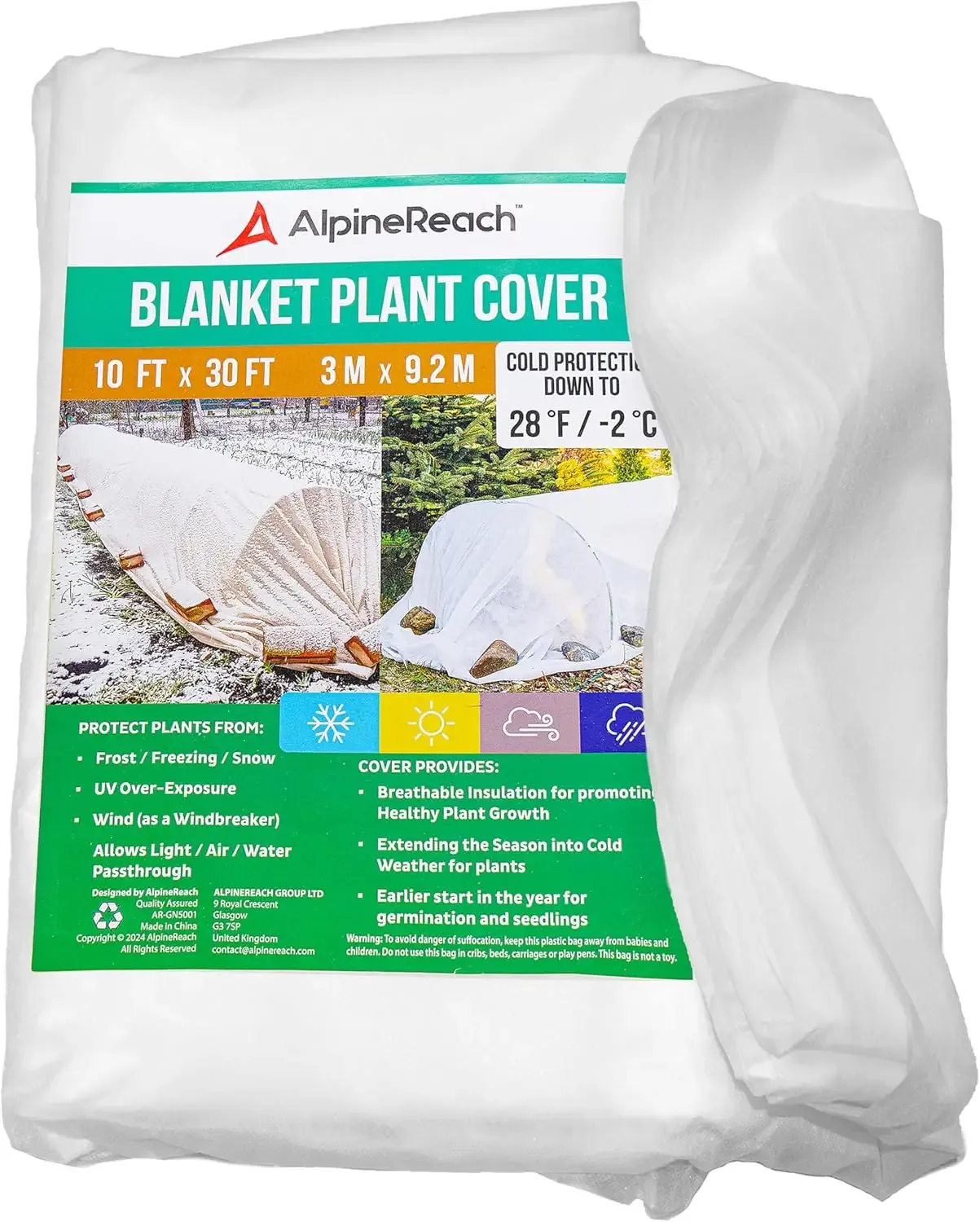
Plant Covers for Frost Protection
- Frost Barrier: Medium-weight breathable fabric that retains ground heat while admitting light, air, and moisture.
- Customizable Size: At 10 x 30 feet, the fabric cuts easily to fit custom hoop frames or drape across large shrubs.
- Durable & Reusable: UV-resistant polypropylene resists tearing across multiple seasons.
Indoor Gardening Techniques
When sub-zero weather rules out outdoor gardening, indoor cultivation keeps fresh greens growing on windowsills and shelves.
Grow lights provide the full light spectrum and photoperiod winter seedlings require. High-efficiency LEDs emit little heat and keep electrical costs manageable. Our guide to the best LED grow lights for beginners provides detailed setup advice. If floor or bed space is limited, ten herbs that grow just as well hydroponically on a windowsill supply kitchen greens throughout winter.
Container choice directly impacts moisture balance indoors. Because evaporation rates drop during winter, choose pots with reliable drainage holes. Porous terracotta pots help aerate roots and prevent water stagnation.
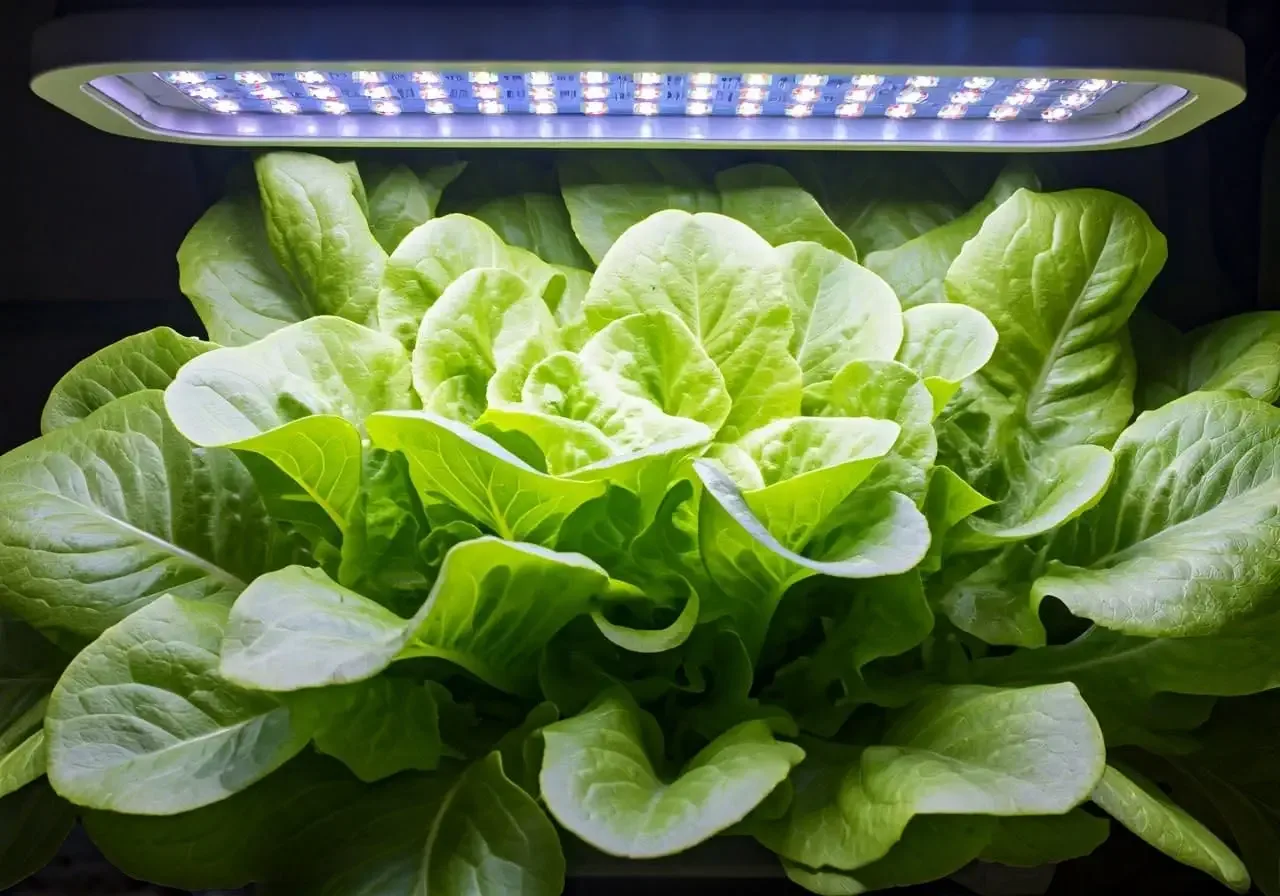
Winter Vegetable and Herb Gardening
Microgreens offer one of the fastest indoor yields in cold months. These young seedlings pack intense flavor and concentrated nutrients into a 7-to-14-day growing cycle. If you prefer to avoid bags of potting soil indoors, our soil-free microgreens method explains how to set up clean hydroponic pads.
Hardy Vegetables
Sweetens after frost
Toughest winter green
Store well in cold soil
Flavor peaks in cold
Resilient Herbs
Woody & evergreen
Low-growing groundcover
Handles light freezes
Velvety frost-resistant leaves
Microgreens
Spicy & super fast
Peppery winter kick
Nutrient powerhouse
Sweet & crunchy
Troubleshooting Common Winter Gardening Failures
Cold temperatures, low light, and high humidity create specific challenges for winter growers:
1. Damping Off (Fungal Disease)
- The Symptom: Young seedlings collapse at the soil line with water-soaked, pinched stems.
- The Cause: Cold conditions combined with waterlogged soil promote Pythium and Rhizoctonia fungi.
- The Fix: Water only from the bottom, use sterile starting mix, and run a gentle oscillating fan to keep air circulating across trays.
2. Etiolation (Leggy Seedlings)
- The Symptom: Seedlings grow tall, thin, pale, and weak, eventually toppling over.
- The Cause: Plants are stretching toward weak winter sunlight or distant artificial lights.
- The Fix: Lower LED grow lights to 12–18 inches above the leaf canopy (or fluorescent tubes to 2–4 inches) and maintain a 14–16 hour daily photoperiod.
3. Root Rot (Waterlogging)
- The Symptom: Leaves turn yellow and wilt despite damp soil; roots appear brown, slimy, or foul-smelling.
- The Cause: Low winter temperatures slow plant metabolic rates and cut evaporation. Waterlogged roots suffocate from lack of oxygen.
- The Fix: Ensure all pots and beds have free drainage and wait until the top 2 inches of soil feel dry before adding water.
Popular Winter Dishes Using Garden Herbs
Cold-hardy culinary herbs enhance hearty seasonal cooking:
Parsley Dishes
- Tabbouleh Soup
- Gremolata-topped Osso Buco
- Potato and Parsley Soup
- Potato Salad
- Herb-crusted Roast Lamb
Thyme Dishes
- Roasted Butternut Squash Soup
- Beef Bourguignon
- Herb-roasted Chicken
- Mushroom and Thyme Risotto
- Winter Root Vegetable Stew
Rosemary Dishes
- Rosemary Roasted Potatoes
- Lamb Chops with Rosemary
- Focaccia Bread
- Roasted Butternut Squash with Rosemary
- Rosemary Beef Stew
Sage Dishes
- Brown Butter and Sage Pasta
- Sage and Onion Stuffing
- Roasted Winter Squash with Sage
- Sage and Sausage Risotto
- Winter Herb-infused Roast Pork
Next Steps: Start Your Winter Garden Today
Growing through the cold months expands your gardening skill set and keeps homegrown produce on your table year-round.
To begin this week, start with microgreens on a bright windowsill or under a compact LED grow light. They require minimal equipment and produce edible greens within 10 days. Once you establish an indoor routine, add a low tunnel or cold frame outdoors to harvest cold-hardy brassicas and root vegetables through the winter.
Frequently Asked Questions
Can you grow fresh vegetables in winter?
Yes, cool-season crops like kale, Brussels sprouts, carrots, and spinach survive freezing temperatures and can be harvested throughout winter.
How often should I water my garden in winter?
Watering should be reduced in cold months because evaporation is low and plants consume water much more slowly. Only water when the top 2 inches of soil are dry.
What is the best frost cloth weight for winter protection?
A medium-weight (1.0–1.5 oz/sq yd) row cover works for most cool-season crops, providing 4°F–6°F of freeze protection. For severe freezes, a heavy-weight (2.0+ oz/sq yd) cover is required.
Our Amazon Storefront
Browse all our recommended tools & supplies
Everything we personally use and trust, hand-picked for gardeners like you.

I've been running DWC and Kratky systems for several years and write about what actually works, not textbook theory. Follow along for honest product reviews, practical guides and real grow results.