As an Amazon Associate, I earn from qualifying purchases. Some links in this article are affiliate links, if you buy through them I may earn a small commission at no extra cost to you.
Quick Summary
- Frost-Tolerant Plants: Grow hardy crops and flowers that survive light freezes and sub-freezing temperatures.
- Top Winter Veggies: Plant kale, spinach, cabbage, carrots, and Brussels sprouts for cold-season harvests.
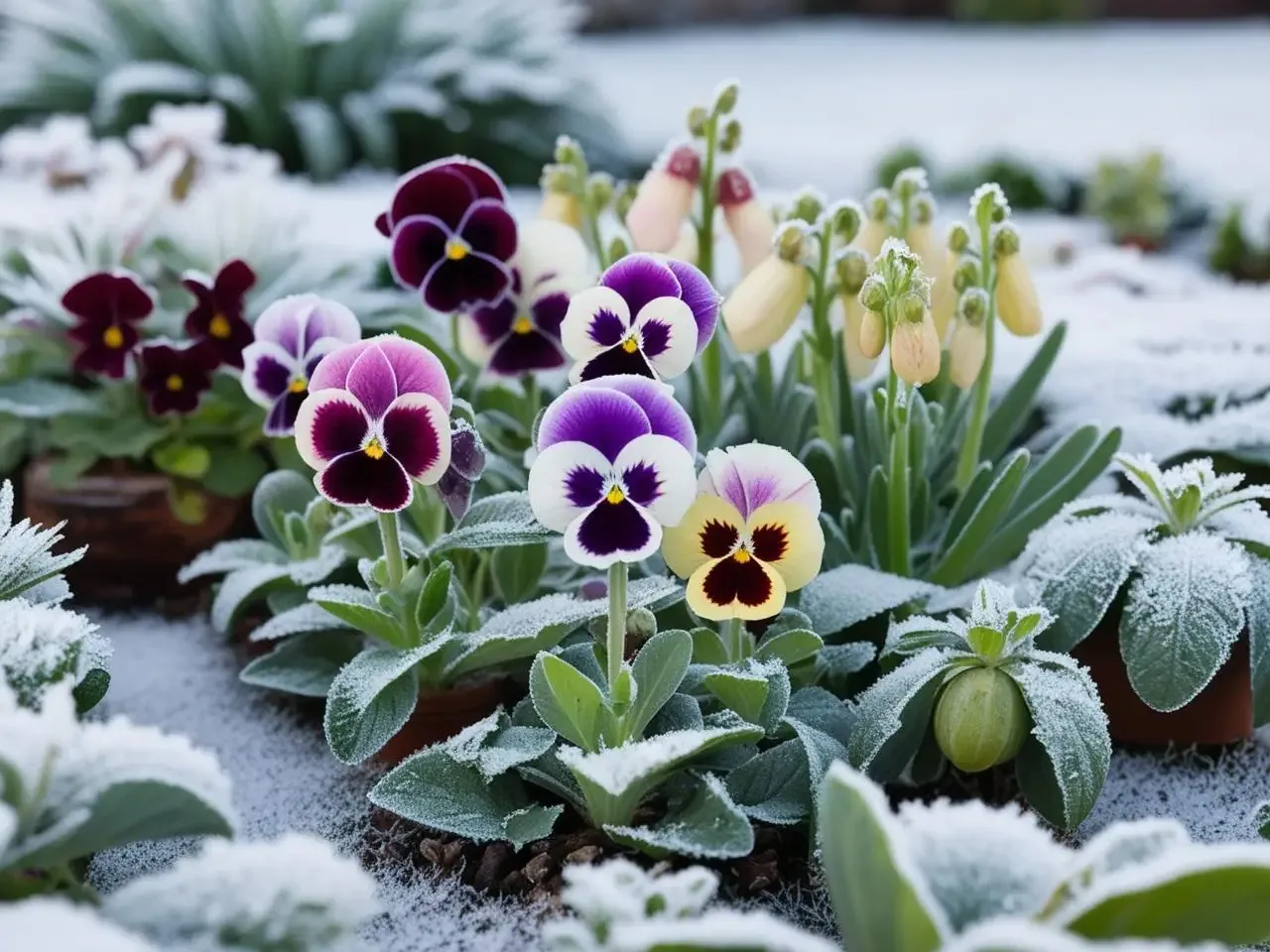
- Hardy Flowers: Grow winter pansies, violas, and ornamental cabbages for cold-season color.
- Soil Mulching: Apply a thick layer of straw or leaves to protect root zones from freezing ground.
- Watering in Frost: Water soil thoroughly before a freeze; wet soil holds heat longer than dry soil.
With the right cold-hardy species, your garden remains productive and vibrant through freezing weather. Planting frost-tolerant varieties extends your growing season, maintains color, and provides fresh produce well into the cold months. Below are the most reliable frost-hardy vegetables, flowers, and woody ornamentals, alongside methods to protect them during hard freezes.
Understanding Frost-Tolerant Plants
Frost-tolerant plants withstand freezing temperatures through physical and chemical adaptations. Resilient varieties feature thick, waxy leaves, deep root systems, and concentrated sap. Tender plants like tomatoes or basil wilt and collapse when ice crystals puncture their cell walls. In contrast, frost-tolerant species move water out of their cells into intercellular spaces to prevent internal freezing. They also increase cellular sugar concentrations, which acts as a natural antifreeze. Choosing the right cold-season species keeps beds productive from late autumn through spring.
Top Frost-Tolerant Vegetables for Your Garden
Many cool-season crops sweeten significantly after experiencing frost. Cold weather triggers starch-to-sugar conversions that protect plant cells and improve flavor. Here are four dependable winter crops:
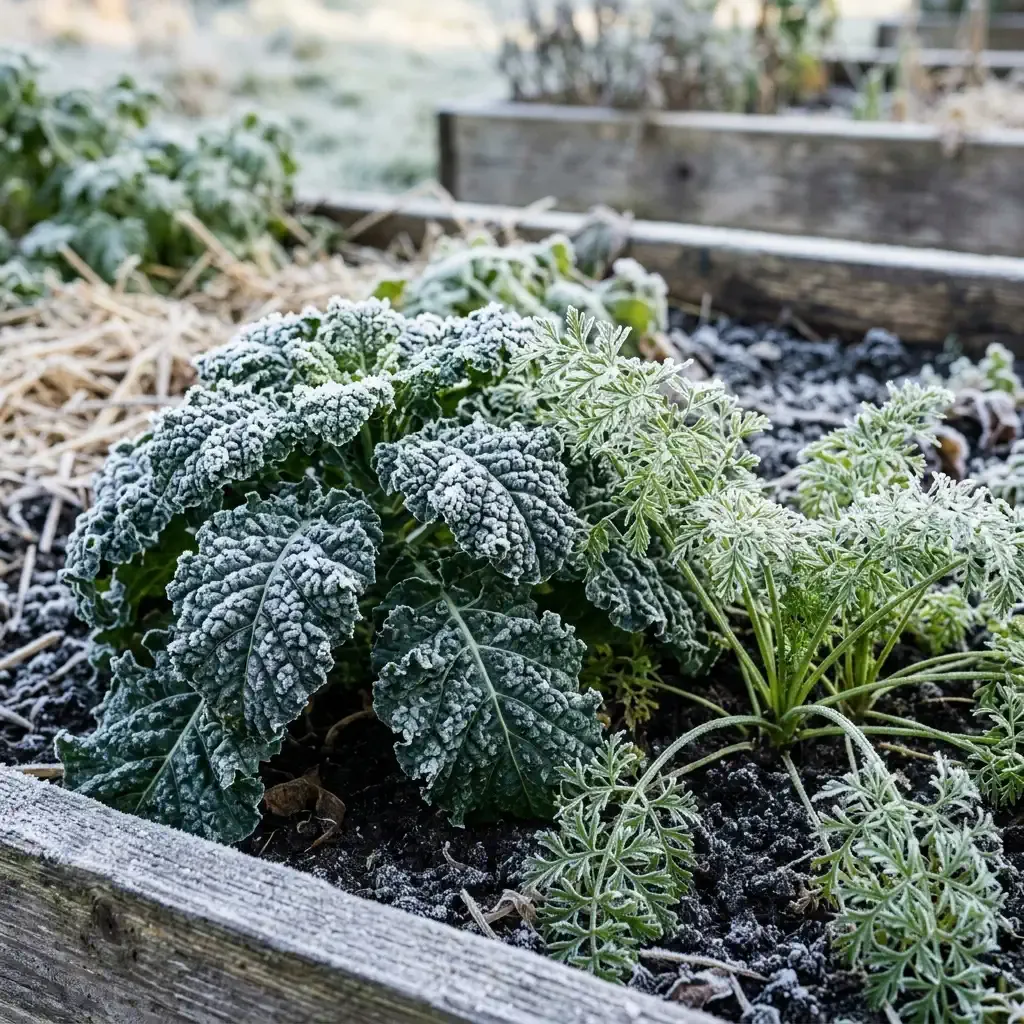
- Kale (Blue Scotch Curled) – Exceptionally cold-hardy, handling temperatures down to 10°F (-12°C). Sow seeds 1/2 inch deep, spacing plants 12 to 18 inches apart. As temperatures drop, kale plants convert stored starches into sugars, sweetening the leaves. In our Zone 6 test plot, Blue Scotch Curled kale left uncovered through a 14°F snap lost its outer leaves to wilt, but the center crown survived and produced tender greens all winter.
- Spinach (Bloomsdale Long Standing) – Highly resilient, surviving down to 15°F (-9°C) and growing under snow cover. Sow seeds 1/2 inch deep and space plants 3 to 4 inches apart. In garden trials, Bloomsdale spinach flattened under 4 inches of wet snow in December, then rebounded within two days of thawing without structural damage.
- Brussels Sprouts (Long Island Improved) – Yields sweeten after repeated frosts, surviving down to 20°F (-6°C). Space plants 18 to 24 inches apart. Cold breaks down bitter sulfur compounds while concentrating sugars. Harvests taken after three hard frosts taste noticeably milder than those picked in early autumn.
- Carrots (Danvers Half Long) – Store well in the ground through winter, tolerating soil temperatures down to 15°F (-9°C) under insulation. Sow seeds 1/4 inch deep and thin to 2 to 3 inches apart. Digging Danvers carrots from frozen ground under 4 inches of straw mulch in January yields crisp, sweet roots that concentrated sugars to resist freezing. For additional cold-frame techniques, review our guide to fall gardening essentials.
Pro Tip: Protect vegetable crops with clean mulch to insulate soil and preserve root crowns.
Frost-Resilient Flowers for a Beautiful Winter Garden
Cold-tolerant flowers keep beds colorful while surrounding perennials remain dormant:
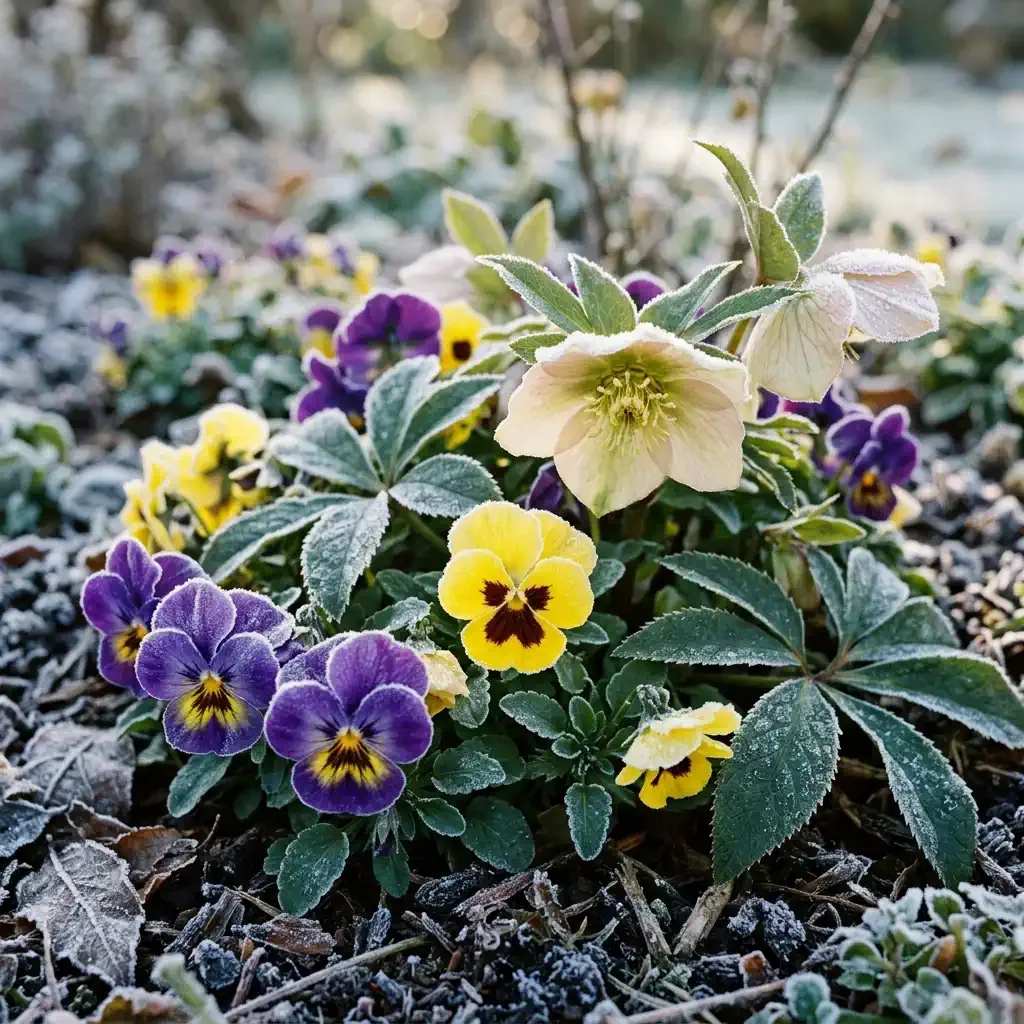
- Winter Pansies (Matrix Series) – Resilient cool-season annuals surviving down to 15°F (-9°C). Space plants 6 inches apart in fertile, well-draining soil. During hard freezes, pansies dehydrate their own cells to prevent ice damage, causing stems and petals to freeze flat. Once sun warms the bed, they stand upright and resume flowering within hours.
- Snapdragons (Liberty Classic) – Semi-hardy annuals surviving light frosts down to 25°F (-4°C). Space plants 8 to 10 inches apart to add vertical color to autumn borders. In Zone 6 and colder, snapdragons behave as annuals unless protected by cold frames or fabric tunnels.
- Hellebores (Helleborus niger / Christmas Rose) – Evergreen perennials hardy across Zones 4–9, tolerating sub-zero freezes down to -30°F (-34°C). Space plants 12 to 15 inches apart in partial to full shade. Cup-shaped white or pale pink flowers open from late December into January, holding up through snow and freezing winds.
These blooms brighten winter walkways and provide nectar for early-emerging pollinators during midwinter warm spells.
Hardy Shrubs and Trees to Anchor Your Landscape
Woody ornamentals establish structure, texture, and color while soil is frozen:
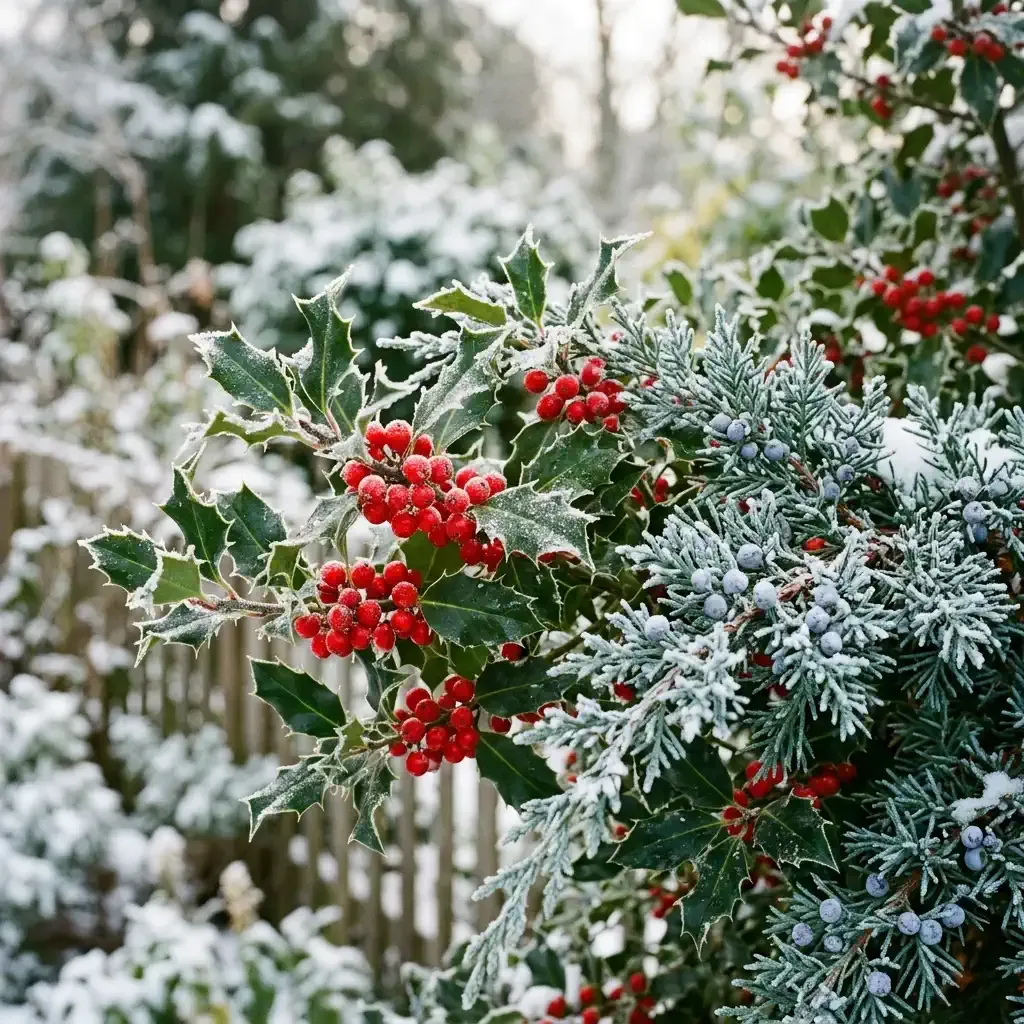
- Junipers (Blue Star / Juniperus squamata) – Compact, slow-growing evergreen shrubs hardy down to Zone 4 (-30°F / -34°C). Space plants 3 to 4 feet apart in full sun and well-draining soil. Steel-blue needles take on a purplish tint in midwinter, providing foliage contrast against bare deciduous branches.
- Holly (Blue Princess / Ilex x meserveae) – Glossy blue-green foliage and scarlet berries hardy down to Zone 5 (-20°F / -29°C). Space plants 3 to 5 feet apart. To produce berries, plant a male pollinator like “Blue Prince” nearby. Planting one male within 50 feet of three female shrubs yields heavy berry sets lasting through late winter.
- Red Osier Dogwood (Cornus sericea) – Deciduous shrub hardy down to Zone 3 (-40°F / -40°C). Space plants 4 to 6 feet apart. While it drops leaves in autumn, upright branches turn vibrant coral-red in cold weather, standing out sharply against snow and dark evergreens.
Ensure all woody plantings sit in free-draining soil. Standing water that freezes around root crowns causes severe winter dieback and rot.
Planting and Care Tips for Frost-Tolerant Plants
Even hardy varieties benefit from soil preparation and shelter during sudden temperature drops:
- Prepare the soil – Work compost into beds before ground freezes to improve aeration and drainage. Heavy, waterlogged clay expands when frozen, tearing roots and rotting crowns.
- Mulch generously – Apply 2–3 inches of clean mulch over root zones. Mulch moderates soil temperature swings and prevents frost heaving, which forces roots upward out of the ground into cold air.
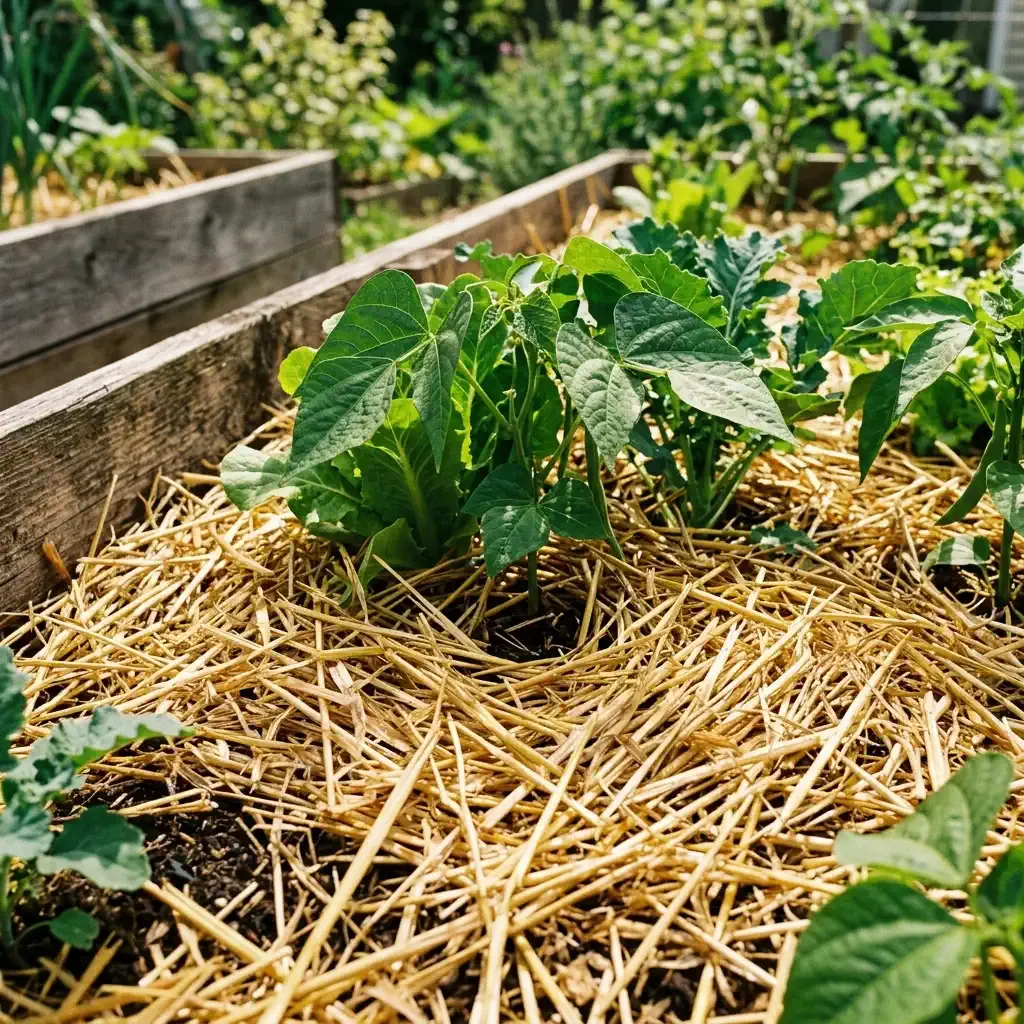
Organic Weed-Blocking Straw Mulch
- 100% Biodegradable & Natural: Chemical-free, double-vacuumed straw mulch protects vegetable beds and perennial borders without introducing weed seeds.
- Prevents Frost Heaving: A 3-inch layer insulates root zones against rapid freeze-thaw cycles that push crowns out of the ground.
- Moisture Preservation: Conserves soil moisture against dry winter winds, cutting cold-season watering demands while breaking down into humus.
- Practical Tips: Shake packed straw loose before spreading, then moisten lightly with a hose to settle the fibers against winter wind.
- Water wisely – Water beds thoroughly the morning before a forecasted freeze. Wet soil releases heat more slowly than dry soil, and well-hydrated foliage resists wind desiccation.
- Provide cover – Keep breathable frost fabric or cloches ready. When temperatures threaten to drop below plant tolerance limits, drape covers over greens and semi-hardy blooms to trap radiant ground heat.
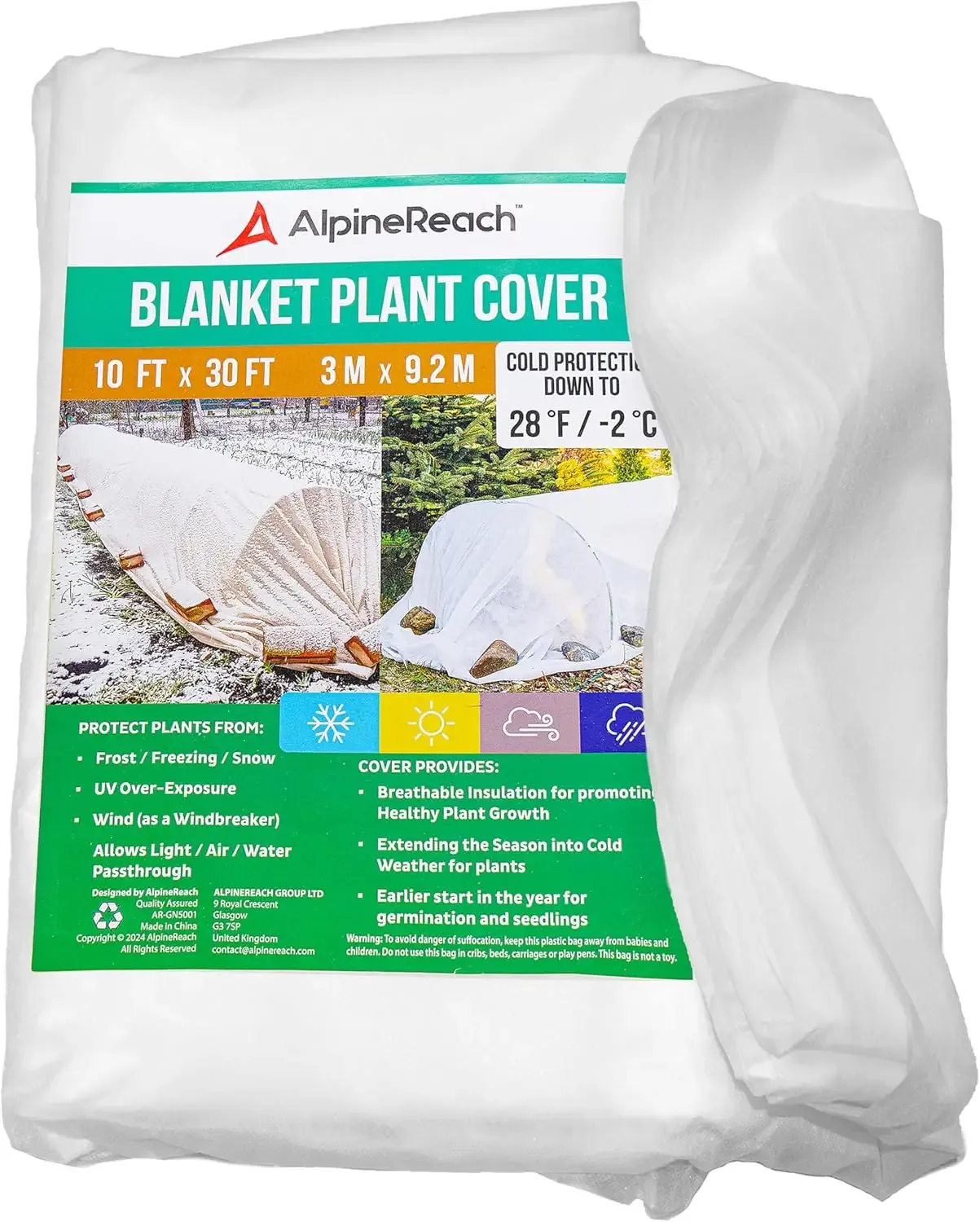
Plant Covers for Frost Protection
- Durable Frost Barrier: Breathable 0.74 oz/sq yard polypropylene fabric retains ground heat while letting sunlight and moisture pass through.
- Broad 10’ x 30’ Coverage: Covers multiple raised garden beds or long garden rows against frost, windburn, and light snow.
- Multi-Season Protection: Shields plants down to 26°F (-3°C) in winter and protects early spring seedlings from late cold snaps.
- Setup Tip: Anchor fabric edges with earth staples, bricks, or stones to stop freezing wind from lifting the cover.
If row covers are new to your setup, our guide on using row covers and frost cloths effectively explains how to select the right fabric weight for winter protection.
Common Mistakes to Avoid with Frost-Tolerant Plants
Avoid these common winter gardening missteps:
- Overwatering in Cold Weather – Evaporation rates drop in winter, and dormant roots consume water slowly. Saturated soil starves roots of oxygen and invites fungal pathogens. Water only when the top 2 inches of soil feel dry.
- Leaving Soil Exposed – Bare ground freezes faster and suffers severe temperature swings. Without mulch, repeated freeze-thaw cycles heave plants out of the bed and expose root systems to freezing wind.
- Misjudging Zone Hardiness – Assuming a plant thrives in your garden simply because the tag reads “cold-hardy” leads to losses. Always verify the specific zone rating against your local climate before planting.
Navigating USDA Hardiness Zones
Matching crops to your local hardiness zone is the foundation of winter gardening. Check your zone parameters:
USDA Hardiness Zones
A quick-reference guide to minimum winter temperatures across the United States. Use your zone to select plants that will survive the coldest weather in your area.
Note: These zones are based on average annual extreme minimum temperatures. Local microclimates, altitude, and moisture levels also play a significant role in plant survival. Always consult local experts if you're on the border of two zones.
Understanding the Zones:
- Zone 1 represents interior Alaska and northern regions where winter temperatures reach -60°F (-51°C).
- Zone 11 encompasses tropical areas where temperatures rarely fall below 40°F (4°C).
- Zones increase in warmth as numbers rise. While winter vegetables like kale and shrubs like Red Osier Dogwood survive Zone 4 (-30°F / -34°C) under mulch and snow, snapdragons are only root-hardy to Zone 7 and function as annuals elsewhere.
Timing cold-weather prep correctly prevents midwinter losses. Review our checklist of essential fall garden tasks and track your last frost date guide to schedule planting windows accurately. For broader seasonal strategies, explore our Fall Season Gardening and Winter Season Gardening guides.
Next Steps
- Identify your local minimum winter temperatures using the zone chart above.
- Select two or three cold-hardy vegetables or flowers to fill autumn bed gaps.
- Spread a 3-inch layer of organic straw mulch before the first hard freeze to insulate roots and preserve soil structure.
Frequently Asked Questions
How does watering before a freeze protect plants?
Wet soil releases heat slower than dry soil, creating a micro-insulation barrier around the roots and base of the plants when air temperatures plunge.
What temperature counts as a light frost?
A light frost occurs when temperatures drop to 28°F–32°F (-2°C–0°C), which hardy cool-season crops survive without damage.
Our Amazon Storefront
Browse all our recommended tools & supplies
Everything we personally use and trust, hand-picked for gardeners like you.

I've been running DWC and Kratky systems for several years and write about what actually works, not textbook theory. Follow along for honest product reviews, practical guides and real grow results.