As an Amazon Associate, I earn from qualifying purchases. Some links in this article are affiliate links, if you buy through them I may earn a small commission at no extra cost to you.
Quick Summary
- DIY Assembly Manuals: Select titles featuring dimensioned schematics and plumbing cut-lists.
- Introductory Texts: Focus on references explaining water chemistry, electrical conductivity, and lighting requirements.
- Commercial References: Consult authoritative agricultural texts on large-scale crop scheduling and automated climate controls.
- Diagnostic Handbooks: Keep nutrient deficiency charts and pest identification keys on hand for quick troubleshooting.
- Practical Balance: Evaluate books based on their component sourcing practicality and realistic maintenance warnings.
A comprehensive technical manual provides clear system schematics, mineral calculation formulas, and diagnostic keys, saving growers months of trial-and-error.
Below are evaluated hydroponic reference books grouped by grower experience level, detailing target competencies and practical trade-offs.
Top Beginner-Friendly Hydroponics Books
These guides cover water chemistry, system mechanics, and photoperiods without requiring a biochemistry background:
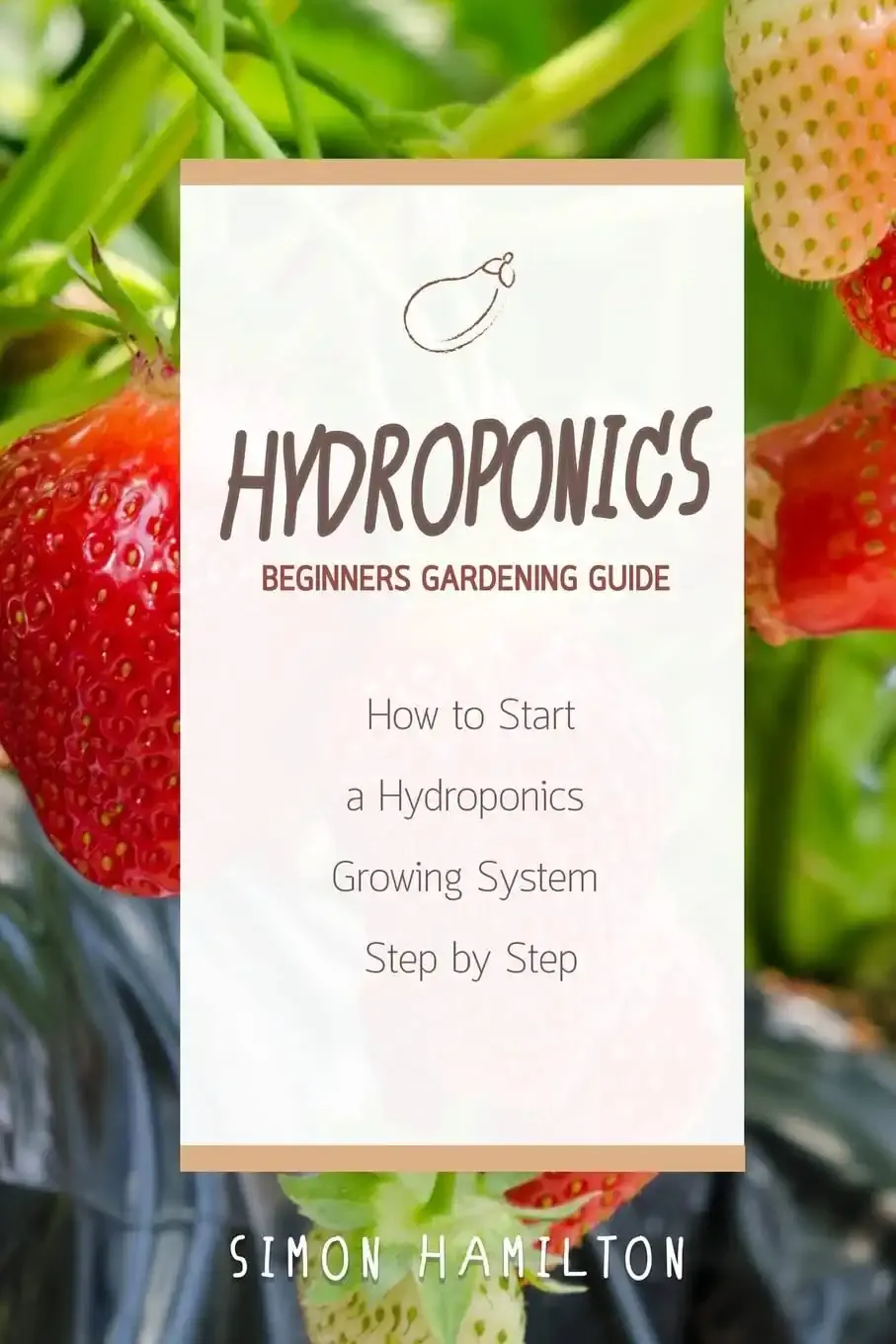
Hydroponics: A Practical Guide for Beginners
- Practical Utility: Hamilton provides clear plumbing instructions for reservoir aeration and uniseal bulkhead installation on bucket DWC systems.
- Core Focus: Foundations of reservoir hygiene, water testing protocols, and fast-cycling leafy greens.
- Trade-Off: The nutrient chapter relies almost exclusively on pre-mixed commercial concentrates rather than teaching growers how to formulate custom mineral ratios.
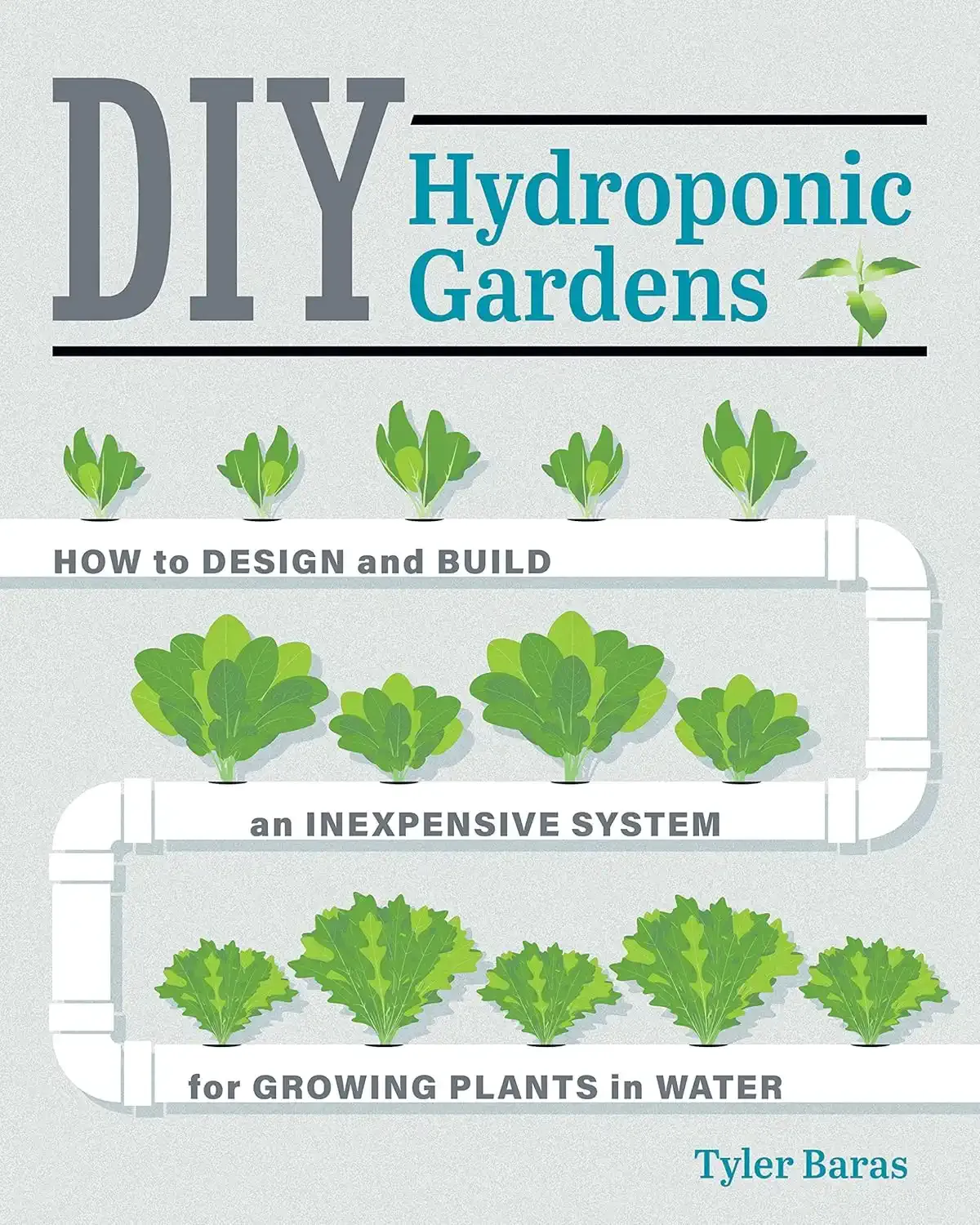
DIY Hydroponic Gardens
- Practical Utility: Tyler Baras provides detailed architectural diagrams and cut-lists for building vertical NFT towers and modular A-frames.
- Core Focus: Step-by-step DIY construction plans for 18 physical hydroponic configurations.
- Trade-Off: Several designs require specialized PVC hole cutters and uniseal fittings that require ordering from specialized plumbing suppliers.
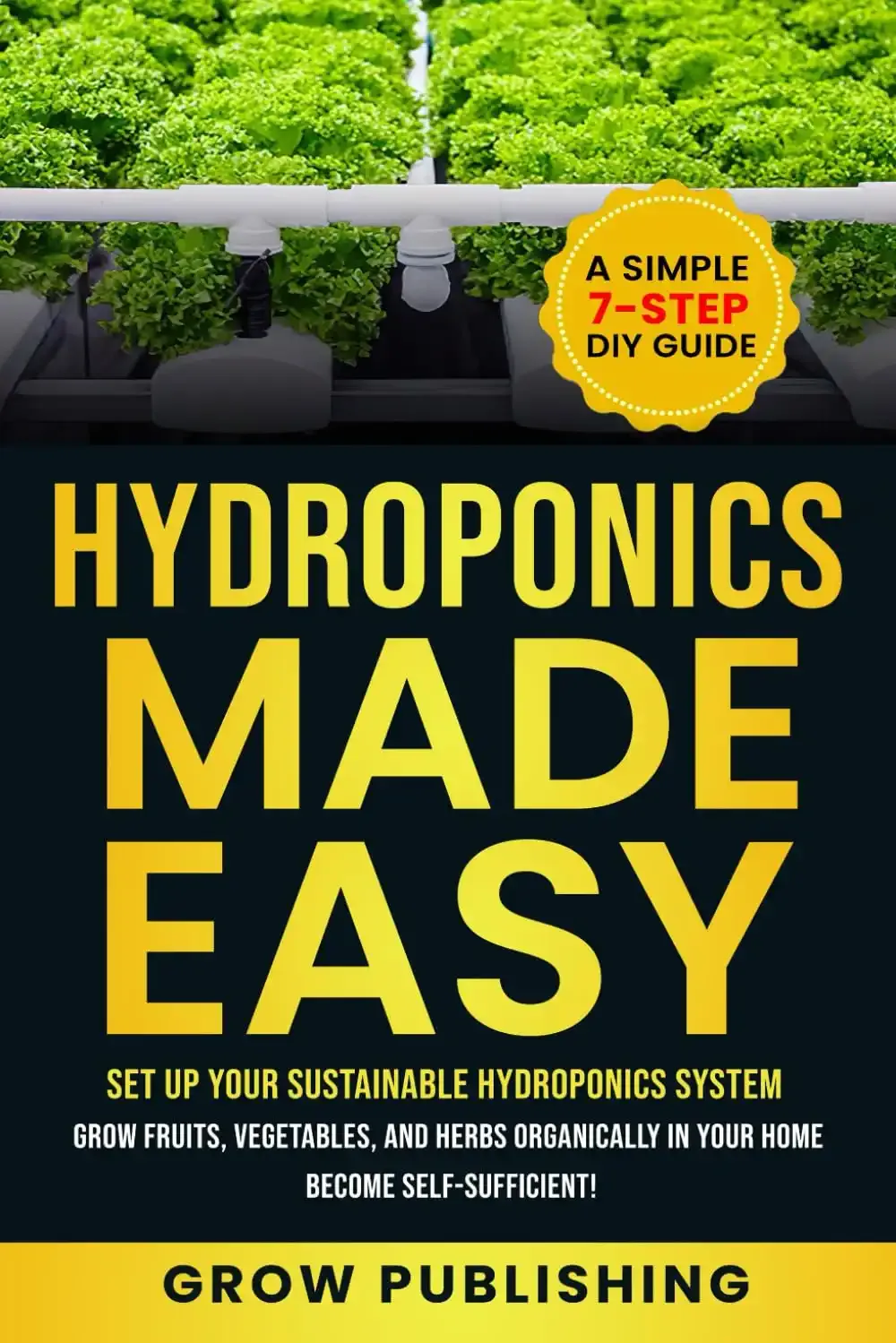
HYDROPONICS MADE EASY: A Simple 7-Step DIY Guide to Set Up Your Sustainable Hydroponics System
- Practical Utility: Provides accessible blueprints for windowsill herb planters alongside feeding schedules for common vegetables.
- Core Focus: Broad introduction to system architectures, basic bioponics, and root rot remediation.
- Trade-Off: Bioponics requires extensive biofiltration and frequent cleaning to prevent organic slime from clogging lines, which the text understates.
Intermediate Hydroponics Books
These texts focus on specialized cultivation methodologies and commercial greenhouse scaling:
- “The Kratky MethodView on Amazon” by Demeter Guides
The primary dedicated manual on non-circulating passive hydroponics. Details volumetric reservoir sizing across specific plant lifecycles (e.g., 4 liters for looseleaf lettuce versus 20 liters for determinate dwarf tomatoes). To review the passive method in practice, consult our step-by-step Kratky lettuce guide. - “Hydroponic Food ProductionView on Amazon” by Howard Resh
The benchmark reference textbook for commercial controlled-environment agriculture. Resh provides comprehensive coverage of greenhouse thermal management, irrigation automation, and custom dry-salt chemical formulations. Written as an academic text for serious commercial operations.
Specialized Niche Guides
- Small Spaces: “Hydroponics at Home: A Guide for Apartment DwellersView on Amazon” by DIY Organics: Focuses on vertical stacking channels, indoor light fixtures, and countertop kits. As a practical companion, review our guide on the Best Hydroponic Systems for Apartments to compare acoustic ratings and footprints.
- Budget Builds: “Hydroponics on a Shoestring BudgetView on Amazon” by Albert Payne: Instructions on repurposing food-grade storage bins, buckets, and bottles into functional systems at low expense. Note that unshaded lightweight plastics degrade rapidly under intense ultraviolet and full-spectrum LED radiation.
Advanced Reference Books
For facility managers and growers managing multi-bench commercial facilities:
- “Commercial HydroponicsView on Amazon” by John Mason
Focuses on the financial metrics of production: labor efficiency calculation, packaging standards, and crop rotation economics. - “Aquaponic Gardening: A Step-by-Step Guide to Raising Vegetables and Fish TogetherView on Amazon” by Sylvia Bernstein
The primary manual for coupling recirculating aquaculture with hydroponic biofiltration. Details nitrogen conversion biology from fish ammonia to nitrite and plant-available nitrate. - “Hydroponics for the Home GrowerView on Amazon” by Howard M. Resh
Translates commercial crop nutrition and salt balancing into residential scale, with instructions for mixing raw fertilizer salts.
Summary
Select a guide matched to your immediate build goals. For visual step-by-step construction of home systems, Tyler Baras’s DIY Hydroponic GardensView on Amazon provides clear blueprints. If you prefer to construct a passive reservoir immediately, consult our easiest and cheapest DIY hydroponic system guide.
Editor’s Note: Parts of this guide were structured and optimized with the assistance of AI, then thoroughly reviewed, edited and expanded with first-hand growing experience by our author Raymond to ensure practical, real-world accuracy.
Frequently Asked Questions
What is the best book for a complete hydroponics beginner?
Texts focusing on basic DIY hardware and water chemistry, such as Simon Hamilton's 'Hydroponics: A Practical Guide for Beginners' or Tyler Baras's 'DIY Hydroponic Gardens', provide practical step-by-step assembly guides for new growers.
Are there books on advanced commercial hydroponic farming?
Yes. Texts like Howard Resh's 'Hydroponic Food Production' detail commercial greenhouse automation, custom dry-salt nutrient formulation, and crop scheduling.
Can I grow vegetables using hydroponics as a beginner?
Yes. Introductory guides provide instructions for fast-cycling vegetables like looseleaf lettuce, spinach, culinary herbs, and dwarf tomatoes.
Do I need expensive equipment to start hydroponics?
No. Passive systems like the Kratky method require only food-grade buckets, net cups, and basic fertilizer salts.
Are there hydroponics books that include organic practices?
Yes. Several titles cover bioponics, utilizing organic liquid inputs such as fermented plant extracts and compost teas with biofiltration.
How long does it take to understand basic hydroponics concepts?
Studying a foundational guide allows growers to master water chemistry, pH parameters, and photoperiod basics in several days of reading.
Are eBooks available for these hydroponics guides?
Yes. Most titles are available in digital eBook and print formats.
Where can I buy these hydroponics books?
These texts are distributed through major book retailers, library systems, and specialized horticultural suppliers.
Our Amazon Storefront
Browse all our recommended tools & supplies
Everything we personally use and trust, hand-picked for gardeners like you.

I've been running DWC and Kratky systems for several years and write about what actually works, not textbook theory. Follow along for honest product reviews, practical guides and real grow results.