As an Amazon Associate, I earn from qualifying purchases. Some links in this article are affiliate links, if you buy through them I may earn a small commission at no extra cost to you.
Quick Summary
- Low-Light Champions: Choose resilient plants like Snake plant, ZZ plant, Pothos and Peace Lily for dim rooms.
- Watering Routine: Avoid overwatering; low-light plants dry out slowly and rot easily in soggy soil.
- Light Definitions: Understand the difference between low, medium and bright indirect light in apartments.
- Easy Propagation: Easily propagate Pothos and Philodendrons in water to expand your collection.
- Indestructible Choices: Select Cast Iron plants and Bird’s Nest ferns for low-maintenance greenery.
Did you know some houseplants actually prefer lower light conditions? A lot of apartment dwellers assume they can’t keep plants alive because they don’t have giant sunny windows, but honestly, that’s not true at all. I started with indoor hydroponics where I could control every single variable in a water reservoir, but moving into a dim apartment forced me to learn a different, soil-based set of rules. I killed way too many plants before I realized I was basically cooking “low-light” varieties by sticking them in direct afternoon sun.
The good news is that there are plenty of indoor plants that thrive in apartments with limited natural light. Some are nearly impossible to kill. Others grow slowly and steadily without demanding much attention, which is perfect if you forget to water sometimes. Been there.
In this guide, I’m going to break down the best low-light indoor plants for apartments, which ones are easiest for beginners and a few mistakes that people make constantly. Some of these plants survived weeks of neglect in my place during winter, which honestly says a lot.
The 2026 Apartment Light Dilemma
If you’re living in a newer building, you might notice your plants struggling even in what looks like a bright room. That’s because modern energy codes in 2026 have shifted: newer builds utilize highly insulated Low-E glass that blocks a massive amount of the visible light spectrum and PAR (Photosynthetically Active Radiation) wavelengths. Combined with high-density architectural layouts that often offer only single-aspect exposure (usually facing another building), low-light plant choices are no longer just for windowless bathrooms, they are essential for modern city living.
What Does “Low Light” Actually Mean for Indoor Plants?
Understanding light levels is the first step to becoming a successful indoor gardener. Not all “dim” spaces are created equal.
- Difference between low light and no light: Every plant needs some light to photosynthesize. Low light usually means a spot where you can comfortably read a book during the day without a lamp, but no direct sunbeams hit the leaves. “No light” (like a windowless basement) requires artificial help.
- How apartment lighting affects plant growth: In small apartments, light drops off significantly just a few feet away from a window. What feels “bright” to us might be “low” to a plant.
- Best window directions for low-light plants: North-facing windows provide steady, weak light that is perfect for low-light varieties. East-facing windows are also great for morning light that isn’t too intense.
- Signs your plant is getting too much or too little light: Yellowing leaves can mean too much sun (sunburn), while leggy, stretching stems usually mean the plant is “searching” for more light.
- Why artificial grow lights can help: If your apartment is truly dark, a simple LED grow bulb can bridge the gap and keep your greenery thriving. For more on lighting, check out our guide on the best LED grow lights for beginners.
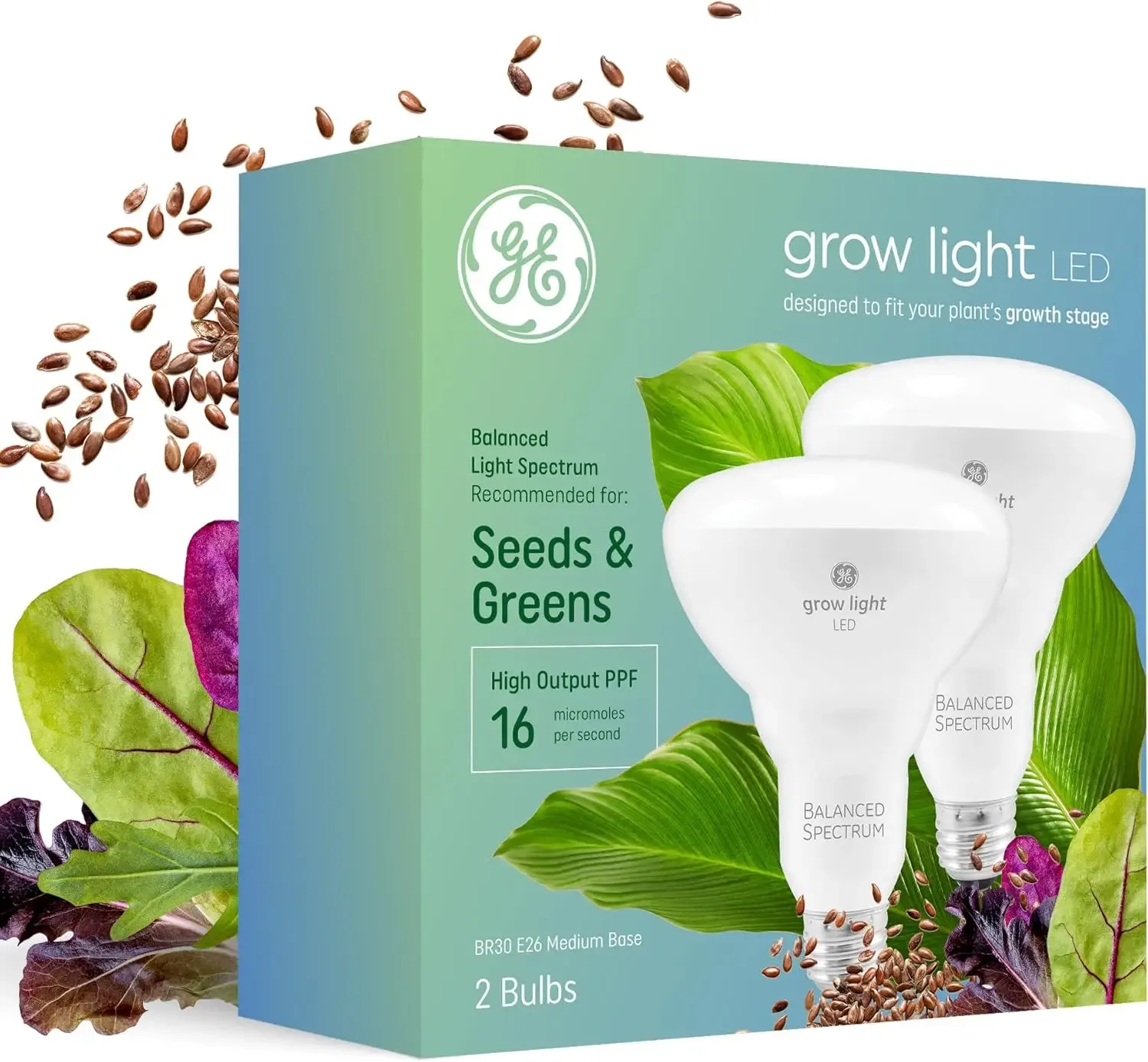
GE Lighting LED Grow Light Bulb
Perfect for low-light apartments! This balanced spectrum bulb fits into standard lamps and provides the precise light quality your indoor plants need to thrive. I ran this bulb over a pothos in my dim, windowless bathroom for two months and it stayed vibrant green with zero stretching.
Snake Plant: The Easiest Apartment Plant for Beginners
The Snake Plant (Sansevieria) is widely considered the king of low-maintenance plants. It’s a structural, architectural beauty that can handle almost anything.
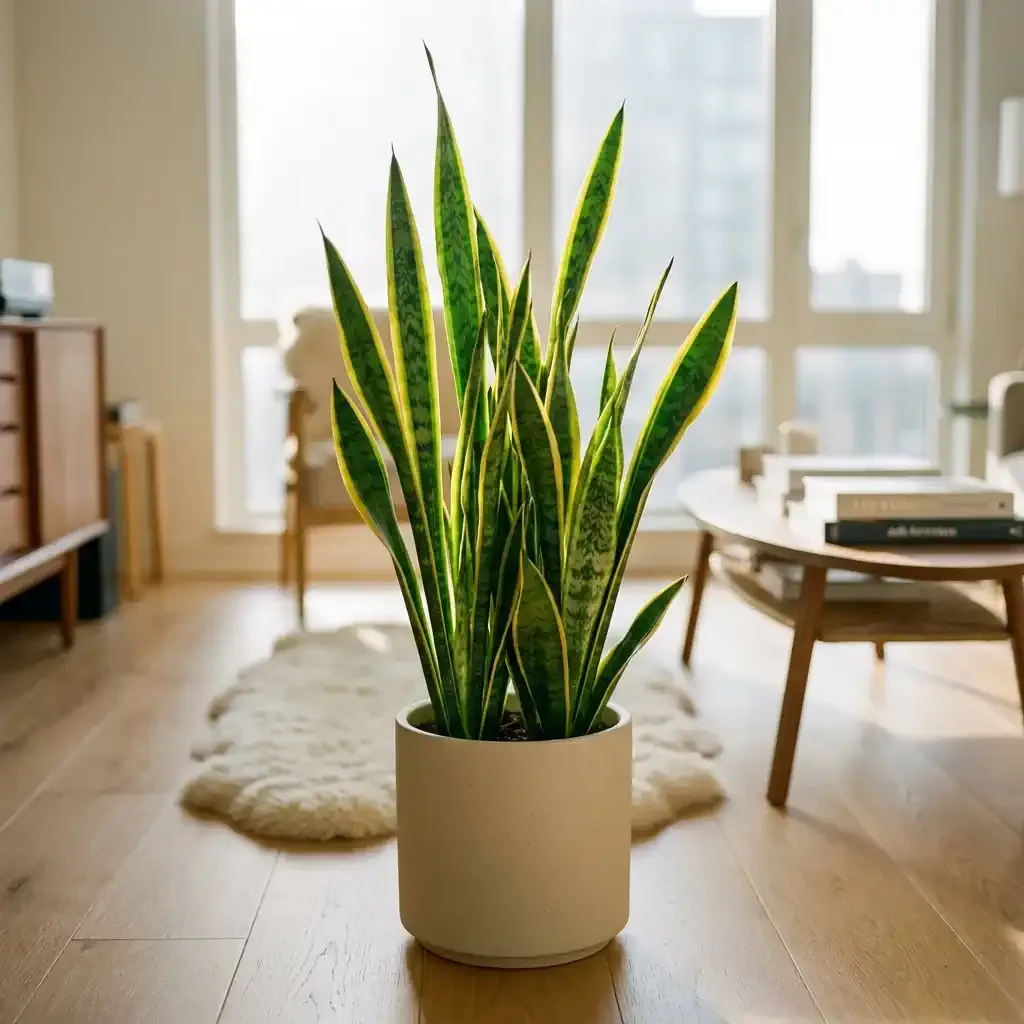
- Why snake plants tolerate neglect: They store water in their thick, upright leaves, allowing them to go weeks (or even a month in winter) without a drink.
- Watering mistakes to avoid: The fastest way to kill a snake plant is overwatering. Always let the soil dry out completely before adding more water.
- Best soil mix for snake plants: Use a well-draining cactus or succulent mix to prevent water from sitting around the roots.
- How often to repot: They actually enjoy being slightly root-bound. You likely only need to repot every 2–3 years.
- Common problems like root rot and floppy leaves: If the leaves turn mushy at the base, it’s almost certainly root rot from too much water. If you want to understand how soil structure and drainage work to prevent this, check out our resources on soil-based gardening.
- Toxicity considerations for pets: Note that Snake Plants are toxic to dogs and cats if chewed, so place them in a spot out of reach of your pets.
ZZ Plant: The Ultimate Low-Maintenance Houseplant
If you want a plant that looks polished and shiny but requires zero effort, the ZZ Plant (Zamioculcas zamiifolia) is your best friend.
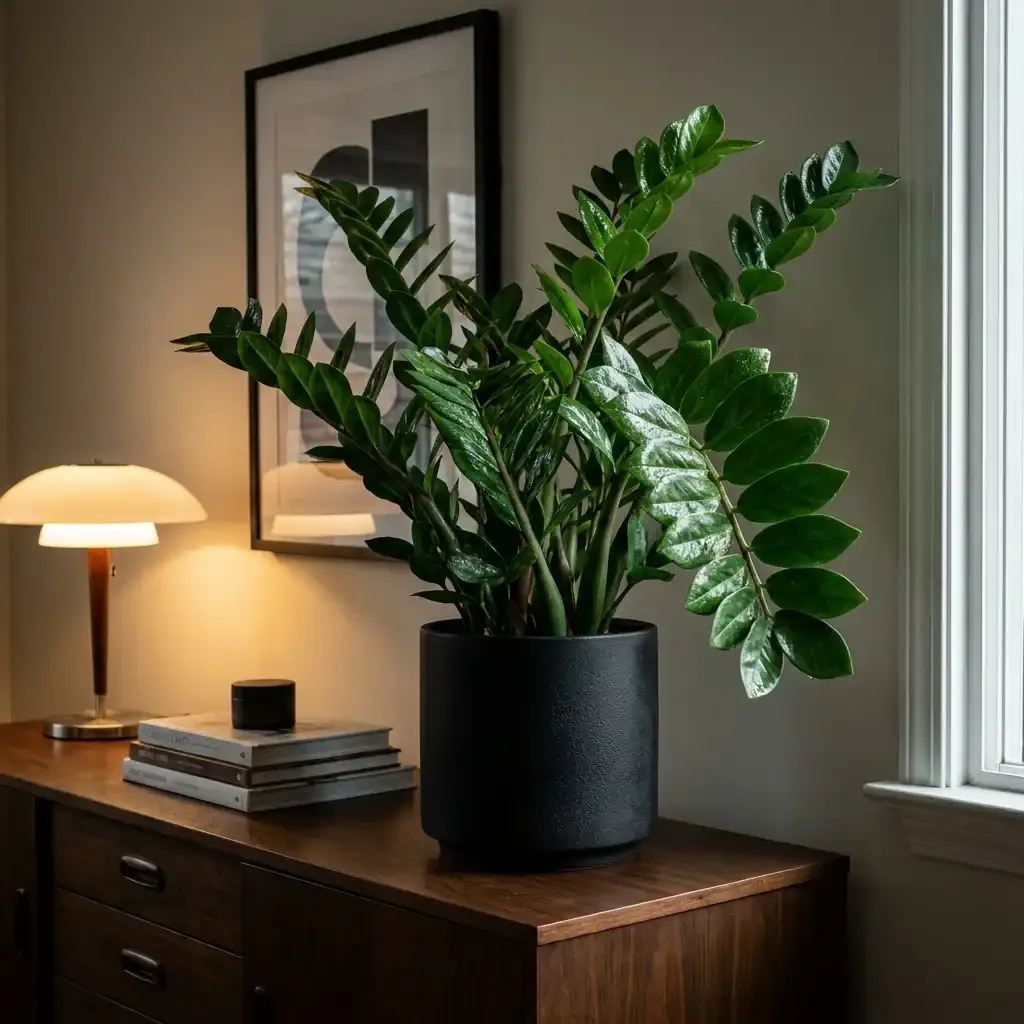
To keep your ZZ Plant thriving, follow this simple low-light care schedule:
| Care Element | ZZ Plant Requirement | Practical Apartment Tip |
|---|---|---|
| Watering | Once every 3–4 weeks (allow soil to dry completely) | If the soil is still damp, wait! Overwatering is the single easiest way to kill it. |
| Light | Low to moderate indirect light | They can sit in hallways, windowless bathrooms or dark corners far from windows. |
| Soil | Sharp-draining potting mix | Use standard soil mixed with 30% perlite or pumice to prevent soggy roots. |
| Growth Rate | Extremely slow in dim spaces | A benefit for small apartments, as it won’t quickly outgrow its decorative shelf. |
| Toxicity | Toxic to pets | Keep on high shelves or sideboards out of reach of curious cats or dogs. |
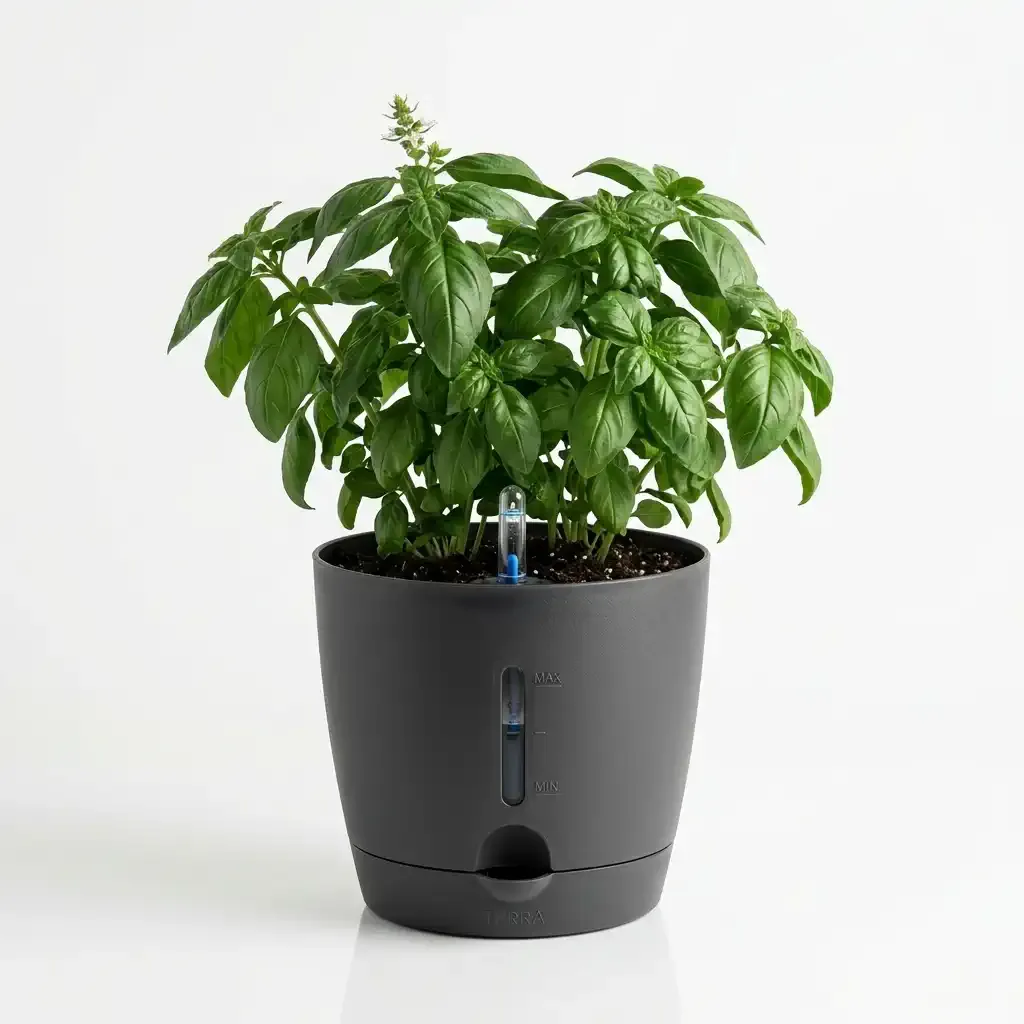
Self-Watering Planter with Drainage
Avoid the #1 plant killer! This planter features a sub-irrigation system that prevents overwatering while ensuring your plants stay hydrated. I switched my pothos to this self-watering pot last year; the bottom reservoir lets it drink on demand and I only have to refill it once a month.
Pothos Plants for Small Apartments
Pothos (Epipremnum aureum) is the classic “office plant” because it is nearly unkillable and grows beautiful trailing vines.
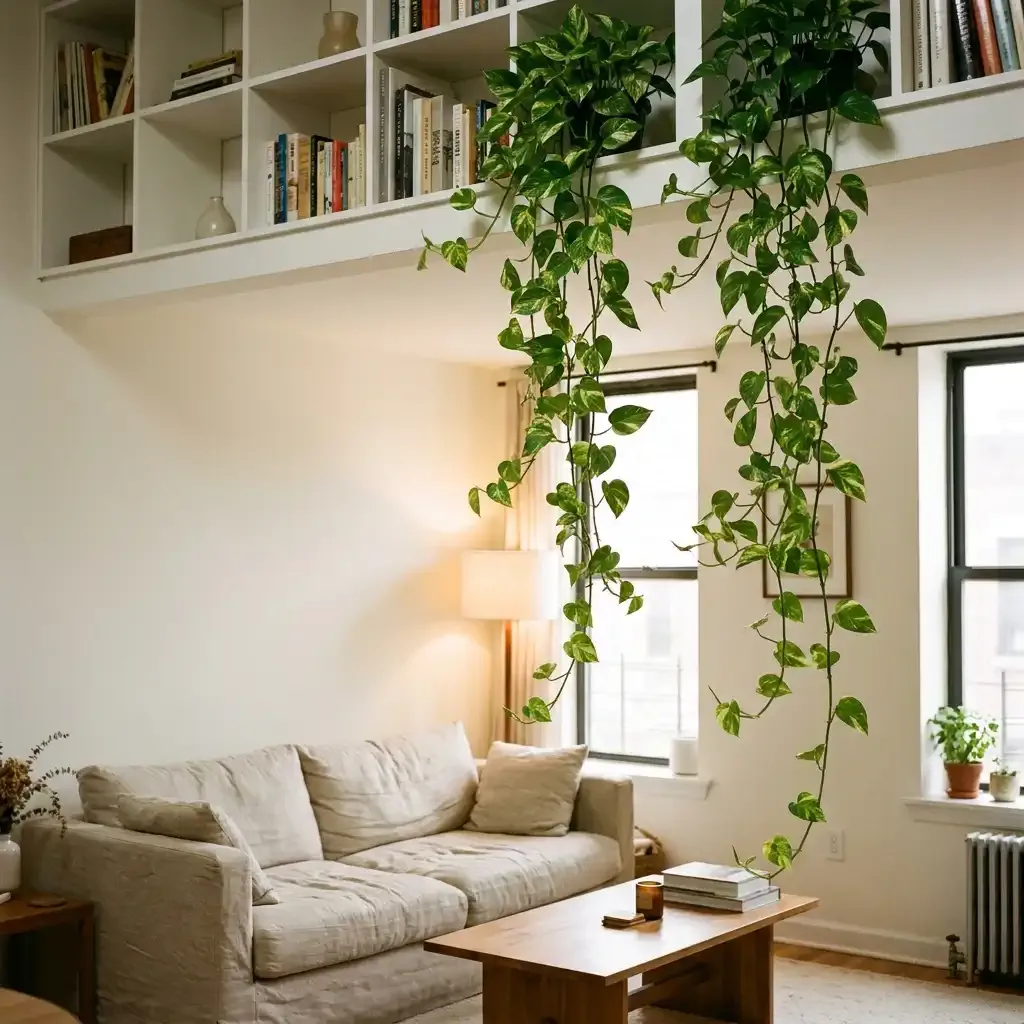
- Golden pothos vs neon pothos: Golden pothos has variegated yellow/green leaves and handles low light slightly better. Neon pothos has bright lime leaves that may fade to a darker green in very low light.
- Hanging basket ideas: They look stunning trailing down from a bookshelf or hanging in a macrame planter near a window.
- How to propagate pothos in water: Simply snip a vine below a “node” (the little bump where a leaf meets the stem) and stick it in a glass of water. It will grow roots in weeks!
- Common yellow leaf issues: A single yellow leaf now and then is normal, but many yellow leaves usually mean the soil is staying too wet.
- Fast-growing indoor vine benefits: Even in low light, pothos can grow several feet a year, giving your apartment an instant “jungle” feel. If you are short on time but want a lush home, check out our 7 simple gardening tips for busy people for more low-maintenance ideas.
- Toxicity considerations for pets: Pothos leaves contain calcium oxalate crystals, making them toxic to cats and dogs; hanging them high is a great way to keep them safe and out of reach.
Heartleaf Philodendron: The Elegant Trailing Beauty
Often confused with pothos, the Heartleaf Philodendron (Philodendron hederaceum) is a stunning trailing plant that features delicate, heart-shaped dark green leaves with pointed tips. It is incredibly tolerant of low-light conditions and is one of the easiest ways to add trailing foliage to bookshelves, mantelpieces or hanging baskets.
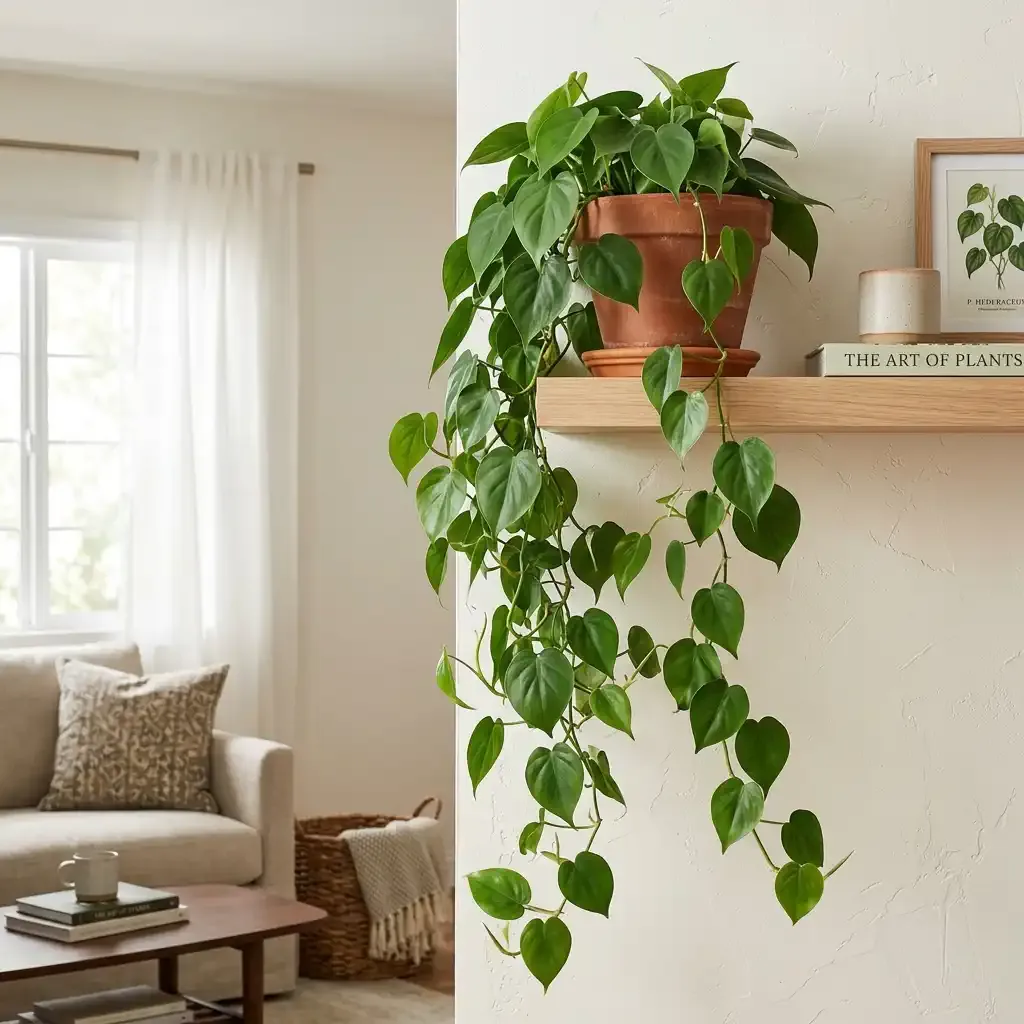
- Pothos vs. Heartleaf Philodendron: While pothos has thicker, variegated leaves and climbs upward using thick aerial roots, the Heartleaf Philodendron has thinner, solid-green leaves and a delicate trailing habit. It is slightly more shade-tolerant than pothos, keeping its deep green color even in very dark corners.
- Watering: Allow the top 50% of the soil to dry out before watering. Like the snake plant, it prefers being underwatered to overwatered.
- Propagation: Simply clip a stem below a leaf node and place it in water. It roots incredibly fast and makes a perfect gift.
- Toxicity considerations for pets: Like pothos, Philodendrons are toxic to cats and dogs if ingested, so trailing them from high wall-mounted shelves is highly recommended.
Cast Iron Plant: The Indestructible Victorian Classic
If you have a corner that is completely dark, drafty or sits near an air conditioner, the Cast Iron Plant (Aspidistra elatior) is the ultimate choice. It earned its common name in Victorian England because it was one of the few plants that could survive the dark, cold and gas-lamp-fume-filled hallways of the era.
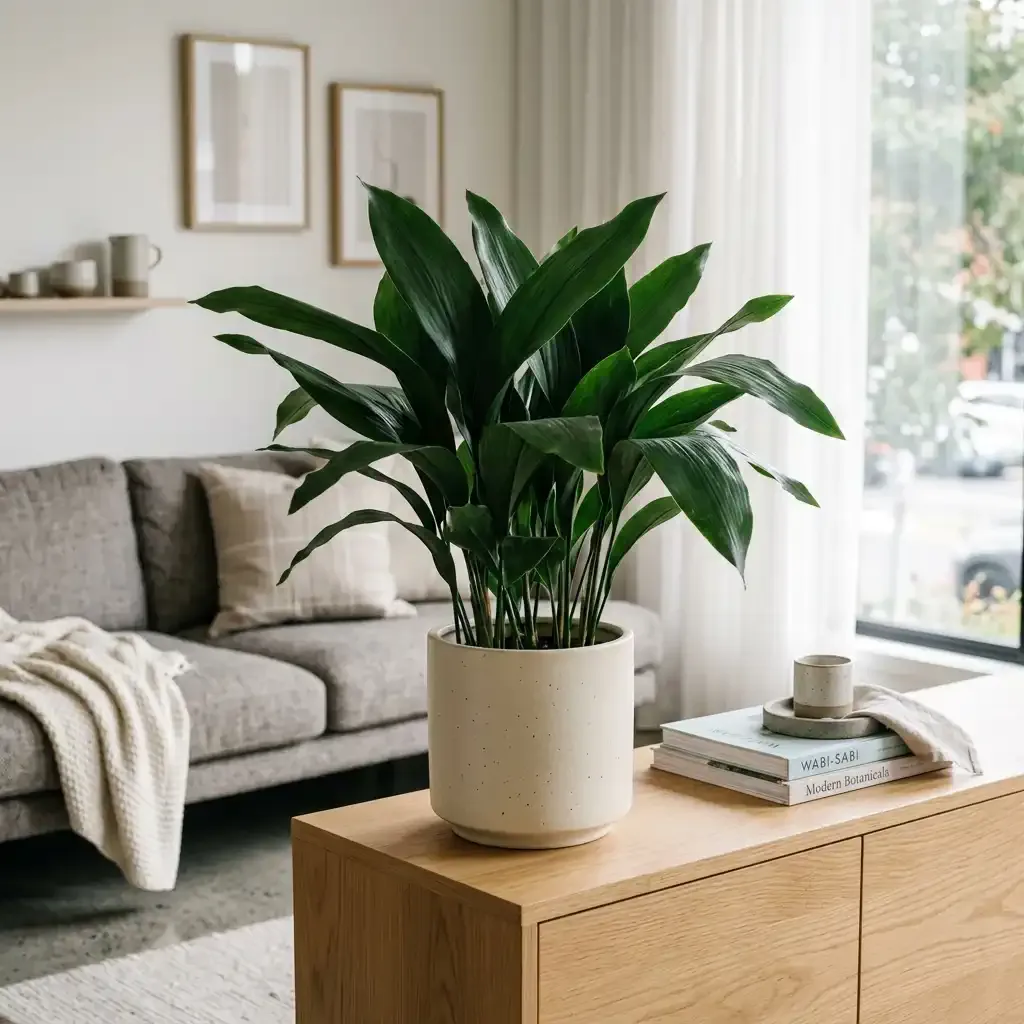
Why does it deserve a spot in your apartment over a standard Dracaena? While Dracaenas are great, they are prone to getting brown, dry leaf tips from low humidity and tap water chemicals and they will rapidly drop their lower leaves if they don’t get enough light. The Cast Iron Plant, by contrast, has extremely tough, leathery, dark-green foliage that handles dust, fluctuating temperatures, low humidity and dry soil without showing a single sign of distress. It is a slow grower, but it is virtually indestructible.
- Best placement: Perfect for drafty entryways, dark hallways or next to drafty windows where other plants would shrivel.
- Watering needs: Allow the potting soil to dry out completely between waterings. When in doubt, wait another week.
- Maintenance: Wipe the broad leaves with a damp cloth once a month to remove dust and help the plant photosynthesize in dim conditions.
- Pet-friendly choice: The Cast Iron Plant is entirely non-toxic to dogs and cats, making it a worry-free addition to any household.
Bird’s Nest Fern: The Rosette of the Rainforest
If you want a plant that looks completely different from trailing vines or upright snake plants, the Bird’s Nest Fern (Asplenium nidus) is a fantastic choice. Natively growing on trees in tropical rainforests, this fern grows in a central rosette that looks like a bird’s nest.
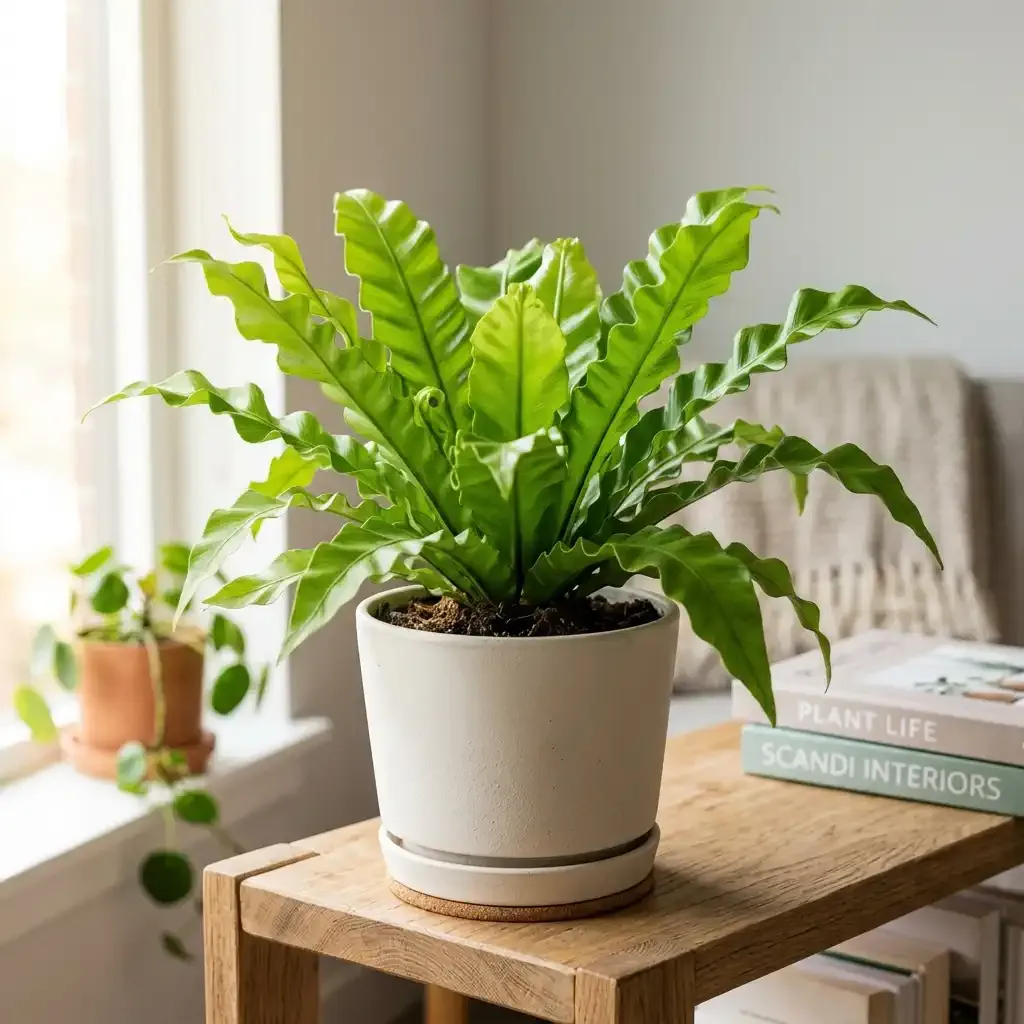
- Why it’s great for apartments: Most ferns (like Maidenhair or Boston ferns) have tiny leaves and will drop them instantly if the humidity drops. The Bird’s Nest Fern, however, has thick, leather-like, apple-green fronds that handle dry indoor air much better. Its unique wavy leaves add a beautiful architectural element to tables and countertops.
- Light needs: It thrives in low to medium indirect light. Avoid direct sun, which will burn the delicate fronds and turn them yellow.
- Watering and placement: Water around the edges of the pot rather than directly into the center “nest” to prevent crown rot. They absolutely love bathroom humidity!
- Pet safety: This fern is fully non-toxic to pets, so you don’t have to worry if your curious cat decides to investigate its wavy fronds.
Peace Lily Care in Low Light
The Peace Lily (Spathiphyllum) is one of the few low-light plants that will actually produce flowers (white spathes) indoors.
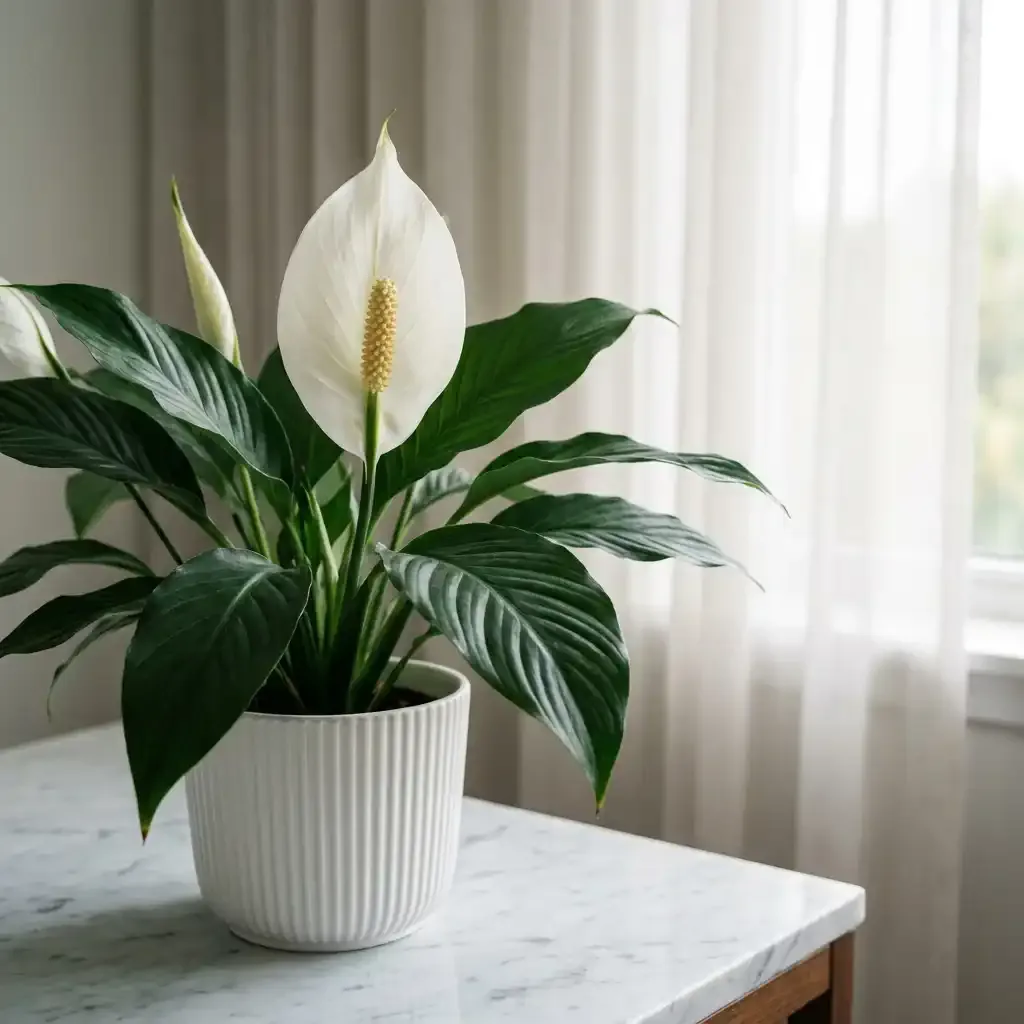
I will never forget the first time I thought I had killed my Peace Lily. I came home to find a pot of flat, completely lifeless leaves draped over the edge like wet rags. But after a thorough watering, the plant was fully upright and perky within two hours. This is due to turgor pressure: Peace Lilies are dramatic communicators. When they are thirsty, they droop dramatically, making them incredibly easy for beginners to read.
While Peace Lilies are famous for their ability to bloom indoors, flowering does require a bit more energy. They will survive in deep shade, but to encourage those beautiful white spathes, try placing them in a spot that gets a few hours of bright, indirect light. They are also humidity lovers; if your apartment gets dry in the winter, mist the leaves daily or set the pot on a pebble tray to prevent the leaf tips from turning brown. Keep an eye out for fungus gnats, which are attracted to the moist soil Peace Lilies prefer. Additionally, note that Peace Lilies are toxic to both dogs and cats if chewed, so place them well out of reach of any pets.
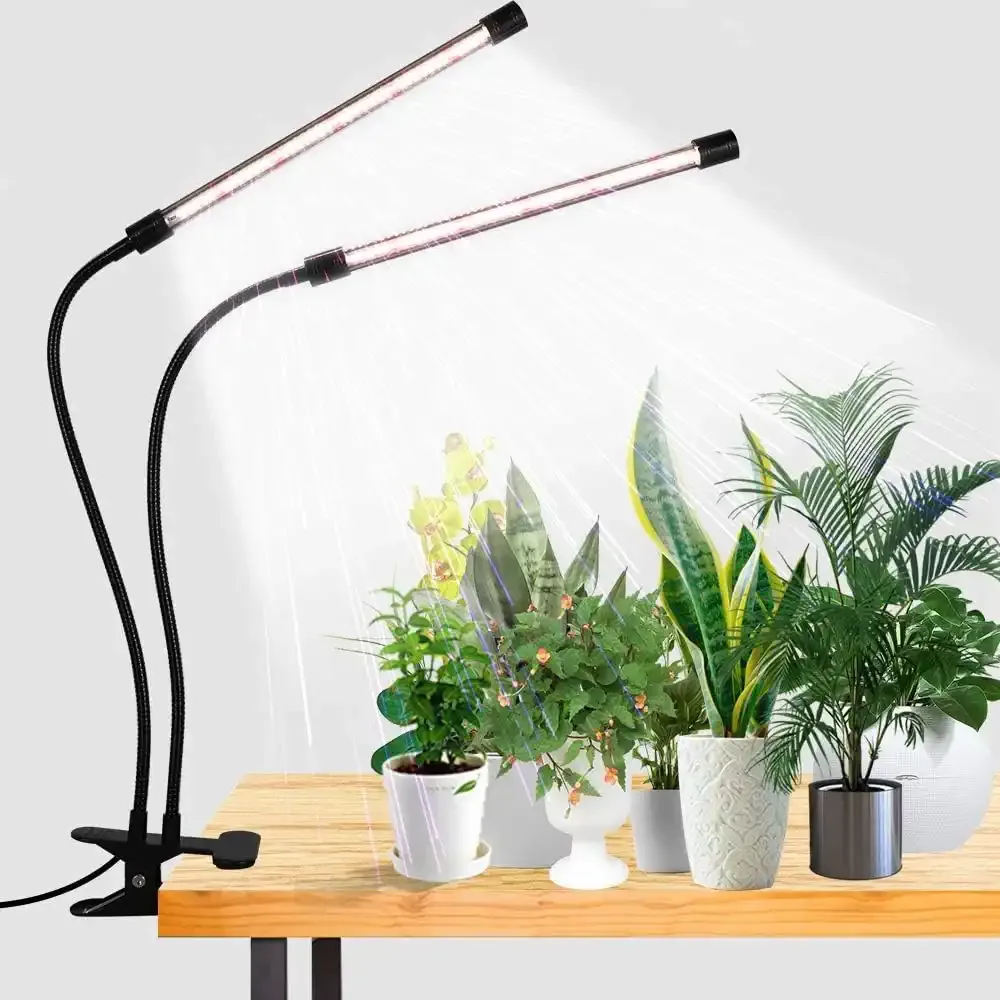
GooingTop LED Grow Light
Need a little extra light for your Peace Lily? This adjustable clip-on light is perfect for shelves and desks. I clip this to a bookshelf in my dark hallway; the timer is dead simple and it gave my peace lily enough light to push out two new white spathes.
Best Low-Light Plants for Bedrooms and Bathrooms
Different rooms present unique environmental challenges. Bathrooms are typically humid and experience frequent temperature shifts, while bedrooms tend to be cooler and drier. Choosing the right plant for the right room ensures they do more than just survive.
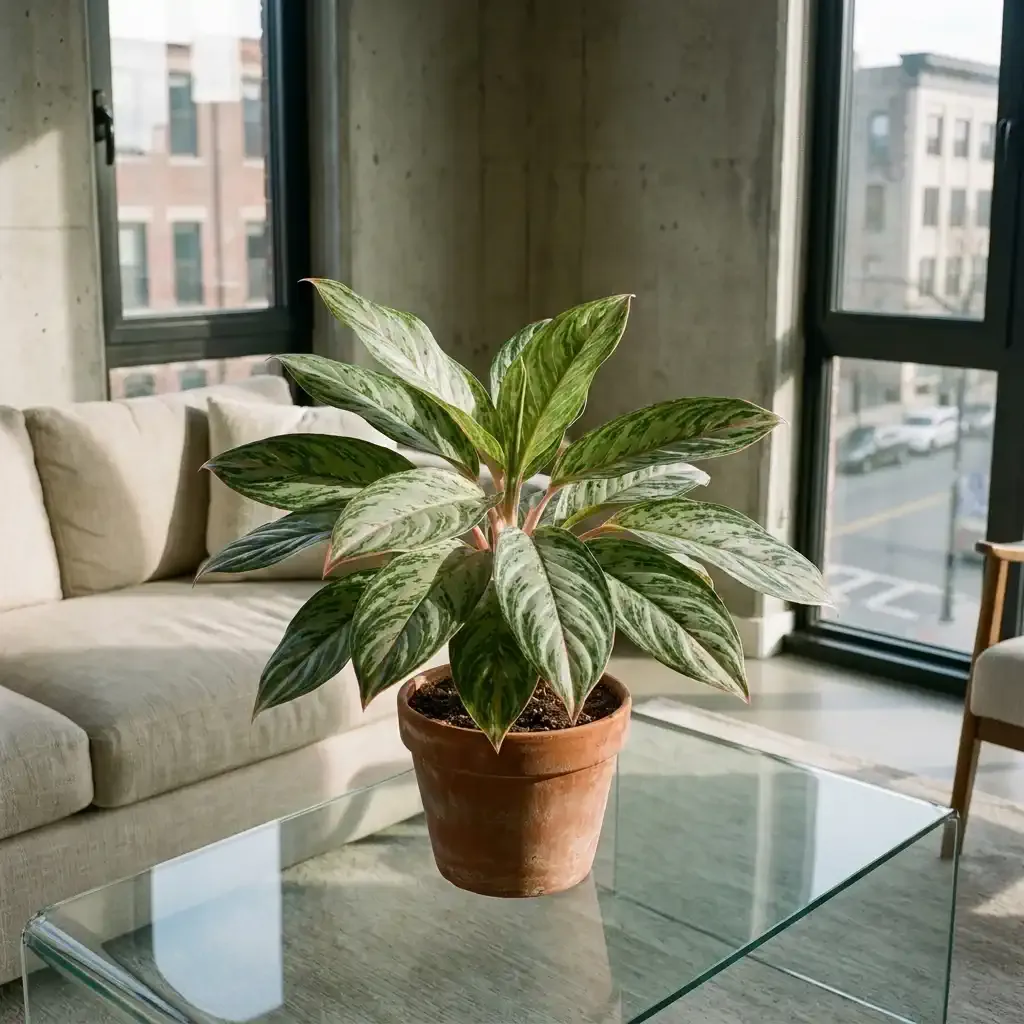
Chinese Evergreen (Aglaonema)
Chinese Evergreen (Aglaonema) is one of the most reliable choices for dim bedrooms or home offices. While many variegated plants lose their patterns and turn solid green in low-light environments, Aglaonemas retain their striking silver, cream and pink leaf variations remarkably well. They grow slowly and compactly, meaning they won’t rapidly outgrow their placement on a desk or dresser. To keep them happy, plant them in a peat-based potting soil and water only when the top two inches are dry. They prefer temperatures above 60°F (15°C) and should be kept away from cold drafty windows. Please note that Chinese Evergreens are toxic to cats and dogs if ingested due to calcium oxalate crystals.
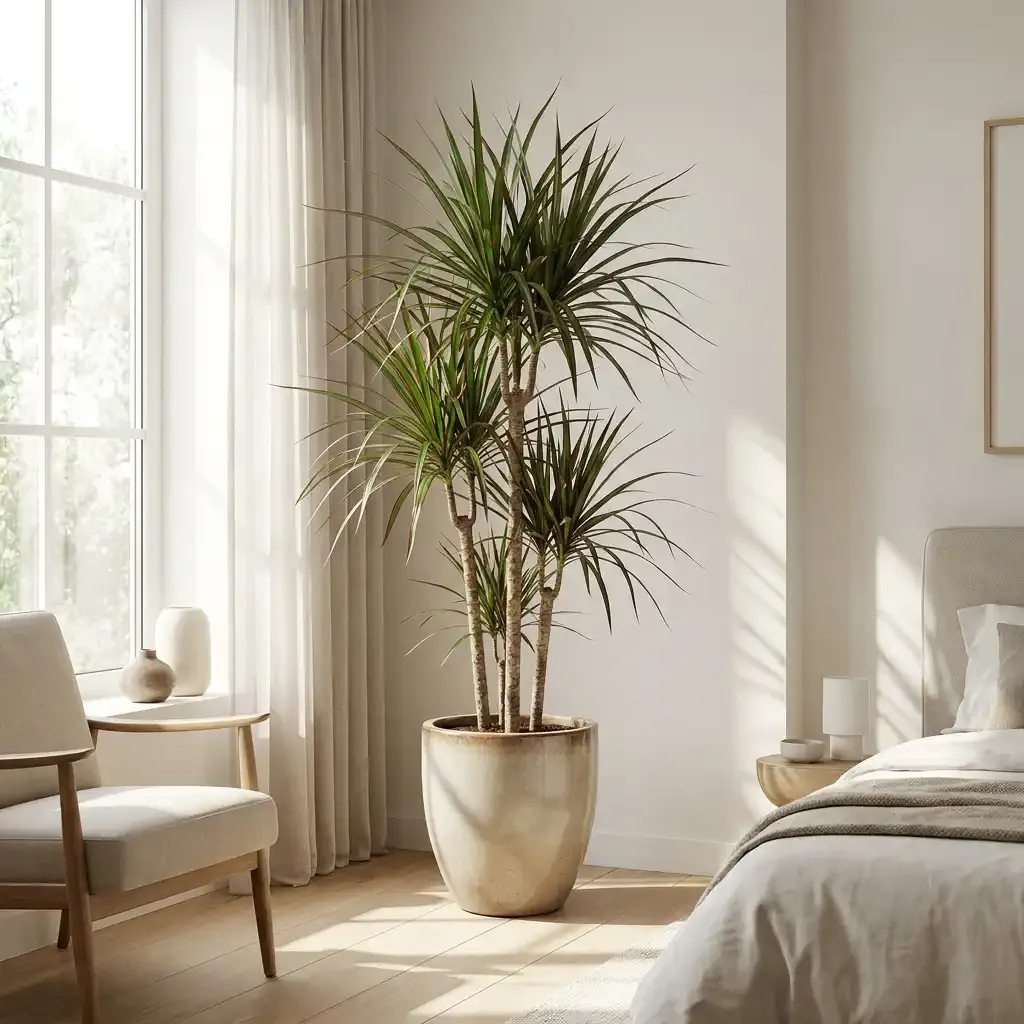
Dracaena (Dragon Tree)
Dracaena varieties are fantastic for adding architectural height to empty bedroom corners where natural light is sparse. Their slender, upright trunks topped with clusters of ribbon-like leaves create a tropical aesthetic without requiring tropical sun levels. A critical care tip for Dracaena is that they are highly sensitive to fluoride and other chemicals commonly found in municipal tap water, which causes their leaf tips to turn dry and brown. To prevent this, water them with distilled, filtered or rainwater and let the soil dry out halfway down the pot before watering again. Additionally, Dracaenas are toxic to pets, particularly cats, so keep them out of reach of curious animals.
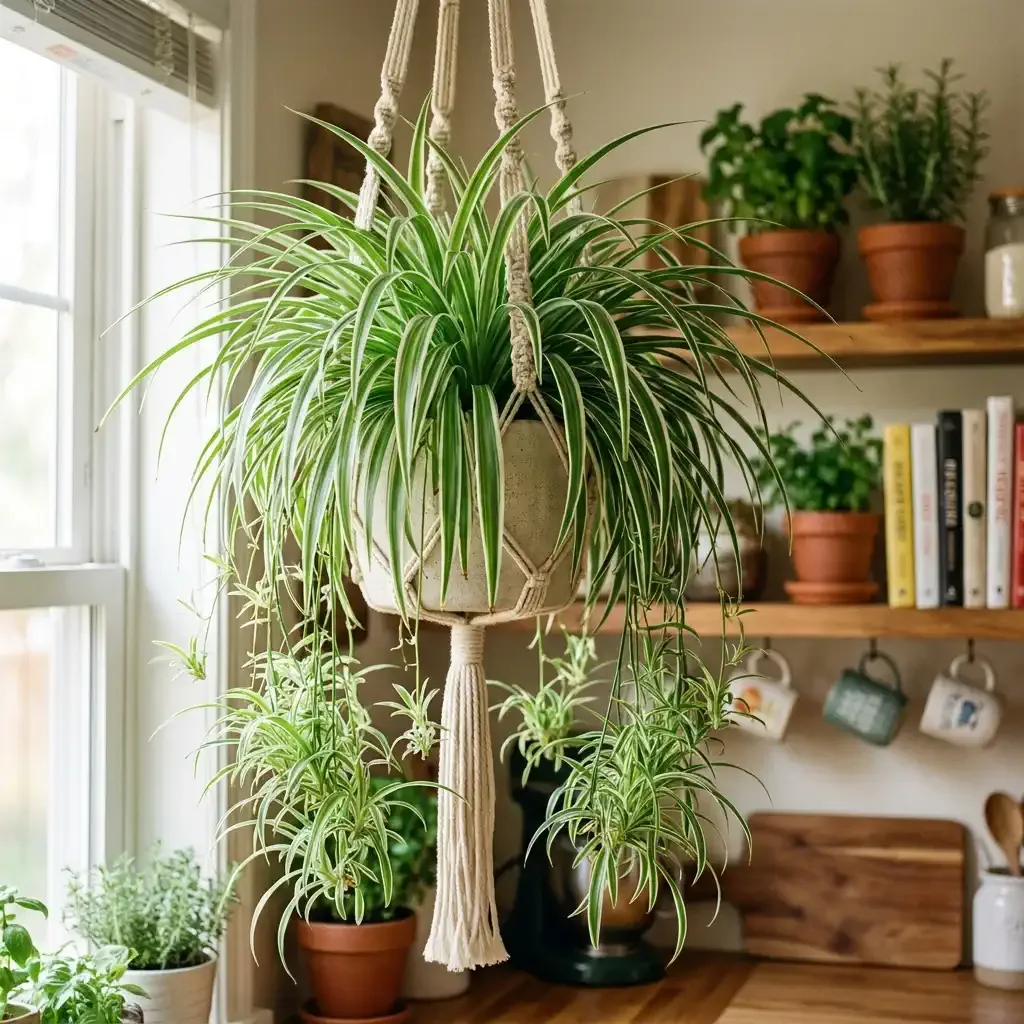
Spider Plant (Chlorophytum comosum)
The Spider Plant is an incredibly resilient option that thrives in the humid environment of a bathroom. They are highly tolerant of underwatering and can easily bounce back from neglect. In humid spaces, they absorb moisture through their narrow, arching leaves. As they mature, they produce small, trailing offsets known as “pups” that cascade down, making them perfect for hanging baskets or high shelves. You can easily propagate these pups by clipping them and rooting them in water or directly in damp potting soil. This plant is completely non-toxic to cats and dogs, making it a worry-free choice for pet owners.
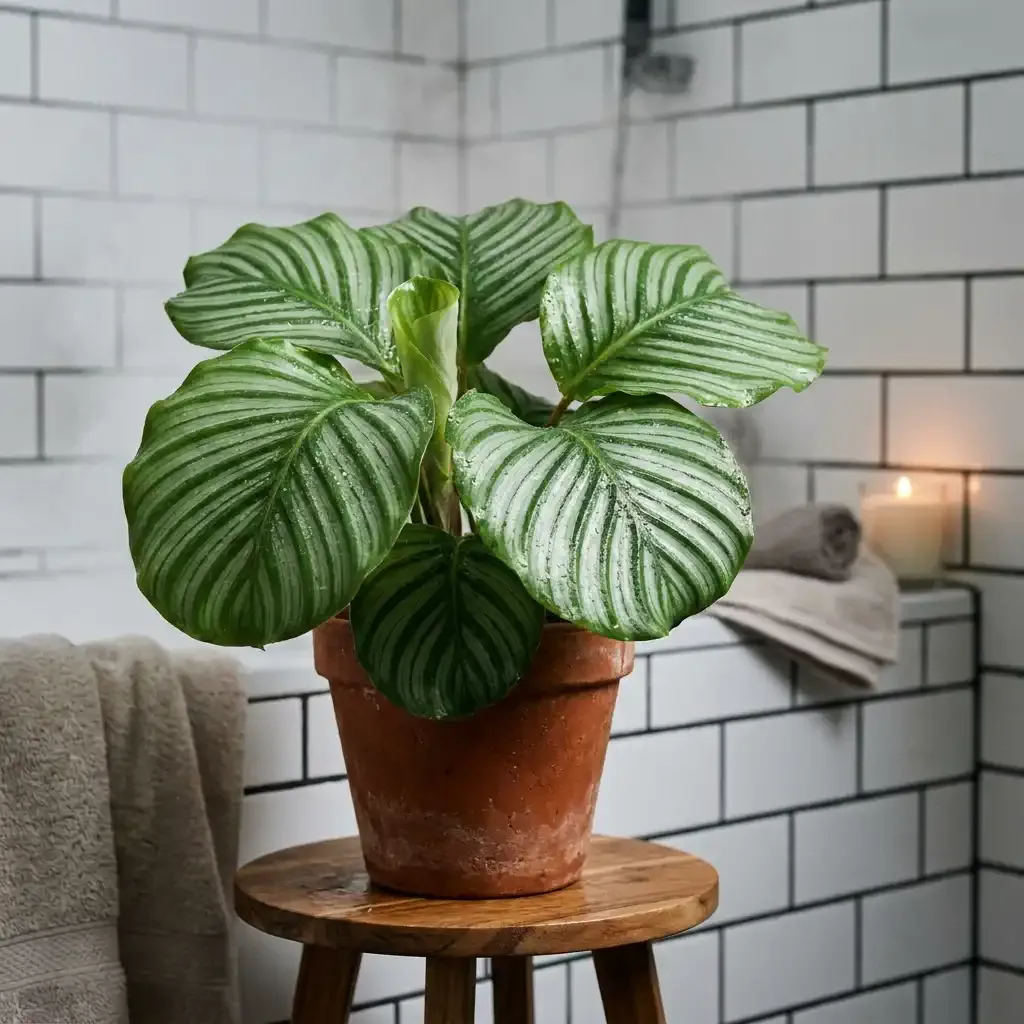
Calathea (Prayer Plant)
Calatheas (like the Calathea Orbifolia) are famous for their stunning, broad, painted leaves and their unique habit of folding their leaves up at night, a process called nyctinasty. Because they naturally grow on the damp forest floor under dense tree canopies, they are highly adapted to low light. They absolutely love humidity, which makes them ideal candidates for a spa-like bathroom where steam from the shower keeps the air moist. Calatheas are completely non-toxic to pets, making them a safe choice. However, keep in mind they are more sensitive to drafty windows, dry air and hard water than other low-light plants, so use filtered water whenever possible.
- Air-purifying claims vs. reality: While spider plants and snake plants are famous for filtering indoor air (originating from a 1989 NASA study), modern research, including a widely-cited 2019 study in the Journal of Exposure Science & Environmental Epidemiology, shows that you would need hundreds of plants per room to achieve any meaningful filtration in a typical home. They still look beautiful and boost mental well-being, but they won’t replace a real air purifier.
Common Low-Light Houseplant Mistakes
Even “unkillable” plants have their limits. Avoid these common pitfalls to keep your green roommates happy.
- Overwatering problems: This is the #1 killer. In low light, plants use water much slower. Always check the soil before watering.
- Using pots without drainage: If water can’t escape, it sits at the bottom and rots the roots. Always use a pot with a hole or keep the plant in its plastic nursery pot inside a decorative one.
- Fertilizing too often: Plants in low light grow slowly and don’t need much food. Fertilize only during spring and summer and at half-strength.
- Ignoring humidity levels: Heaters in winter can dry out the air. Grouping plants together can help create a tiny humid microclimate.
- Moving plants too frequently: Plants take time to acclimate to a spot. Constantly moving them causes stress and leaf drop.
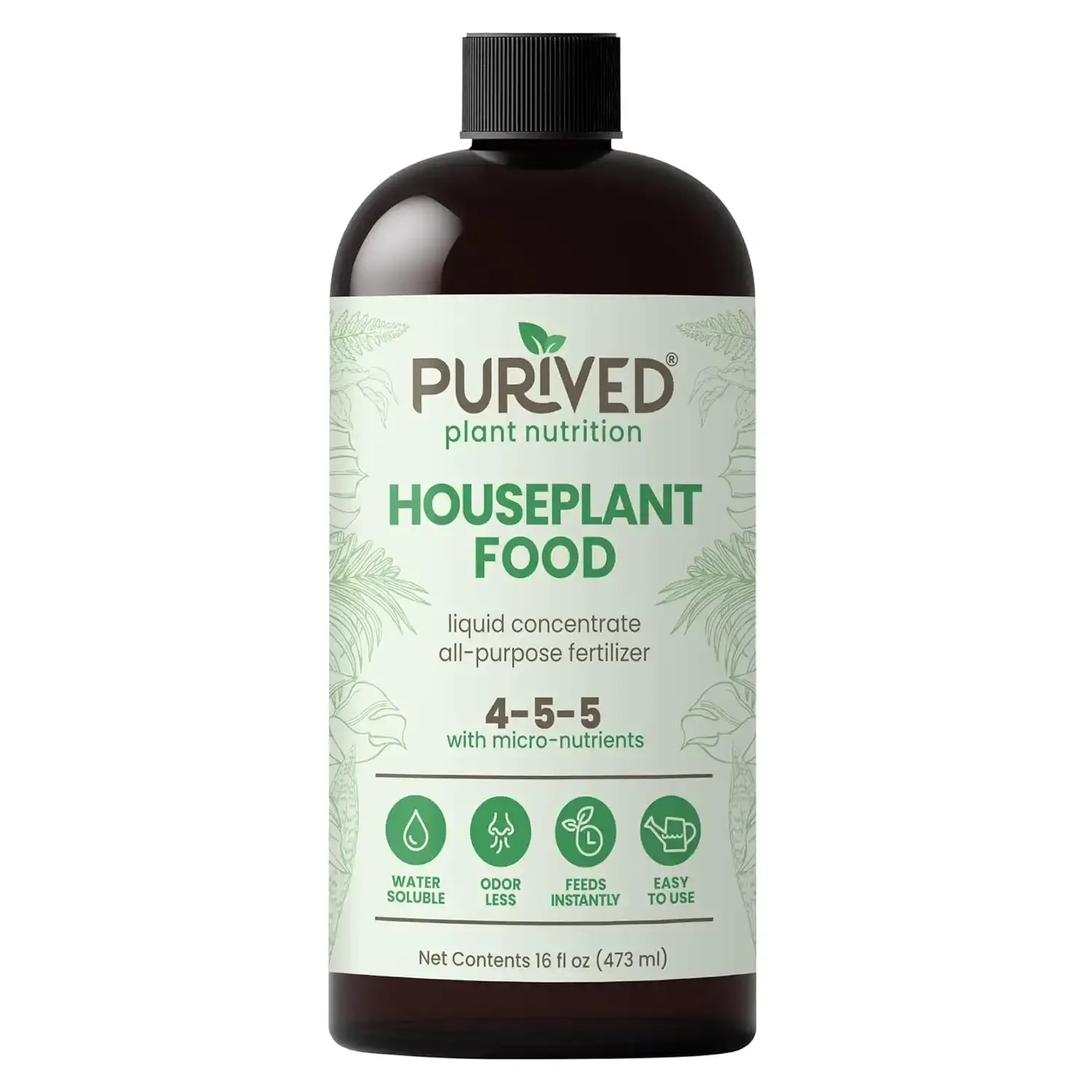
Purived All-Purpose Liquid Plant Fertilizer
Give your low-light beauties a boost! This all-purpose formula provides essential nutrients without the risk of chemical burns. I feed this to my plants at half-strength during the spring and they've shown solid new growth without any leaf-tip burn.
How to Keep Apartment Plants Alive Year-Round
- Seasonal watering adjustments: Cut back watering by half in the winter months when the plant is “resting.”
- Winter plant care tips: Keep plants away from cold drafts or direct heat from radiators.
- Cleaning dusty leaves: Dust blocks sunlight. Wipe leaves with a damp cloth once a month so they can “breathe.”
- Rotating plants for even growth: Turn your pots 90 degrees every few weeks so they don’t grow lopsided toward the light source.
- When to repot indoor plants: Look for roots growing out of the drainage holes. This is a sign it’s time for a bigger home. For more maintenance advice, see our 7 simple gardening tips for busy people.
Conclusion
Growing indoor plants in a low-light apartment is far easier than most people think. You don’t need massive floor-to-ceiling windows or high-end grow setups to keep your space green. In fact, some of the most resilient indoor plants actually thrive on a bit of strategic neglect and indirect light.
If you’re just starting out, snake plants, pothos and ZZ plants are your safest bets. They’re forgiving, easy to care for and highly tolerant of typical indoor environments.
The most important lesson I learned after transitioning from hydroponics to soil was this: the mistake that actually killed my plants wasn’t neglect, it was a well-meaning but over-enthusiastic watering schedule. Overwatering is the real villain in low-light gardening. Start with just one or two easy survivors, get to know how they respond to your apartment’s specific lighting and humidity and build your indoor jungle from there. When in doubt, leave the watering can alone.
Editor’s Note: Parts of this guide were structured and optimized with the assistance of AI, then thoroughly reviewed, edited and expanded with first-hand growing experience by our author Raymond to ensure practical, real-world accuracy.
Frequently Asked Questions
How do I know if my apartment has low light?
If you can read a print book during the day without straining and without turning on a lamp, you have low light. If there are no windows or it's pitch black, that is 'no light' and requires a grow light.
How often should you water a ZZ plant in low light?
Water ZZ plants in low-light apartments about once every 3 to 4 weeks. Always check the soil; it must dry out completely between watering sessions.
When should I repot my Snake Plant?
Snake plants prefer to be slightly root-bound. You only need to repot them every 2 to 3 years when the roots start visible bulging or outgrowing the drainage holes.
Are peace lilies toxic to pets?
Yes, peace lilies are toxic to cats and dogs if ingested. Keep them on high shelves or opt for pet-safe plants like spider plants.
Our Amazon Storefront
Browse all our recommended tools & supplies
Everything we personally use and trust, hand-picked for gardeners like you.

I've been running DWC and Kratky systems for several years and write about what actually works, not textbook theory. Follow along for honest product reviews, practical guides and real grow results.