As an Amazon Associate, I earn from qualifying purchases. Some links in this article are affiliate links, if you buy through them I may earn a small commission at no extra cost to you.
Quick Summary
- Low-Light Champions: Choose resilient plants like Snake plant, ZZ plant, Pothos and Peace Lily for dim rooms.
- Watering Routine: Avoid overwatering; low-light plants dry out slowly and rot easily in soggy soil.
- Light Definitions: Understand the difference between low, medium and bright indirect light in apartments.
- Easy Propagation: Easily propagate Pothos and Philodendrons in water to expand your collection.
- Indestructible Choices: Select Cast Iron plants and Bird’s Nest ferns for low-maintenance greenery.
Low-light indoor plants survive and grow with minimal natural sunlight, making them ideal for dim apartments. (Looking to grow edible crops instead? Consult our ultimate guide to apartment hydroponics).
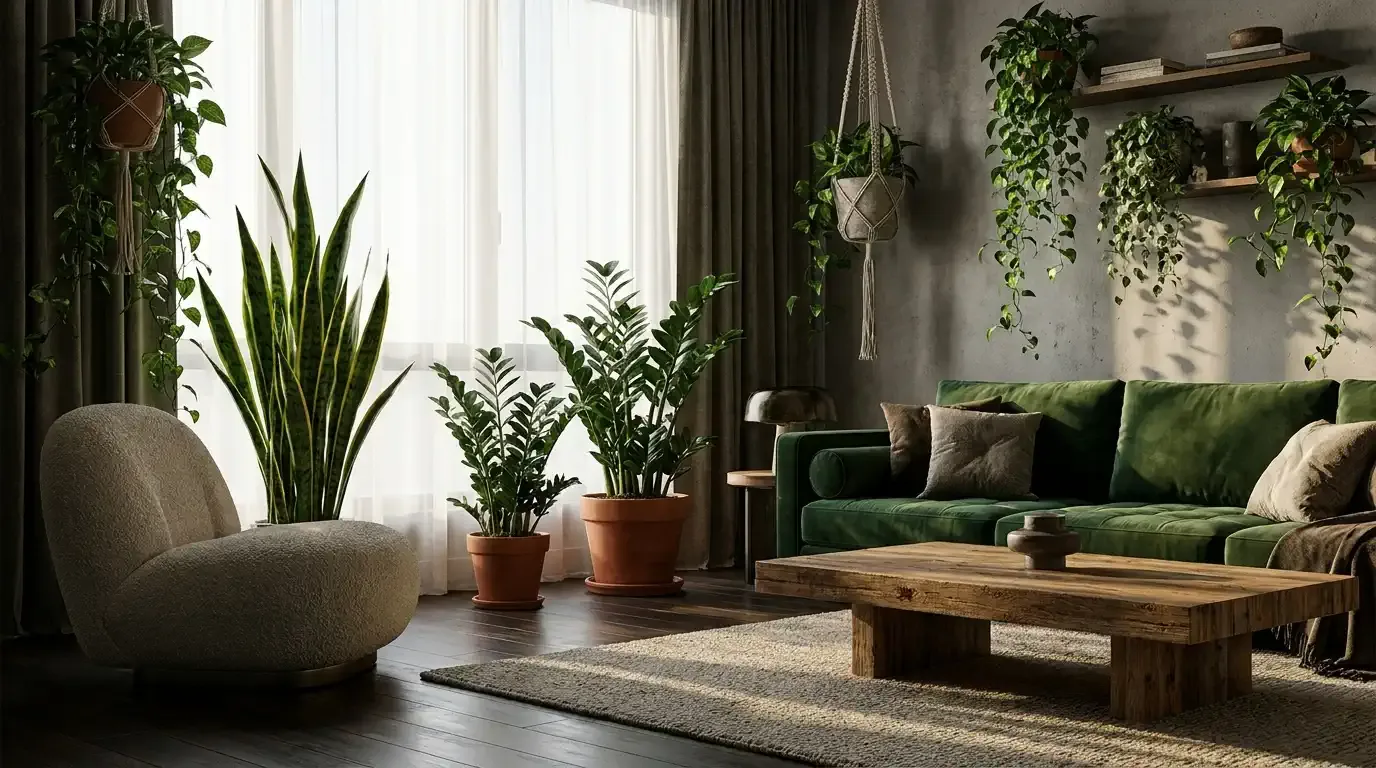
Many renters assume keeping houseplants alive requires expansive, south-facing windows. In reality, multiple understory tropical species thrive in diffused northern exposure, sheltered alcoves, and shaded corners.
Here is a guide to selecting resilient indoor houseplants that tolerate low natural light without succumbing to root rot.
Architectural Glazing and Indoor Light
Modern residential buildings often install insulated Low-E window glass. While this glazing blocks thermal solar gain, it also filters out photosynthetically active radiation (PAR). Paired with single-exposure apartments facing neighboring buildings, understanding shade-adapted plants is essential for indoor cultivation.
Defining Low Light Indoors
Every plant requires photons to drive photosynthesis, but indoor light levels drop rapidly away from exterior walls:
- Low Light vs. Zero Light: Low light refers to an indoor space where you can read printed text without artificial lamps, yet no direct sunbeams hit foliage. A windowless hallway or interior bathroom provides zero light and requires supplemental illumination.
- Inverse Square Law: Usable light intensity drops exponentially within four to six feet of a window frame. A windowsill providing 500 foot-candles may deliver fewer than 50 foot-candles at an interior dining table.
- Window Orientations: North-facing windows provide steady, cool ambient light ideal for sensitive understory plants. East-facing windows provide gentle morning sun without midday heat scorch.
- Supplemental Lighting: If an interior room lacks natural light, a horticultural LED bulb placed in a standard desk lamp bridges the gap. For hardware guidance, review our guide to the best LED grow lights for beginners.
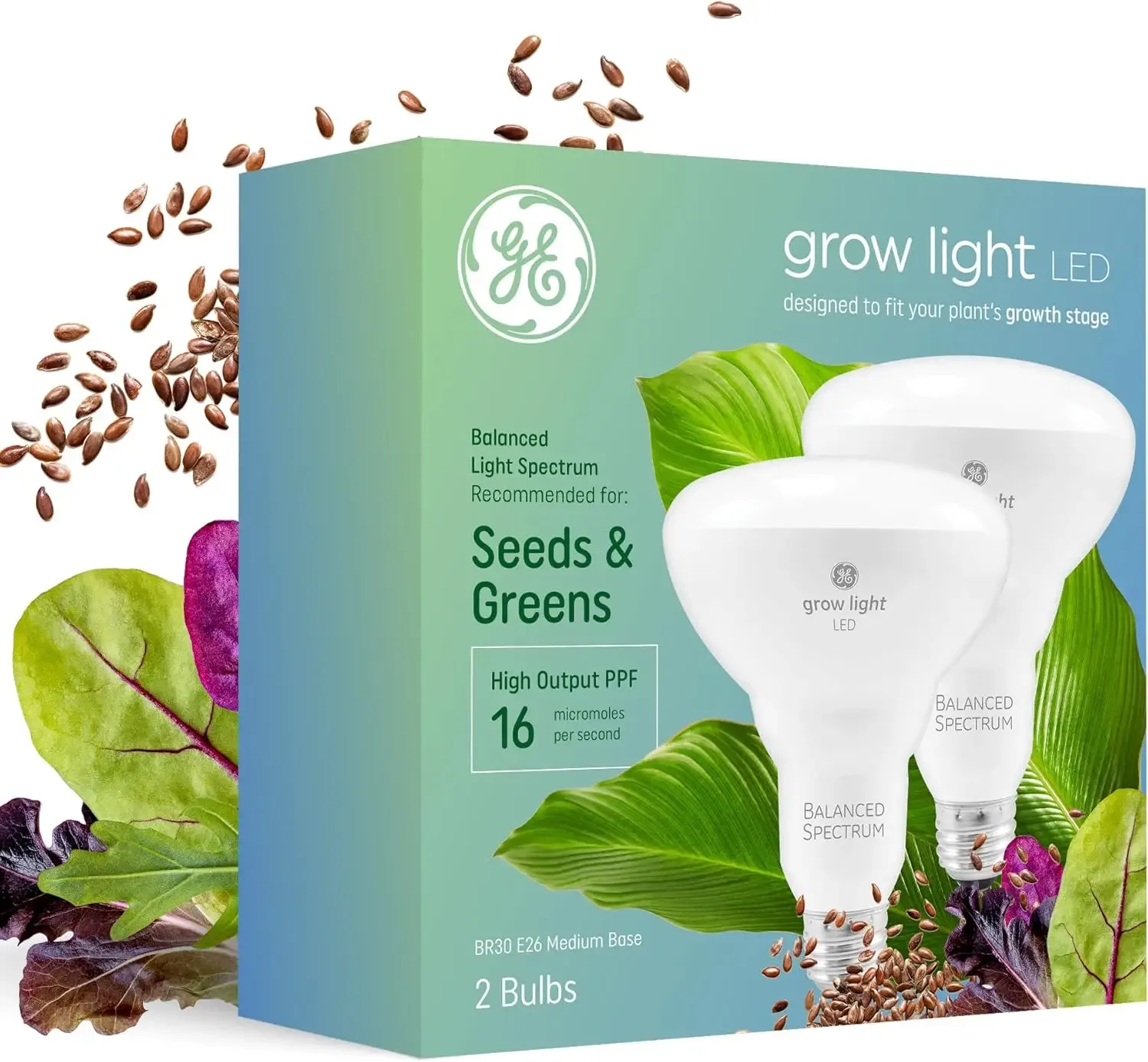
GE Lighting LED Grow Light Bulb
Perfect for low-light apartments! This balanced spectrum bulb fits into standard lamps and provides the precise light quality your indoor plants need to thrive. I ran this bulb over a pothos in my dim, windowless bathroom for two months and it stayed vibrant green with zero stretching.
1. Snake Plant (Sansevieria trifasciata)
The Snake Plant (Mother-in-Law’s Tongue) is an architectural succulent adapted to survive extended droughts and low illumination.
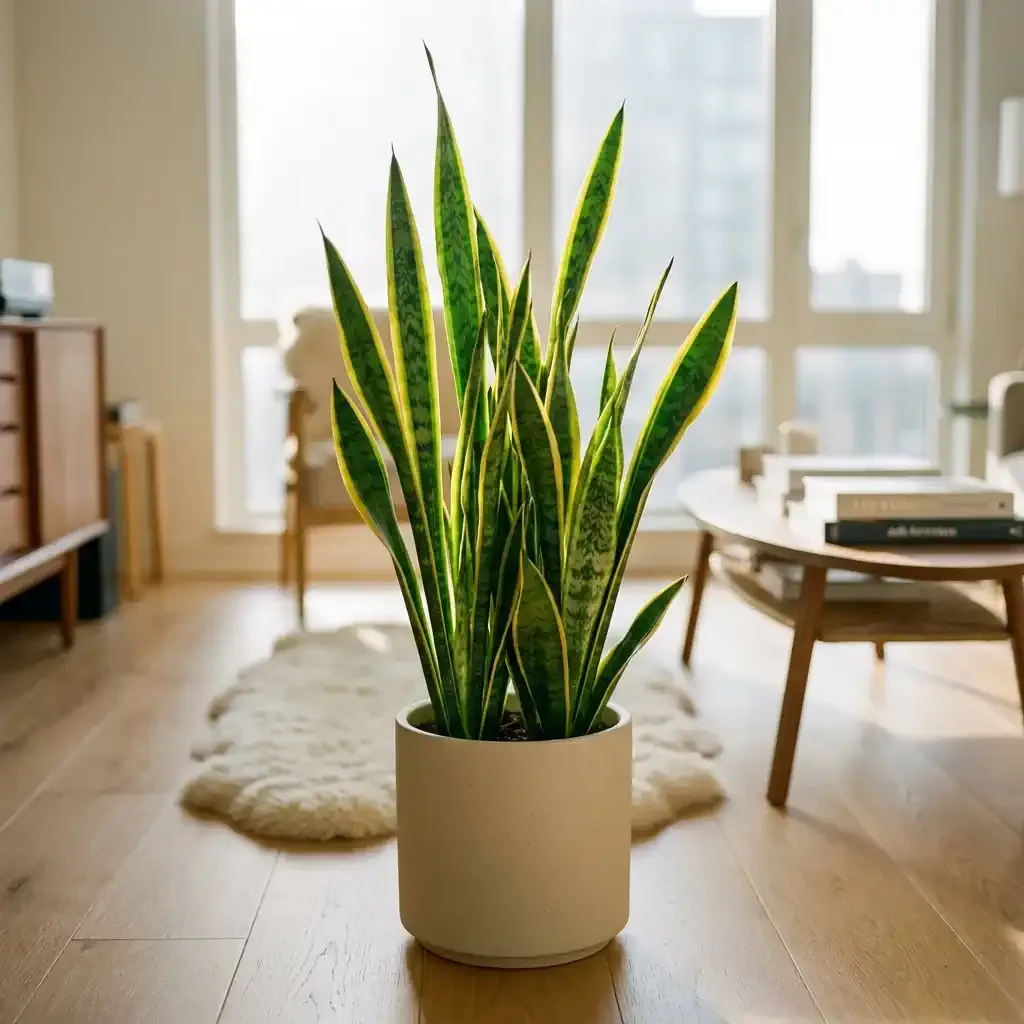
- Drought Resilience: Thick, fibrous leaves store water for weeks, allowing the plant to go four to six weeks between waterings in winter.
- Watering Strategy: Overwatering is the primary cause of plant death. Allow the entire soil volume to dry completely before soaking.
- Soil Requirements: Plant in a coarse cactus or succulent mix incorporating 30% perlite to ensure rapid drainage. Learn more about media aeration in our soil-based gardening guides.
- Toxicity: Foliage contains saponins toxic to cats and dogs if chewed; position planters on elevated stands.
2. ZZ Plant (Zamioculcas zamiifolia)
The ZZ Plant features glossy, dark green pinnate leaves rising from underground rhizomes.
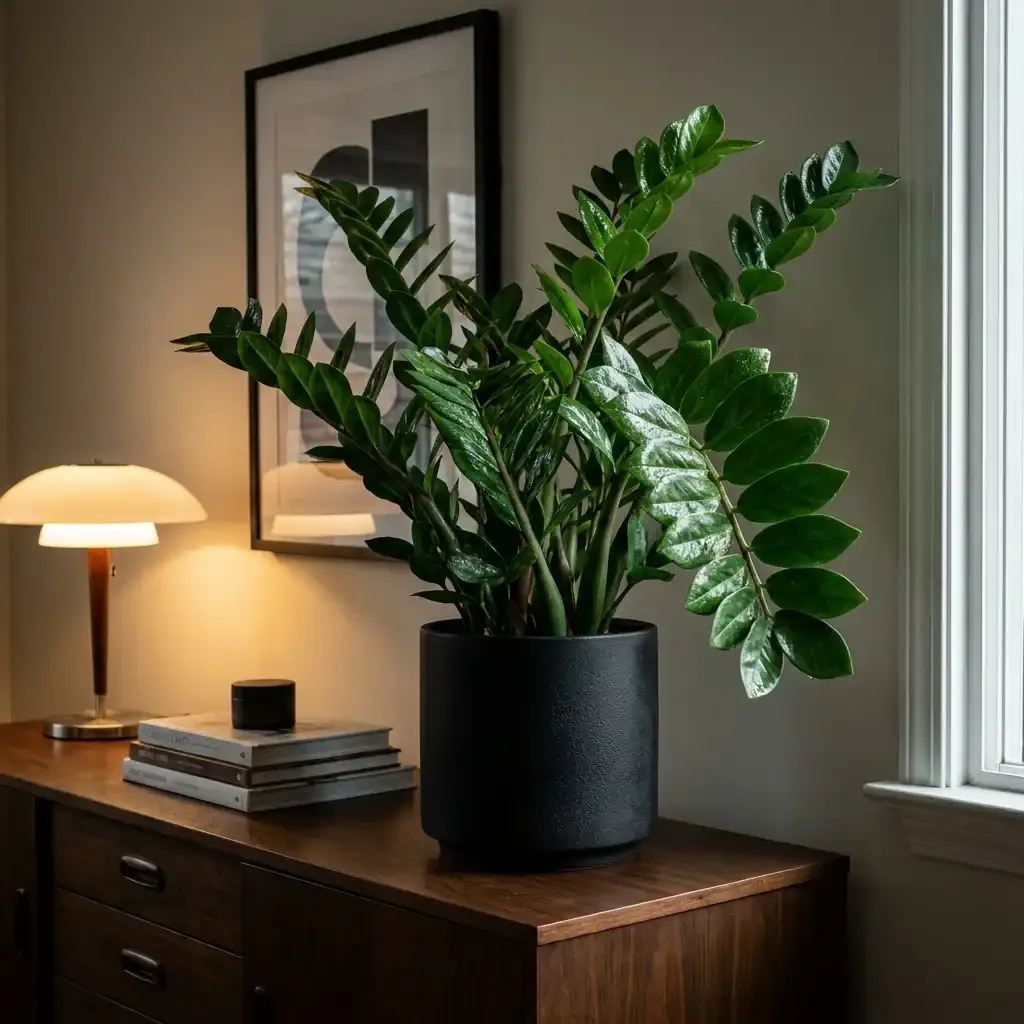
| Care Parameter | ZZ Plant Protocol | Practical Maintenance Note |
|---|---|---|
| Watering | Every 3–4 weeks | Check soil depth with a wooden chopstick; do not water if damp. |
| Light Exposure | Low to medium indirect | Thrives in interior hallways and rooms with north-facing windows. |
| Substrate | Porous potting mix | Standard potting soil amended with coarse pumice or perlite. |
| Growth Velocity | Slow in dim spaces | Maintains compact size without outgrowing decorative pots. |
| Toxicity | Toxic to domestic pets | Keep elevated on bookshelves away from pets. |
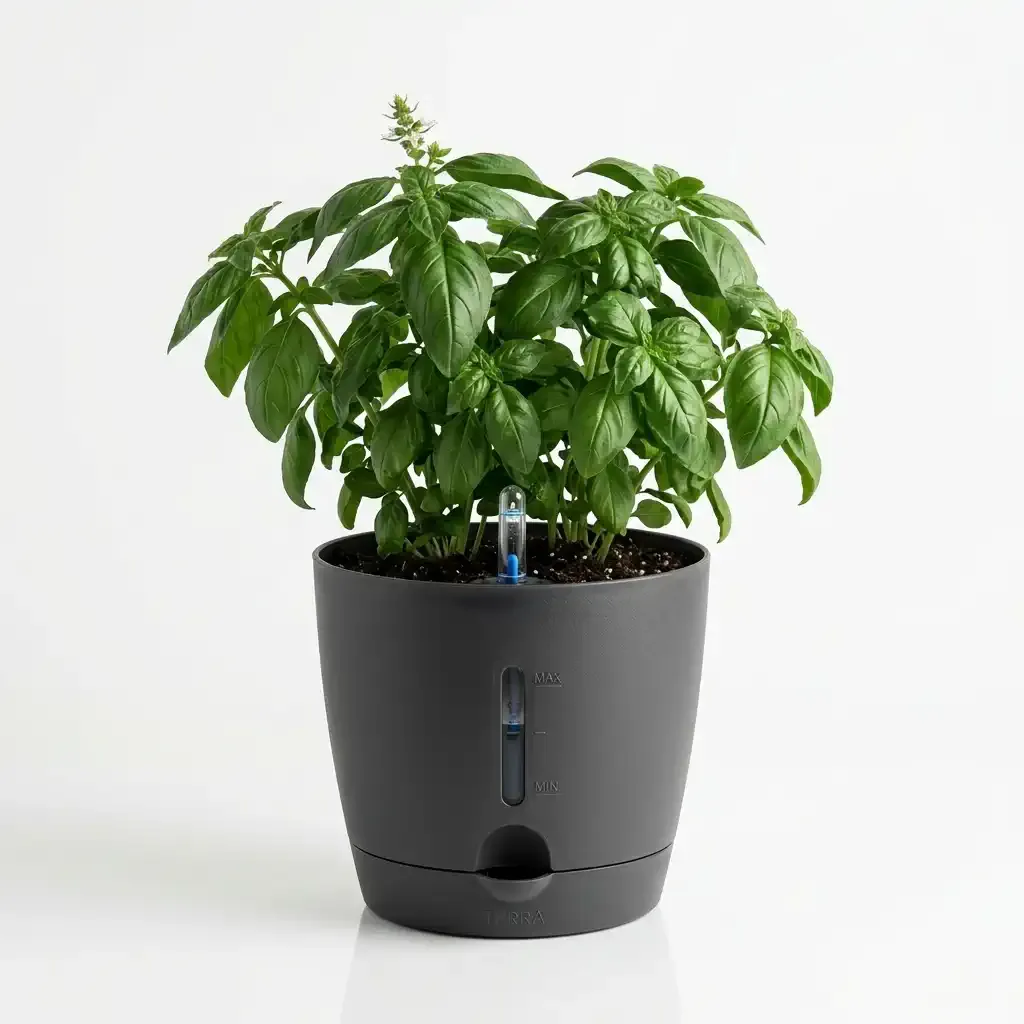
Self-Watering Planter with Drainage
Avoid the #1 plant killer! This planter features a sub-irrigation system that prevents overwatering while ensuring your plants stay hydrated. I switched my pothos to this self-watering pot last year; the bottom reservoir lets it drink on demand and I only have to refill it once a month.
3. Golden Pothos (Epipremnum aureum)
Pothos is a vigorous trailing vine that tolerates neglect and low ambient light.
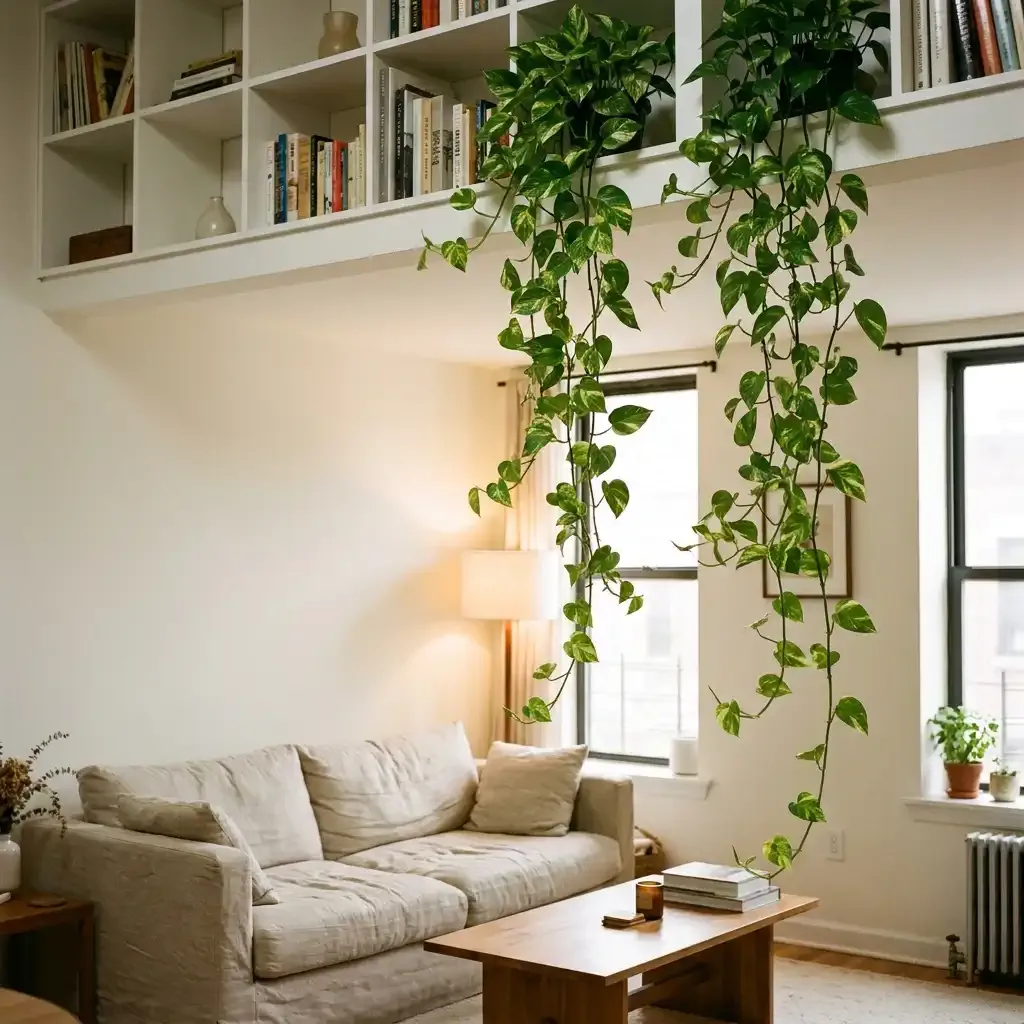
- Varietal Resilience: Golden Pothos maintains yellow-green variegation in moderate light. Solid green Jade Pothos handles dim locations best.
- Water Propagation: Cuttings taken below a leaf node root rapidly when placed in water glasses, allowing simple plant propagation.
- Moisture Signals: Leaves wilt and soften when dehydrated, recovering within hours of watering. Yellowing lower foliage indicates waterlogged soil. For busy homeowners, read 7 simple gardening tips for busy people.
4. Heartleaf Philodendron (Philodendron hederaceum)
Often mistaken for pothos, the Heartleaf Philodendron features thin, heart-shaped leaves with tapering tips and a cascading habit.
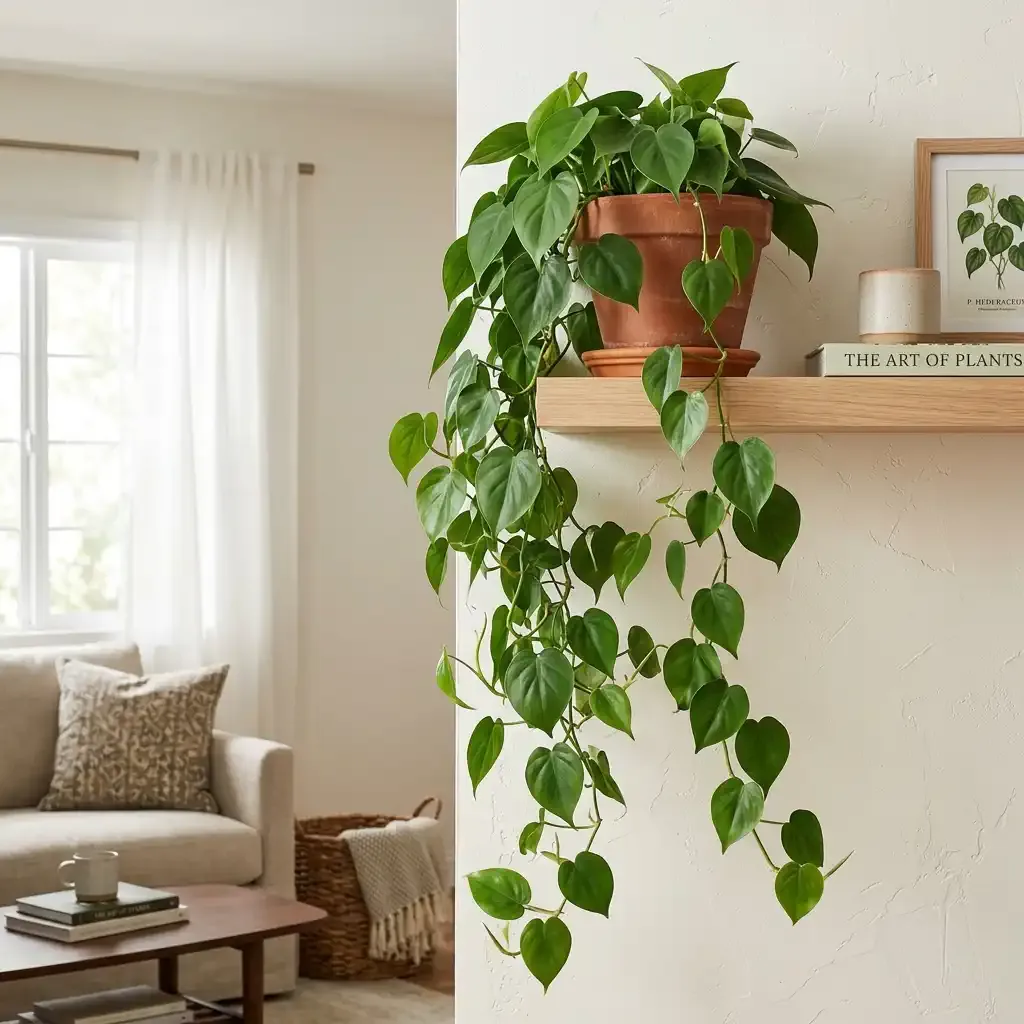
- Distinguishing Characteristics: Thinner foliage and slender stems than pothos, with higher shade tolerance in interior corners.
- Moisture Protocol: Allow the top 50% of the container soil to dry before watering.
5. Cast Iron Plant (Aspidistra elatior)
Named for its resilience in Victorian homes, the Cast Iron Plant withstands dry air, temperature drafts, and dim light.
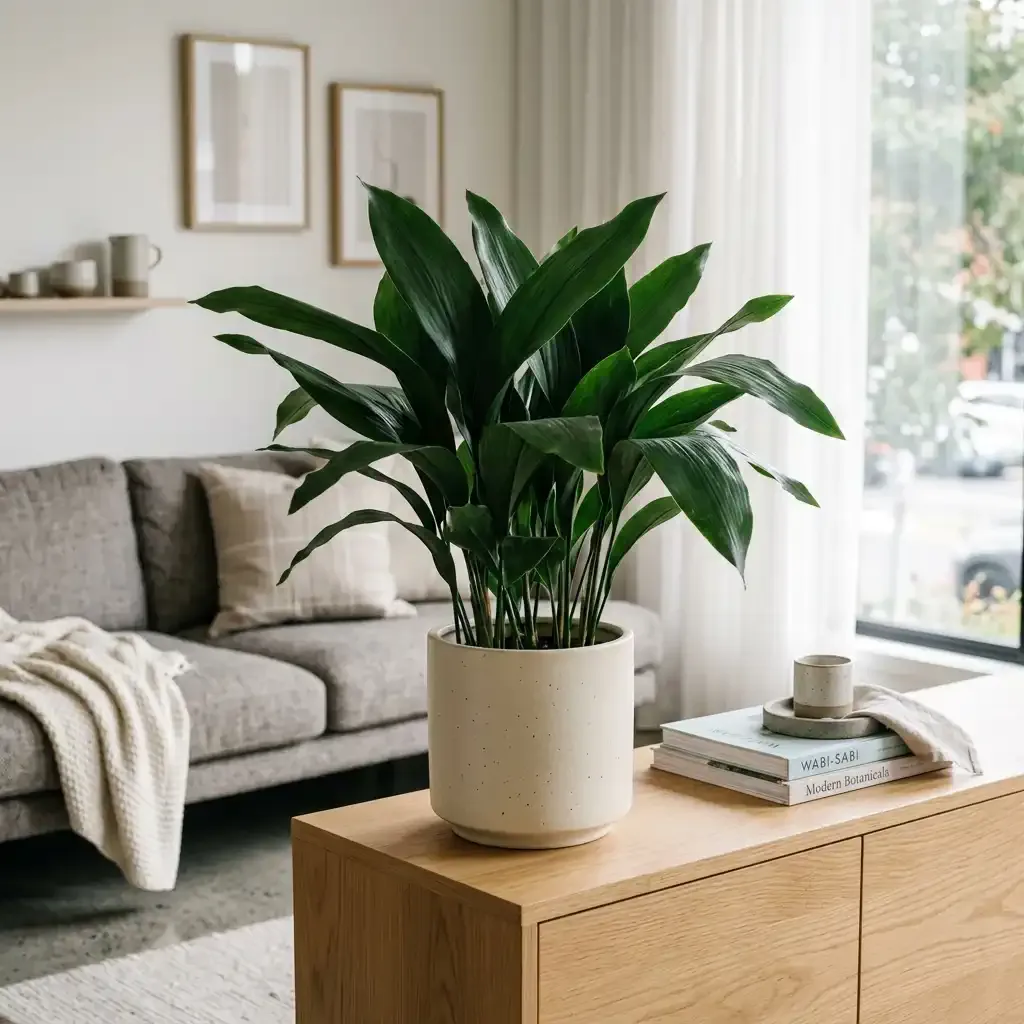
- Environmental Durability: Unlike Dracaena species that drop lower leaves in cold drafts, Aspidistra foliage handles fluctuating temperatures near exterior doorways.
- Dust Maintenance: Wipe broad leaves monthly with a damp cloth to clear dust and maintain photosynthetic efficiency.
- Pet Safety: Cast Iron Plants are non-toxic to cats and dogs.
6. Bird’s Nest Fern (Asplenium nidus)
Unlike fragile Maidenhair ferns that require mist chambers, the Bird’s Nest Fern produces thick, leathery, undulating fronds that handle dry indoor air.
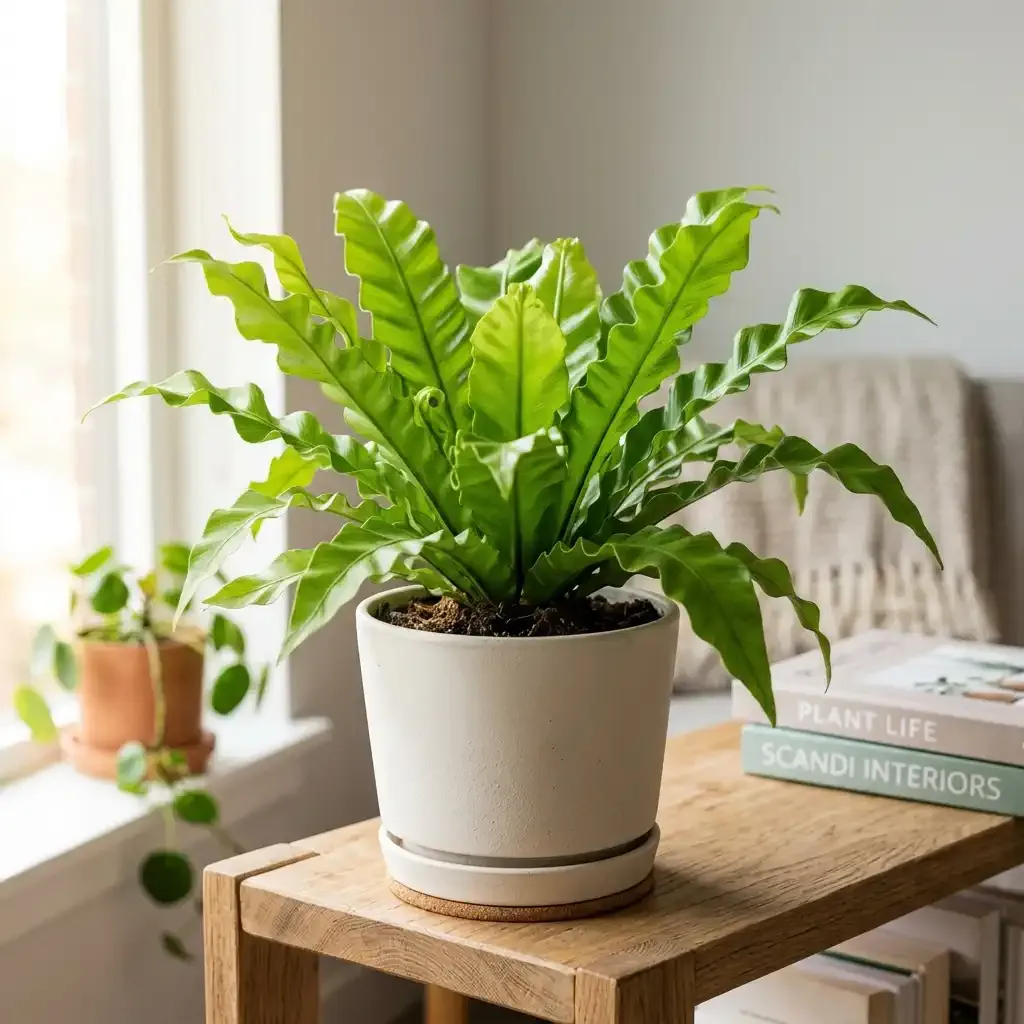
- Watering Protocol: Apply water to the soil perimeter around the pot rim rather than pouring directly into the central crown rosette, which can cause crown rot.
- Humidity Tolerance: Thrives in bathrooms where steam provides intermittent humidity. Non-toxic to domestic pets.
7. Peace Lily (Spathiphyllum)
The Peace Lily produces broad green leaves and white ornamental spathes under filtered light.
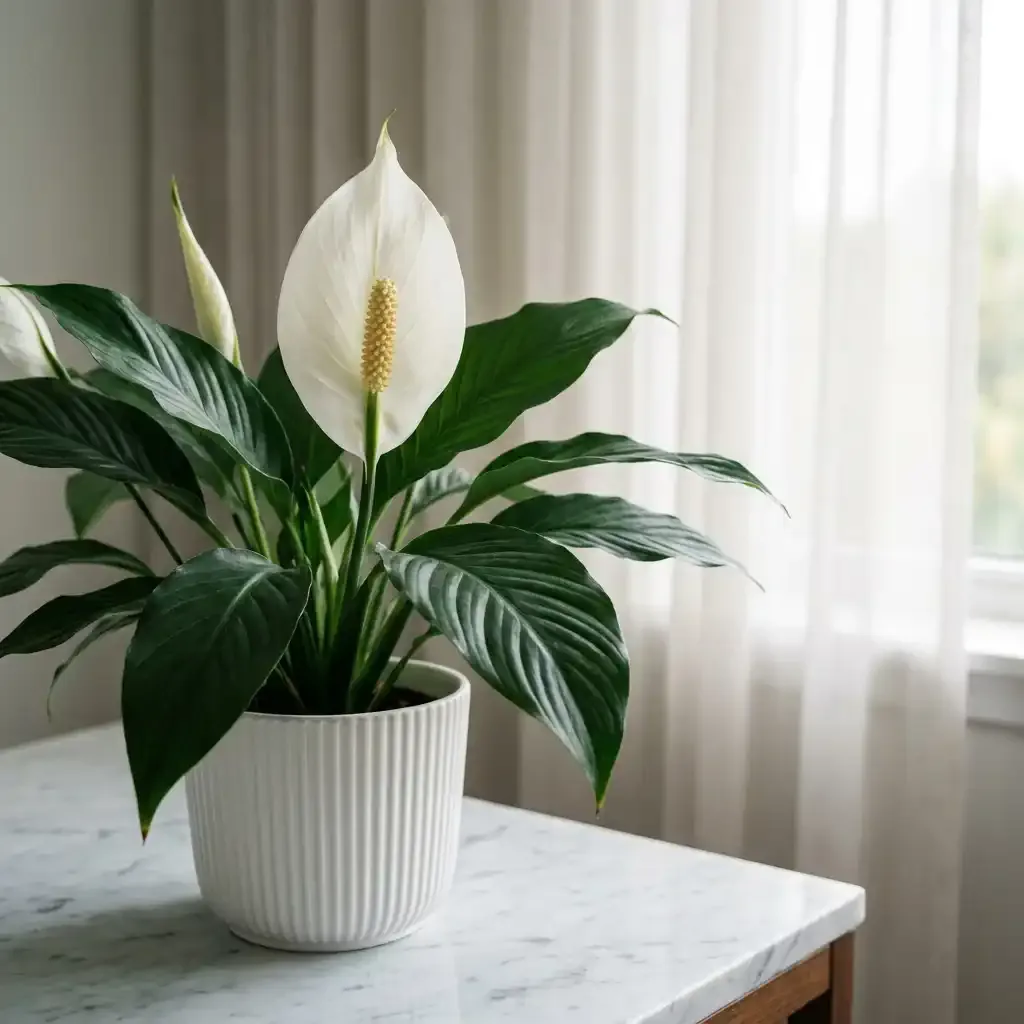
- Drought Communication: Stems drop dramatically when root zones dry out, recovering quickly after watering.
- Flowering Requirements: While plants survive in deep shade, producing white spathes requires a few hours of bright indirect light daily.
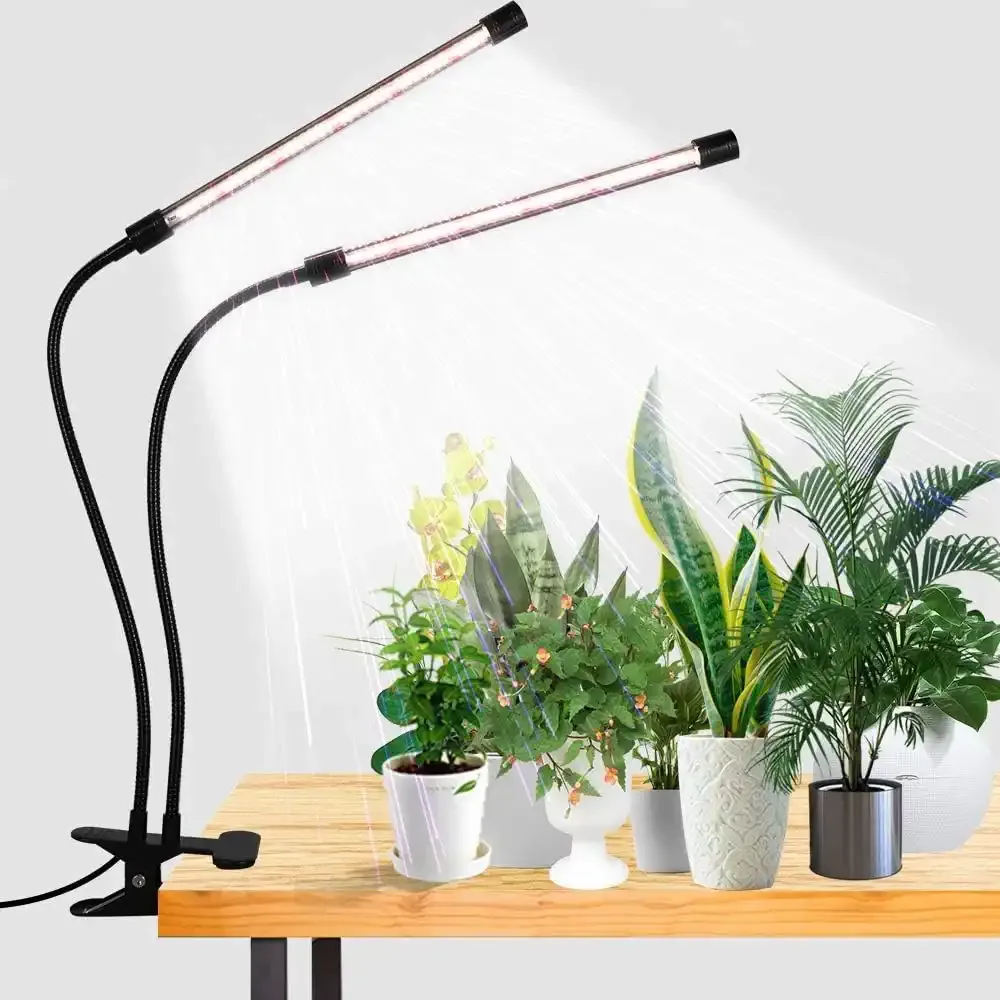
GooingTop LED Grow Light
Need a little extra light for your Peace Lily? This adjustable clip-on light is perfect for shelves and desks. I clip this to a bookshelf in my dark hallway; the timer is dead simple and it gave my peace lily enough light to push out two new white spathes.
8. Room-Specific Varieties
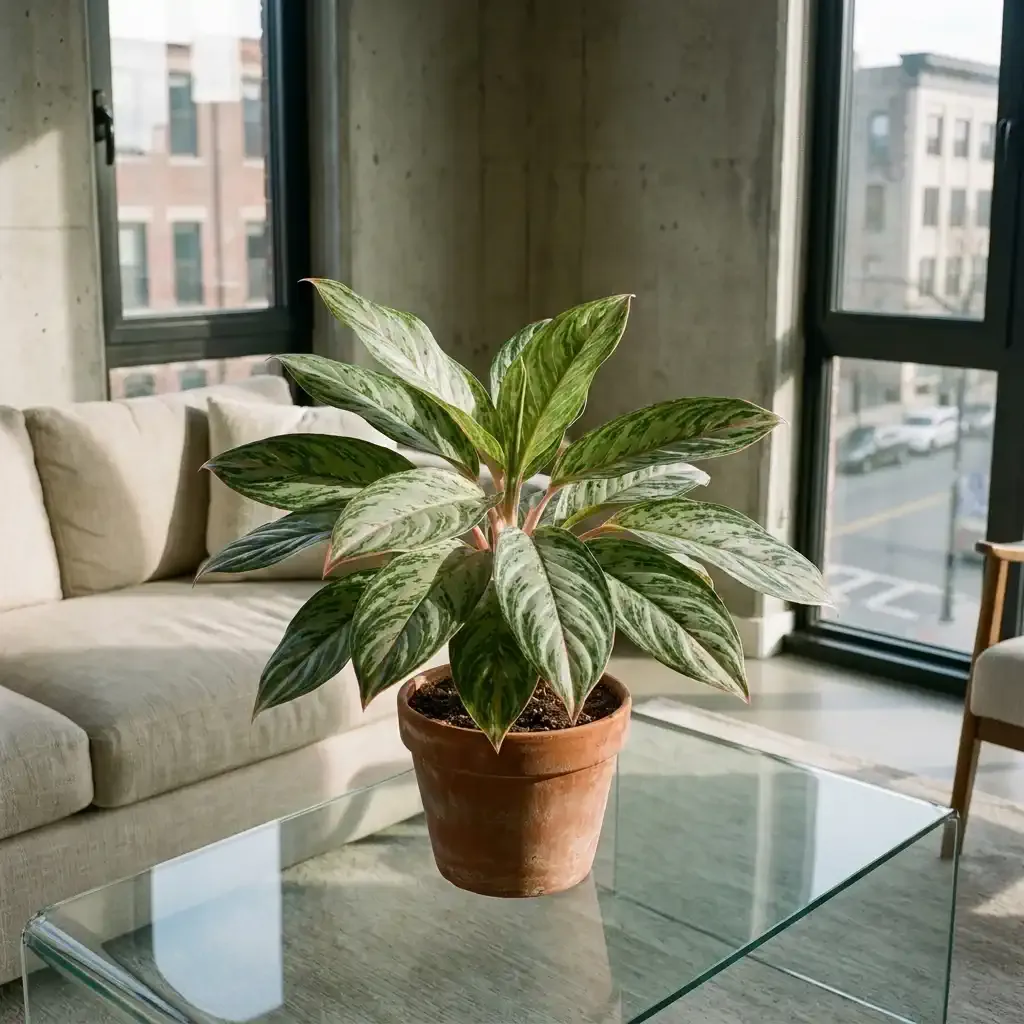
Chinese Evergreen (Aglaonema)
Retains pink and silver leaf variegation in low-light bedrooms. Water when the top two inches of soil feel dry.
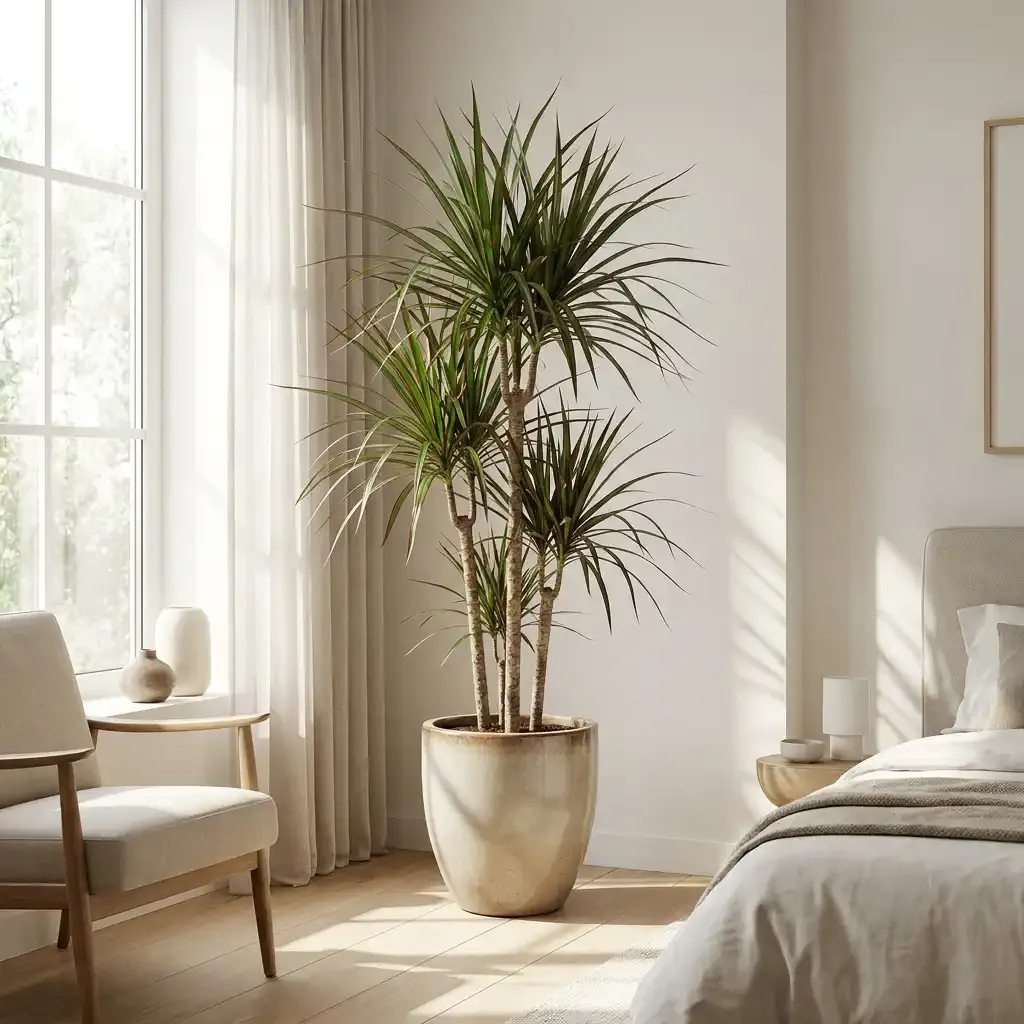
Dracaena (Dracaena marginata)
Provides upright vertical height for dim room corners. Use distilled or filtered tap water to avoid fluoride-induced brown leaf tip burn.
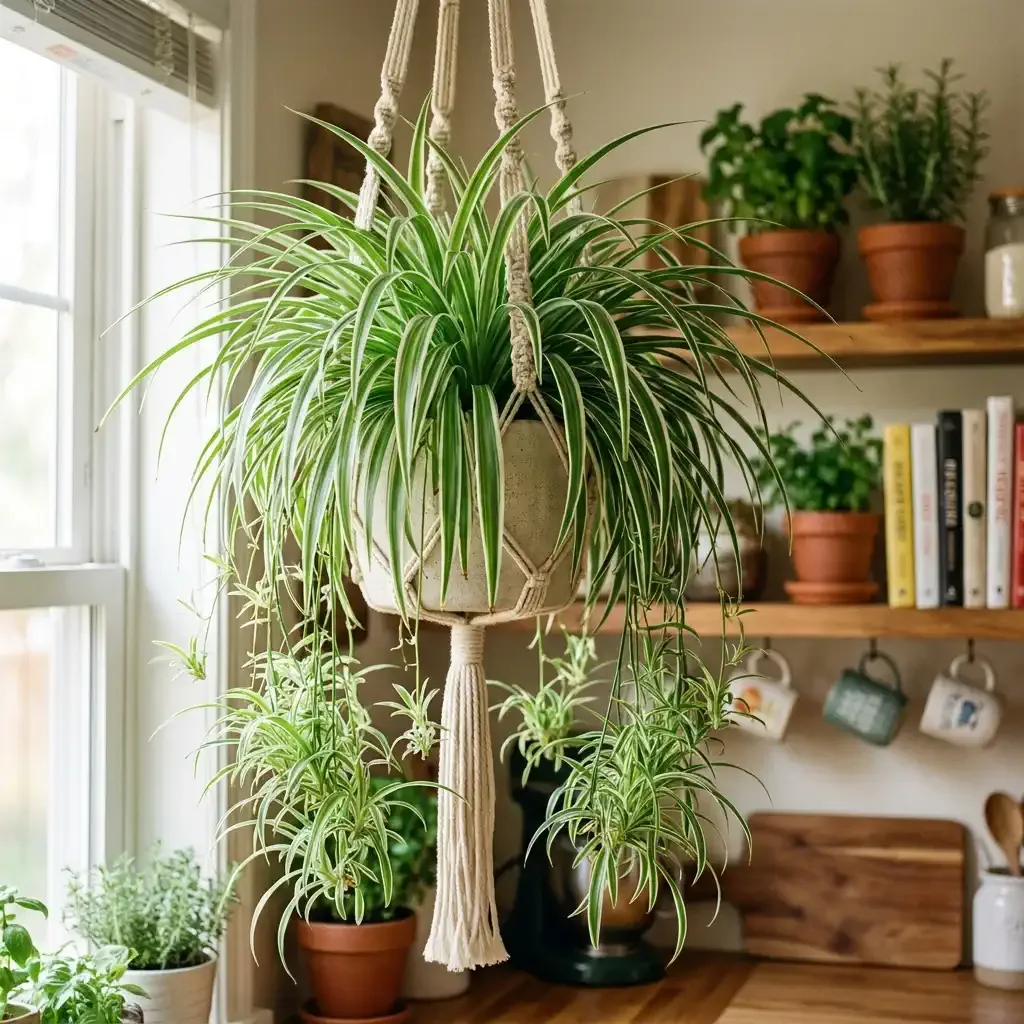
Spider Plant (Chlorophytum comosum)
Tolerates humidity fluctuations in bathrooms and produces cascading runner plantlets (“pups”) that root easily in water. Safe for pets.
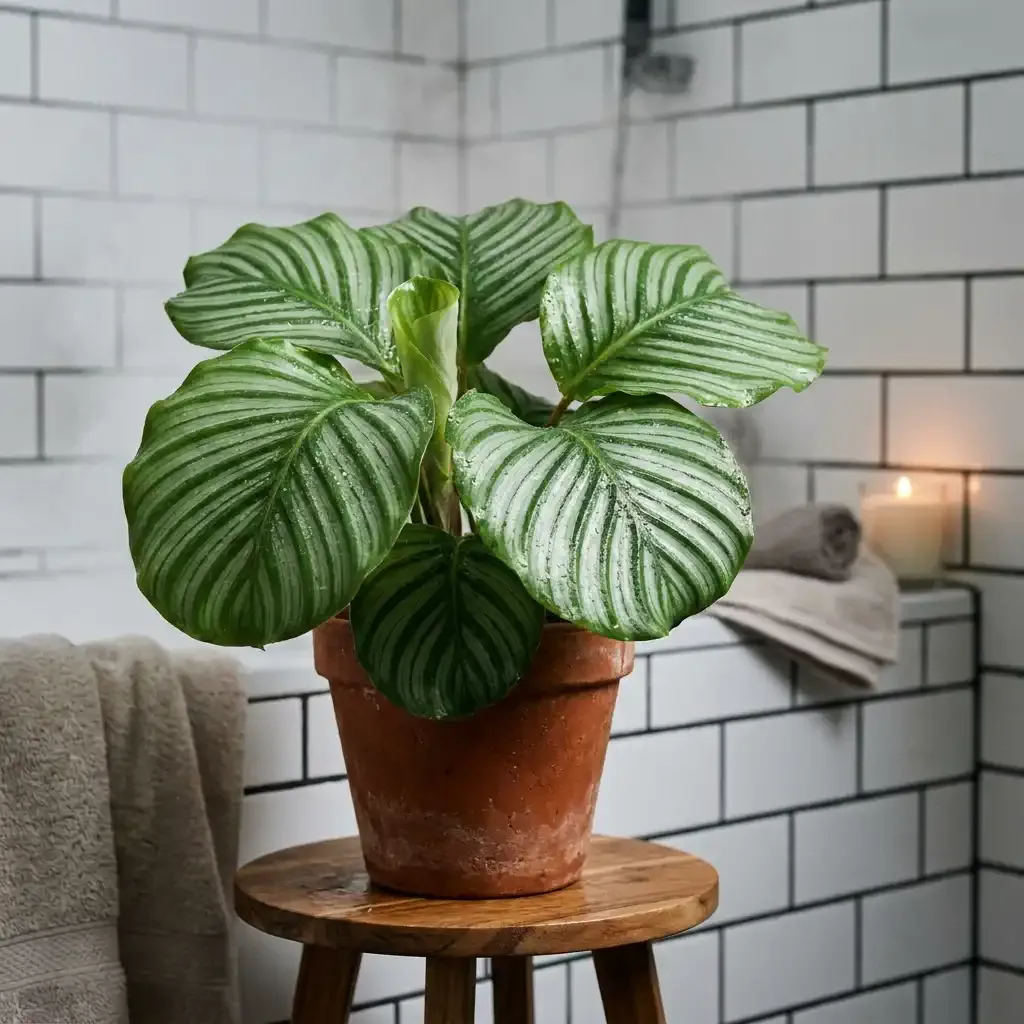
Calathea (Calathea orbifolia)
Features patterned leaves that fold upward at night. Prefers elevated humidity, making it suited for bathrooms with filtered water. Non-toxic to pets.
Common Mistakes in Dim Environments
- Overwatering: In low light, plant transpiration slows significantly. Water according to soil dryness, not a calendar day.
- Containers Without Drainage: Never plant directly into closed cachepots. Water pooling at the base suffocates root tissue.
- Over-Fertilizing: Shade-grown houseplants produce biomass slowly. Dilute balanced liquid fertilizer to half-strength and apply only in spring and summer.
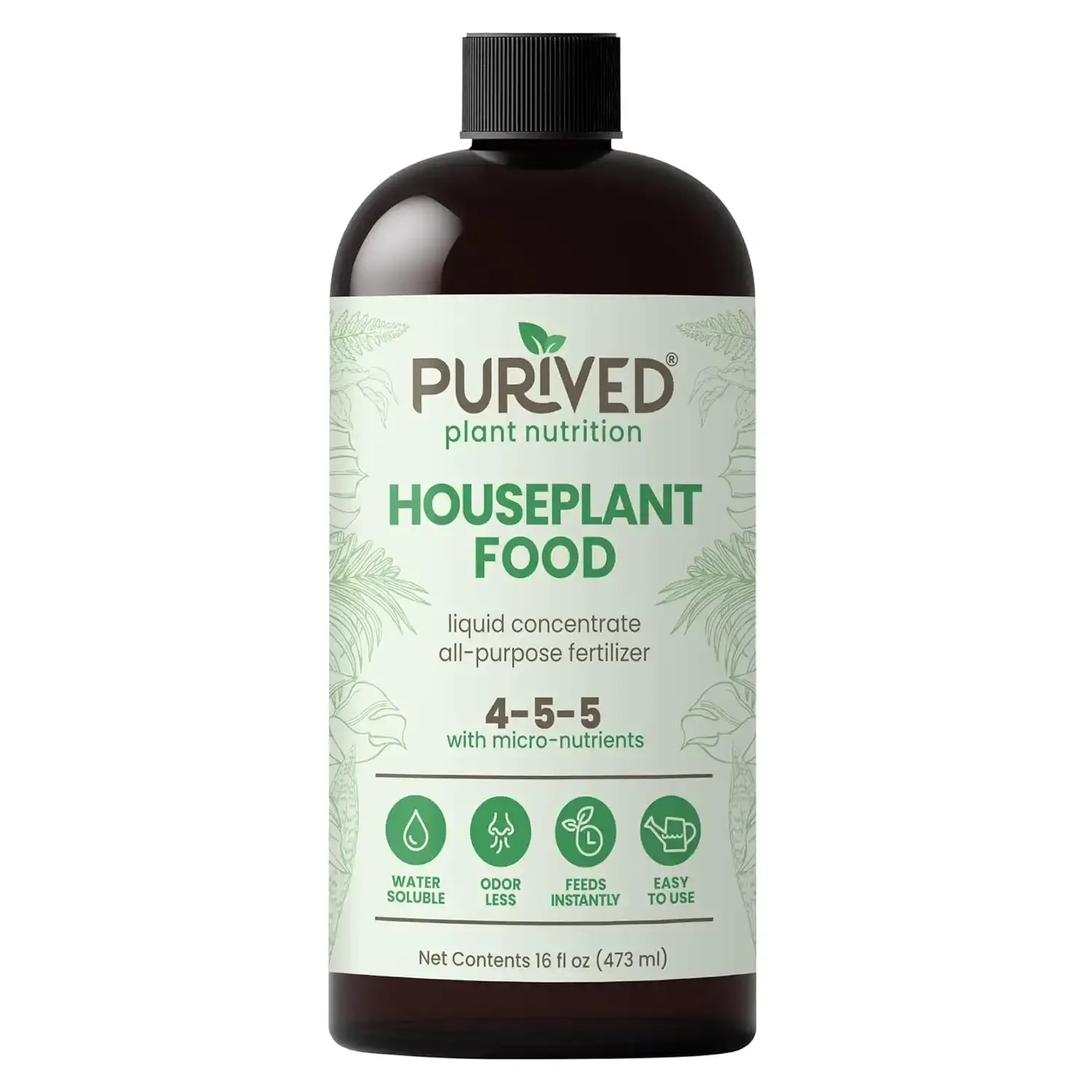
Purived All-Purpose Liquid Plant Fertilizer
Give your low-light beauties a boost! This all-purpose formula provides essential nutrients without the risk of chemical burns. I feed this to my plants at half-strength during the spring and they've shown solid new growth without any leaf-tip burn.
Summary
Low-light houseplants require moderate watering and good drainage. Start with resilient varieties like Snake Plant, ZZ Plant, or Golden Pothos. Allow soil to dry between waterings, clean leaves periodically, and keep plants in stable temperatures.
Editor’s Note: Parts of this guide were structured and optimized with the assistance of AI, then thoroughly reviewed, edited and expanded with first-hand growing experience by our author Raymond to ensure practical, real-world accuracy.
Frequently Asked Questions
How do I know if my apartment has low light?
If you can read print comfortably without lamps during midday, the space provides low to medium indirect light. A windowless room or dark corridor is considered 'zero light' and requires supplemental LED grow bulbs.
How often should you water a ZZ plant in low light?
Water ZZ plants in dim apartments roughly once every three to four weeks. Allow the potting soil to dry out completely before irrigating, as roots rot quickly in saturated media.
When should I repot my Snake Plant?
Snake plants tolerate root-bound conditions well. Repot every two to three years only when dense root masses deform plastic nursery containers or surface through bottom drainage holes.
Are peace lilies toxic to pets?
Yes. Peace lilies contain insoluble calcium oxalate crystals that cause oral irritation and vomiting in cats and dogs. Position them on elevated shelving or select non-toxic species like spider plants or Boston ferns.
Our Amazon Storefront
Browse all our recommended tools & supplies
Everything we personally use and trust, hand-picked for gardeners like you.

I've been running DWC and Kratky systems for several years and write about what actually works, not textbook theory. Follow along for honest product reviews, practical guides and real grow results.