As an Amazon Associate, I earn from qualifying purchases. Some links in this article are affiliate links, if you buy through them I may earn a small commission at no extra cost to you.
Quick Summary
- Chaos Gardening: Understand the popular method of scattering mixed seeds randomly to let nature take over.
- Realistic Limits: Acknowledge that simple broadcasting leads to seed waste, crowding and weed takeover.
- Curated Chaos: Improve results by preparing soil, selecting native seeds and thinning crowded seedlings.
- Native Seeds: Choose regionally appropriate wildflower blends to support local pollinators and resist drought.
- Vegetable Limits: Avoid chaos sowing vegetables like tomatoes and squashes, which require spacing and care.
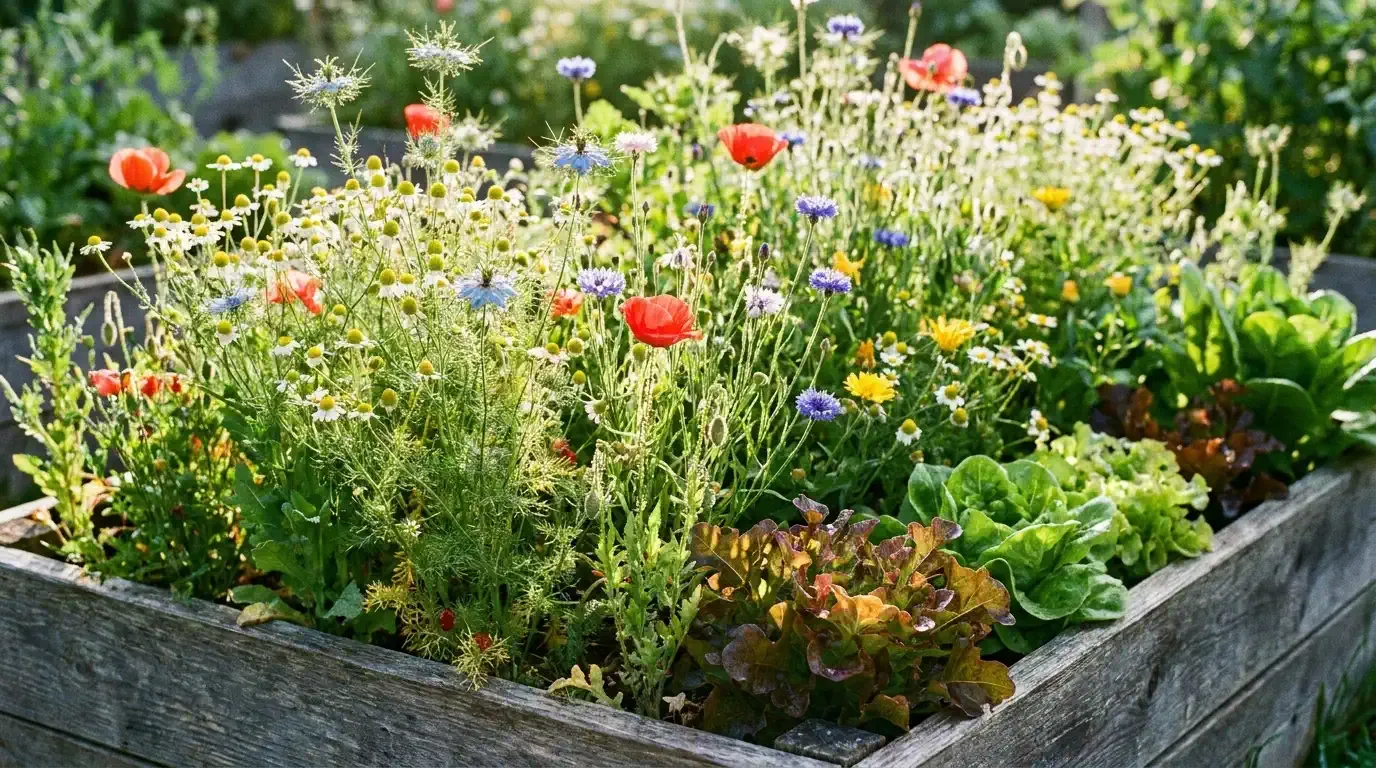
Chaos gardening is a broadcast planting method where gardeners scatter mixed seeds across open soil rather than measuring out rows and rigid spacings.
The appeal is obvious: instead of calculating distances, staking rows, and constant weeding, you scatter seed and let the plants compete naturally. The aesthetic mirrors traditional wildflower meadows and classic cottage gardens. However, broadcasting seeds over unprepared ground rarely produces the lush beds seen on social media. Understanding the biological limits of seed-to-soil contact, stratification, and weed competition makes the difference between a dense flowering patch and a disappointing bed of weeds.
What is Chaos Gardening?
In simple terms, chaos gardening is a broadcast sowing method. Instead of measuring rows, spacing seeds according to packet instructions, or keeping strict track of plant varieties, the gardener broadcasts seeds across an area.
The typical method includes four steps:
- The Seed Collection: Gather leftover seed packets, regional wildflower mixes, or seeds saved from previous seasons (you can learn how to harvest and store them in our guide on mastering the art of heirloom seed saving).
- The Mix: Combine all seeds together in a bowl, bucket, or jar.
- The Broadcast: Scatter the seed mixture evenly across a designated soil bed.
- The Rake and Water: Lightly rake seeds into the top layer of soil, tamp down gently to ensure soil contact, and water thoroughly.
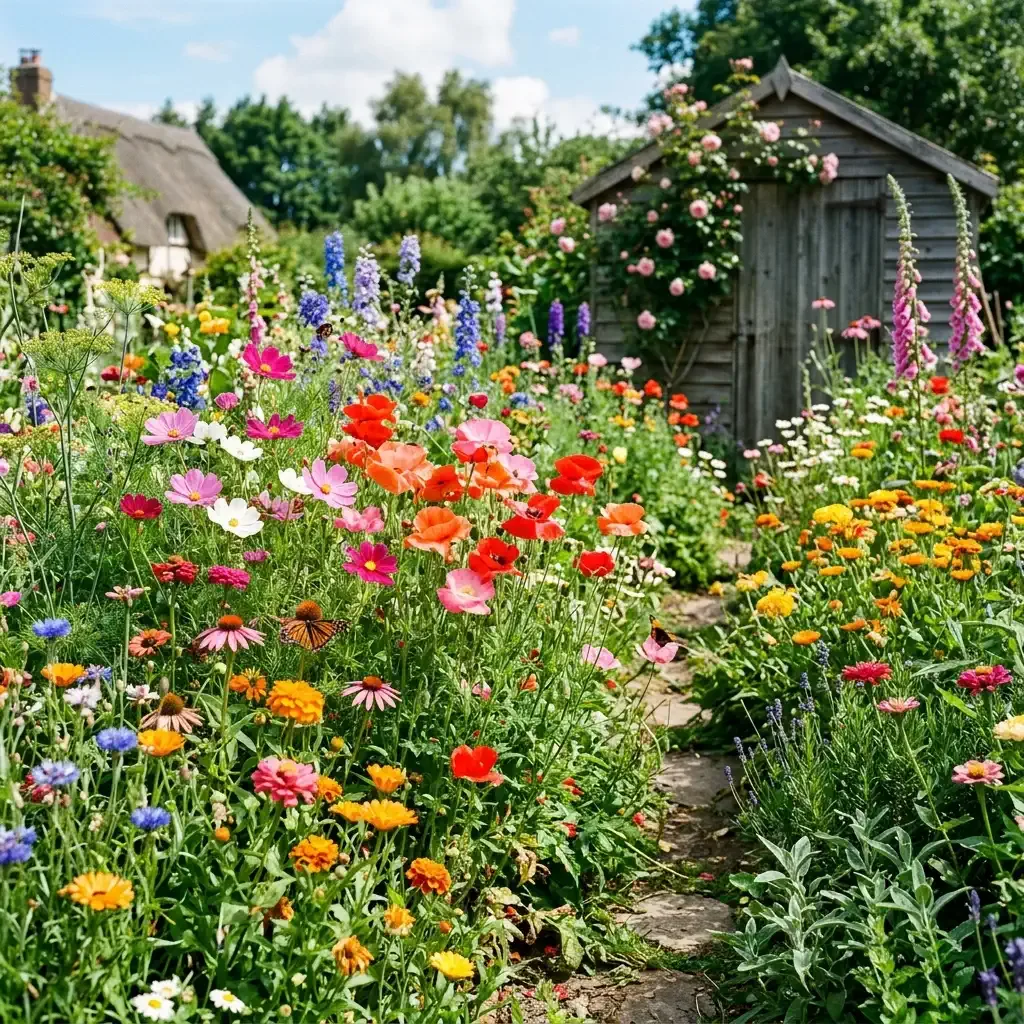
When done with intention, the result is a dense, diverse mix of flowers, herbs, and companion plants growing side by side.
The Pros: Why the Method Has Merit
Discarding strict landscaping rules brings practical advantages to home gardens:
Low stress and high accessibility make planting straightforward. Traditional gardening often involves measuring lines, calculating spacing, and staking boundaries. Chaos gardening removes these requirements, making the initial planting accessible for beginners.
Pollinator diversity develops naturally in mixed beds. Because a mixed bed features multiple flowering species blooming across staggered timelines, it provides continuous nectar and pollen for bees, butterflies, and beneficial insects.
Pest disruption is a valuable byproduct of mixed planting. Monoculture plots allow specialist pests to locate and ravage crops easily. In a diverse bed, contrasting leaf textures and companion scents confuse insects, making it harder for pests to target a single host plant.
Clearing older seed stock reduces garden waste. Scattering older seed packets is a practical way to use up aging inventory before seeds lose viability completely.
The Cons: The Realities of Unchecked Scattering
Unchecked broadcasting introduces biological hurdles that quickly derail a bed:
Poor germination rates occur when seeds sit on hard, unprepared soil. Without direct soil contact and consistent moisture, seeds dry out or get eaten by birds, rodents, and ants before germinating.
Severe resource competition stunts seedling development. When hundreds of seeds sprout within inches of one another, they compete for limited sunlight, water, and soil minerals. This intense competition produces weak, leggy stems that struggle to flower.
Weed identification problems challenge beginners. Without neat rows or plant tags, distinguishing newly sprouted wildflower seedlings from invasive weeds is difficult. Gardeners frequently pull desirable flowers by mistake while allowing aggressive weeds to establish.
Mismatched moisture and light needs cause uneven growth. Mixing drought-tolerant Mediterranean herbs with moisture-loving annuals guarantees that one group will suffer under a single watering schedule.
What Experienced Growers Know About Sowing
Experienced gardeners recognize several biological factors that determine whether a broadcast bed succeeds:
Broadcasting on Hard Ground Causes High Seed Loss
Throwing seeds over unprepared soil or existing turf yields low germination. Hungry birds and compacted soil kill off most seeds, whereas loosening the top inch of soil and tamping seeds in ensures viable root contact.
Generic “Wildflower Mixes” Often Contain Weedy Annuals
Commercial wildflower shakers frequently include aggressive, non-native annuals that can outcompete local flora or struggle in your soil. Selecting regional native seeds protects local ecosystems and guarantees better adaptation to your weather.
Temperature Stratification Requirements
Certain seeds require cold stratification (exposure to moist, chilly conditions) to break dormancy, including milkweed and many poppies. If you mix cold-dependent seeds with frost-tender annuals like zinnias and scatter them in late spring, the poppies will not germinate.
Crowding Stunts Vegetables
While herbs and salad greens tolerate tight spacing, root crops and heavy fruiting vegetables fail in crowded conditions. Carrots, beets, and radishes require root expansion room. Without thinning, crowded root crops produce dense leafy tops over woody, stunted roots (learn more in our guide to planning a small vegetable garden from scratch).
Selecting Compatible Seeds by Region
To succeed with broadcast beds, select plants that share similar moisture and light requirements:
For Arid and Dry Climates (Drought-Tolerant Blend)
- California Poppy (Eschscholzia californica): Thrives in lean, well-draining soil and full sun, self-seeding reliably.
- Globe Gilia (Gilia capitata): Produces pale blue flower clusters that attract native bees while resisting dry spells.
- Black-Eyed Susan (Rudbeckia hirta): Resilient wildflower that tolerates summer heat and blooms through late season.
- Blanket Flower (Gaillardia pulchella): Heat-tolerant perennial producing red and gold daisy-like blooms in sandy or dry soil.
For Temperate and Humid Climates (Cottage Garden Blend)
- Cornflower (Centaurea cyanus): Hardy annual featuring vivid blue blooms; tolerates light frost and average soil.
- Cosmos (Cosmos bipinnatus): Tall annual with feathery foliage and pink, white, or magenta blossoms that bloom until frost.
- Zinnia (Zinnia elegans): Warm-season bloomer that thrives in sun and moist, well-draining garden soil.
- Sweet Alyssum (Lobularia maritima): Low-growing, fragrant ground cover that suppresses weeds and hosts predatory beneficial insects.
Practical Implementation: Curated Chaos
A few simple adjustments preserve the informal, natural aesthetic while ensuring reliable plant survival:
| Method | Unchecked Broadcasting | Curated Chaos |
|---|---|---|
| Soil Preparation | None (scattered on lawn or hard dirt) | Loosen top 1–2 inches, clear weeds |
| Seed Selection | Random unvetted packets | Grouped by light/water needs, regionally adapted |
| Thinning | None | Strategic thinning of dense clusters |
| Success Rate | Low (heavy seed loss, weed dominance) | High (dense, resilient flower bed) |
Prepare the Seedbed
Clear out established weeds and break up compacted soil using a garden rake. Scatter seeds evenly, then lightly press them into the soil using a flat board or the back of a rake. A light dusting of compost protects the seeds from wind and birds while holding surface moisture.
Sort Seeds by Environmental Needs
Group seeds by water tolerance, sunlight preference, and planting season. Sow cool-season annuals in early spring or autumn, saving heat-loving varieties until after the final spring frost.
Prioritize Native Varieties
Select flower species native to your region. Native plants adapt easily to local soil chemistry and seasonal rainfall, requiring less supplemental watering once rooted while supporting native pollinators.
Thin Overcrowded Seedlings
Once seedlings produce their first true leaves, snip out overcrowded sprouts using clean garden shears. Thinning improves air circulation around stems, reducing powdery mildew and letting the strongest plants mature fully.
Start in Containers or Raised Beds
If you want to test the technique without risking weed takeover across a large lawn area, begin in a single raised bed (detailed in our complete guide to raised bed gardening) or large fabric container. Contained beds keep maintenance straightforward and let you evaluate plant combinations easily.
Recommended Tools for Managing Broadcast Gardens
These tools help sort, protect, and contain informal garden plantings:
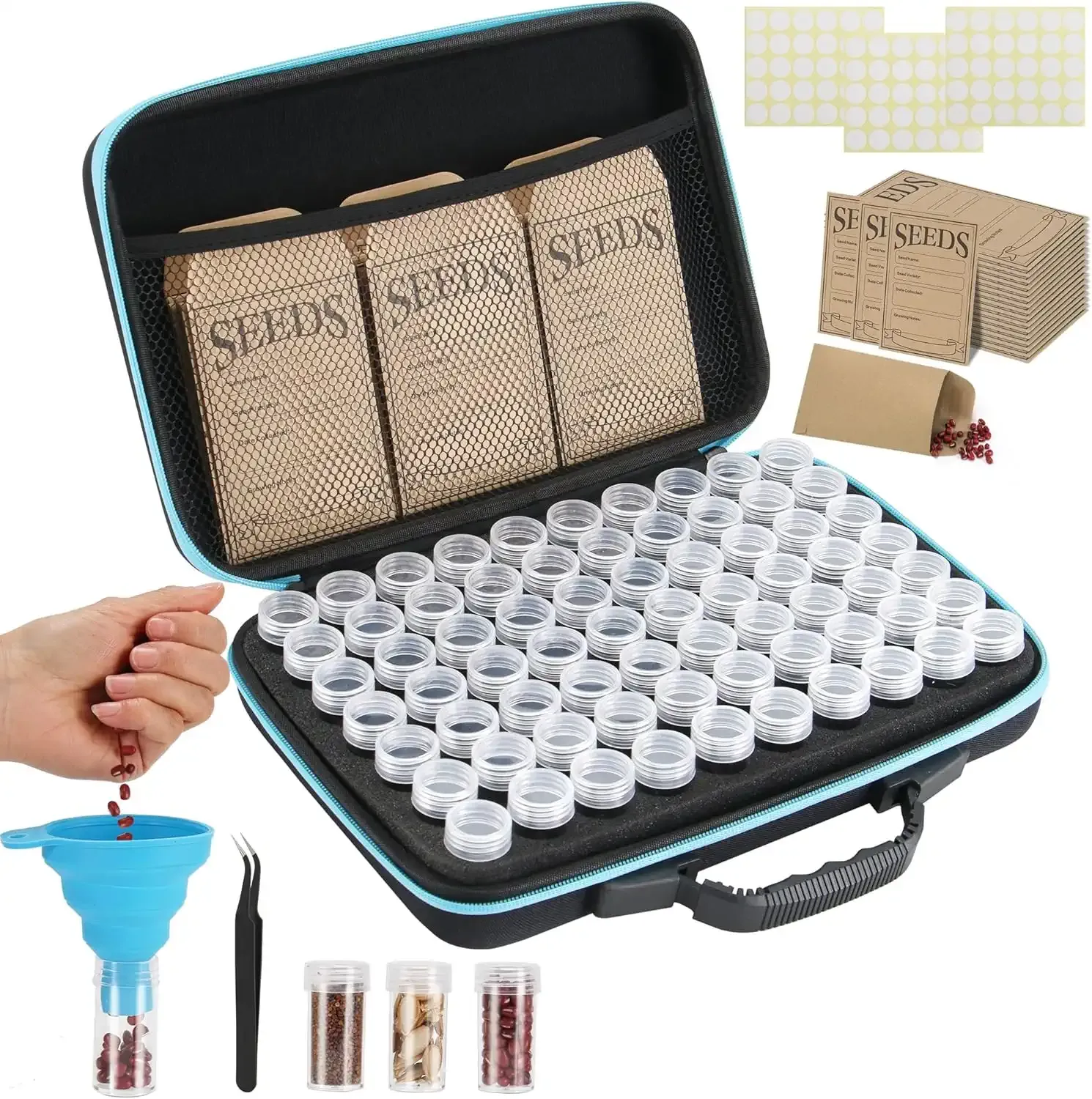
Garden Seeds Saving Kit
This organizer is an absolute lifesaver for sorting leftover seeds by planting month and water requirements. Having 70 individual airtight screw-top plastic containers in a shockproof carrying case ensures your custom chaos mixes stay dry, labeled and viable for years.
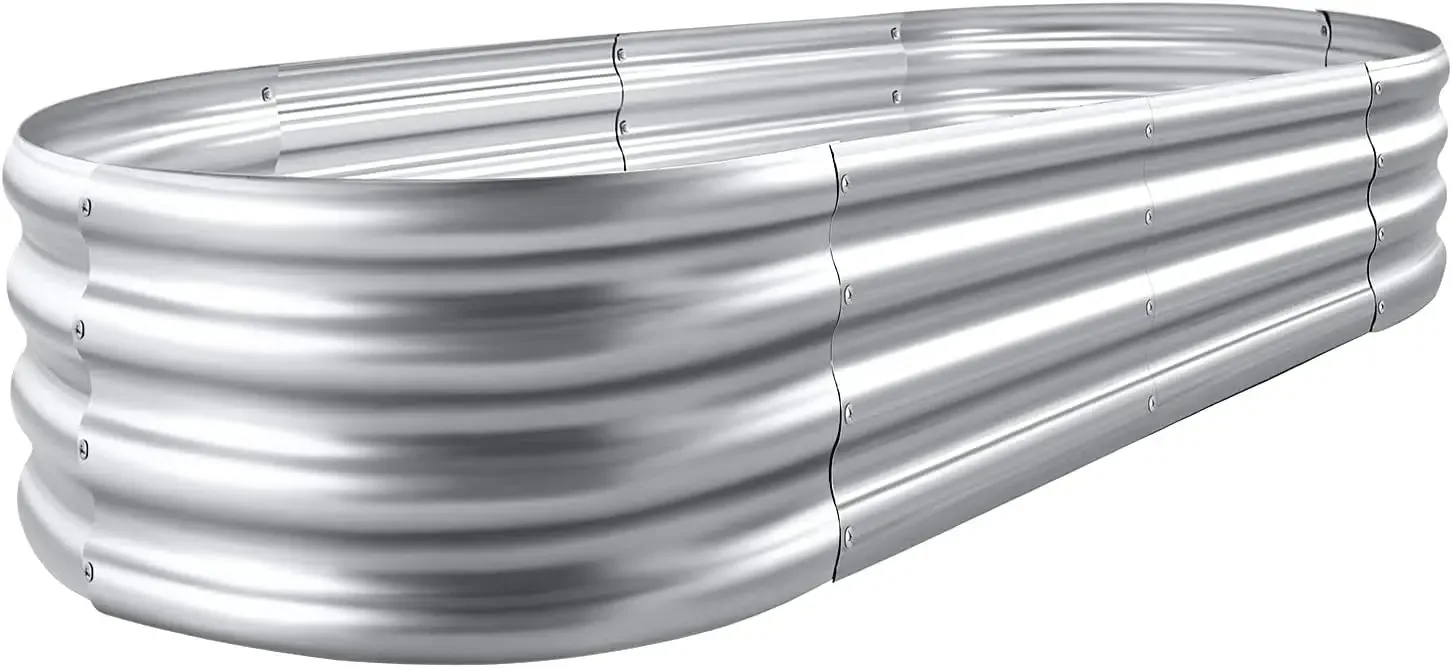
Galvanized Raised Garden Bed Kit and Planter
I highly recommend starting a 'micro-chaos' trial in a dedicated raised bed. The open bottom design of this galvanized metal bed provides direct soil contact for deep wildflower roots while containing the growth. Its double-layer anti-corrosion coating has held up beautifully to constant watering without rusting.
Practical Summary
Broadcast gardening works best when grounded in basic plant biology. Rather than scattering random seeds across hard turf, loosen the topsoil, combine seeds that share similar water requirements, and thin crowded sprouts as they emerge. A small amount of preparation turns an unpredictable seed scatter into a resilient, pollinator-friendly flower bed.
Editor’s Note: Parts of this guide were structured and optimized with the assistance of AI, then thoroughly reviewed, edited and expanded with first-hand growing experience by our author Raymond to ensure practical, real-world accuracy.
Frequently Asked Questions
What is chaos gardening?
Chaos gardening is a hands-off sowing method where a variety of leftover or mixed seeds are randomly scattered (broadcasted) across a patch of soil and left to grow naturally, without rigid rows, spacing or strict labeling.
Does chaos gardening actually work?
Random broadcasting typically yields low germination because birds eat seeds, soil contact is poor, and weeds outcompete seedlings. Preparing the soil, selecting compatible regional seeds, and lightly raking them in significantly increases success.
Which plants are best for chaos gardening?
Robust annual wildflowers and herbs work best. For dry climates, choose drought-tolerant species like California poppies and black-eyed Susans. For temperate climates, use cottage garden classics like cornflowers, cosmos and zinnias.
Is chaos gardening bad for the environment?
It can be if you use store-bought wildflower mixes containing non-native or invasive species that outcompete local plants. To benefit the ecosystem, always research and mix regional native seeds.
Our Amazon Storefront
Browse all our recommended tools & supplies
Everything we personally use and trust, hand-picked for gardeners like you.
I've been running DWC and Kratky systems for several years and write about what actually works, not textbook theory. Follow along for honest product reviews, practical guides and real grow results.