As an Amazon Associate, I earn from qualifying purchases. Some links in this article are affiliate links, if you buy through them I may earn a small commission at no extra cost to you.
Quick Summary
- Strawberry Hydro: Grow high-yield strawberries year-round using NFT channels, drip systems or vertical towers.
- Bare-Root Prep: Rinse all soil off bare-root plants thoroughly, soak to rehydrate and sanitize before transplanting.
- Nutrient Levels: Maintain lower EC (1.2 to 1.8 mS/cm) and pH between 5.5 and 6.2 for optimal plant health and fruit flavor.
- Pollination: Use a small paintbrush or gentle vibration to manually pollinate strawberry blooms indoors.
- Runners Control: Prune runners (vines) as they emerge to force the plant’s energy into root development and fruit production.
Growing strawberries hydroponically gives you complete control over flavor, yield, and timing, allowing you to harvest sweet berries year-round without fighting soil-borne root pathogens or garden pests. While outdoor soil patches yield for only a few weeks in early summer, a calibrated hydroponic system running at an electrical conductivity (EC) of 1.2–1.8 mS/cm and a pH of 5.5–6.2 can produce its first ripe fruit in 45 to 60 days from planting bare-root crowns. Whether you operate a single Nutrient Film Technique (NFT) channel or a vertical tower, maintaining these parameters guarantees continuous fruit set.
1. Choosing the Right Hydroponic System
Because strawberry root systems are relatively shallow and highly susceptible to waterlogging, they require steady moisture paired with abundant oxygenation:
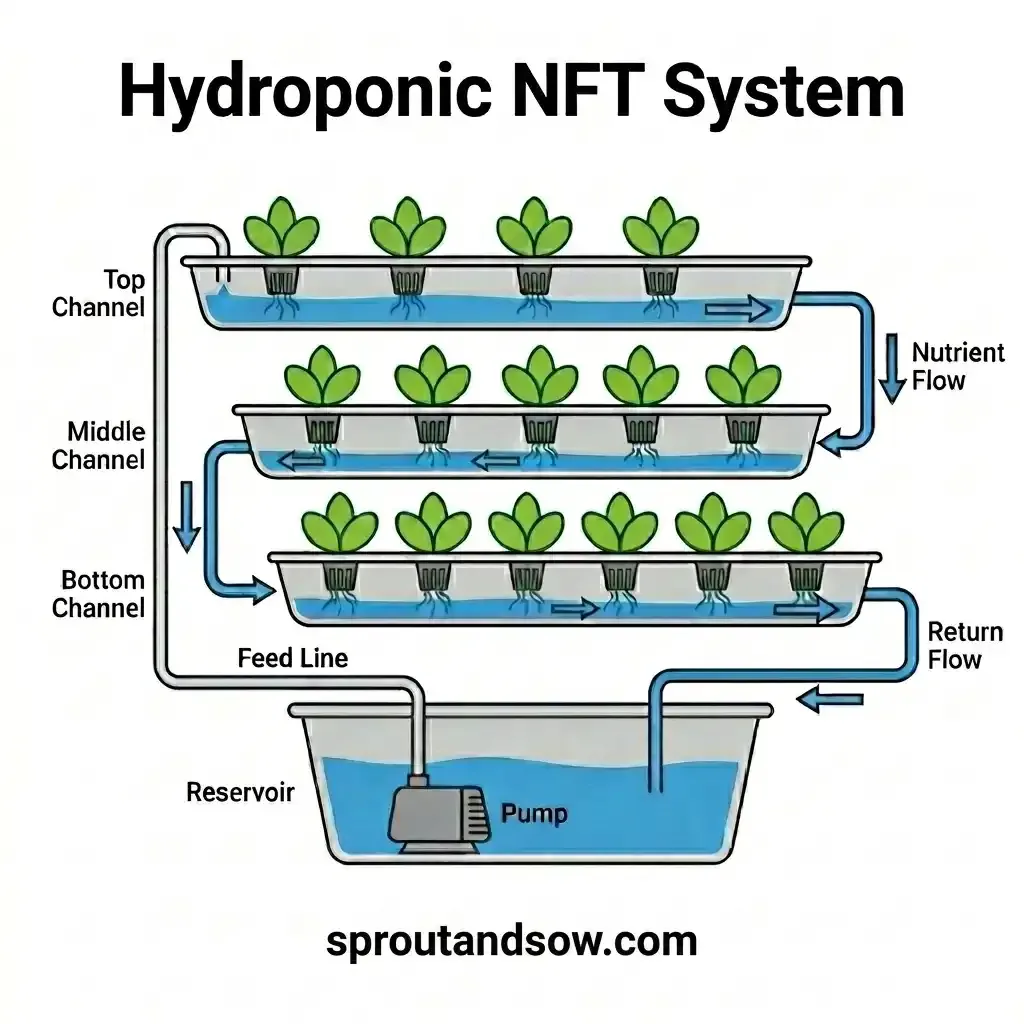
- Nutrient Film Technique (NFT): The commercial standard for strawberries. A shallow, continuously recirculating stream of nutrient solution runs along the floor of sloped gullies. Lower root hairs absorb moisture and minerals while upper roots remain exposed to humid air.
- Drip Systems: Excellent for vertical columns and tiered arrangements. Top drip emitters deliver small, metered pulses of nutrient solution directly to the root collar, maximizing berry count per square foot.
- Ebb and Flow (Flood and Drain): Periodically floods the root chamber before draining completely back into the reservoir. It is dependable and well-suited for home hobbyists utilizing clay pebble containers.
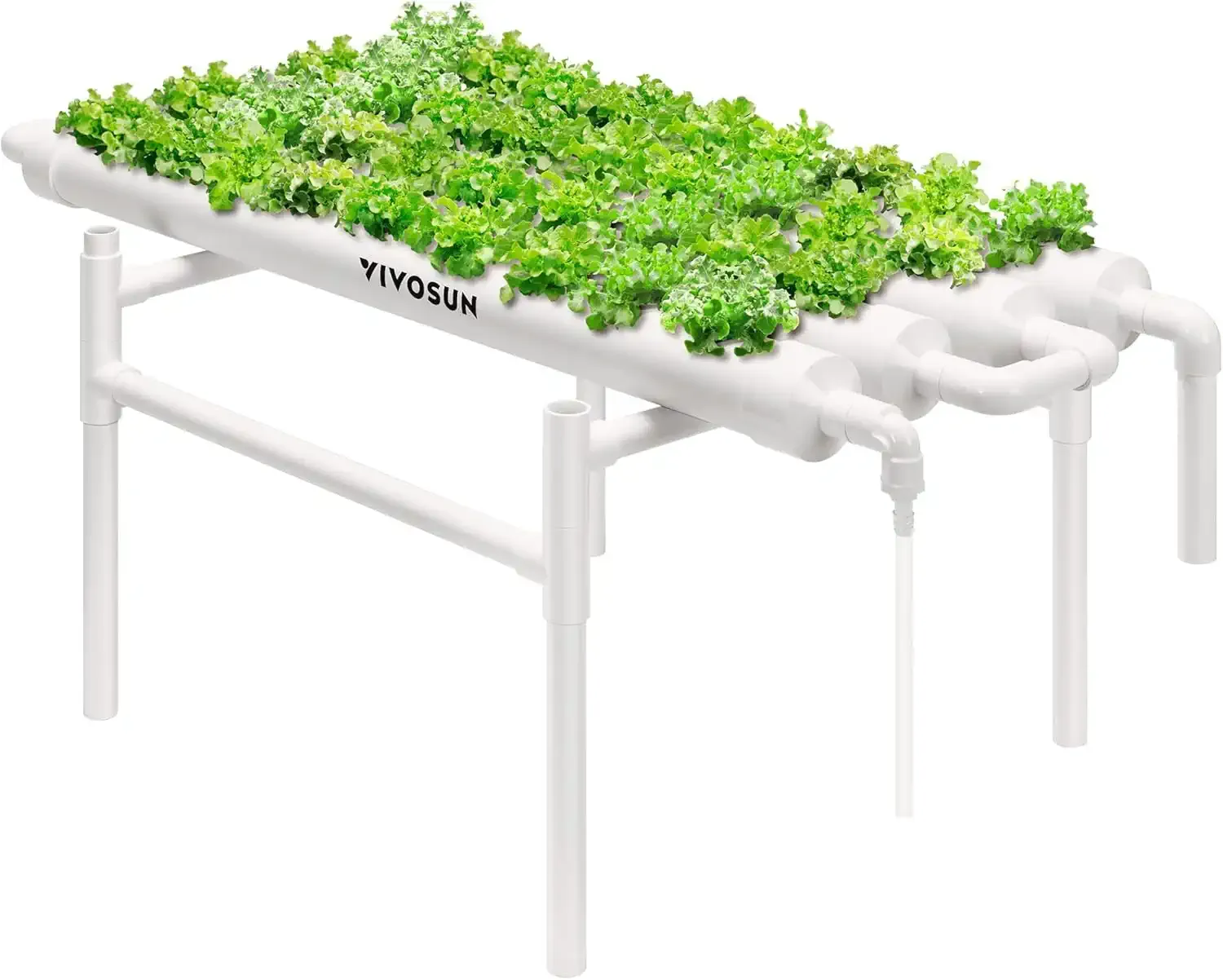
VIVOSUN NFT Hydroponic Grow System
This 36-plant horizontal pipe NFT system is a fantastic entry point for growing strawberries hydroponically. The complete kit includes food-grade PVC-U pipes, a water pump, nest baskets and sponges, making it easy to set up on a balcony or indoors near a window.
If you are evaluating NFT against drip or flood-and-drain designs, our beginner’s guide to hydroponic systems outlines system mechanics and maintenance needs before purchasing equipment.
2. Selecting the Best Strawberry Varieties
Selecting the proper cultivar determines whether you harvest continuously or wait months between flushes:
- Day-Neutral Cultivars: Unlike June-bearing cultivars that initiate flowers strictly in response to short day lengths, day-neutral plants produce blossoms and fruit continuously as long as temperatures remain between 18°C and 24°C (65°F–75°F).
- Seascape: High disease tolerance, firm texture, and large, bright red berries with classic sweet-tart balance.
- Albion: The commercial indoor benchmark, prized for high sugar content (Brix rating) and uniform conical fruit.
- Why Day-Neutral Cultivars Excel Hydroponically: According to University of Illinois Extension research on hydroponic day-neutral strawberries, day-neutral cultivars flower independently of photoperiod, enabling indoor growers to maintain steady harvests through winter and spring.
- Everbearing Cultivars: Produce two to three distinct harvest flushes per season, though day-neutrals remain preferred for uninterrupted weekly yields.
3. Creating Optimal Environmental Conditions
- Temperature: Maintain daytime canopy temperatures between 18°C and 24°C (65°F–75°F) and nighttime temperatures around 13°C–15°C (55°F–60°F). Sustained temperatures above 27°C (80°F) degrade berry flavor and reduce fruit firmness.
- Humidity: Keep relative humidity between 60% and 70%. This promotes steady transpiration and calcium transport to expanding fruit while inhibiting Botrytis (gray mold).
- Lighting: Provide 14–16 hours of daily illumination from full-spectrum LED fixtures delivering a Daily Light Integral (DLI) of 17–25 mol/m²/day. A dedicated fixture like the MARS HYDRO Full Spectrum LED Grow LightView on Amazon delivers uniform PAR without excessive heat.
- pH Range: Strictly maintain solution pH between 5.5 and 6.2 to keep iron, calcium, and phosphorus readily available.
4. Preparing the Nutrient Solution
- Stage-Specific Ratios: Provide balanced nitrogen during early root and crown establishment, then transition to high-potassium, high-calcium formulations once flower trusses emerge to support firm fruit cell walls.
- Electrical Conductivity (EC): Maintain EC strictly between 1.2 and 1.8 mS/cm. Strawberries have low salinity tolerance; pushing EC beyond 2.0 mS/cm restricts water uptake, causing leaf tip burn and smaller fruit.
- Daily Monitoring: Check reservoir parameters daily. A digital tester like the pH and EC Combo Meter PenView on Amazon ensures measurements stay within target limits.
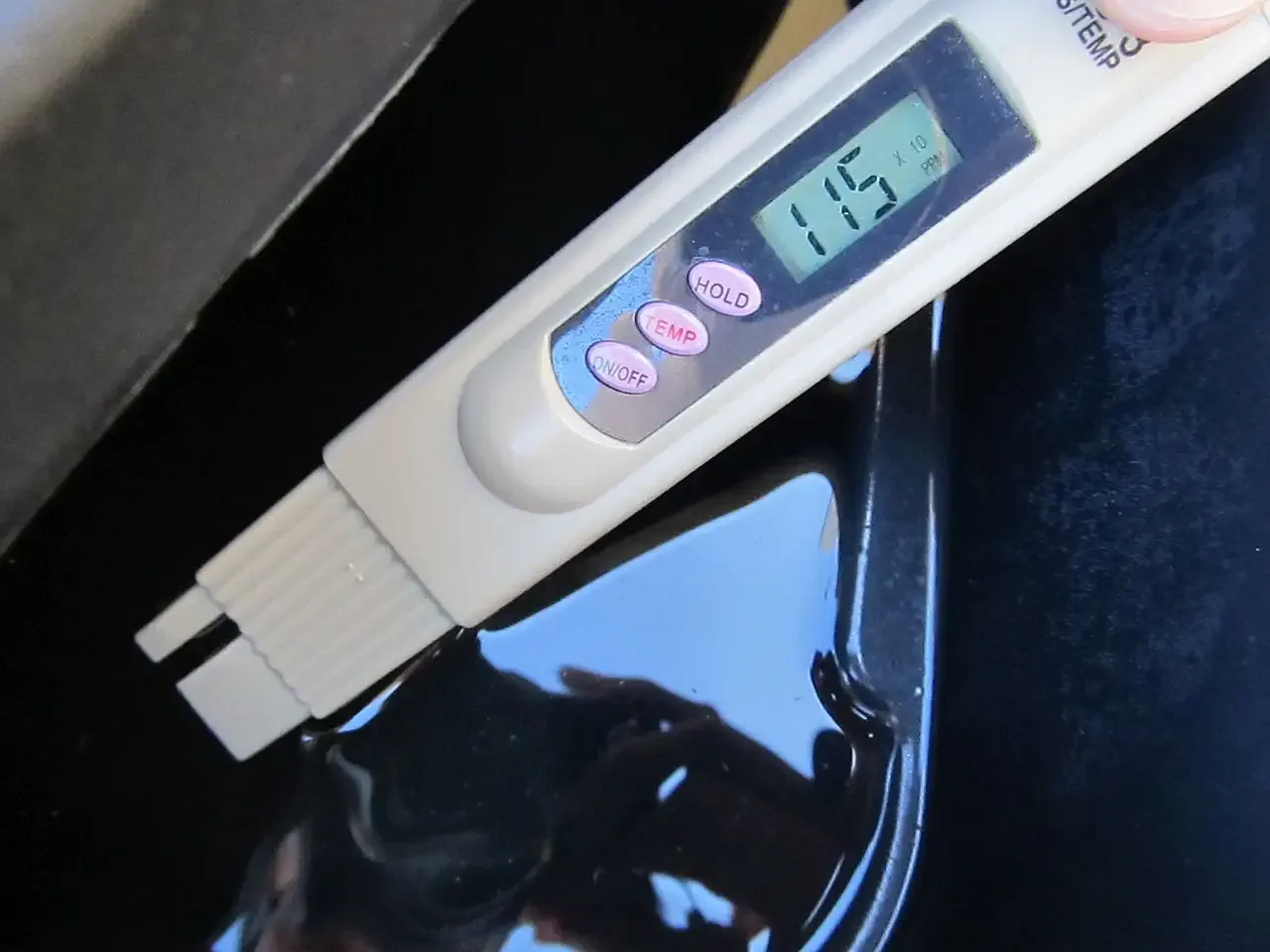
Nutrient lockouts degrade berry sweetness before leaf chlorosis becomes visible. Our guide to managing hydroponic pH details practical pH stabilization methods.
5. Planting and Canopy Management
- Crown Preparation: Most growers begin with dormant bare-root crowns. Soak roots in cool, dechlorinated water for 20–30 minutes to rehydrate. Rinse away all residual field soil under lukewarm water. A brief 30-second dip in 1% hydrogen peroxide sanitizes root tissue before transplanting into net cups.
- Crown Placement (Critical): When setting crowns into expanded clay pebbles or net cups, keep the central crown—the thickened junction where roots meet leaf stems—resting strictly at the surface of the medium. Submerging the crown leads to crown rot and plant death; setting it too high desiccates root initials.
- Plant Spacing: Allow 8–12 inches between plants along channels or tower ports to ensure light penetration and ventilation.
- Manual Pollination: Indoors without wind or pollinating insects, hand-pollinate open blooms every 1–2 days. Swirl a soft artist’s paintbrush gently across the center of each open flower to distribute pollen evenly across all pistils. Incomplete pollination produces deformed, misshapen berries.
- Pruning Vegetative Runners: Clip off stolons (runners) at the base as soon as they appear. Eliminating vegetative runners redirects photosynthetic energy into flower clusters and fruit swelling.
6. Pest and Disease Management
- Pest Monitoring: Inspect leaf undersides regularly for two-spotted spider mites and aphids. Introducing beneficial predatory mites (Phytoseiulus persimilis) provides clean biological control without synthetic sprays.
- Air Movement: Keep small oscillating fans running continuously. Gentle air movement eliminates stagnant, humid microclimates within dense foliage, preventing powdery mildew and fruit rot.
7. Harvesting Best Practices
- Visual Ripeness: Harvest berries when they turn uniform deep red up to the green sepals. Strawberries do not ripen or develop sugars after detachment.
- Harvesting Technique: Use clean snips to cut the fruit stem a quarter-inch above the calyx. Avoid pulling or twisting fruit, which tears tender crown tissue.
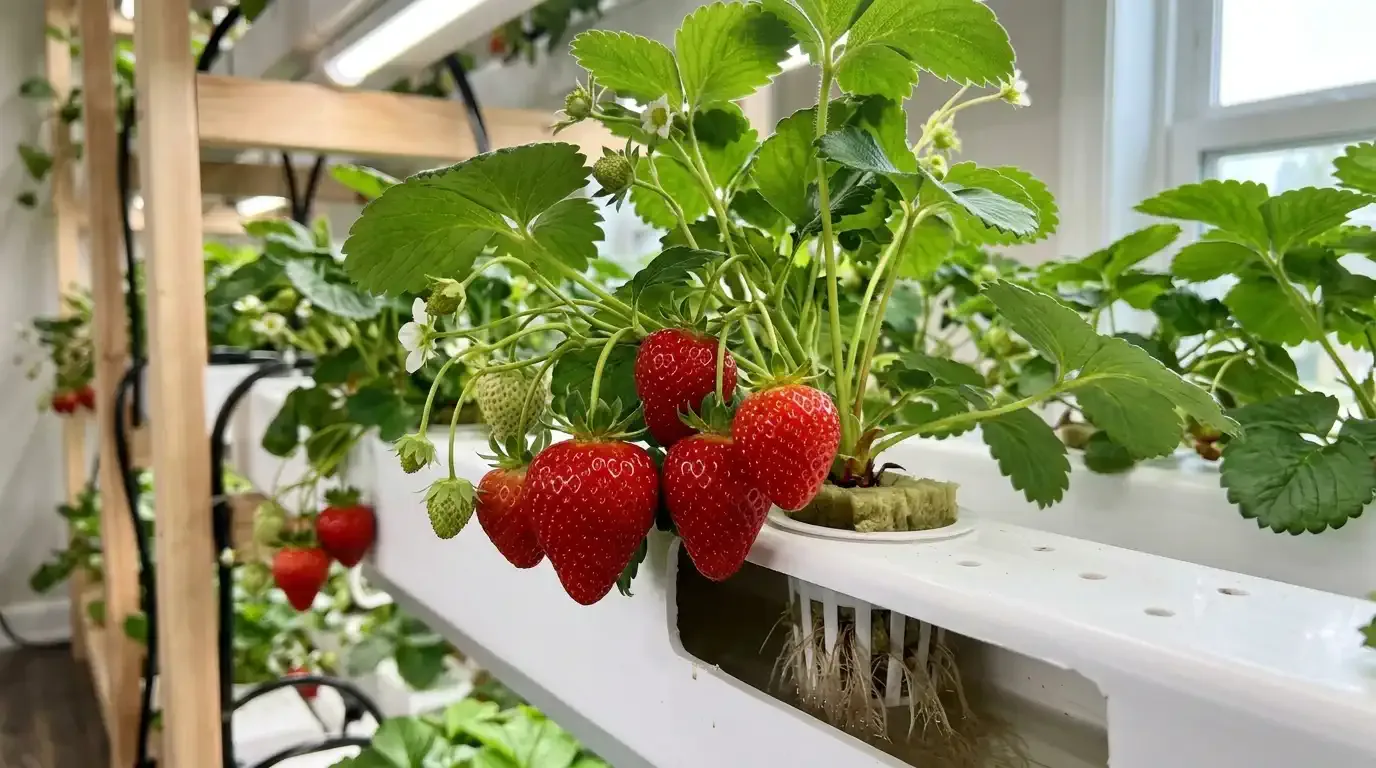
To scale up in compact footprints, examine how aeroponic towers handle strawberries at high planting densities.
8. Advantages of Hydroponic Strawberry Production
- Continuous Production: Day-neutral cultivars under controlled indoor lighting yield fresh fruit through winter and spring.
- Clean Fruit: Elevated channels keep berries off damp soil, eliminating grit, slugs, and fruit rot.
- High Spatial Efficiency: Vertical towers and tiered channels support 3 to 4 times the plant count of equal-area ground beds.
- Water Conservation: Closed recirculating reservoirs consume up to 85% less water than open field furrow irrigation.
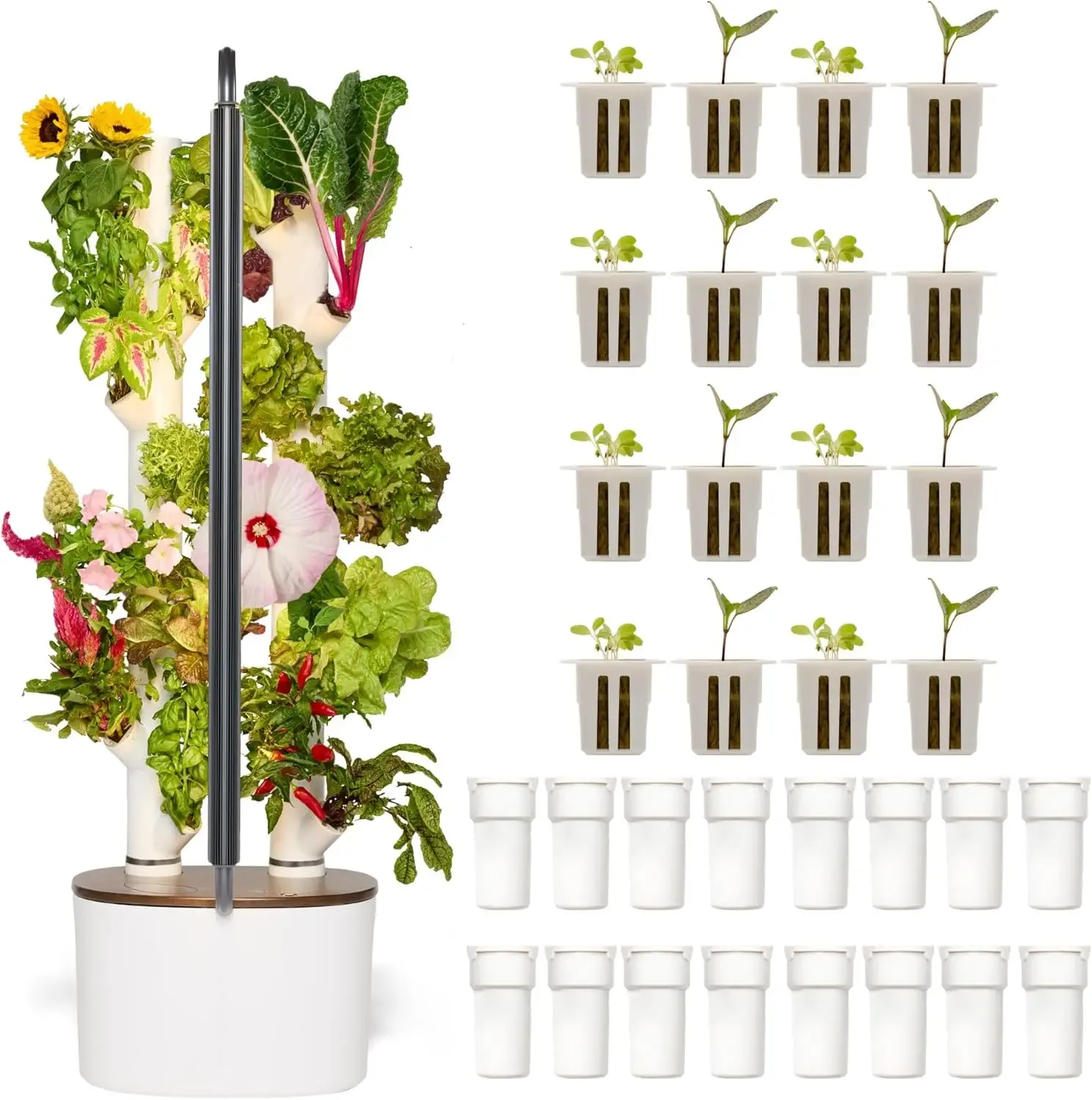
Gardyn Studio 2 Hydroponic Vertical Tower System
A premium vertical growing tower ideal for strawberries. Holds 16 plants in compact, watertight columns with full-spectrum sunrise/sunset LED grow lights and app-guided care.
Summary for High-Yield Berry Production
Growing strawberries hydroponically requires matching root aeration with consistent, moderate feeding. Beginning with day-neutral bare-root crowns (such as Albion or Seascape), holding EC between 1.2 and 1.8 mS/cm, and hand-pollinating open blossoms yields steady, sweet fruit year-round. For hardware recommendations, review our guide on the easiest and cheapest hydroponic systems you can start today.
Editor’s Note: Parts of this guide were structured and optimized with the assistance of AI, then thoroughly reviewed, edited and expanded with first-hand growing experience by our author Raymond to ensure practical, real-world accuracy.
Frequently Asked Questions
How do you pollinate hydroponic strawberries indoors?
Since there are no wind or bees indoors, you must gently swipe the center of each open flower with a soft paintbrush or cotton swab to distribute pollen.
Why should I prune strawberry runners?
Runners are clonal shoots the plant uses to replicate. Pruning them forces the strawberry plant to focus its energy on producing flowers and sweet fruit.
Our Amazon Storefront
Browse all our recommended tools & supplies
Everything we personally use and trust, hand-picked for gardeners like you.

I've been running DWC and Kratky systems for several years and write about what actually works, not textbook theory. Follow along for honest product reviews, practical guides and real grow results.