As an Amazon Associate, I earn from qualifying purchases. Some links in this article are affiliate links, if you buy through them I may earn a small commission at no extra cost to you.
Quick Summary
- Zero Mess: Hydroponics removes soil from the equation, eliminating dirt spills, heavy pots and common apartment pests like fungus gnats.
- Space Efficiency: You can grow more food per square foot hydroponically because plant roots don’t need to spread out to search for nutrients.
- System Choice Matters: Countertop all-in-one systems are perfect for kitchens, while vertical setups and DWC buckets maximize empty floor corners.
- Controlling the Environment: You can successfully mitigate apartment-specific hurdles like pump vibration noise, bright grow lights and humidity with basic, inexpensive gear.
- Pick the Right Plants: Focus on dwarf genetics, compact herbs and fast-growing leafy greens to get the highest return on your limited footprint.
Living in a 500-square-foot apartment usually means compromising on space, but it doesn’t mean giving up on fresh, homegrown food.
If you’ve ever tried keeping a potted tomato alive on a shady apartment balcony, you know the struggle: heavy bags of potting mix dragged up three flights of stairs, dirty water leaking onto the floor and an inevitable infestation of fungus gnats taking over your kitchen.
Hydroponics changes the equation entirely. It is cleaner, significantly lighter and drastically more productive per square foot. By replacing soil with water and precision nutrients, you can turn a kitchen countertop, an empty bookshelf or a spare corner into a high-yield garden.
By the end of this guide, you will know exactly how to evaluate your apartment space, which hydroponic system fits your lifestyle, how to deal with the realities of noise and light and what you should plant first.
Why Hydroponics is the Perfect Apartment Solution
Traditional gardening was designed for the outdoors. When you bring it inside, you bring the outdoors with it. Hydroponics, however, is a sterile, controlled environment that solves the biggest headaches of renting:
- Zero Soil = Zero Mess: There is no dirt to spill on your carpets and without soil, you eliminate 90% of common indoor pests.
- Higher Yields in Less Space: Because nutrients are delivered directly to the roots in highly bioavailable forms, plants don’t need massive root networks. You can grow heads of lettuce side-by-side in inches of space, harvesting more from a single countertop than a large outdoor planter.
- No Heavy Lifting: A 5-gallon bucket of water is heavy, but it can be emptied into the sink. Dragging 50 lbs of wet potting soil down an elevator on moving day is a nightmare you get to skip.
Evaluating Your Apartment Space: Where Can You Grow?
Before you buy a system or order seeds, you need to assess your footprint. Every apartment has a micro-environment waiting to be optimized.
The Kitchen Countertop
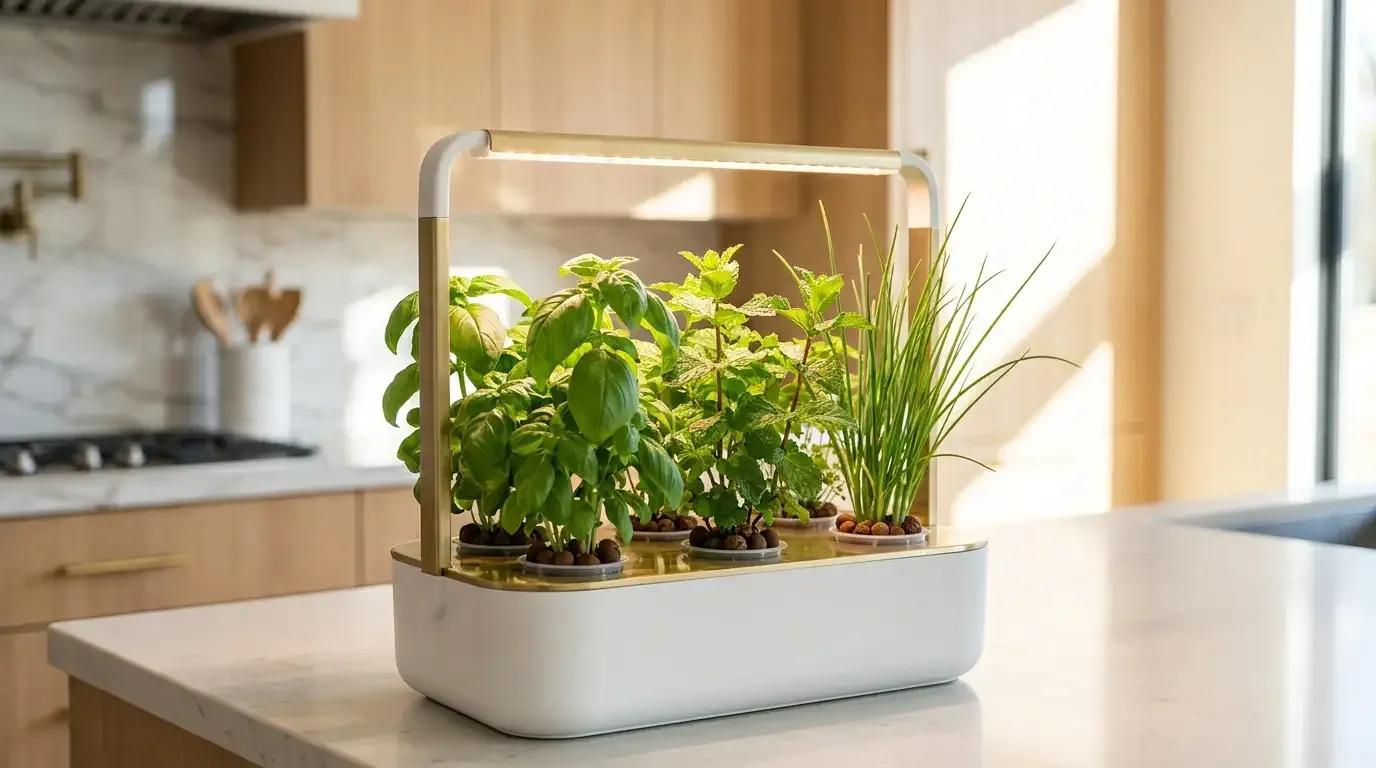
- Pros: Close to a water source and sink for easy reservoir changes. Perfect for herbs you cook with daily.
- Best For: Compact, all-in-one smart systems and small Kratky mason jars.
The Empty Corner / Floor Setup
- Pros: Great for larger, heavier plants like tomatoes and peppers that need vertical clearance.
- Best For: Deep Water Culture (DWC) buckets or enclosed grow tents. If this is the route you want to take, read our breakdown of The Best Grow Tent Kits for Indoor Gardening.
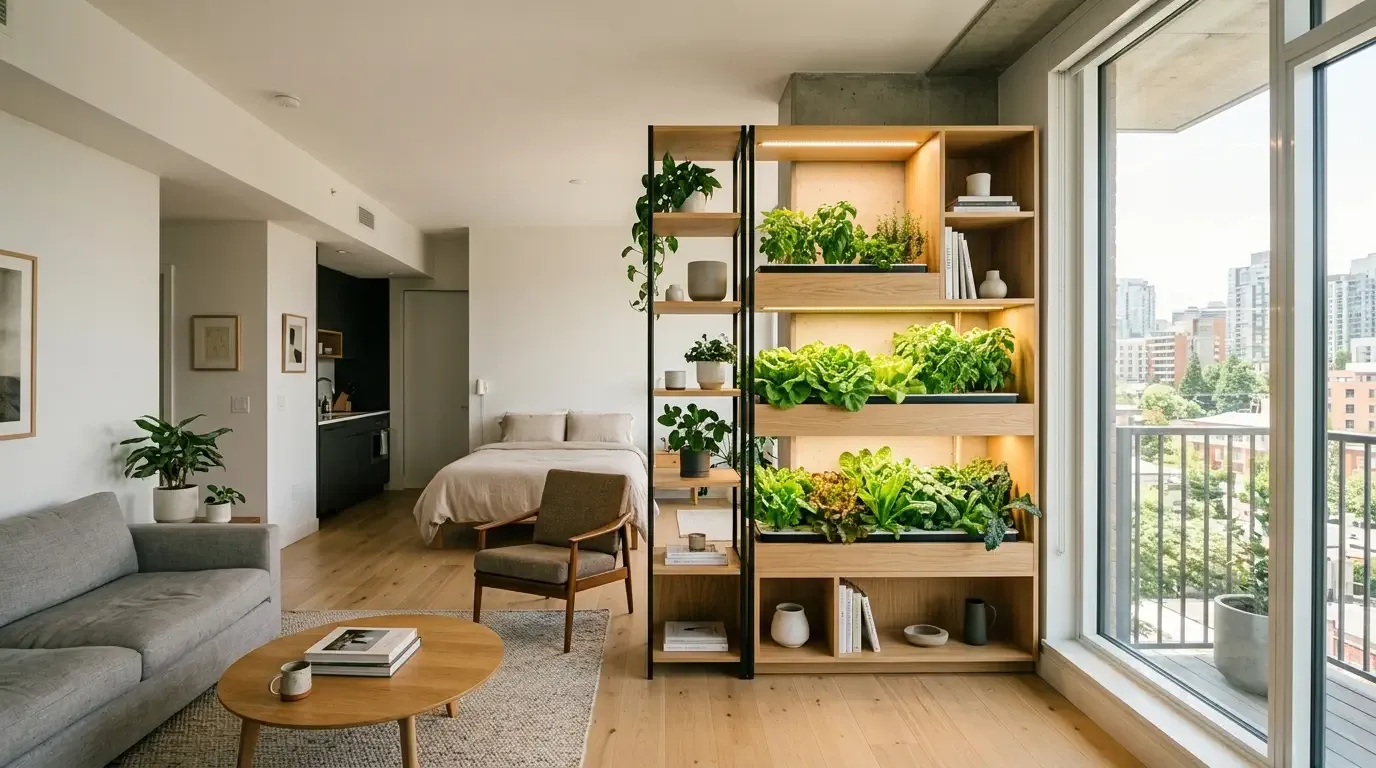
Wall Space & Bookshelves
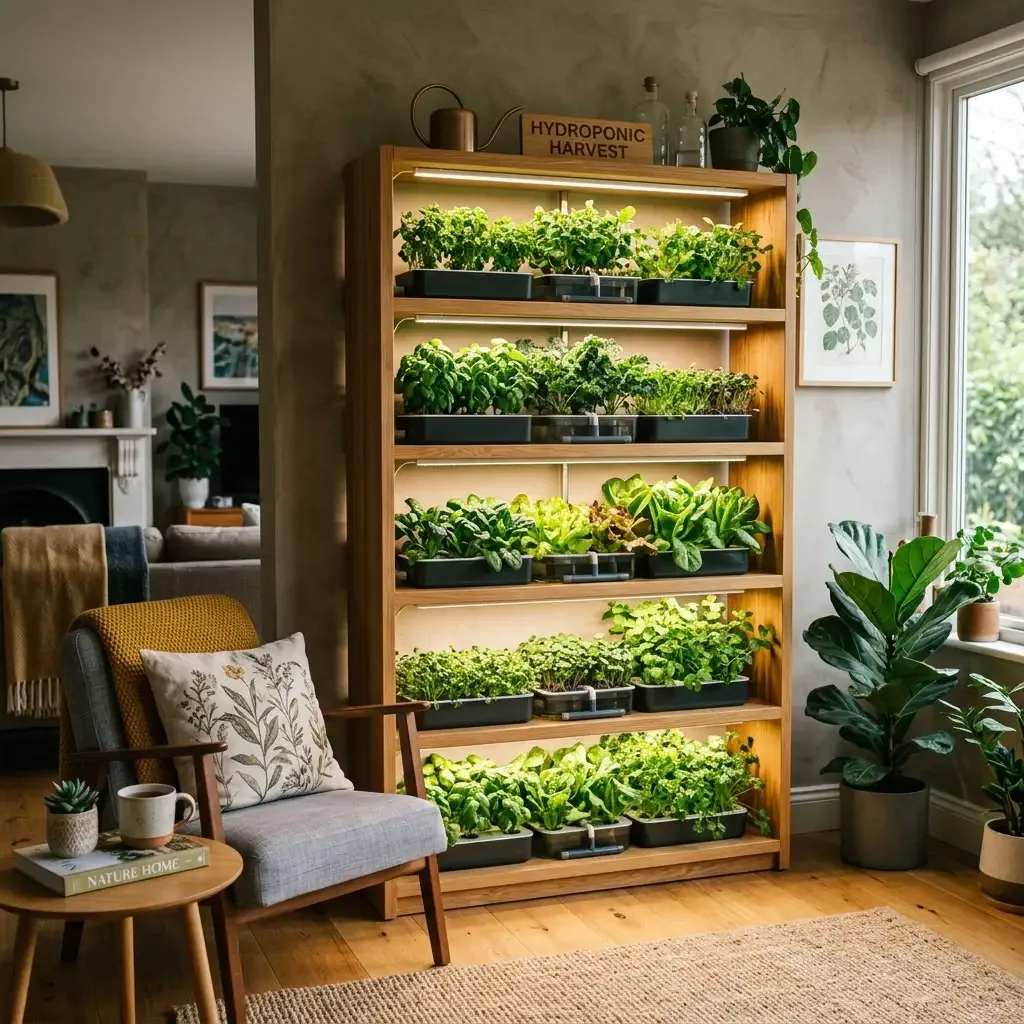
- Pros: Highly aesthetic, maximizes vertical real estate that normally goes unused.
- Best For: Microgreens, shallow leafy greens and custom drip systems.
Choosing the Best Hydroponic System for Small Spaces
You don’t need a massive commercial greenhouse to get started. Small-scale hydroponics comes down to three main approaches, each with a different footprint and budget.
| System Type | Best For | Footprint | Cost | Maintenance Level |
|---|---|---|---|---|
| Countertop All-in-One | Kitchen counters | Very Small | High | Very Low |
| Kratky Method | Windowsills, shelves | Micro | Very Low | Low |
| Deep Water Culture (DWC) | Floor corners, closets | Medium | Low to Medium | Medium |
1. Countertop All-in-One Systems (AeroGarden, Click & Grow)
These are the espresso machines of the hydroponic world. They look great in a modern kitchen, have built-in timed lights and tell you exactly when to add water and nutrients.
- Next Step: If you want a plug-and-play setup, check out our roundup of the Best Hydroponic Systems for Apartments (2026).
- Deep Dive: Can’t decide between the two biggest brands? Read our direct comparison: AeroGarden vs. Click & Grow: Which is Best for Tiny Kitchens?
2. The Kratky Method (Mason Jars and Totes)
The absolute smallest, cheapest way to start. The Kratky method uses no electricity, no pumps and no moving parts. You suspend a plant in a net cup over a jar of nutrient water and as the plant drinks, an air gap forms for oxygen. It is completely silent and can be tucked into any sunny window.
3. Deep Water Culture (DWC)
If you want to grow a massive tomato plant in your living room, DWC is the way to go. It requires a 5-gallon bucket and an air pump to oxygenate the water. It takes up floor space but provides explosive, fast growth.
Overcoming the Three Big Apartment Hurdles
Living in close proximity to your hydroponic system introduces a few unique lifestyle challenges. Here is how you solve the unspoken realities of indoor growing.
Hurdle 1: The Noise (Pumps and Vibrations)
If you run an active system like DWC or a drip tower, you will need an air or water pump. In a studio apartment, a cheap air pump vibrating against a hardwood floor sounds like a small jackhammer when you are trying to sleep.
- The Fix: Never place a pump directly on a hard surface. Hang it from a hook or place it on a thick silicone vibration mat or acoustic foam.
- Deep Dive: Read our full guide on How to Silence a Noisy Hydroponic Setup.
Hurdle 2: The Bright Lights (The “Purple Alien Glow”)
Plants need 12 to 16 hours of intense light per day. If your grow light is in your living room, it can feel like you live inside a tanning bed, especially if you buy cheap “blurple” (blue/purple) LEDs.
- The Fix: Always buy full-spectrum white LEDs for living spaces, they look like bright, natural sunlight. Put your lights on an automated smart plug timer so they shut off an hour before you usually go to bed.
- Deep Dive: Read our guide on Taming the Purple Alien Glow: Managing Grow Lights in a Living Space.
Hurdle 3: Humidity and Mold
Water evaporating from reservoirs and transpiring from plant leaves adds moisture to the air.
- The Fix: A single countertop system won’t change your apartment’s humidity. But if you have a 4x4 grow tent in a carpeted bedroom, you need a small dehumidifier and an oscillating fan to keep the air moving and prevent mold from settling on the walls.
- Deep Dive: Learn how to monitor and control moisture in our guide to Preventing Mold & Managing Humidity in Small Indoor Gardens.
What Should You Actually Grow? (Compact Genetics)
You can theoretically grow a giant pumpkin hydroponically, but in an apartment, you need to focus on ROI (Return on Investment) per square foot.
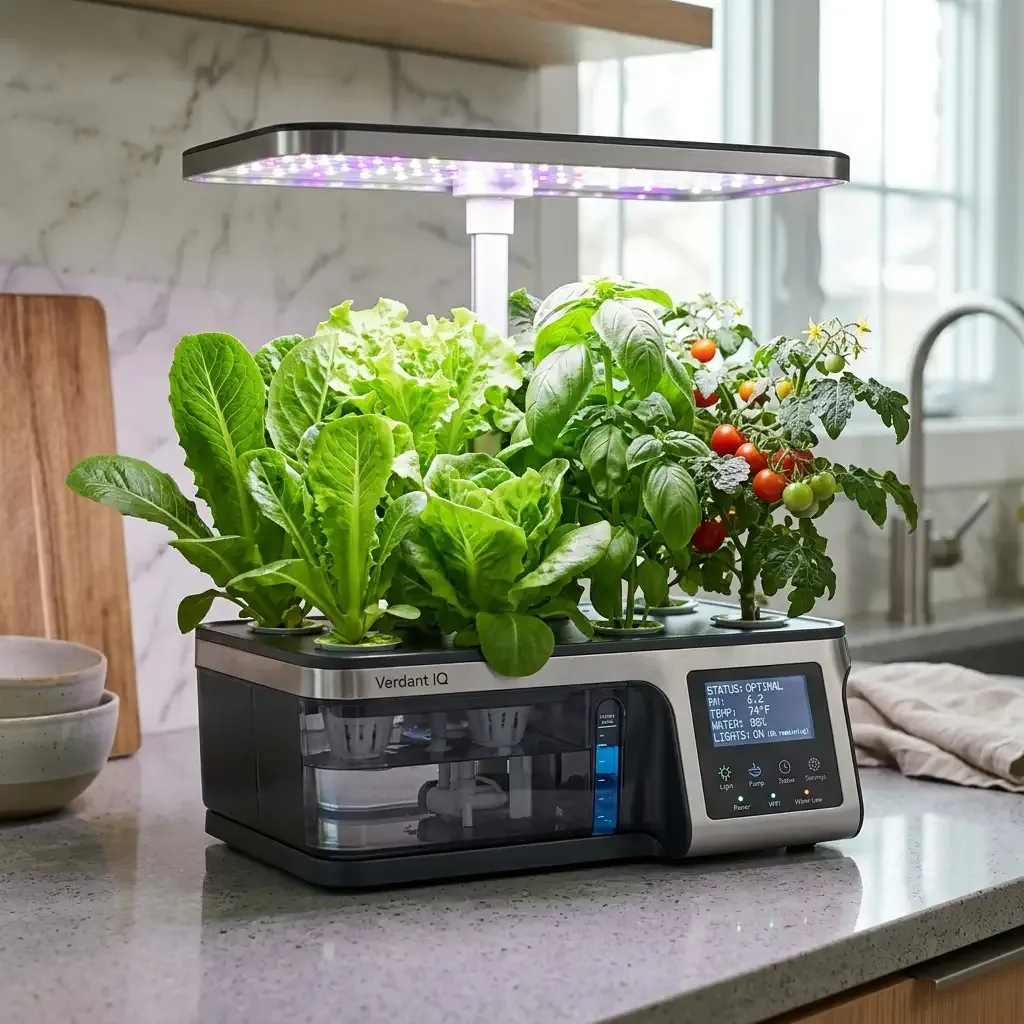
Leafy Greens & Herbs
These are the easiest and highest ROI crops for countertops. You can harvest loose-leaf lettuce and basil continuously for months.
- Next Step: Discover our top picks in 10 Easy Herbs to Grow Hydroponically Indoors.
Dwarf & Patio Vegetables
Standard tomato varieties (indeterminate) will easily hit 8 feet tall and take over your entire apartment. You must seek out specific “micro” or dwarf genetics (like Micro Tom tomatoes or patio peppers) bred specifically to fruit on 12-inch tall plants.
- Next Step: Read our guide to Countertop Foodscaping: 7 Dwarf Vegetables & Compact Herbs to pick the right seeds.
Low-Light Houseplants
If you just want aesthetic greenery to improve your air quality without the hassle of massive grow lights, you can grow decorative plants hydroponically using only the ambient light from your apartment windows.
- Next Step: Explore the Best Low-Light Indoor Plants for Apartments.
Next Steps: Getting Started This Weekend
Starting an apartment hydroponic garden doesn’t require a massive budget or a weekend of construction. Here are your three steps to start today:
- Measure Your Space: Find a 2x2 foot area on your counter or floor and identify your nearest electrical outlet.
- Pick Your Crop: Decide if you want herbs for cooking or a small dwarf tomato plant.
- Choose Your System: Start small. Grab an all-in-one countertop unit or build a simple Kratky mason jar setup to test the waters.
Hydroponics was practically made for apartment living. Once you dial in the lighting and keep the noise down, you’ll wonder why you ever bothered with bags of messy potting soil in the first place.
Frequently Asked Questions
Is hydroponics safe to do in a rented apartment?
Yes, hydroponics is incredibly safe for apartments. Unlike soil gardening, there is no loose dirt to stain carpets, no soil-borne pests like fungus gnats and closed systems prevent water damage.
Will a hydroponic system make my apartment humid or moldy?
Small to medium systems (under 10 gallons) will not significantly impact the humidity of a standard apartment. If you run multiple large systems, a small room dehumidifier will prevent any mold issues.
Are hydroponic air pumps too loud for a studio apartment?
Standard air pumps vibrate and hum, which can be annoying in a studio. However, using silicone vibration mats and upgrading to an ultra-quiet piezoelectric air pump makes the system virtually silent.
Can I do hydroponics if my apartment gets zero direct sunlight?
Absolutely. Most apartment hydroponics rely 100% on LED grow lights rather than sunlight, meaning you can grow food in a windowless basement just as easily as a sunroom.
Our Amazon Storefront
Browse all our recommended tools & supplies
Everything we personally use and trust, hand-picked for gardeners like you.

I've been running DWC and Kratky systems for several years and write about what actually works, not textbook theory. Follow along for honest product reviews, practical guides and real grow results.