As an Amazon Associate, I earn from qualifying purchases. Some links in this article are affiliate links, if you buy through them I may earn a small commission at no extra cost to you.
Quick Summary
- Hydroponic Herbs: Grow basil, mint, parsley, and rosemary indoors using water-based mineral solutions.
- Fast Harvest: Fast-growing culinary herbs like basil reach harvest readiness in 21 to 28 days.
- Optimal Conditions: Maintain pH between 5.5 and 6.5 and EC between 1.0 and 1.6 mS/cm for indoor varieties.
- Lighting Requirements: Supply 14 to 16 hours of daily full-spectrum grow light exposure.
- Benefits: Accelerates growth rates, enables year-round harvests, and eliminates soil-borne pests.
Hydroponic herb gardening cultivates aromatic culinary crops in nutrient-enriched water rather than soil. For small-footprint configurations, review our Ultimate Guide to Apartment Hydroponics. This guide provides practical parameters: pH targets, electrical conductivity (EC), thermal limits, and time to harvest.
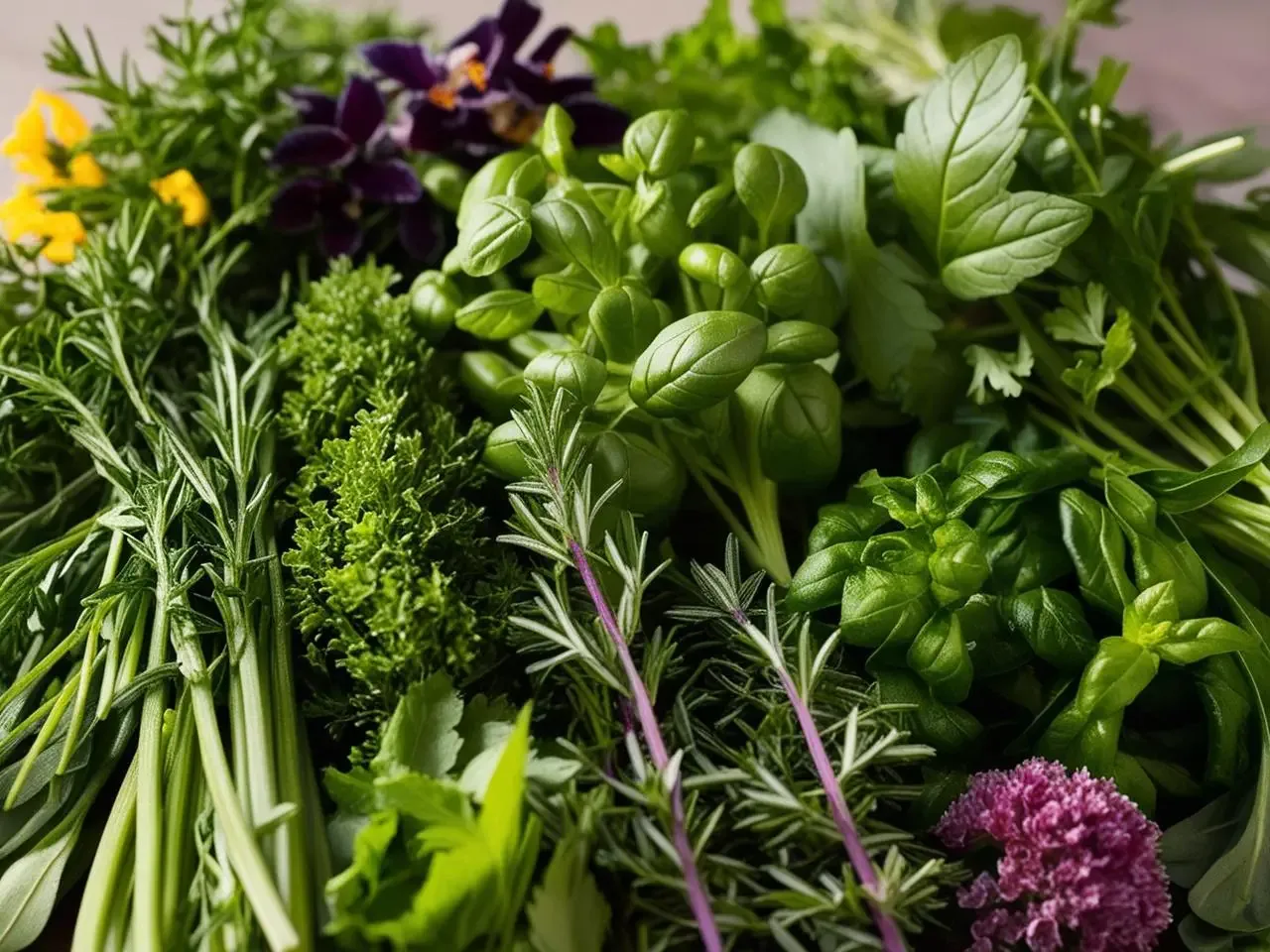
The ten herbs below adapt well to hydroponic reservoirs, remaining compact and responding predictably to balanced fertilization.
Choosing a System and Nutrients
Select an appropriate delivery method before sourcing seeds. The Kratky method is completely passive: no pumps, no wiring, and minimal maintenance. Deep Water Culture (DWC) uses an electric air pump to oxygenate the bath, accelerating vegetative growth. Nutrient Film Technique (NFT) circulates shallow streams through channels, ideal for high-density planting.
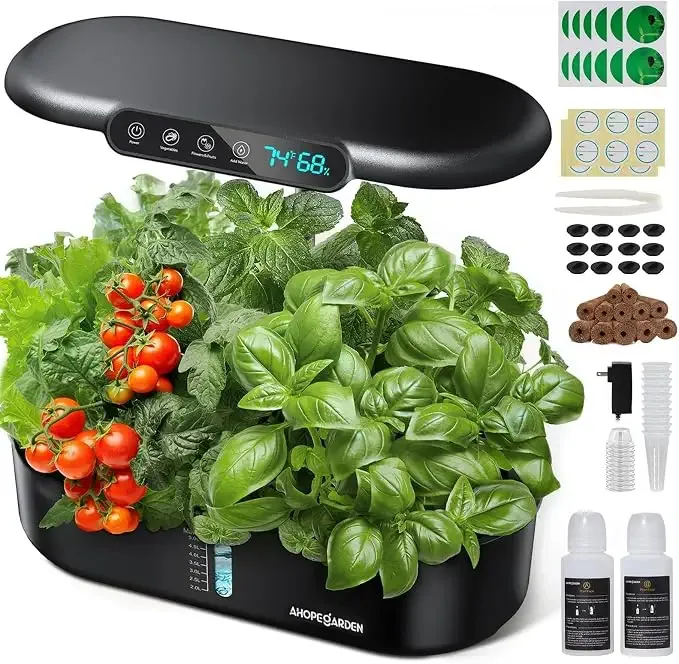
Indoor Garden Hydroponics Growing System
A compact countertop kit complete with growing pods, LED lighting, and an automated circulation pump. Setup takes under 30 minutes, providing a turn-key platform for fresh indoor greens.
Whichever system you choose, monitor two core variables:
- pH: Most herbs require a pH between 5.5 and 6.5. Outside this band, plants lock out critical nutrients. Test weekly and balance with dilute acid or base. For detailed diagnostic charts, consult our guide on understanding hydroponic pH levels.
- EC (Electrical Conductivity): EC measures dissolved mineral ions in millisiemens per centimeter (mS/cm). Herbs are light to moderate feeders that perform best between 1.0 and 1.8 mS/cm. Our pH and EC reference guide lists values for specific cultivars.
For indoor installations, hang full-spectrum LED grow lights 30 to 45 cm above the foliage, running 14 to 16 hours daily.
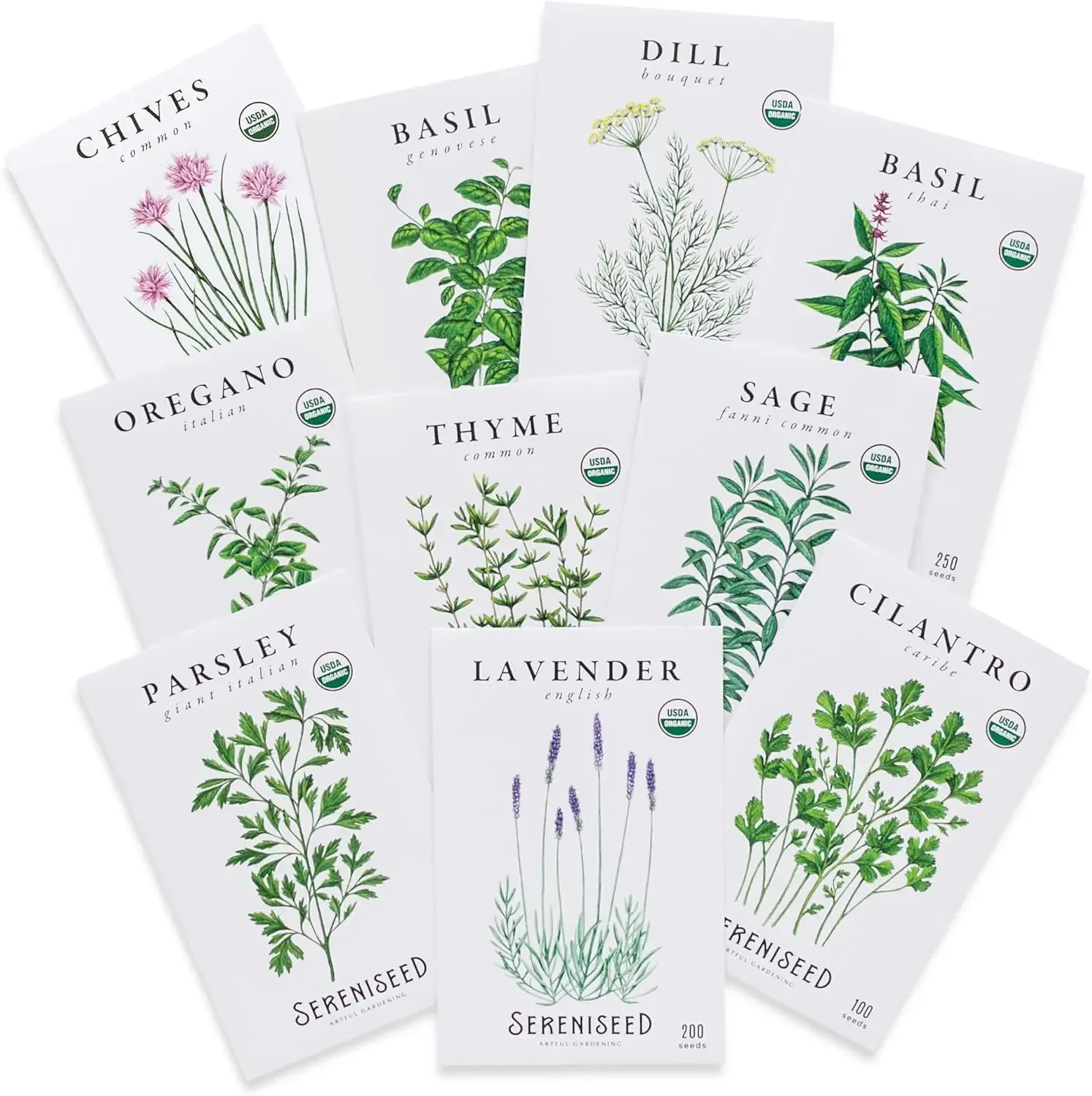
10-Pack Certified Organic Herb Seeds
Includes basil, cilantro, oregano, thyme, parsley, lavender, chives, sage, and dill in a single collection. Certified organic, open-pollinated seed selected for hydroponic germination.
Quick-Reference Comparison Table
| Herb | pH Range | EC (mS/cm) | Ideal Temp | Light (hrs/day) | Days to First Harvest |
|---|---|---|---|---|---|
| Basil | 5.5–6.5 | 1.0–1.6 | 21–26°C / 70–79°F | 16 | 21–28 |
| Mint | 5.5–6.0 | 1.2–1.6 | 18–24°C / 65–75°F | 14–16 | 28–35 |
| Parsley | 6.0–6.5 | 0.8–1.8 | 18–24°C / 65–75°F | 14–16 | 45–60 |
| Cilantro | 6.0–6.5 | 1.0–1.6 | 15–22°C / 60–72°F | 14 | 21–28 |
| Thyme | 5.5–7.0 | 0.8–1.6 | 18–26°C / 65–79°F | 16 | 35–45 |
| Dill | 5.5–6.5 | 1.0–1.6 | 16–21°C / 60–70°F | 14–16 | 28–35 |
| Chives | 6.0–6.5 | 1.2–2.0 | 16–24°C / 60–75°F | 14 | 28–35 |
| Oregano | 6.0–7.0 | 1.0–1.6 | 18–26°C / 65–79°F | 16 | 35–45 |
| Sage | 5.5–6.5 | 1.0–1.6 | 18–24°C / 65–75°F | 16 | 35–50 |
| Rosemary | 5.5–6.5 | 1.0–1.6 | 18–24°C / 65–75°F | 16 | 60–90 |
1. Basil
Basil establishes rapidly in hydroponic systems. Roots strike within days, and foliage reaches harvest maturity in three to four weeks from transplant in DWC or Kratky setups.
Growing conditions: Maintain pH between 5.5 and 6.5, with EC at 1.0–1.6 mS/cm. Keep solution and ambient air between 21°C and 26°C (70–79°F). Below 15°C (59°F), growth stalls and leaves turn black. Provide 16 hours of daily light to prevent elongated, leggy stems.
Nutrient management: Basil consumes higher nitrogen ratios during early vegetative development. If lower leaves yellow while veins remain green, adjust the nitrogen ratio. Always confirm reservoir pH before adding fertilizer.
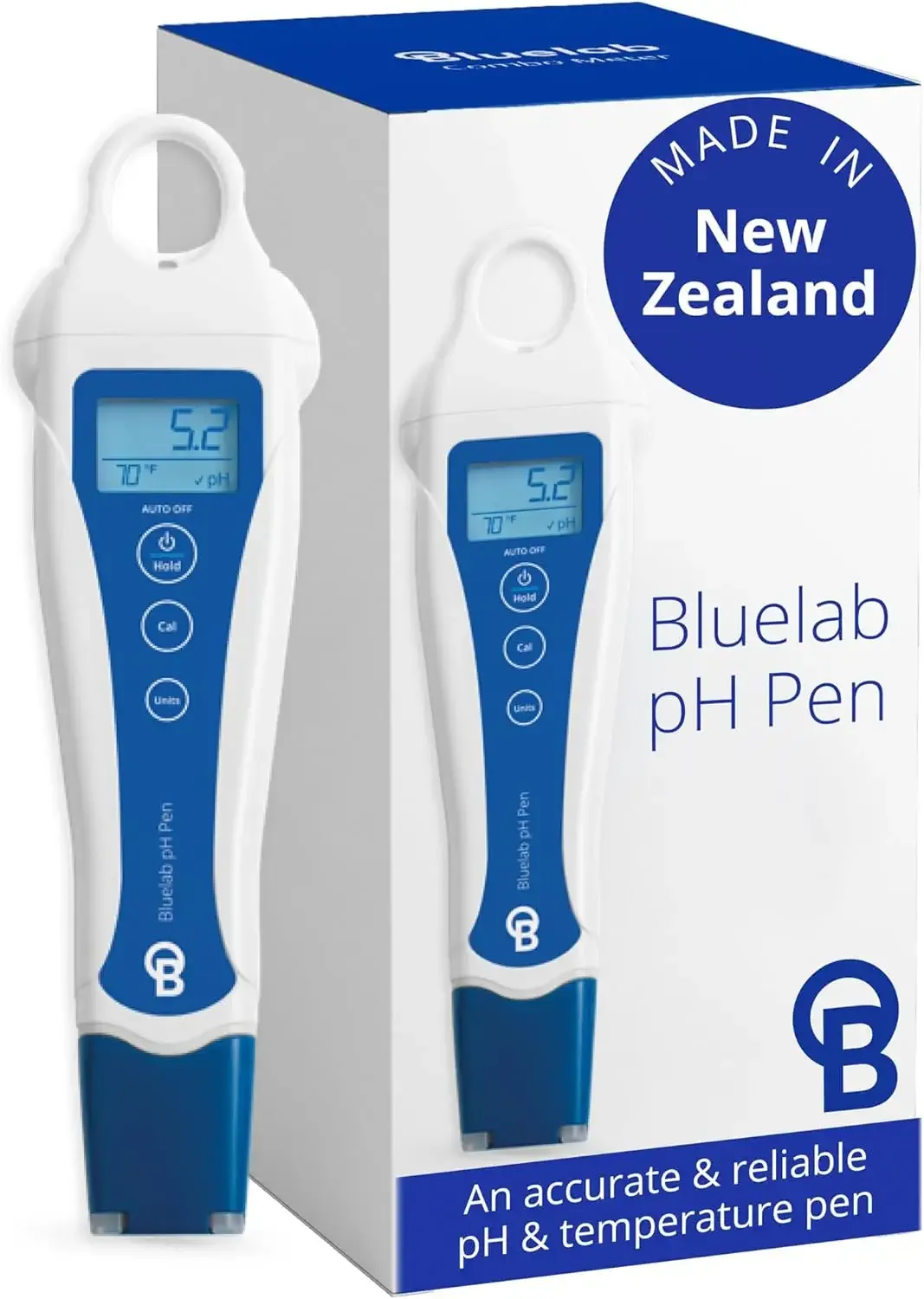
Bluelab pH Pen
Fast digital pH meter with automatic temperature compensation and waterproof housing. Provides reliable glass-bulb electrode readings for hydroponic reservoirs.
Harvesting: Pinch terminal shoots just above a leaf node to stimulate lateral branching. Never remove more than one-third of total foliage in a single harvest. Regular pruning suppresses floral initiation and maintains vegetative vigor.
Recommended systems: Kratky or DWC. Basil drinks at a rate that establishes a functional air gap in passive Kratky containers.
2. Mint
Mint spreads aggressively in water culture, developing dense root mats that can clog shared reservoirs. Grow mint in isolated containers or dedicated net cups to prevent root entanglement with companion crops.
Growing conditions: pH 5.5–6.0, EC 1.2–1.6 mS/cm, with temperatures at 18–24°C (65–75°F). Mint tolerates lower photon flux; 14 hours of daily light produces steady growth. First harvests arrive 4 to 5 weeks from transplant.
Root management: In DWC systems, inspect root masses biweekly. Prune roots if they impede air stones or circulation fittings. Healthy roots appear white and firm; brown, slimy filaments indicate anaerobic conditions requiring increased aeration.
Harvesting: Trim stem tips 5 to 7 cm back to stimulate dense growth. Mint rebounds promptly after hard pruning. Pinch off flower buds as they emerge to keep essential oils focused in leaf tissue.
Cultivars: Spearmint and peppermint both adapt well to hydroponics. Peppermint exhibits higher menthol concentrations and faster growth.
3. Parsley
Parsley germinates slowly (14 to 21 days) and reaches harvest in 6 to 8 weeks following transplant. Once established, parsley produces steady foliage for months without premature bolting.
Growing conditions: pH 6.0–6.5, EC 0.8–1.8 mS/cm, and temperatures between 18°C and 24°C (65–75°F). Parsley tolerates cooler ambient temperatures better than basil. Provide 14 to 16 hours of light daily. Soak seeds in aerated water for 24 hours prior to sowing to accelerate germination.
System choice: Deep Water Culture suits parsley because constant dissolved oxygen supports deep taproot formation. Review our seed germination guide for hydroponics for rockwool setup instructions.
Harvesting: Cut outer petioles near the base, leaving central crowns intact to generate new stems.
Cultivars: Flat-leaf Italian parsley contains higher aromatic oil concentrations for culinary use. Curly varieties form compact rosettes suited to tight vertical tiers.
4. Cilantro (Coriander)
Cilantro requires strict thermal control. At temperatures above 24°C (75°F), the plant bolts to seed, turning leaves bitter and sparse. Maintain water and ambient temperatures between 15°C and 22°C (60°F–72°F) using ventilation fans or cooler room placement.
Growing conditions: pH 6.0–6.5, EC 1.0–1.6 mS/cm. Keep daily lighting to 14 hours; intense light combined with heat triggers premature flowering. Harvest starts 3 to 4 weeks after transplant.
Succession planting: Sow seeds every 2 to 3 weeks to ensure continuous harvests. Hydroponic plugs make succession schedules straightforward to maintain.
System choice: Passive Kratky containers naturally stay cooler than active systems with submersible pumps. Avoid placing reservoirs near heat vents or ballast power supplies.
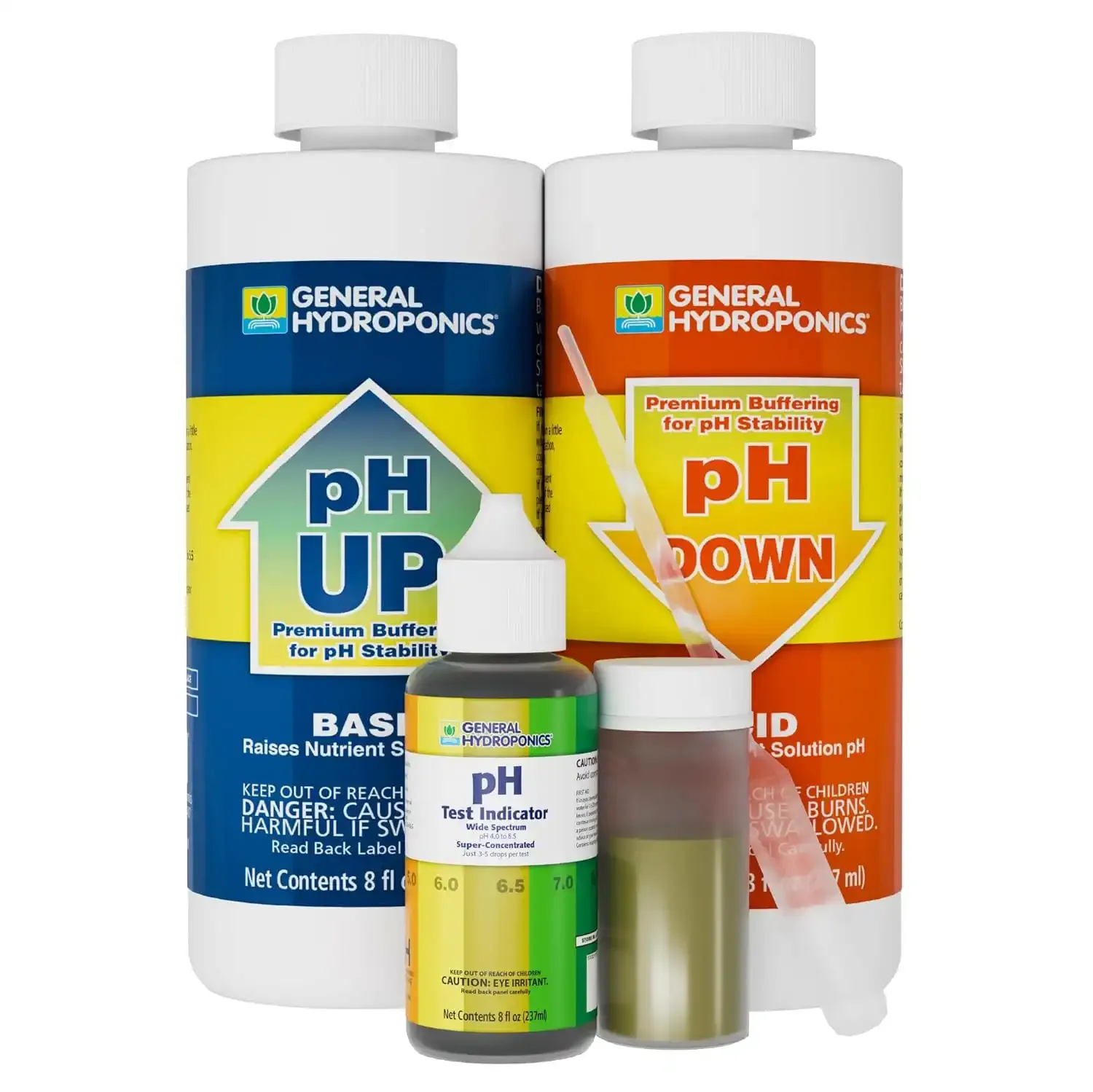
General Hydroponics pH Control Kit
Includes 8 oz. pH Up, 8 oz. pH Down, 1 oz. indicator solution, testing vial, and calibrated dropper. A chemical baseline for adjusting reservoir water to the optimal 5.5–6.5 range.
5. Thyme
Thyme tolerates a wide pH range (5.5–7.0) and moderate thermal fluctuations. As a Mediterranean subshrub, it prefers aerated root zones and high light intensity (16 hours daily).
Growing conditions: pH 5.5–7.0, EC 0.8–1.6 mS/cm, and temperatures of 18–26°C (65–79°F). Initial harvests take 5 to 6 weeks from transplant.
Moisture control: Thyme roots require high oxygenation. Maintain generous air gaps in Kratky totes, or use free-draining expanded clay pebbles in flood-and-drain trays.
Harvesting: Snip tender green stem tips above woody nodes. Never cut into hard, woody lower stems, as this stalls lateral regrowth.
Fungal prevention: High relative humidity causes fungal blight on lower stems. Direct an oscillating fan across the plant canopy to circulate air.
6. Dill
Dill grows tall (60 to 90 cm), requiring vertical clearance. Select dwarf varieties like ‘Fernleaf’ for indoor shelf racks.
Growing conditions: pH 5.5–6.5, EC 1.0–1.6 mS/cm. Dill thrives in cool solution temperatures between 16°C and 21°C (60–70°F). Temperatures above 24°C trigger bolting. Provide 14 to 16 hours of daily illumination.
Mechanical support: Slender dill stems lean under heavy crowns. Insert small bamboo stakes into net cups or secure stems to vertical trellises.
Harvesting: Snip outer fronds conservatively. Dill does not regenerate vigorously from hard pruning; harvest as needed while preserving inner crowns.
7. Chives
Chives are robust perennial alliums. They tolerate broad environmental swings, resist root pathogens, and regenerate after hard harvests.
Growing conditions: pH 6.0–6.5, EC 1.2–2.0 mS/cm, and temperatures of 16–24°C (60–75°F). Chives produce steady harvests under 14 hours of daily illumination.
System choice: Kratky totes and shallow NFT channels both accommodate chives’ fibrous root systems.
Harvesting: Shear foliage 2 to 3 cm above the bulb base with sharp scissors. Stems regenerate within two to three weeks.
8. Oregano
Oregano adapts to lower electrical conductivity. Essential oil concentrations peak when plants receive moderate rather than excessive nutrient levels.
Growing conditions: pH 6.0–7.0, EC 1.0–1.6 mS/cm, and temperatures of 18–26°C (65–79°F). Provide 16 hours of daily light, mounting fixtures close to the canopy.
System choice: NFT channels provide continuous oxygenation without oversaturating the crown.
Harvesting: Cut stems back to leaf nodes once plants reach 10 to 15 cm in height to stimulate bushier growth.
9. Sage
Sage requires patience and dry canopy airflow. Its textured foliage traps humidity, making it vulnerable to powdery mildew in stagnant grow tents.
Growing conditions: pH 5.5–6.5, EC 1.0–1.6 mS/cm, and temperatures between 18°C and 24°C (65–75°F). Provide 16 hours of high-intensity illumination.
Air circulation: Position an oscillating fan toward the canopy to prevent moisture condensation on leaf surfaces.
Harvesting: Pick individual leaves or soft terminal tips. Avoid stripping entire stems at once.
10. Rosemary
Rosemary takes 8 to 12 weeks to yield harvests from cuttings, and up to 14 weeks from seed. Propagating from tip cuttings bypasses erratic germination.
Growing conditions: pH 5.5–6.5, EC 1.0–1.6 mS/cm, and temperatures of 18–24°C (65–75°F). Rosemary demands high photon flux; position fixtures at the manufacturer’s minimum recommended hanging height.
Root volume: Mature rosemary develops extensive taproots. Use containers with at least 20 cm of root depth, such as dedicated 5- to 10-liter buckets.
Cutting propagation: Cut 10 cm terminal shoots, strip basal leaves, and root stems in aerated water adjusted to pH 6.0. Transfer to net cups once roots reach 3 cm.
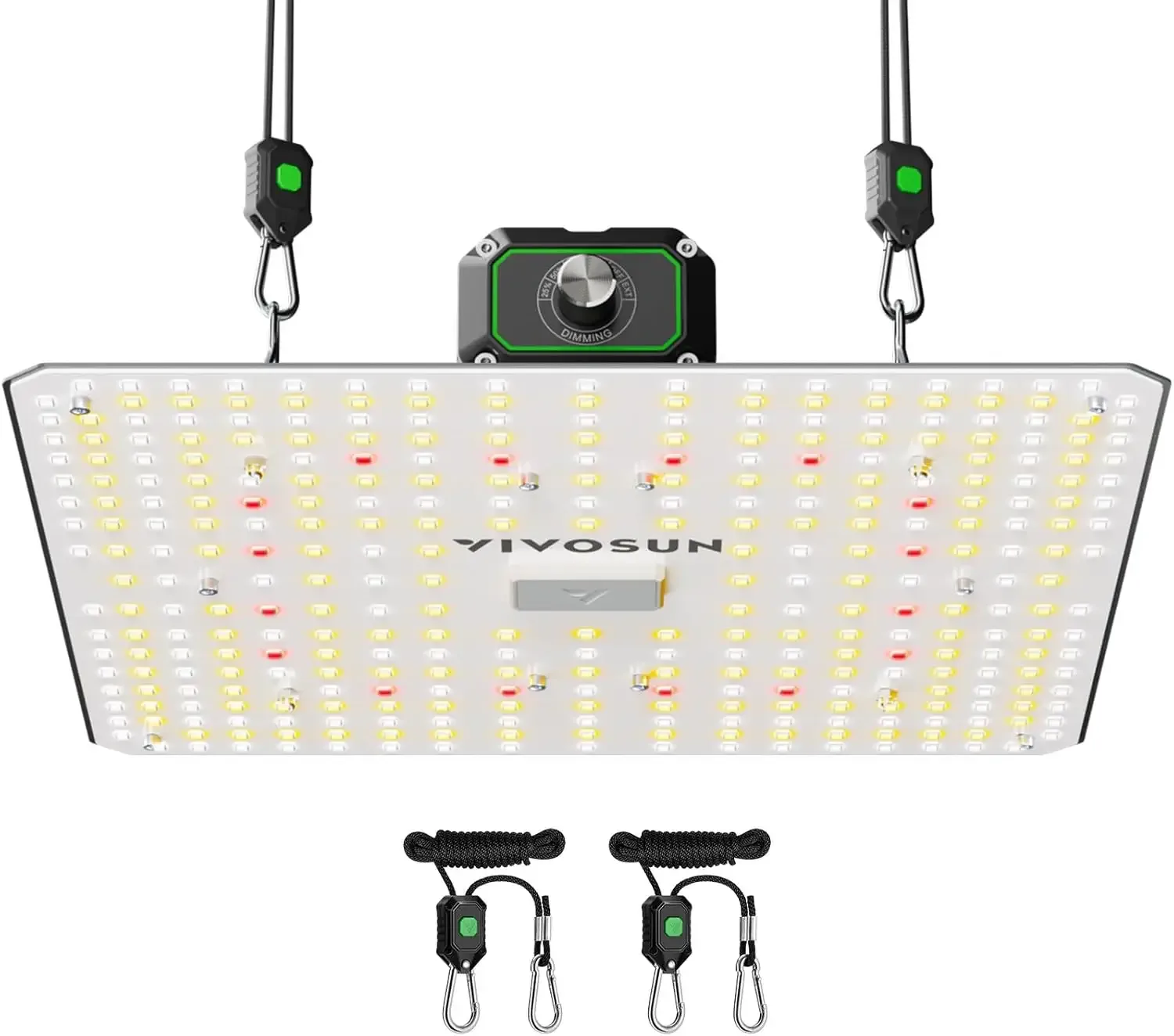
VIVOSUN LumaLight 100W LED Grow Light
Full-spectrum LED fixture with 3000K, 5000K, and 660nm diodes. Dimmable output provides the photon intensity required by woody Mediterranean herbs.
Consult our guide on the best LED grow lights for beginners for PAR metrics and hanging distances.
Advantages of Hydroponic Herbs
Hydroponic herb production offers distinct operational advantages over soil beds:
- Year-round production: Controlled indoor lighting decouples harvests from outdoor weather.
- Accelerated growth: Direct root nutrition matures basil in under four weeks, compared to six to eight weeks outdoors.
- Water conservation: Closed systems recirculate solution, reducing water usage by up to 90%.
- Pest reduction: Eliminating soil removes root nematodes and fungus gnat breeding zones. Review our guide on managing common hydroponic pests to handle airborne insects.
- Parameter control: You regulate pH, EC, and photoperiod directly with meters.
Read our guide on choosing the right hydroponic nutrients for detailed mixing ratios.
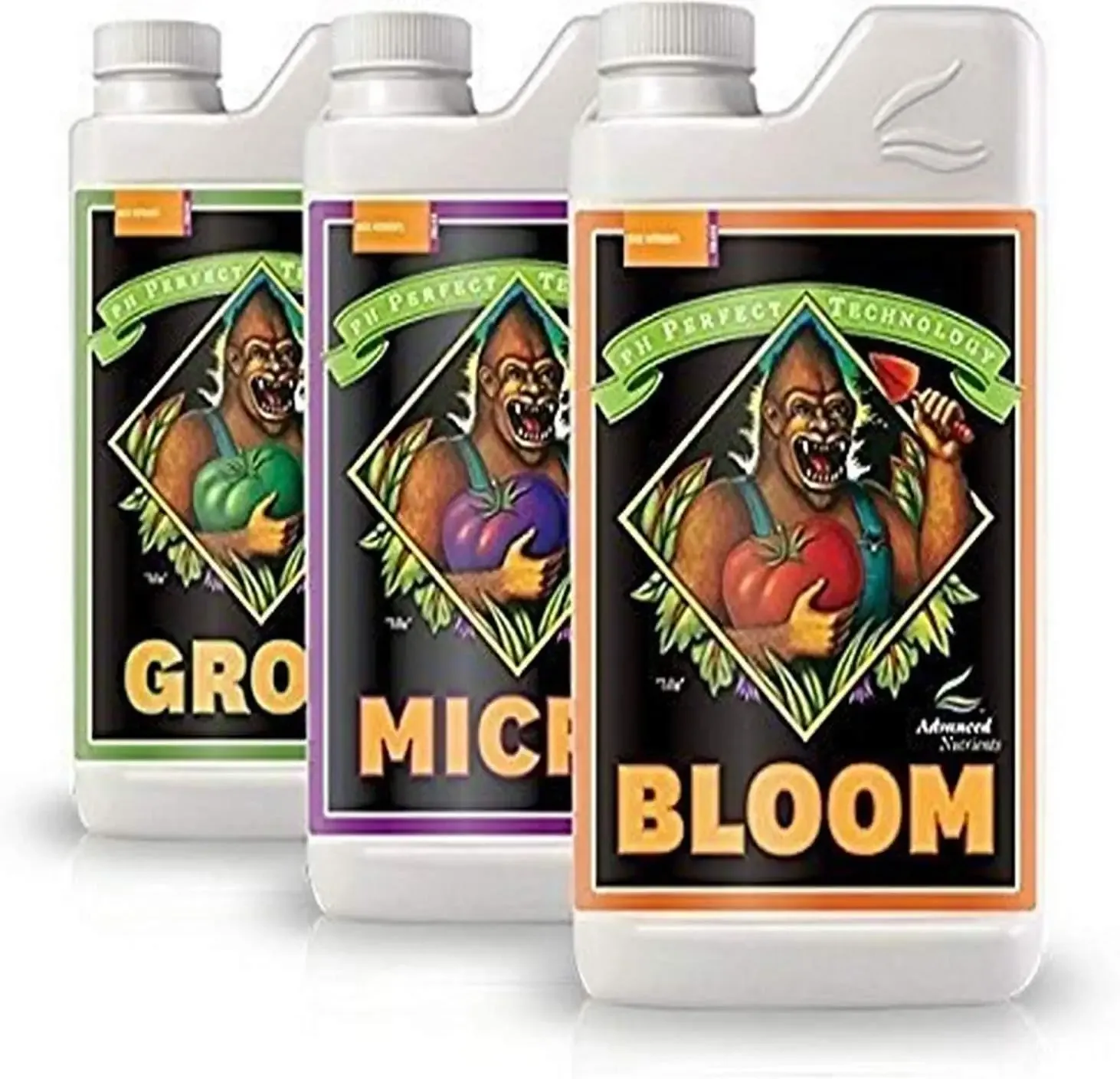
Advanced Nutrients Bloom, Micro & Grow Bundle
Three-part mineral fertilizer supplying macronutrients and chelated trace elements for vegetative herbs and fruiting plants. Mix at half strength for seedlings.
Getting Started
Begin with basil, mint, or chives. These species establish rapidly, tolerate minor nutrient imbalances, and produce repeated cuttings. Add slower Mediterranean herbs like rosemary and sage once your lighting and temperature controls are stabilized.
For complete system construction plans, read our complete beginner’s guide to hydroponics.
Editor’s Note: Parts of this guide were structured and optimized with the assistance of AI, then thoroughly reviewed, edited and expanded with first-hand growing experience by our author Raymond to ensure practical, real-world accuracy.
Frequently Asked Questions
Do hydroponic herbs taste different from soil-grown herbs?
Hydroponic herbs receive an optimized mineral supply that accelerates growth and concentrates essential oil profiles in herbs like basil and mint. Maintain electrical conductivity within the target range for each variety; under-feeding dulls flavor, while excess salts stress root tissue.
Which herbs grow fastest hydroponically?
Basil, mint, and chives produce the quickest harvests. Basil reaches maturity in 3–4 weeks from transplant in DWC or Kratky setups under adequate light. Cilantro grows quickly in cool temperatures but bolts to seed above 24°C (75°F).
Can I use tap water for hydroponic herbs?
Yes. Adjust solution pH between 5.5 and 6.5 before feeding. If municipal water contains chlorine, allow it to stand in an open container for 24 hours to off-gas before mixing.
Which hydroponic system is best for growing herbs indoors?
The passive Kratky method and Deep Water Culture (DWC) are ideal starting points. Kratky requires no pumps and suits basil, mint, chives, and parsley. DWC uses an air pump for continuous aeration, accelerating growth in heavier feeders like basil and oregano.
How many hours of light do hydroponic herbs need?
Provide 14 to 16 hours of daily light under full-spectrum LEDs. Rosemary and basil require 16 hours. Mint, parsley, and cilantro develop well under 14 hours. Give plants 6 to 8 hours of uninterrupted darkness to support respiration.
Do I need to change the nutrient solution regularly?
Yes. Plants selectively extract individual ions, shifting chemical ratios over time. Flush and replace the reservoir solution every 2 to 3 weeks in DWC systems. In Kratky containers, top up with plain, pH-adjusted water between cycles.
Our Amazon Storefront
Browse all our recommended tools & supplies
Everything we personally use and trust, hand-picked for gardeners like you.

I've been running DWC and Kratky systems for several years and write about what actually works, not textbook theory. Follow along for honest product reviews, practical guides and real grow results.