As an Amazon Associate, I earn from qualifying purchases. Some links in this article are affiliate links, if you buy through them I may earn a small commission at no extra cost to you.
Quick Summary
- Fall Gardening: Grow cool-season crops in the late summer and fall for fresh autumn harvests.
- Frost Timing: Calculate planting dates backwards from your local average first fall frost date.
- Top Fall Crops: Plant leafy greens (spinach, kale), root crops (carrots, radishes) and garlic.
- Planting Depth: Sow seeds slightly deeper in late summer to reach cooler, moisture-retaining soil layers.
- Frost Protection: Use row covers and frost cloth to protect plants from unexpected early freezes.
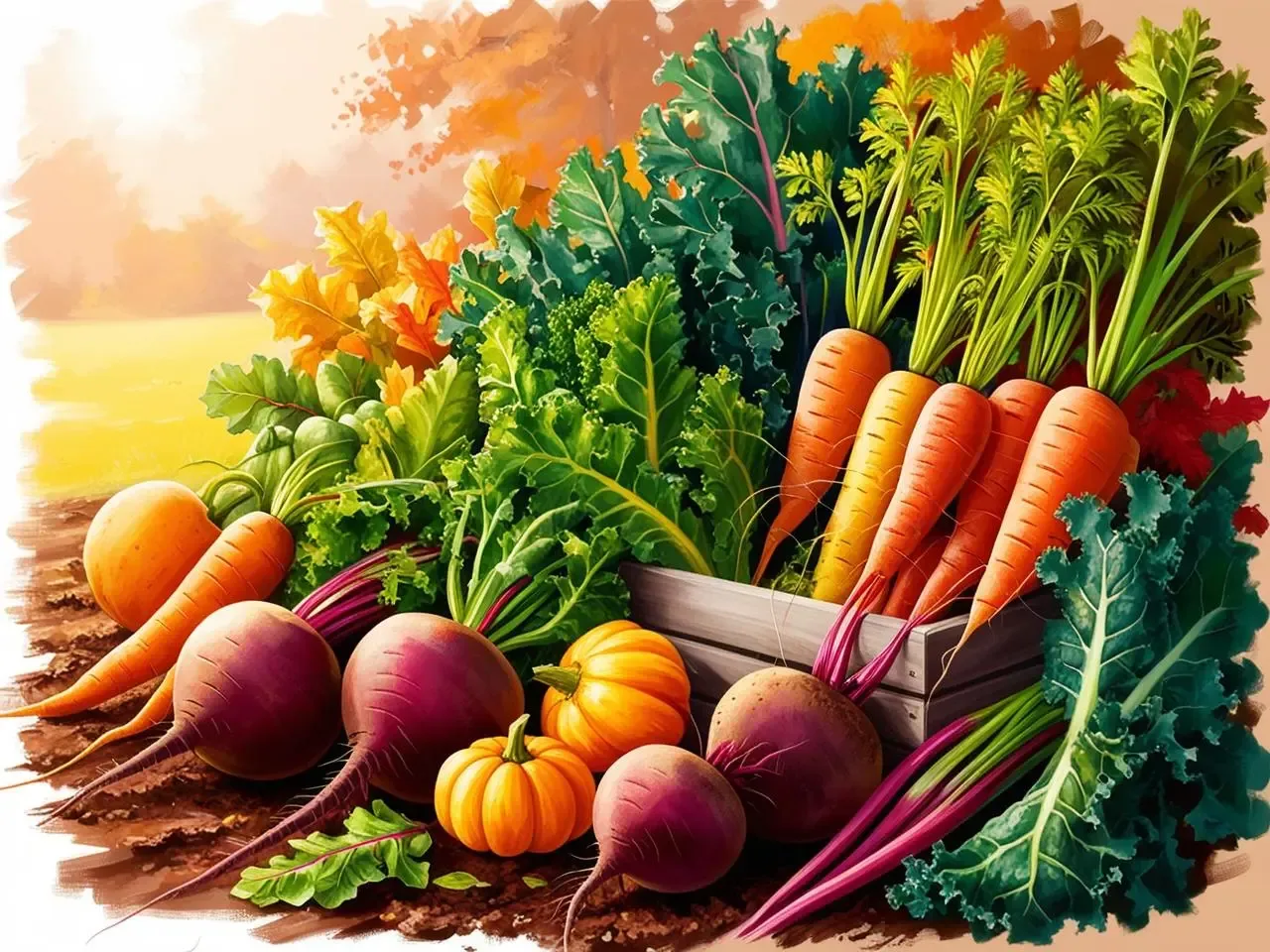
When carrots and kale hit around 28°F, they convert stored starches into sugars, a survival response that makes them measurably sweeter than anything you’d pull in August. That cold-triggered sweetness is the best argument for a fall garden and it starts with knowing which crops to plant and when to get them in the ground before frost shuts the window.
Fall gardens also deal with fewer pest pressures than summer. Aphids and whiteflies thin out as temperatures drop and without the relentless heat, you’ll water less and weed less. The tradeoff is a tighter planting schedule, but that’s exactly what this guide covers.
1. Why Fall Gardening Is Worth the Effort
Cooler temperatures mean less watering; your plants won’t be thirsty around the clock the way they are in summer. Pest pressure drops off as aphids and whiteflies retreat from the cold. And the flavor payoff is real: carrots, kale, parsnips and Brussels sprouts all develop deeper sweetness after exposure to frost, as the plant converts starches to sugars to protect itself.
Fall gardening also extends your growing season by weeks, sometimes months, past what your neighbors are harvesting. While they’re packing up their tools, you can still be pulling fresh greens and roots.
2. Understanding Your Frost Dates
To plan your fall garden, start with your first frost date and count backward by each crop’s days-to-maturity. If frost typically arrives mid-October and carrots need 70 days, seeds go in by early August.
One thing worth knowing: your USDA hardiness zone tells you average winter lows, not frost timing, so a zone 6b garden and a zone 7a garden can share a first frost date while having very different winters. Cross-reference your zone with a local frost calendar for actual dates.
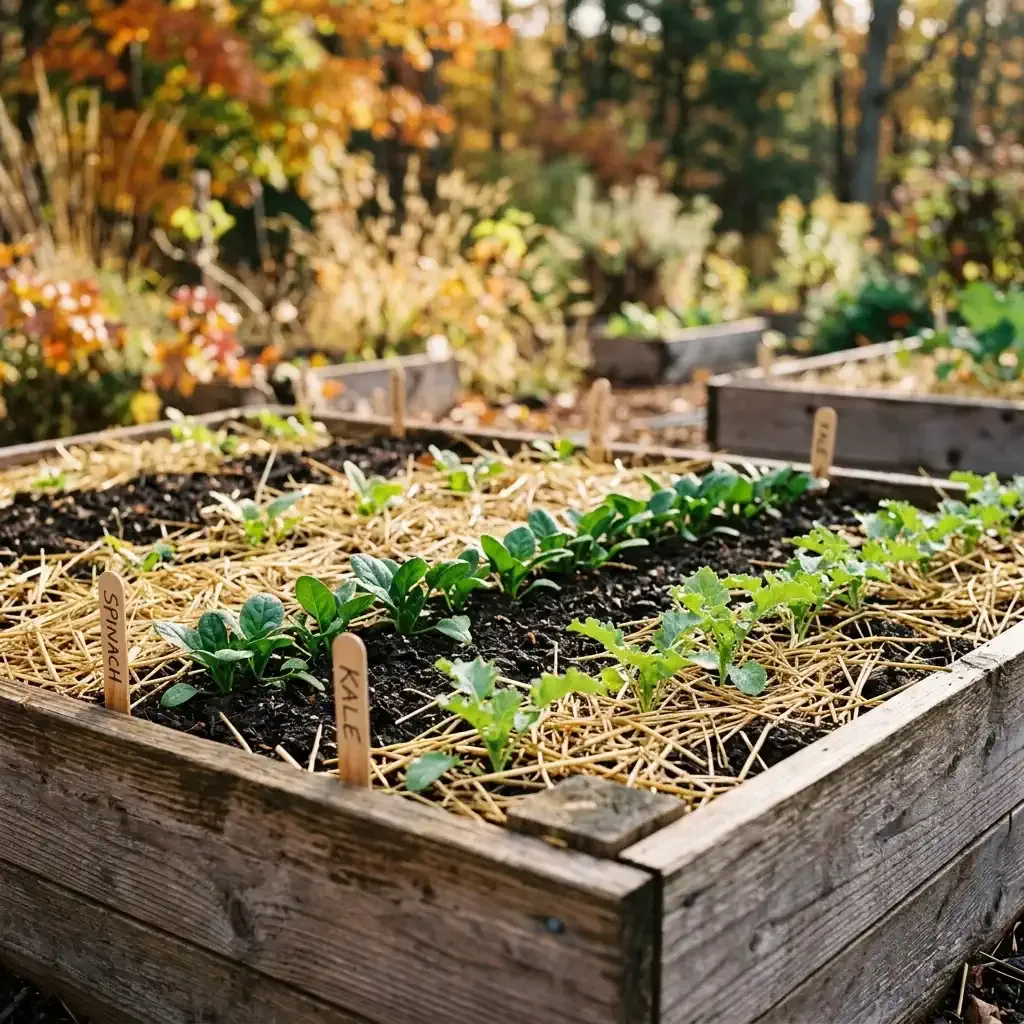
Daylight also shortens in fall, which slows germination and growth. Starting seeds indoors or using transplants for longer-maturing crops like broccoli and Brussels sprouts gives them the head start they need.
3. Essential Crops to Plant Before the First Frost
The most reliable fall crops are those that either mature fast enough to beat frost entirely or are cold-hardy enough that frost doesn’t stop them.
Leafy Greens
Spinach, kale and Swiss chard are the backbone of a fall garden. Spinach thrives below 75°F and can germinate in as little as 6 days. Kale and Swiss chard handle light frosts without cover and can keep producing into December in many zones. Kale in particular gets sweeter with each frost, which makes late-season harvests the best ones.
Root Vegetables
Carrots, radishes and beets are fall staples. Their roots sit underground, insulated from temperature swings and they improve in flavor after a frost. Radishes are the fastest option, 25 to 30 days from seed to harvest, making them a good fill-in crop if you’re starting late. Carrots take longer (60–80 days depending on variety) but are among the most rewarding to pull in November.
Brassicas
Broccoli, cauliflower and Brussels sprouts prefer 60–70°F and tolerate fall’s cooling nights well. Brussels sprouts are a slower crop that need to go in by late summer, but the nutty, sweeter flavor after a hard frost makes the timing worthwhile. Start transplants rather than direct-sowing if you’re working with a short window.
Alliums
Fall is the right time to plant garlic and overwintering onions, not for an immediate harvest, but to give them the root development they need before the ground freezes. Hardneck garlic varieties in particular benefit from being planted in fall, producing larger, more flavorful cloves by the following summer.
Legumes
Peas and fava beans thrive in cool temperatures and tolerate light frosts. Both fix nitrogen into the soil as they grow, which benefits whatever you plant in that bed next spring. Peas can mature quickly, some bush varieties in 60 days, making them a viable late-season addition even when your window is tight.
4. Tips for Maximizing Your Fall Harvest
Getting the crops right is half the job. Giving them a good start is the other half.
Soil Preparation
Before planting, work in compost or well-rotted manure to boost fertility. Test your soil’s pH and aim for the 6.0–7.0 range most fall vegetables prefer, a 4-in-1 soil testerView on Amazon makes this quick to check. If you’ve been building up your soil’s structure ahead of fall planting, your soil is likely in better shape than you think.
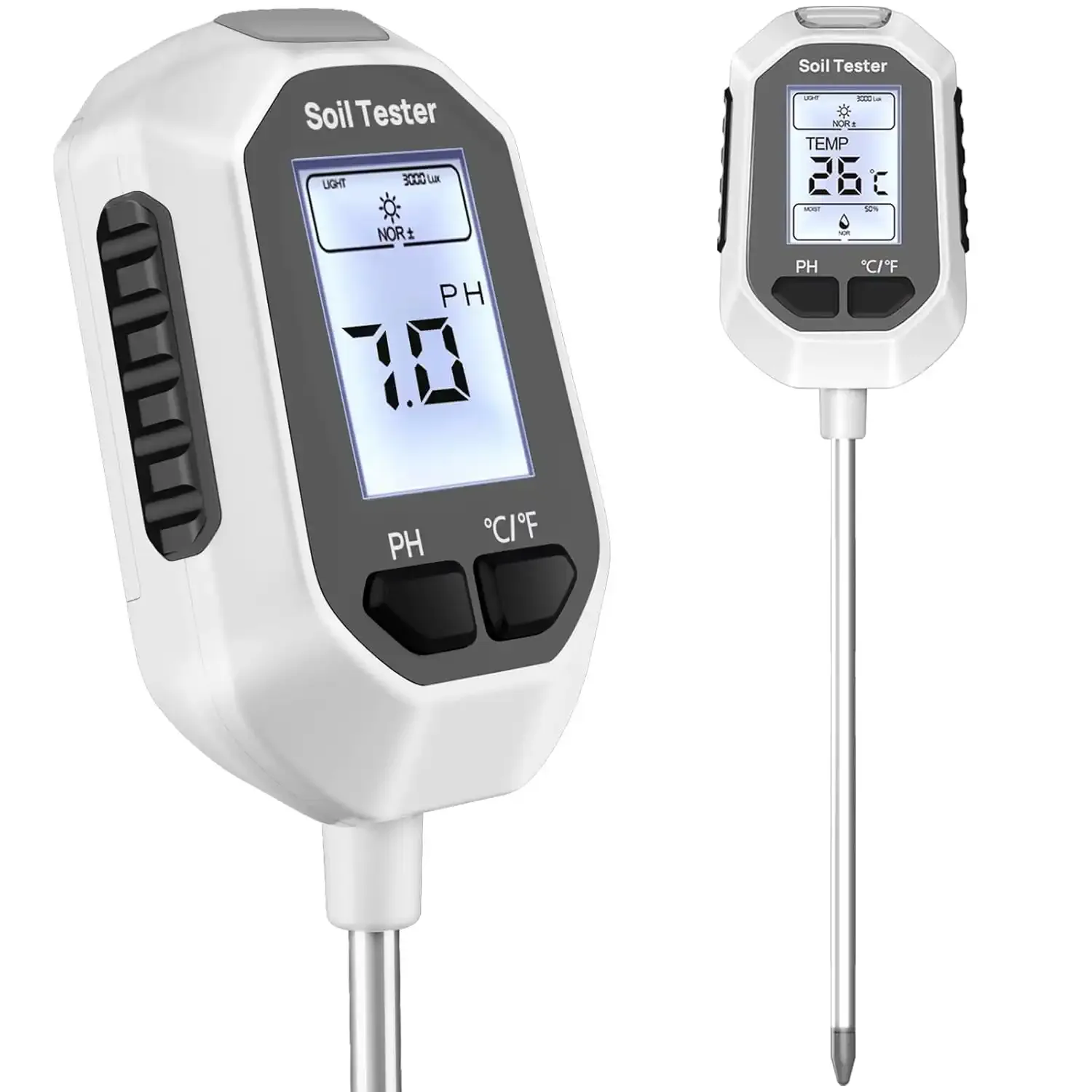
4-in-1 Soil Moisture, pH, Temperature and Light Tester
A versatile 4-in-1 tool that measures soil moisture, pH, temperature and sunlight levels to take the guesswork out of plant care. Featuring a backlit LCD screen and a rotating 45° display, it gives you quick, easy-to-read soil stats in just 10 seconds.
Planting Depths
Cooler soil means slower germination, so plant seeds slightly deeper than the packet’s summer recommendation. This protects seeds from temperature swings at the soil surface and helps with moisture retention during dry fall stretches.
Mulching
A 2–3 inch layer of organic straw mulchView on Amazon does three things at once in a fall garden: retains moisture, moderates soil temperature and suppresses the late-season weeds that take advantage of bare soil. Apply it around plants once they’re established, keeping it away from stems.
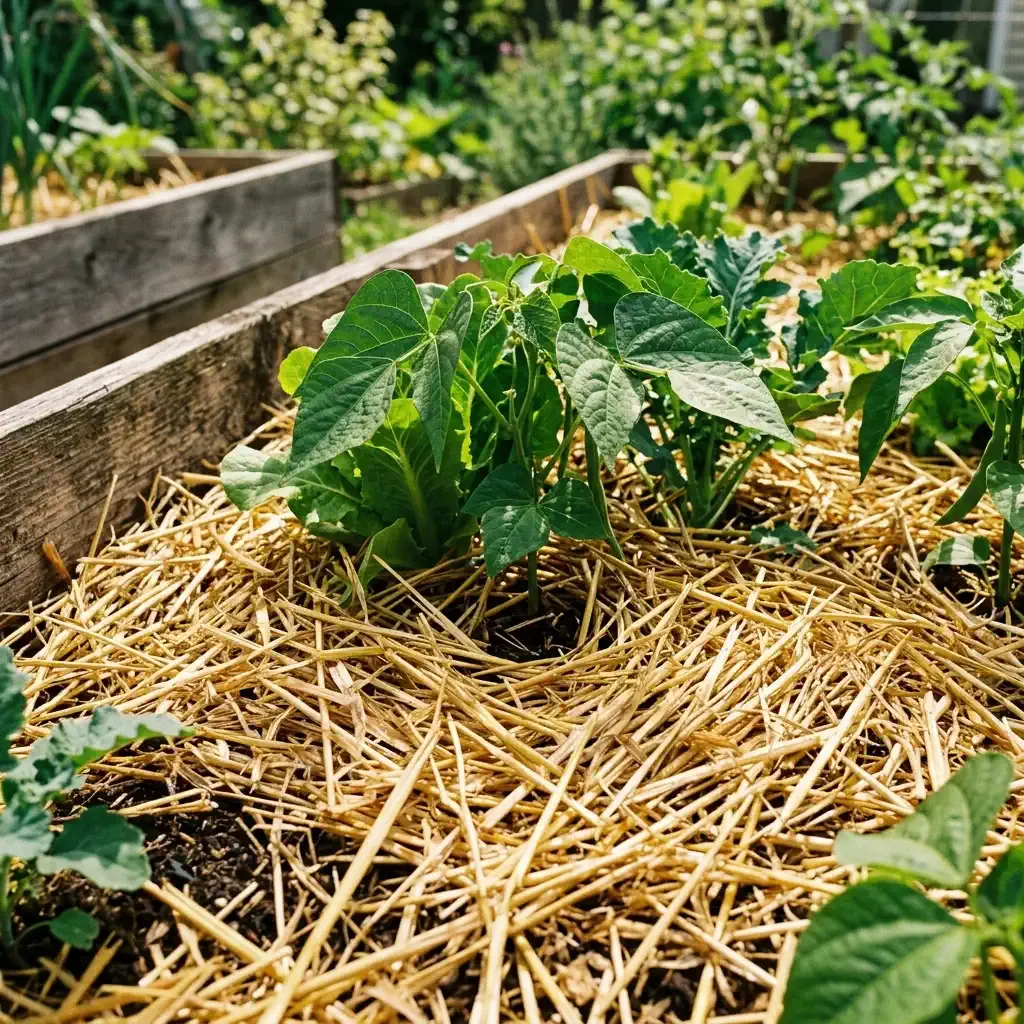
Organic Weed-Blocking Straw Mulch
A clean, dust-free straw mulch that provides excellent insulation for roots. Prevents soil erosion, retains moisture and naturally breaks down to feed the soil over winter.
5. How to Protect Your Crops from Frost
Even frost-tolerant crops need help when temperatures drop hard and fast. A few low-effort methods make a significant difference.
Monitor the Weather
Stay ahead of frost by checking overnight forecasts. The first hard frost of the season tends to arrive abruptly, having a day’s notice lets you cover or harvest before damage happens.
Use Row Covers or Frost Cloths
Row covers are the most reliable frost protection tool for an in-ground garden. Lightweight and breathable, they trap ground heat while still letting light and water through. For a hard frost, a 0.55 oz/yd² plant cover rated to 28°FView on Amazon gives you meaningful protection without collapsing on plants, drape it over hoops or directly on the foliage and pin the edges. For a detailed look at getting the most out of them, see our guide to using row covers and frost cloths effectively.
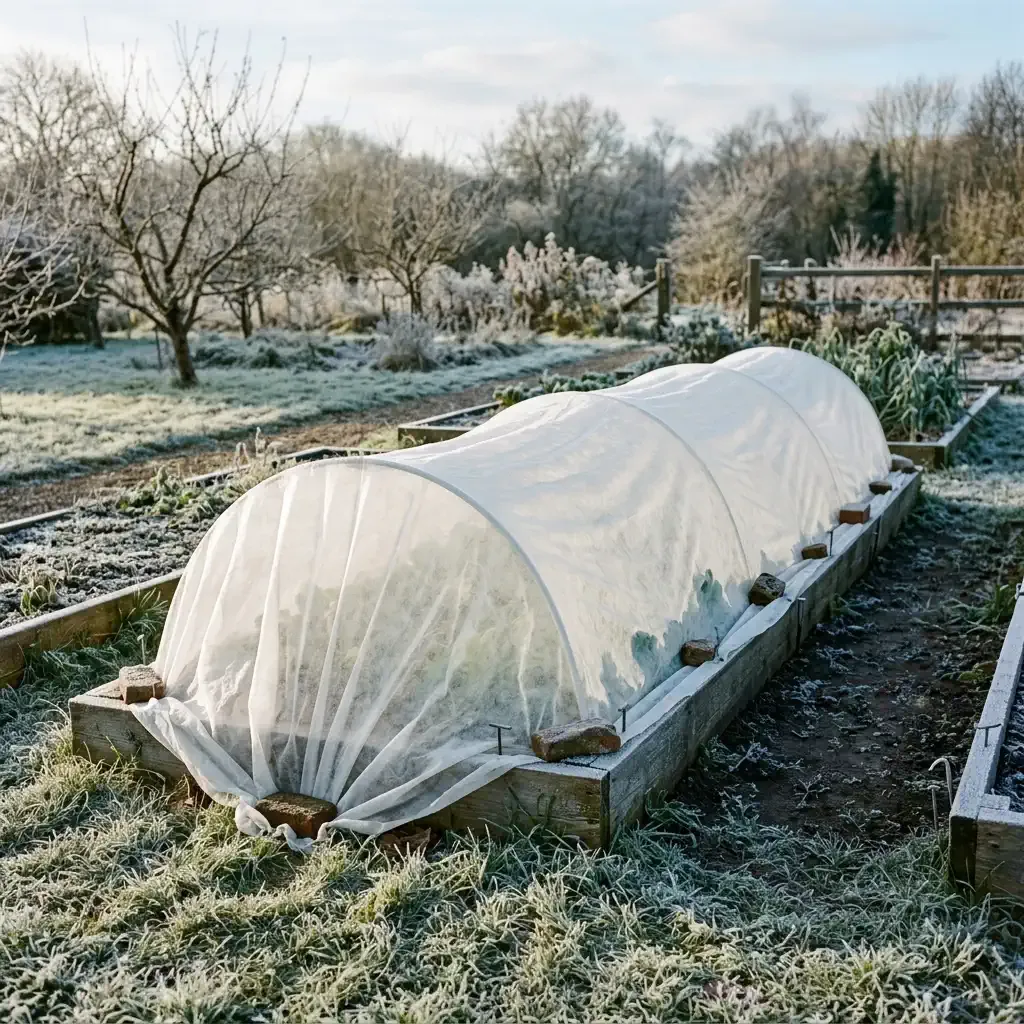
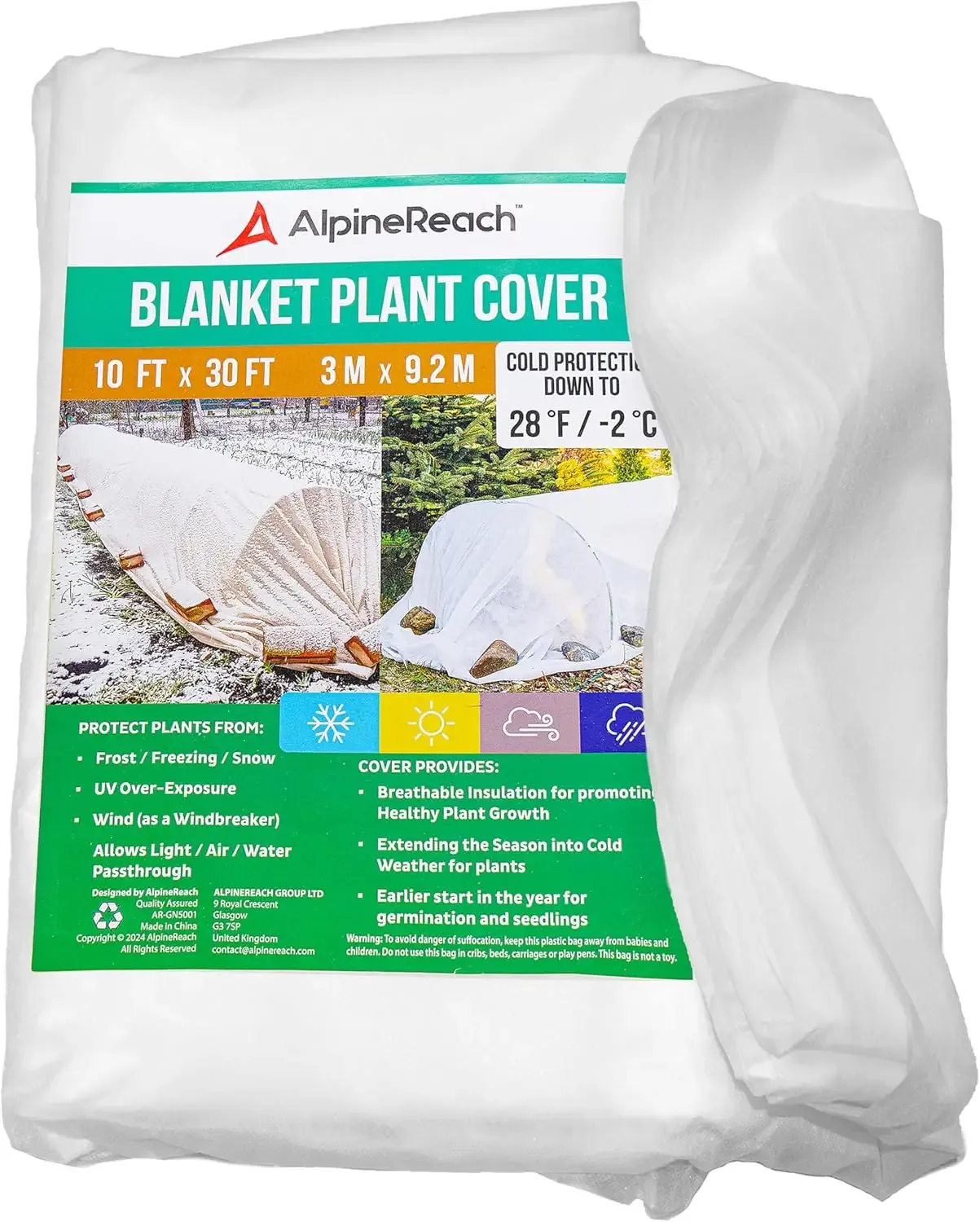
Heavy Duty Plant Covers for Frost Protection
Floating row cover that provides frost protection down to 28°F. Lightweight enough to let 70% of light and water through, yet durable enough to protect tender fall greens from sudden freezing winds.
Water Before Frost Hits
Moist soil holds heat better than dry soil. Watering the day before a forecasted frost creates a thermal buffer in the top few inches of ground. Don’t overdo it, waterlogged soil is a separate problem, but a thorough soak the evening before is worth doing.
Bring Containers Indoors
Pots and containers lose heat through their sides and bottoms much faster than in-ground beds. Move them into a garage, shed or covered porch when frost is forecast. Even a few degrees of shelter can keep the roots viable for weeks longer.
Harvest Sensitive Crops Early
If a hard, sustained frost is coming, prioritize harvesting tender crops first: lettuce, beans, tomatoes. These don’t recover from a freeze. Root vegetables, carrots, beets, parsnips, can stay in the ground through frost with a thick mulch layer and will actually taste better for it.
6. What Comes After the Fall Garden
Once your fall crops are in and frost protection is sorted, the next question is what to do with the beds over winter. If you’d rather not start completely from scratch every spring, our guide to chaos gardening covers how to let parts of your garden go intentionally wild, with a practical framework for what actually works.
Frequently Asked Questions
Does frost really make vegetables sweeter? Yes. When temperatures drop below freezing, crops like carrots, kale, parsnips and Brussels sprouts convert stored starches into sugars as a cold-hardening response. The effect is most pronounced after repeated light frosts rather than a single hard freeze.
What’s the latest I can plant root vegetables before frost? Count backward from your expected first frost date using the crop’s days-to-maturity. For carrots at 70–80 days, that means planting by late July or early August in most temperate zones. Radishes are the exception, at 25–30 days, they can go in as late as a month before frost.
Do I need row covers for frost-tolerant crops? Not always. Spinach, kale and most root vegetables handle light frosts (28–32°F) without cover. Row covers become necessary when you’re extending frost-tender crops beyond their normal season or when temperatures drop hard and fast before plants have had time to harden off.
Can I plant garlic in fall even if the ground will freeze? Yes, that’s the point. Garlic planted in fall develops roots before the ground freezes, then resumes growth in early spring. The cold dormancy period is what triggers robust bulb development by summer.
What should I do with my garden after the final harvest? Clear spent plants, add a layer of compost and mulch bare beds to protect soil structure over winter. Leaving cover in place reduces erosion, moderates soil temperature and sets you up for an easier spring.
Frequently Asked Questions
When should I start planting my fall garden?
Most fall crops should be planted in mid-to-late summer (6 to 8 weeks before your region's average first frost date) so they mature before freezing temperatures arrive.
What crops can survive a hard frost?
Hardy crops like kale, collard greens, spinach, carrots and parsnips can survive hard frosts and often taste sweeter after being exposed to cold.
Our Amazon Storefront
Browse all our recommended tools & supplies
Everything we personally use and trust, hand-picked for gardeners like you.
I've been running DWC and Kratky systems for several years and write about what actually works, not textbook theory. Follow along for honest product reviews, practical guides and real grow results.