As an Amazon Associate, I earn from qualifying purchases. Some links in this article are affiliate links, if you buy through them I may earn a small commission at no extra cost to you.
Quick Summary
- Garden Cleanup: Remove dead tomato and squash vines to eliminate overwintering pests and disease spores.
- Soil Enhancement: Lay down compost and manure to enrich soil biology over the winter months.
- Perennial Care: Cut back dead stalks and divide overgrown perennial flowers to promote spring vigor.
- Mulch Beds: Cover bare garden soil with straw or leaves to prevent erosion and suppress spring weeds.
- Tool Maintenance: Clean, sharpen and oil hand tools before storing them to prevent rust.
If you only have one weekend left before the cold sets in, spend it on two things: mulching your beds and planting your garlic. Everything else on this list matters, but those two will pay dividends all winter and straight into spring.
Fall is the season where soil-based gardening actually gets interesting. Summer is mostly maintenance, watering, weeding, harvesting. Fall is when you make investments. The organic matter you work in now will break down slowly through winter, feeding soil microbes and improving structure so your beds are better in March than they were in August. Here are the eight tasks worth doing, in rough order of priority.
1. Clean Up Garden Beds
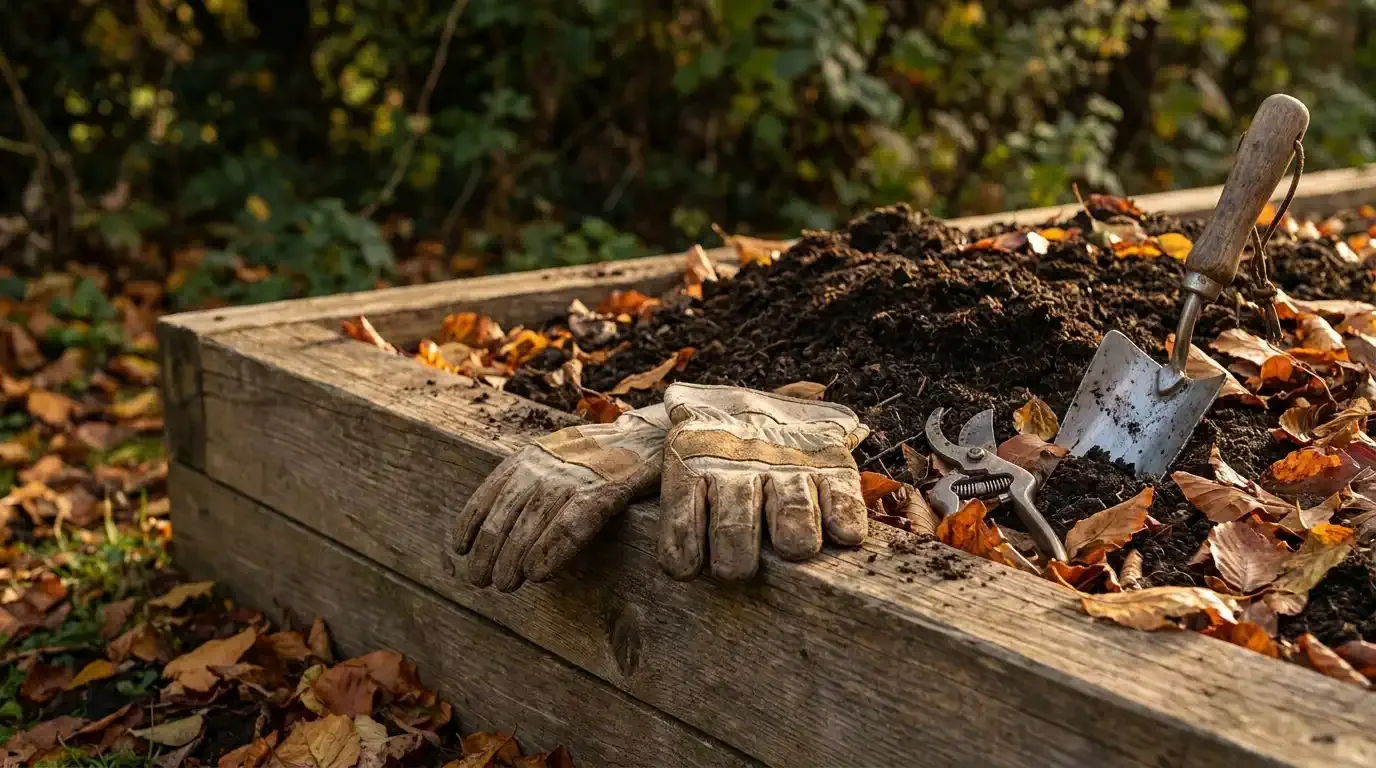
Start by pulling out spent annuals and finished vegetable plants before they become overwintering habitat for pests and fungal spores. Prune dead or diseased branches from perennials and shrubs. Rake fallen leaves, most can be shredded and composted or used directly as mulch. The exception: anything showing signs of disease (black spot, powdery mildew, blight) goes in the bin, not the compost heap.
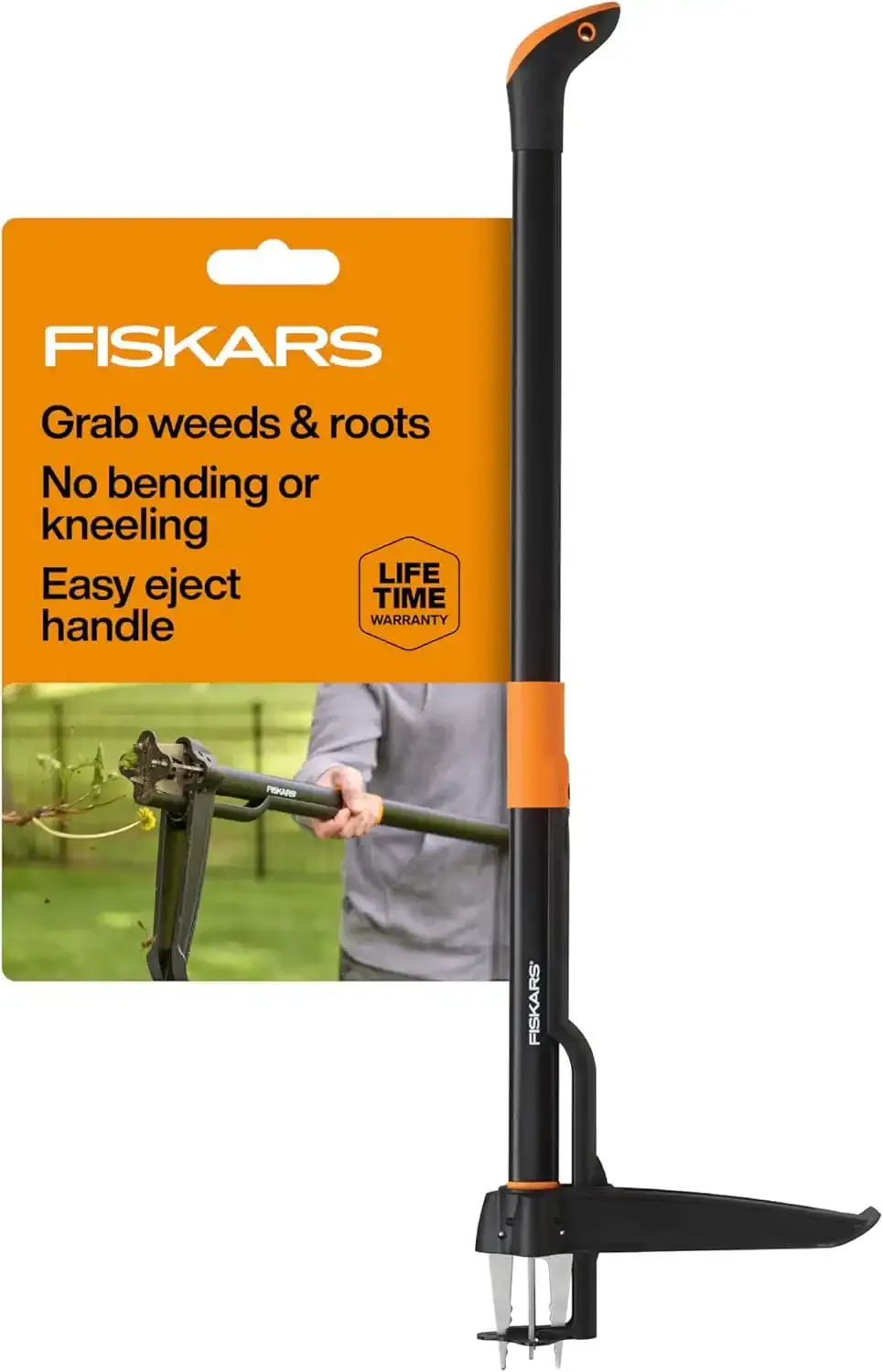
Fiskars 39-Inch Stand-Up Weed Puller Tool
- Grip and pull weeds, dandelions and tough plants cleanly from a comfortable standing position.
- Four serrated stainless steel claws grab roots deeply for permanent weed removal.
- Reinforced foot platform helps you easily penetrate tough, dry or clay soil.
- Easy-eject mechanism on the handle releases weed plugs quickly without bending down.
- Ergonomic offset T-handle design reduces wrist strain and hand fatigue.
2. Add Organic Matter to the Soil
Spread compost, aged manure or shredded leaves across your beds and work them lightly into the top few inches with a fork or spade. You don’t need to till deeply, just enough to start the contact between the organic matter and the soil microbes that will break it down. A fall amendment gives nutrients the whole winter to integrate, so your soil in spring is meaningfully richer than if you’d added it in March.
3. Plant Fall Crops
Fall planting isn’t just about cleanup, it’s also a planting window. Garlic goes in the ground now for a July harvest; plant cloves 2–3 inches deep, pointed end up, about 6 inches apart. Our step-by-step garlic planting guide covers variety selection and mulching depth in detail. Leafy greens like kale, spinach and Swiss chard can handle frost and often improve in flavor after a light freeze. A cover crop, winter rye, clover or vetch, is worth sowing in any empty bed you won’t be planting until late spring; it prevents erosion, suppresses weeds and fixes nitrogen. For a broader breakdown of what thrives in cooler temperatures, see our guide to essential fall crops.
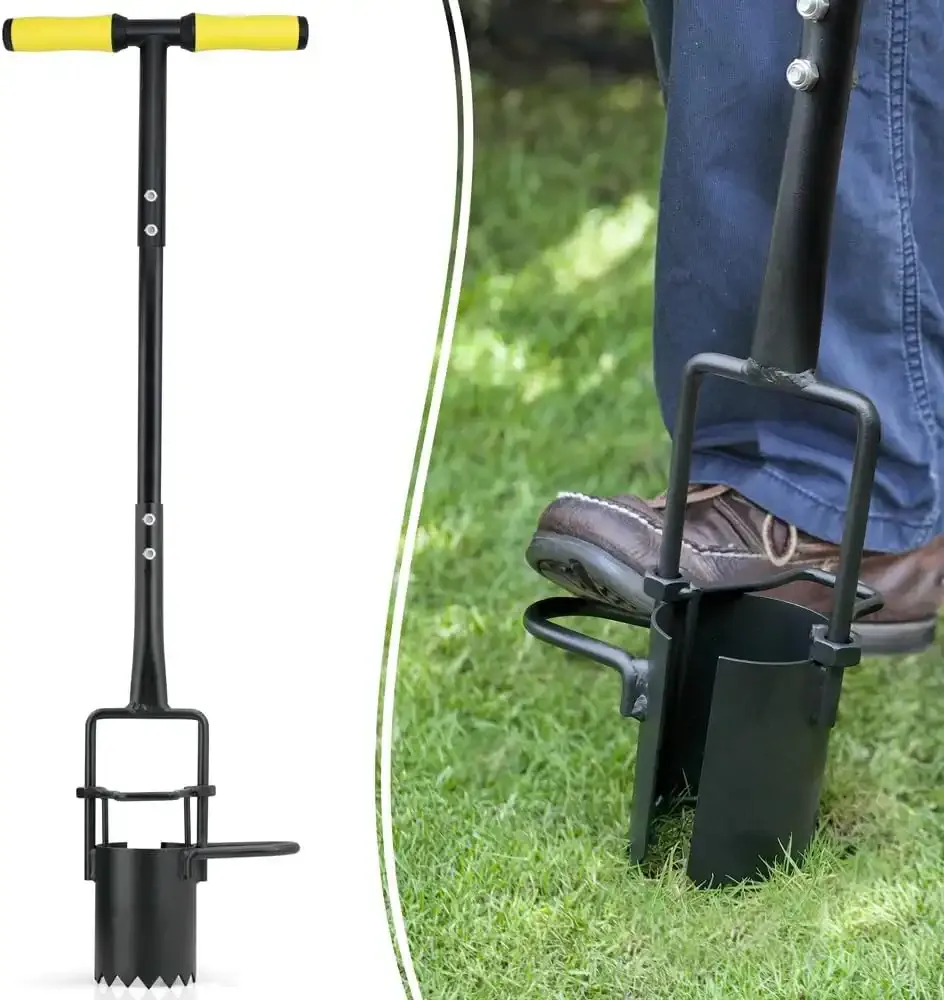
Heavy-Duty Long-Handled Bulb Planter
- Work from a comfortable standing position to plant spring bulbs and garlic without back pain.
- Double-pedal foot press lets you easily apply body weight to push through stony soil.
- Serrated steel base cuts clean 3.5" diameter holes up to 4.7" deep.
- Simple step-and-push core release ejects the soil plug automatically.
- Heavy-duty powder-coated steel construction holds up to years of gardening.
4. Mulch Beds and Protect Perennials
A 2–4 inch layer of mulch, straw, bark chips or shredded leaves, around your perennials does three things: it insulates roots against freeze-thaw cycles, retains soil moisture through dry winter periods and suppresses early spring weeds. Wrap tender plants like roses or young shrubs with burlap if you’re in a colder zone.
Timing varies significantly by region. In Zones 5 and colder (most of the Midwest and Northeast), aim to have beds fully mulched before your first hard frost, often mid-September to mid-October. In Zones 7–9 (the Mid-Atlantic, Pacific Coast and most of the South), you have until late November and in some areas a second planting season is still underway. If you’re not sure which zone you’re in or what that actually means for your garden, our complete guide to USDA planting zones breaks down how to use zone information correctly.
5. Divide and Transplant Perennials
Perennials like daylilies, hostas and irises benefit from division every three to four years. Fall is the right time because the soil is still workable, air temperatures are cool (which reduces transplant stress) and the plants have months to establish before summer heat. Dig the clump, use a sharp spade to cut it into sections, each with roots and several shoots and replant the healthiest divisions immediately. Water them in well. The divisions you don’t want can go to a neighbor, a plant swap or the compost.
6. Prep Trees and Shrubs
Remove any dead, damaged or crossing branches now. Crossing branches rub against each other, creating wounds that invite disease. Apply a slow-release fertilizer around the drip line to support root growth through fall, roots keep growing until the soil temperature drops below about 40°F, so they’ll use the nutrients. Water deeply before the ground freezes; well-hydrated roots are more winter-hardy than dry ones. For plants you’re concerned about frost damage, see our guide on frost-tolerant plants to understand what actually needs protection versus what can look after itself.
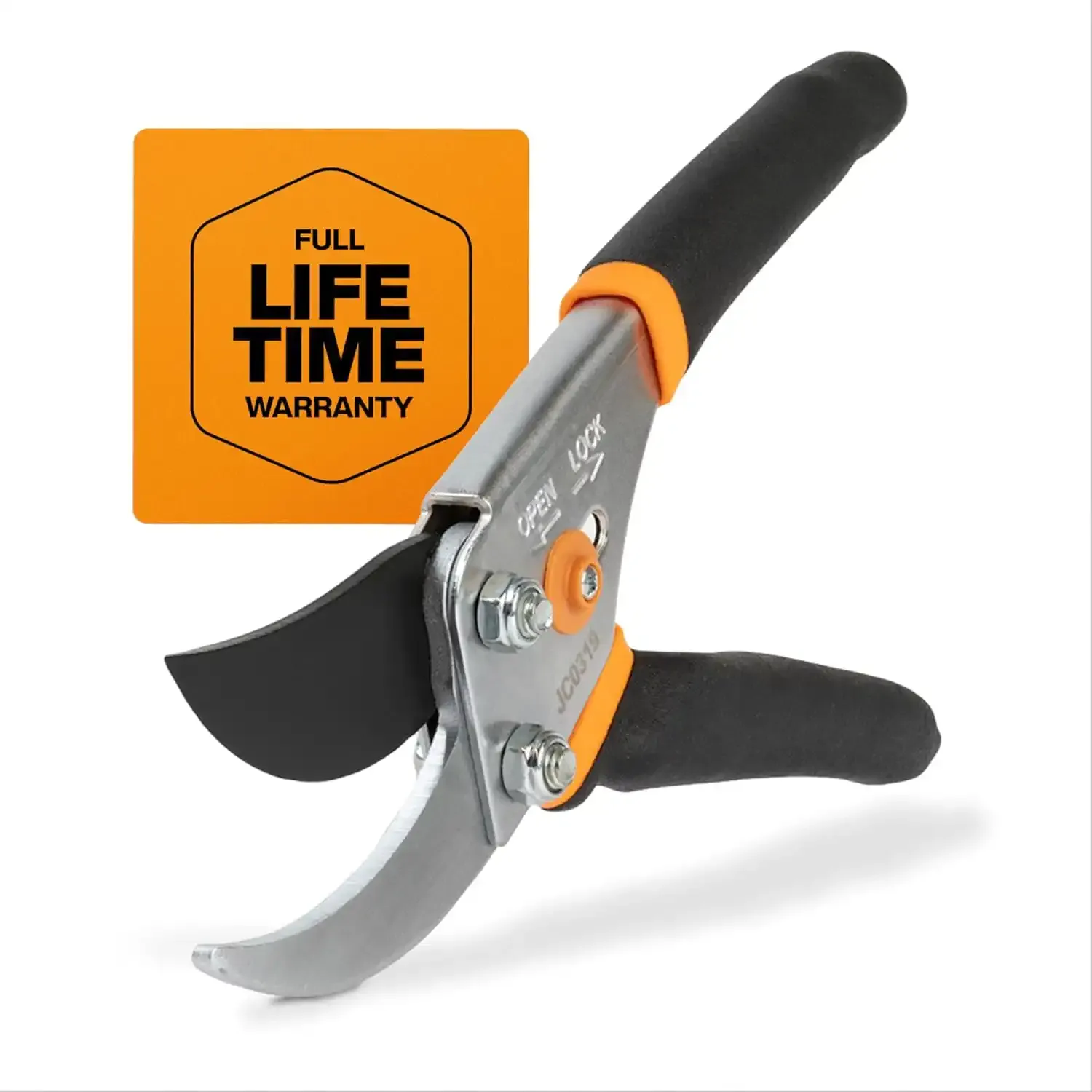
Fiskars Bypass Pruning Shears
- Sharp, precision-ground steel blades make clean, easy cuts through stems and light branches.
- Low-friction blade coating glides through wood easily and resists rust and sap buildup.
- Self-cleaning sap groove prevents the blades from sticking when cutting wet material.
- Non-slip comfort grip handles provide excellent control and reduce hand fatigue.
- Ideal for pruning dead stems, perennials and small tree branches up to 5/8" in diameter.
7. Clean and Store Garden Tools
Scrub tools to remove soil and plant residue, which can harbor disease spores over winter. Sharpen hoe and spade edges, a sharp tool does less damage to soil structure and your hands. Wipe metal parts with a light coat of oil to prevent rust. Store everything in a dry location out of freeze-thaw cycles. It takes about an hour and saves you the frustration of starting next season with corroded, dull equipment.
8. Plan for Spring
Fall is the best time to plan for spring because the season’s successes and failures are fresh. Sketch your garden layout and note what performed well and where you want to make changes. Order spring-blooming bulbs, tulips, daffodils, alliums, now, since many varieties sell out by December. Make your seed list while you remember what you actually used versus what sat untouched in the drawer. If you’re interested in getting more from your seeds next year, our guide to heirloom seed saving is worth reading before you start ordering.
If you only have time for a few of these, prioritize in this order: mulch your beds, get garlic in the ground and add compost where you can. Those three give you insulated roots, a spring harvest already underway and soil that’s actively improving while you’re not even thinking about gardening. The tool cleaning and spring planning are low-urgency but genuinely pay off, especially the planning, which costs nothing but tends to get skipped until you’re standing in front of a half-empty seed rack in March.
Free Fall Preparation Checklist
Download our comprehensive checklist to stay organized this season.
Download PDF Checklist
Frequently Asked Questions
Why should I clean out dead plants in the fall?
Removing dead vines and leaves eliminates habitats where pests, fungi and bacterial pathogens can survive the winter and reinfect your garden next spring.
Should I cut back all my perennials in autumn?
Most perennials benefit from being cut back to ground level after the first frost, but some (like coneflowers) can be left to provide seeds for winter birds.
Our Amazon Storefront
Browse all our recommended tools & supplies
Everything we personally use and trust, hand-picked for gardeners like you.

I've been running DWC and Kratky systems for several years and write about what actually works, not textbook theory. Follow along for honest product reviews, practical guides and real grow results.