As an Amazon Associate, I earn from qualifying purchases. Some links in this article are affiliate links, if you buy through them I may earn a small commission at no extra cost to you.
Quick Summary
- Start Simple: Avoid complex setups early; start with a basic Kratky or DWC system.
- Monitor pH: Test reservoir pH regularly to prevent nutrient lockout and stunted growth.
- Avoid Overfeeding: Keep nutrient levels moderate; excess salts will burn roots and kill plants.
- Maintain Roots: Keep water oxygenated and below 72°F to prevent root rot and pathogens.
- Block Light: Keep reservoirs light-proof to stop algae from consuming your plants’ nutrients.
Jumping into hydroponics is super exciting. You’re ditching the dirt, controlling every aspect of plant growth and basically playing Mother Nature in your own little garden. But here’s the thing: even the most passionate beginners make mistakes. And that’s totally normal! In fact, mistakes are just part of the learning process.
What exactly are common hydroponic mistakes? Common hydroponic mistakes are any errors in managing your system’s core elements; pH, nutrients, lighting or water oxygenation that disrupts the soil-less growing environment and leads to issues like stunted growth or root disease.
Whether it’s pH levels going haywire, nutrient solutions gone wrong or plants looking a little worse for wear, these slip-ups can happen. The good news? Most of these problems are easy to fix or, better yet, avoid altogether. Today, we’re going to dive into the most common hydroponic mistakes that beginners make and more importantly, how to sidestep them for a thriving, happy garden.
Hydroponic Mistakes at a Glance
If you’re short on time, here’s a quick troubleshooting table summarizing the most common issues, what they look like, and how to fix them fast:
| The Mistake | What You’ll See (Symptoms) | Quick Fix |
|---|---|---|
| pH Imbalance | Yellowing leaves, stunted growth (nutrient lockout) | Test water; use pH Up or pH Down to reach 5.5–6.5. |
| Nutrient Burn | Crispy, brown leaf edges | Flush system; reduce nutrient strength by half. |
| Poor Lighting | Tall, spindly, “leggy” seedlings | Lower LED lights to 12–18 inches above plants. |
| Root Suffocation | Brown, mushy, smelly roots | Add an air pump and air stones to the reservoir. |
| Light Leaks | Green slime (algae) in the reservoir | Use opaque containers; cover net pot gaps. |
1. Start With a Simple System
Beginners often make the mistake of choosing a hydroponic system that is too complicated. It’s recommended that you start with a simple system like the Deep Water Culture (DWC), Wick System or Kratky Method, as they have minimal moving parts and are easy to set up and maintain. I personally think Kratky is best for beginners because it requires no pumps or electricity. If you want a step-by-step walkthrough, check out our guide on the easiest and cheapest hydroponic system you can start today to build your first Kratky setup for under twenty dollars.
2. Not Monitoring pH Levels Regularly
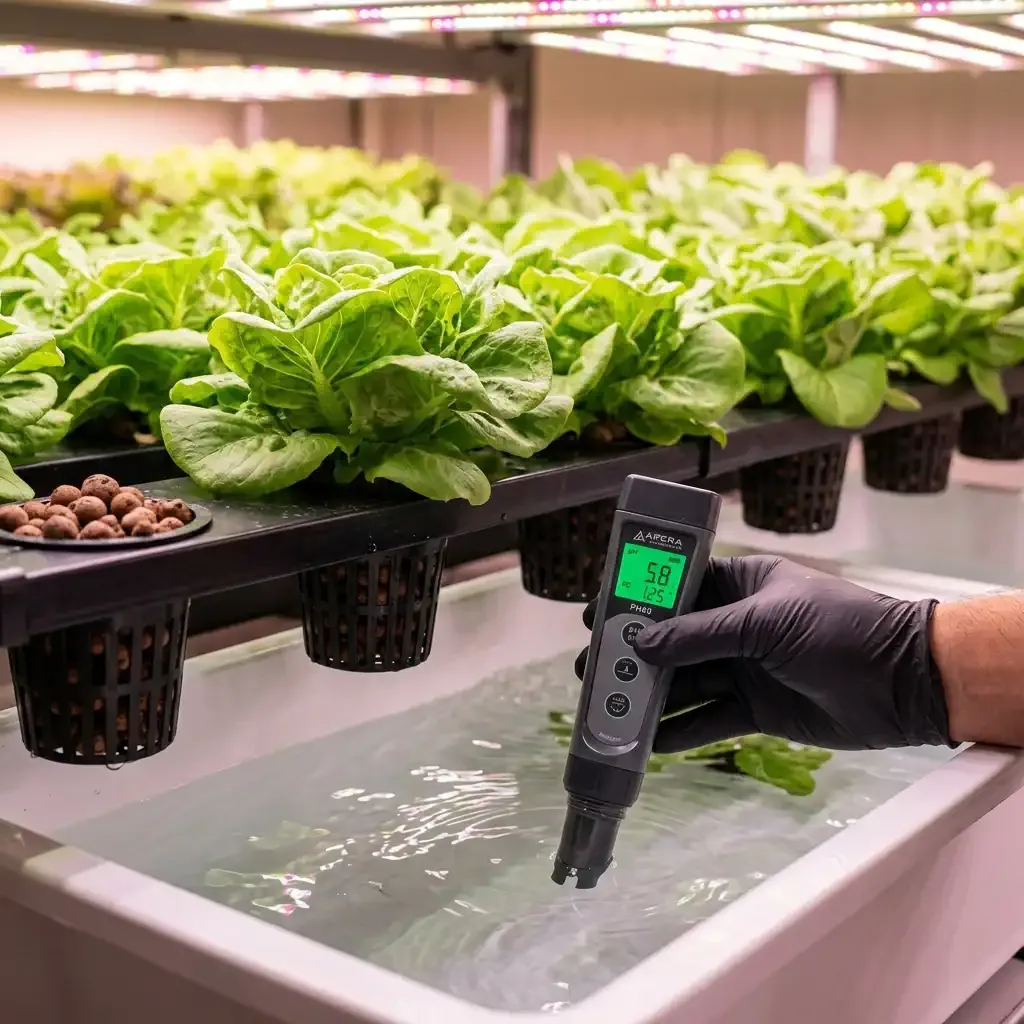
This one trips up a lot of beginners. You might be pouring the perfect nutrient solution, giving your plants just the right amount of light, but if the pH level is off, your plants might not even be absorbing those nutrients properly. Think of it like this: pH is like the “key” that unlocks nutrient absorption. If it’s too high or too low, your plants are missing out on vital goodies.
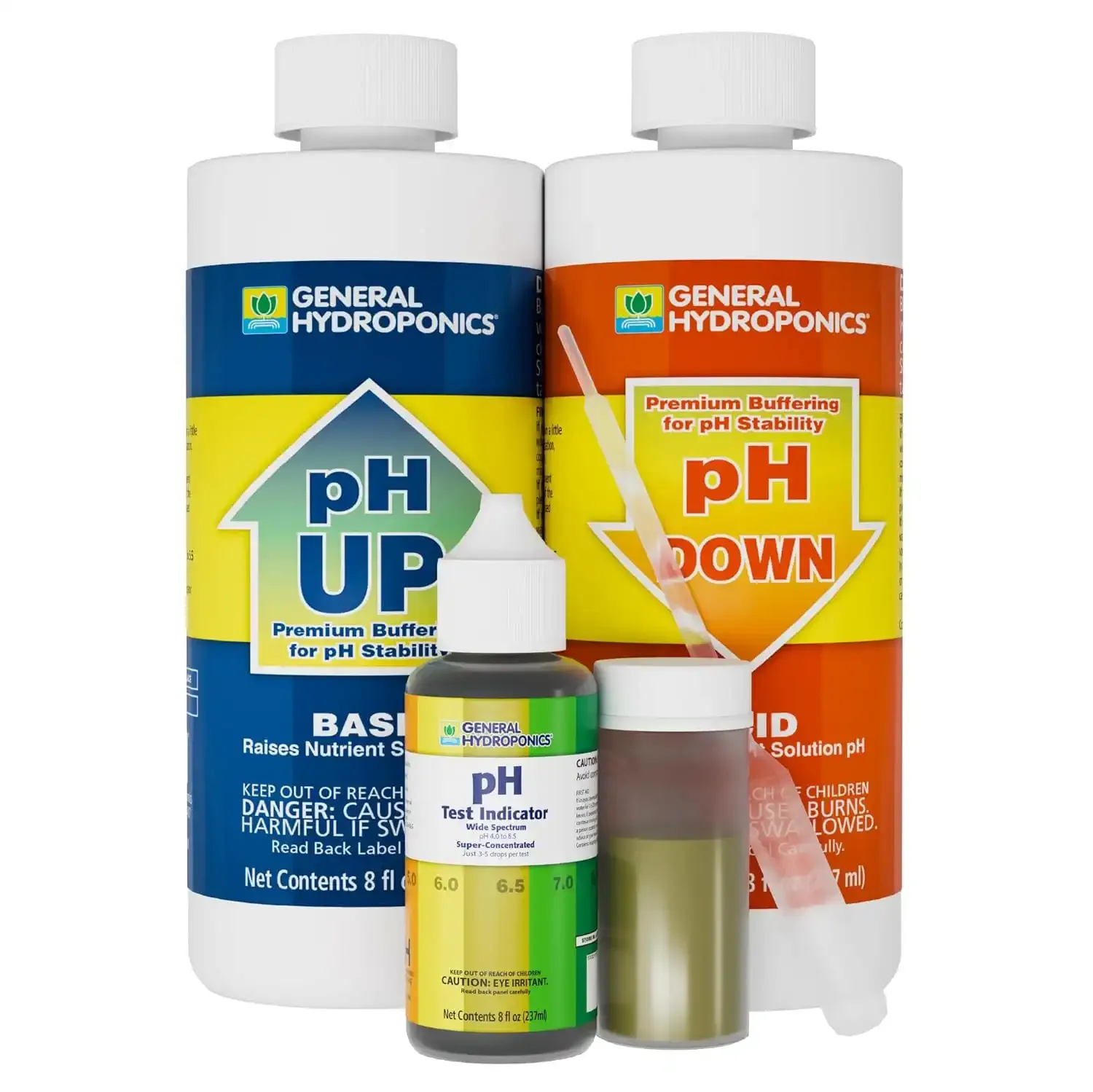
General Hydroponics pH Control Kit
This kit is the absolute industry baseline for testing and adjusting reservoir pH. It includes liquid pH test indicator solution as a reliable visual backup, along with pH Up and pH Down adjustment solutions that last through dozens of reservoir changes since you only need a few drops at a time to correct drift.
How to Manage Your pH Successfully
How to avoid it:
- Test Regularly: Make checking your pH levels a routine. Aim to test every couple of days using an affordable pH testing kit.
- Find the Sweet Spot: The ideal range for most hydroponic plants is between 5.5 and 6.5.
- Watch for Signs: Too acidic or alkaline? Your plants will show nutrient deficiencies like yellowing leaves.
- Adjust Carefully: If the pH is off, use small drops of pH Up or pH Down solutions to correct it gradually.
Pro Tip: Keep a log of your pH readings, nutrient levels and any changes you make to your system. You’d be surprised how quickly you can start spotting patterns and making proactive adjustments!
pH drifts naturally as plants consume water and nutrients. To set yourself up for success and learn how to stabilize your reservoir, check out our deep-dive on understanding hydroponic pH levels and how to manage them.
3. Overfeeding or Underfeeding Nutrients
This is a classic beginner move: “If a little is good, more must be better,” right? Not quite. Overfeeding your plants can lead to nutrient burn (crispy, brown leaf edges), while underfeeding can stunt growth and cause your plants to look sad and limp.
Nailing Your Nutrient Strategy
How to avoid it:
- Start Small: Stick to the manufacturer’s guidelines, but start with half the recommended dosage when first setting up.
- Watch the Leaves: Yellowing or crispy brown edges usually mean overfeeding (nutrient burn), while pale, limp leaves signal underfeeding.
- Add Slowly: You can always add more nutrients, but it’s much harder to undo nutrient burn.
- Choose the Right Mix: If you’re confused by liquid vs. dry concentrates, read our guide on how to choose the best hydroponic nutrients for your garden.
Pro Tip: It’s all about balance. If your plants look healthy, don’t mess with success! Overcorrecting with nutrients is a common rookie error, so be patient.
4. Poor Lighting Setup
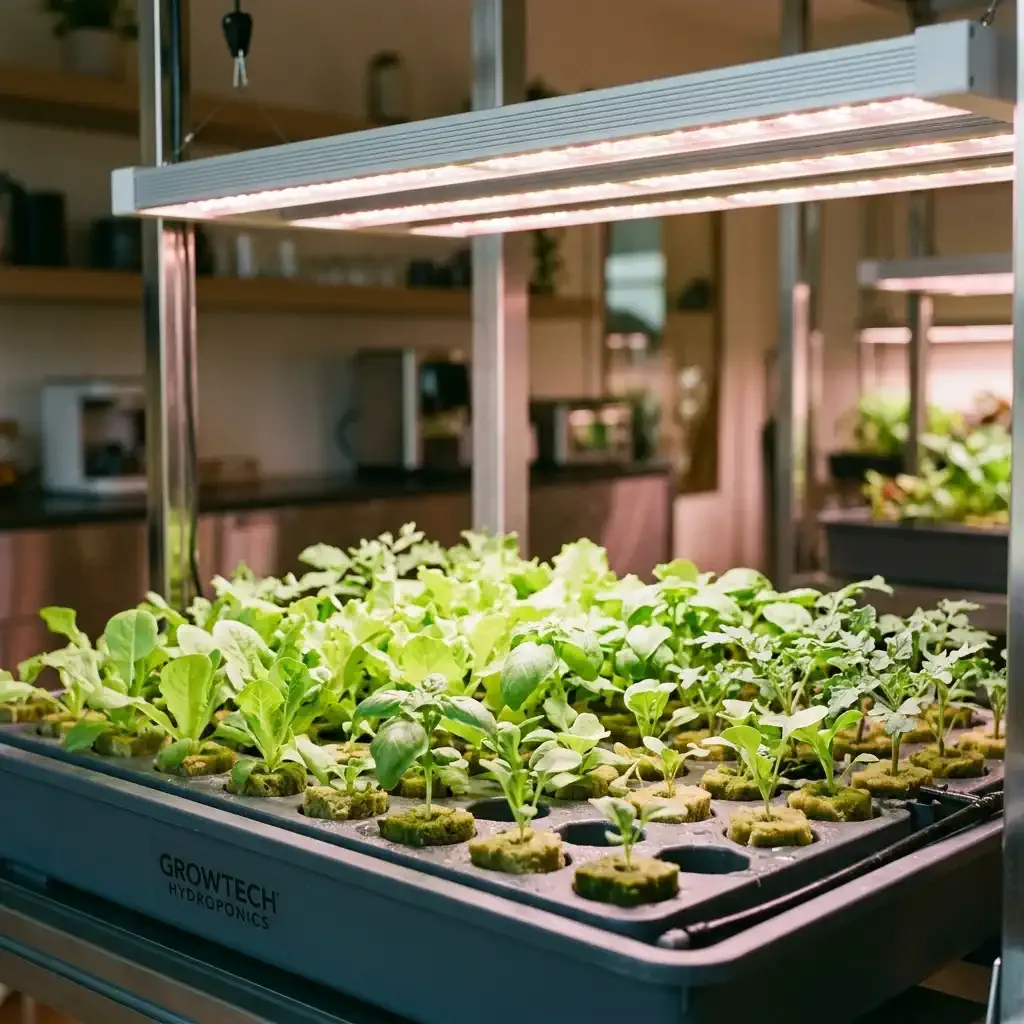
Lighting is one of those things that seems simple at first, but can quickly become tricky if you’re not paying attention. Without enough light, your plants will grow tall and leggy, reaching out for a source of light that’s too far away. Too much light, on the other hand, can scorch your plants or cause light stress.
Perfecting Your Light Setup
How to avoid it:
- Choose Wisely: Opt for full-spectrum LEDs or fluorescent lights, which are ideal for hydroponic setups.
- Set the Distance: A good rule of thumb is to start with your lights about 12–18 inches above the plants.
- Monitor and Adjust: If plants are stretching out (leggy), move the light closer. If leaves are curling or crispy, back the light off.
Pro Tip: Invest in a light timer. Plants need a balance of light and dark periods to thrive, so giving them a consistent schedule helps keep them healthy.
5. Ignoring Root Health
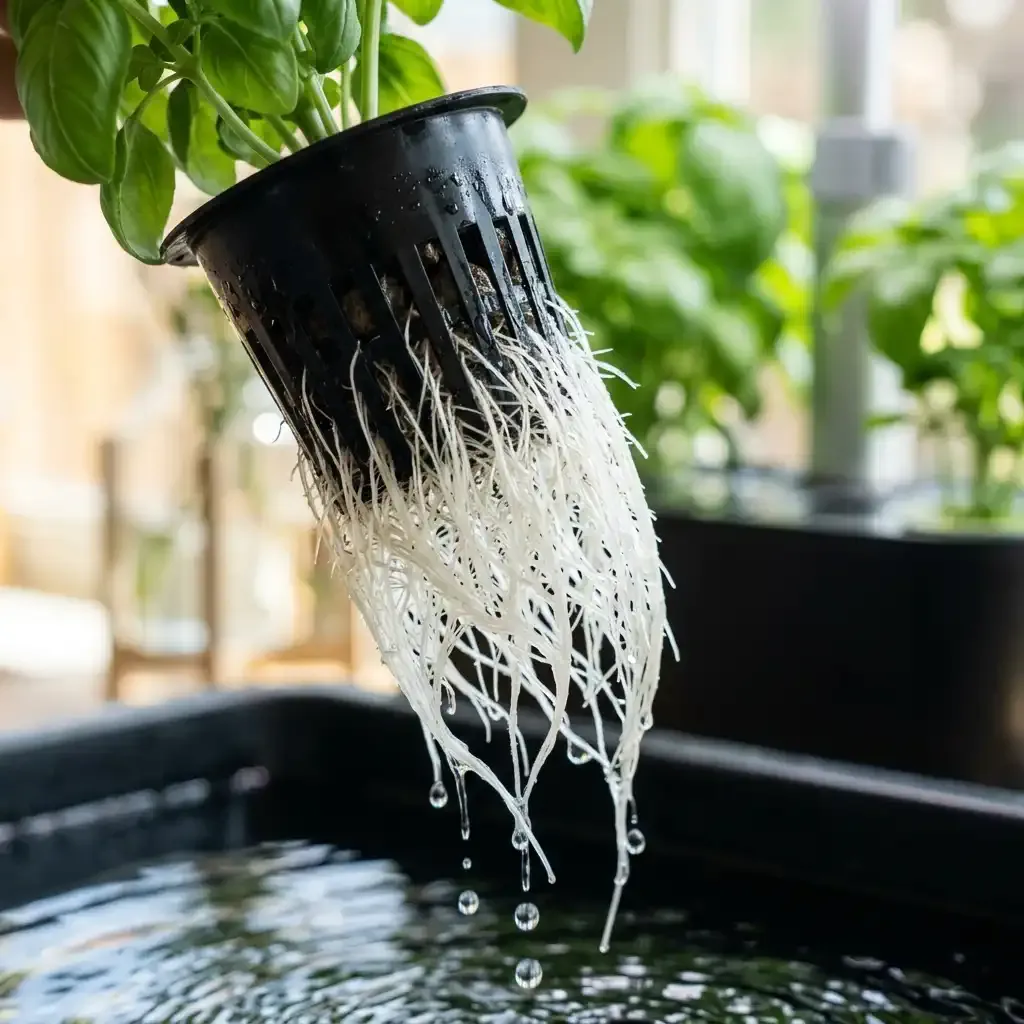
Out of sight, out of mind, right? Not so fast. In hydroponics, your plant’s roots are just as important as what’s happening above ground. Roots need oxygen and if they’re left soaking in stagnant water, they’ll quickly rot and turn into a slimy, brown mess. Trust me, root rot is every hydroponic gardener’s nightmare.
Defending Against Root Rot
How to avoid it:
- Add Oxygen: Keep your nutrient solution oxygenated. An air pump and air stones are lifesavers that help your roots breathe. Understanding the importance of air pumping in hydroponics is key.
- Maintain an Air Gap: Check your water levels regularly to ensure the roots aren’t completely submerged without a protective air gap.
- Act Fast on Rot: If you notice brown, mushy or foul-smelling roots, act immediately by trimming the affected areas and increasing water circulation.
Pro Tip: Give your roots a visual check every now and then. Healthy roots should be white and firm, not slimy or discolored.
6. Letting Algae Grow
Algae might seem harmless at first, but if left unchecked, it can quickly take over your system, clogging up tubes and competing with your plants for nutrients and oxygen. It’s like inviting a pesky roommate to your hydroponic garden.
Stopping Algae Before It Starts
How to avoid it:
- Block the Light: Algae loves light and moisture. Your best defense is to use opaque reservoirs and ensure net pots are fully covered.
- Seal Leaks: Make sure your system is tight and free from any gaps where light can sneak in.
- Consider a UV Sterilizer: Adding an inline UV sterilizer can help keep stubborn algae growth completely under control.
Pro Tip: Clean your system regularly to keep algae at bay. A little bit of effort upfront can save you a ton of hassle down the road. If you’re still in the planning phase, selecting a setup that naturally blocks light from the reservoir is a smart move; check out our guide where hydroponic systems are explained to see which design best prevents these issues.
7. Skipping Regular System Maintenance
Here’s the deal: hydroponic systems are like cars—they need regular maintenance to run smoothly. Skipping this step can lead to clogged pumps, nutrient buildup or worse, plants that just don’t grow right. If your system does run into trouble despite regular maintenance, our comprehensive guide on how to troubleshoot common hydroponic problems will walk you through diagnosing and fixing issues step-by-step.
Creating a Maintenance Routine
How to avoid it:
- Stick to a Schedule: Set a maintenance calendar. A weekly checkup is usually enough to keep things running smoothly.
- Flush the System: Regularly flush your system with fresh water and clean the reservoir to prevent nutrient salt buildup.
- Check Hardware: Inspect your pumps, air stones, and tubing for any signs of wear, tear or clogging.
Pro Tip: Catch issues early by inspecting your system every week. A clogged pump might not seem like a big deal until it’s been broken for a few days and your plants start showing signs of stress.
Conclusion
Growing plants hydroponically can feel like a steep learning curve at first, but once you get the hang of it, it’s incredibly rewarding. By keeping an eye on your pH levels, feeding nutrients in the right amounts, setting up proper lighting and maintaining your system regularly, you can avoid the common mistakes that trip up so many beginners. Just remember every mistake is an opportunity to learn and improve.
So, don’t get discouraged if things don’t go perfectly right away. Take your time, experiment and enjoy the process of growing your own hydroponic garden. Happy gardening!
Frequently Asked Questions
What is the most common mistake beginners make in hydroponics?
Neglecting pH levels is the single most common error. If the pH of your nutrient solution drifts outside the optimal 5.5 to 6.5 range, it triggers 'nutrient lockout'—a state where plants are chemically unable to absorb nutrients even if they are abundant in the water.
Why are my hydroponic plant leaves turning yellow?
Yellowing leaves typically indicate nutrient deficiencies (underfeeding), nutrient burn (overfeeding) or pH lockout. We recommend checking your reservoir's pH levels first; if they are correct, evaluate your feeding schedule. Starting with half the manufacturer's recommended nutrient dosage is a safe practice for beginners.
How often should I change the water in my hydroponic reservoir?
You should perform a complete reservoir flush and water change every 2 to 3 weeks. As plants grow, they selectively drink water and absorb specific nutrients, causing the remaining solution to become unbalanced and highly prone to pH instability.
What does root rot look like and how do I prevent it?
Root rot shows up as mushy, brown or slimy roots with a foul, stagnant smell in the reservoir. You can prevent it by keeping your water temperatures below 72°F (22°C) and maintaining high oxygenation levels using an air pump and air stones.
Why are my hydroponic seedlings growing tall and skinny?
Tall, leggy or spindly seedlings are stretching in search of light, indicating that your light source is too weak or too far away. Position your LED grow lights about 12 to 18 inches above your plants and adjust based on their growth.
How do I stop algae from growing in my hydroponic reservoir?
Algae needs light and moisture to thrive. Your primary defense is blocking light from entering your reservoir by using opaque containers, covering unused holes in net pots, sealing light leaks and cleaning your setup regularly.
Our Amazon Storefront
Browse all our recommended tools & supplies
Everything we personally use and trust, hand-picked for gardeners like you.

I've been running DWC and Kratky systems for several years and write about what actually works, not textbook theory. Follow along for honest product reviews, practical guides and real grow results.